
Visual learning reinforcement Math Worksheets for Ages 4-5
7 filtered results
Difficulty Level
Grade
Age
-
From - To
Subject
Activity
Standards
Enhance early math skills with our Visual Learning Reinforcement Math Worksheets for ages 4-5. Ideal for young learners, these engaging worksheets from Kids Academy incorporate vibrant visuals to make concepts like counting, shapes, and patterns exciting and memorable. Our expertly-designed materials support cognitive development and encourage critical thinking, setting a strong foundation for future math success. Perfect for parents and educators seeking a fun and effective approach to early education, these worksheets will help your child build confidence and develop a love for learning through interactive visual techniques. Join Kids Academy today and turn math practice into a playful adventure!
Favorites
With answer key
Interactive
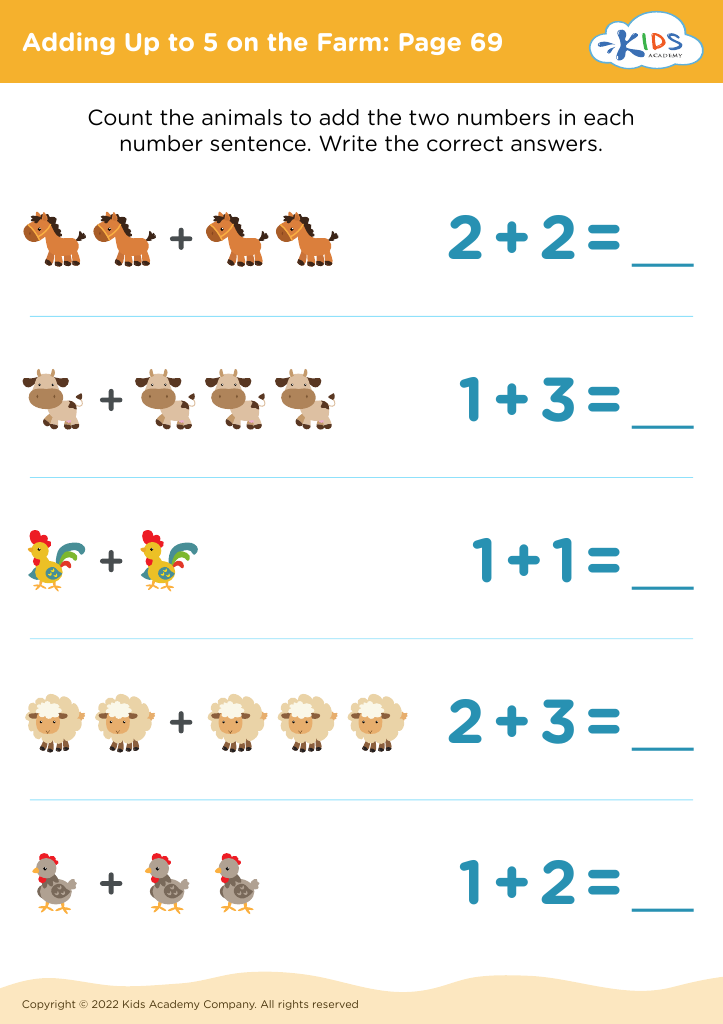
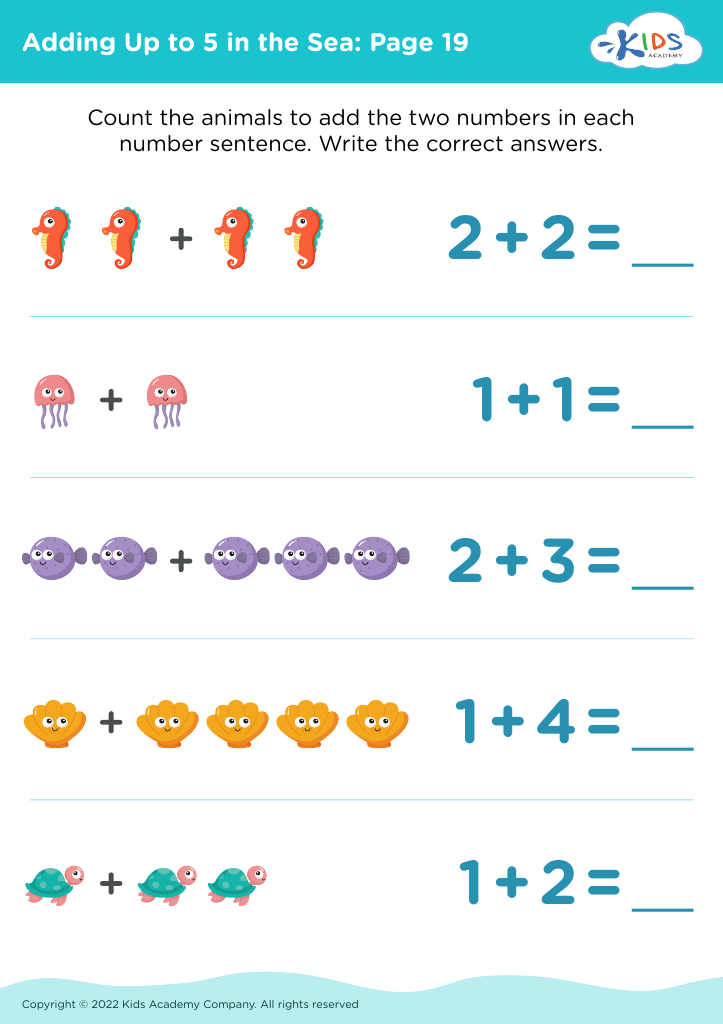
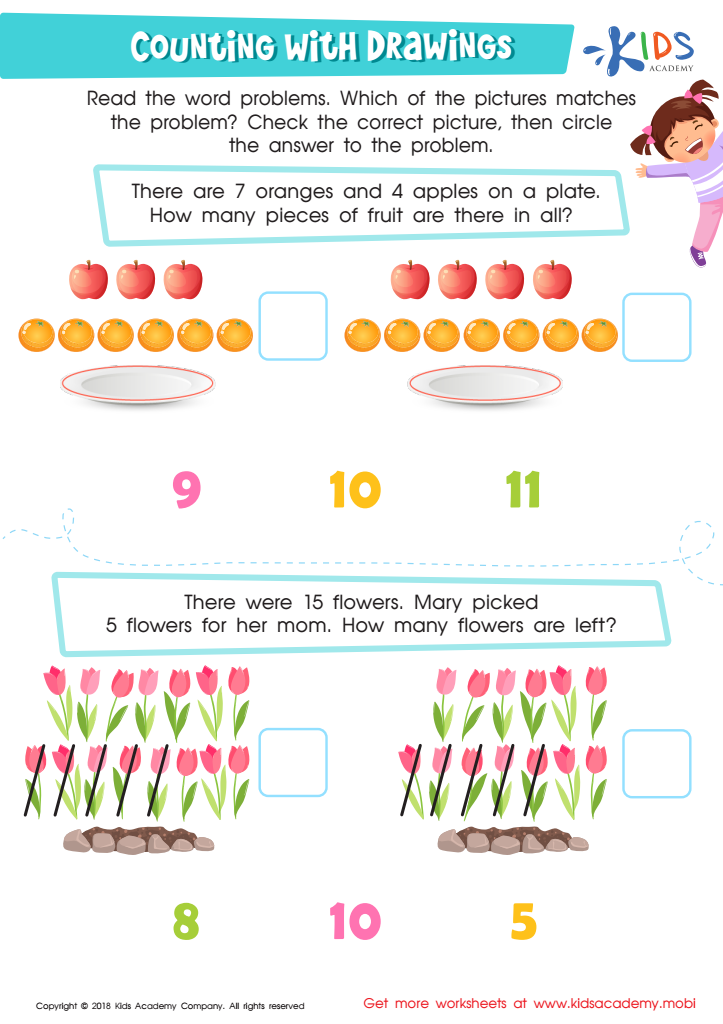
Counting with Drawings: Fruits & Chocolates Worksheet
Learning basic addition and subtraction has never been easier with this free worksheet! Young mathematicians can sort & count to get the right sum or difference for each problem. Plus, they'll practice fine motor skills by circling the correct answer. An ideal way to help kids build important visual recognition and discernment skills.
 Assign to My Students
Counting with Drawings: Fruits & Chocolates Worksheet
Worksheet
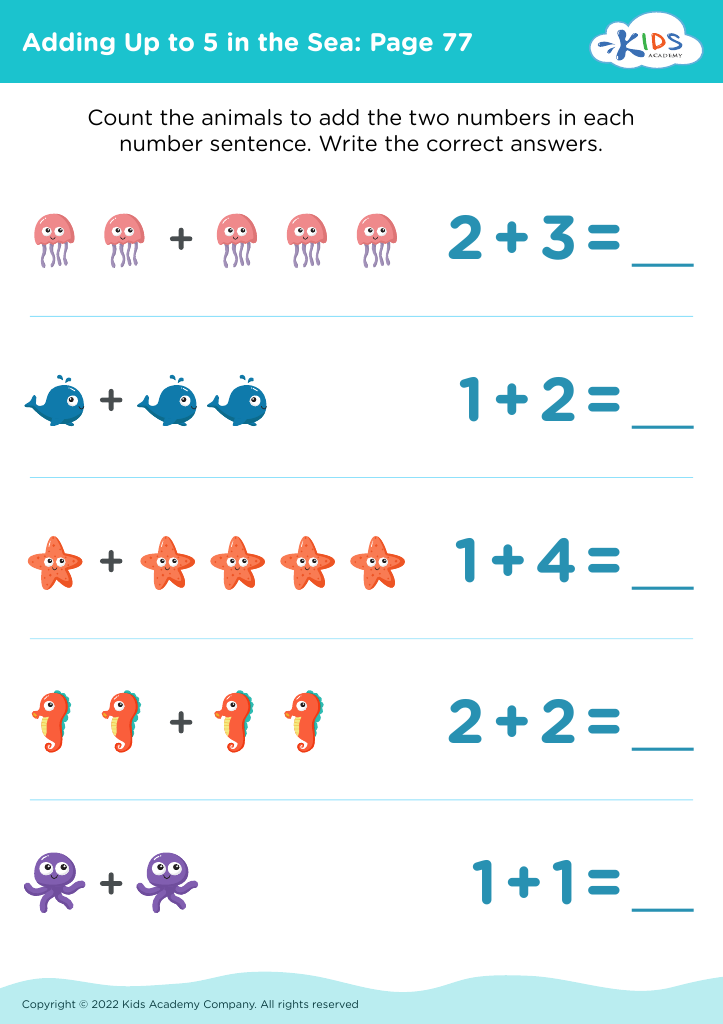
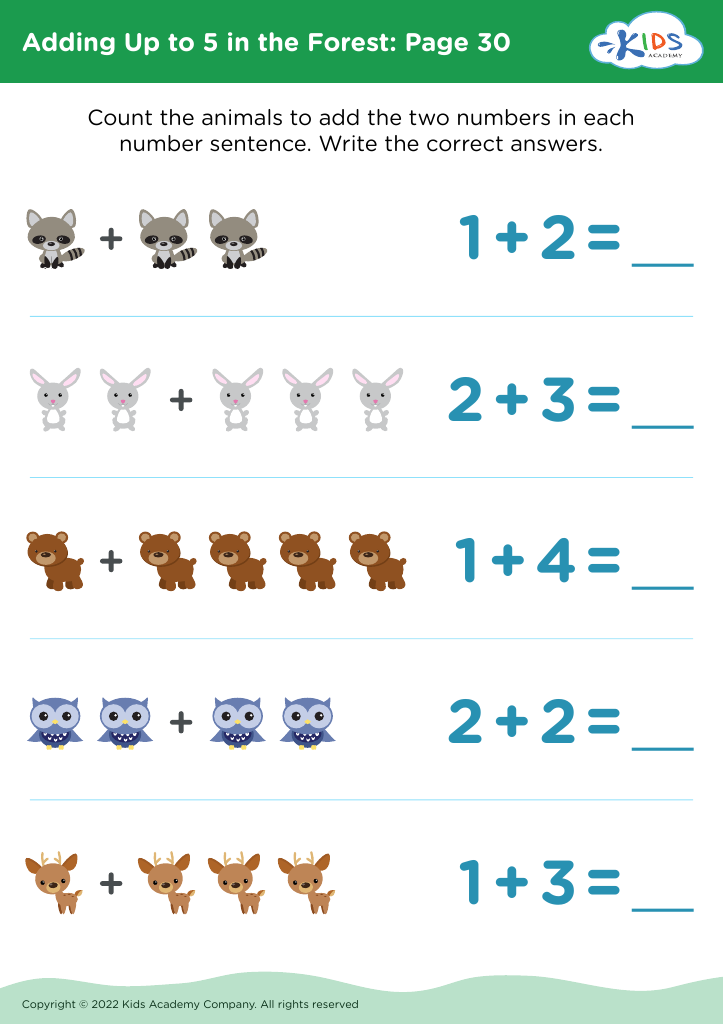
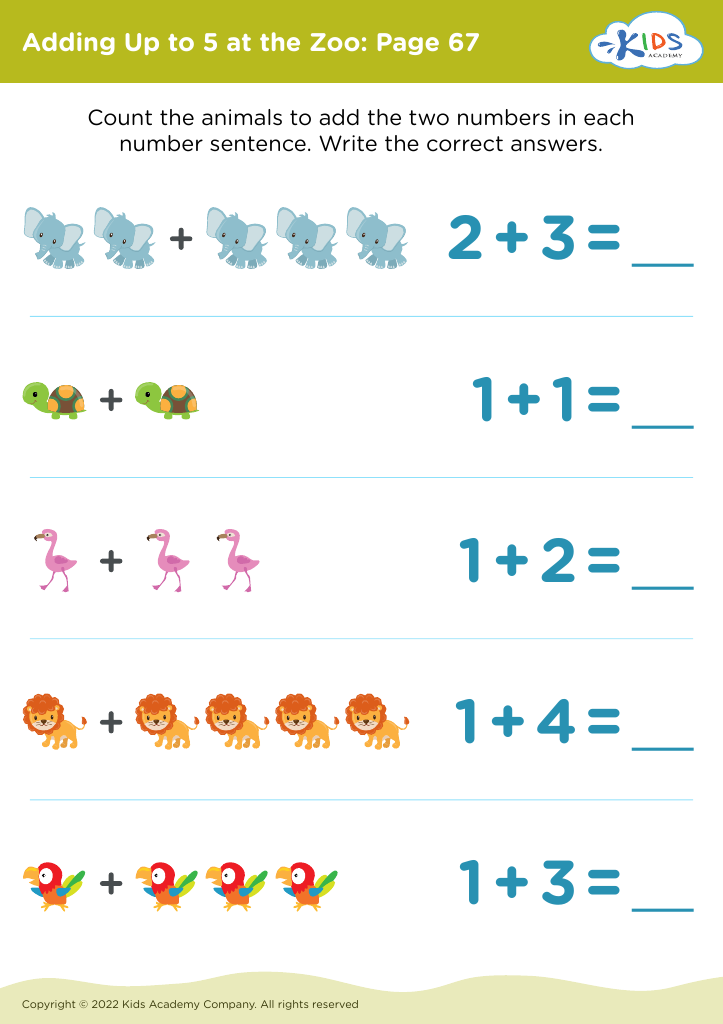
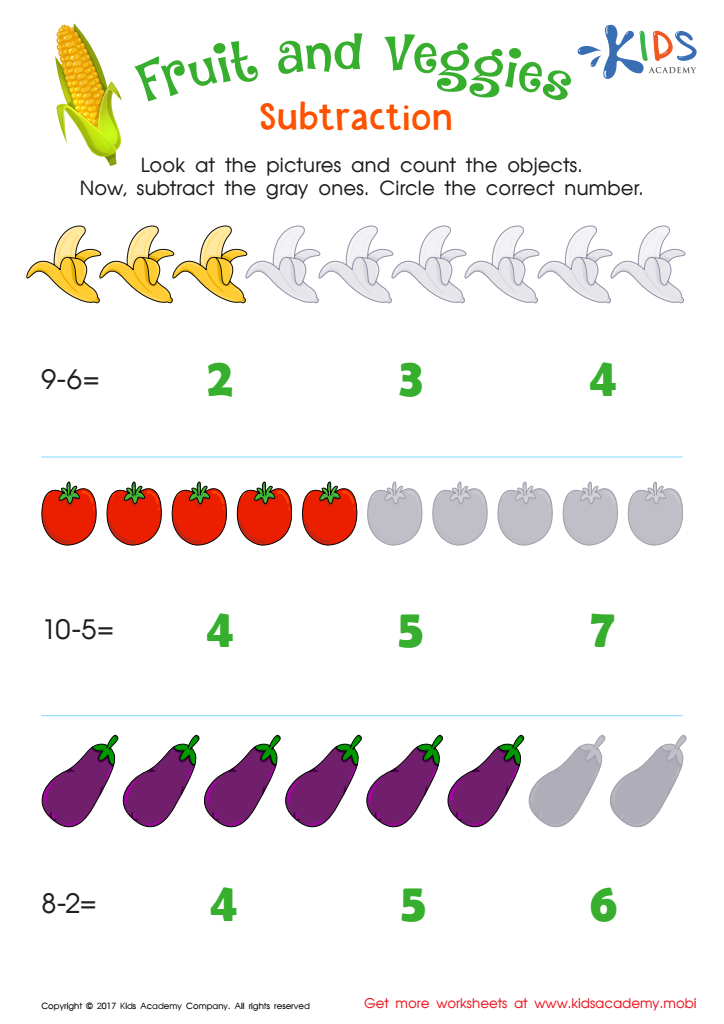
Fruit and Veggies Subtraction Worksheet
Kids learn subtraction with this fun worksheet: fruits and veggies! Kids use pictures to count or take away to get the right answer, aiding in understanding subtraction better.
Fruit and Veggies Subtraction Worksheet
Worksheet
Join Kids Academy for Free
Who is primarily going to use this learning content?








Visual learning reinforcement in math for ages 4-5 is crucial as this developmental stage marks a critical period for cognitive growth. Children in this age group are often visual learners, and integrating visual aids helps them comprehend abstract mathematical concepts more effectively. Visual tools such as shapes, charts, and colorful objects transform numbers into tangible entities, thereby laying a strong foundation for future mathematical learning.
For parents and teachers, incorporating visual aids ensures that children remain engaged and interested. At this early age, attention spans are typically short; vivid, interactive visuals capture their interest far better than oral explanations alone. Visual reinforcement also caters to different learning styles, accommodating children who might struggle with traditional verbal instructions.
Moreover, visual learning supports memory retention. When children associate numbers and operations with specific images or patterns, they are more likely to recall the information later. By strengthening understanding and retention, visual learning paves the way for later success in more complex math topics.
In conclusion, caring about visual learning reinforcement in early math instruction involves recognizing its impact on engagement, catering to varied learning styles, and aiding memory retention, thereby fostering a positive, resilient attitude towards math from a young age.








