Sorting skills Numbers 0–10 Worksheets for Ages 4-5
3 filtered results
-
From - To
Enhance your child's sorting skills with our engaging "Sorting Skills Numbers 0–10 Worksheets." Designed for ages 4-5, these worksheets provide age-appropriate activities that help little ones practice sorting by number. Through fun exercises, children will learn to categorize numbers 0-10, improving their cognitive skills while enjoying the process. Each worksheet is colorful and interactive, featuring relatable themes that captivate young learners. Ideal for classroom use or home learning, these resources are perfect for reinforcing math concepts and laying a strong foundation for future educational success. Download and empower your child to explore numbers through sorting today!
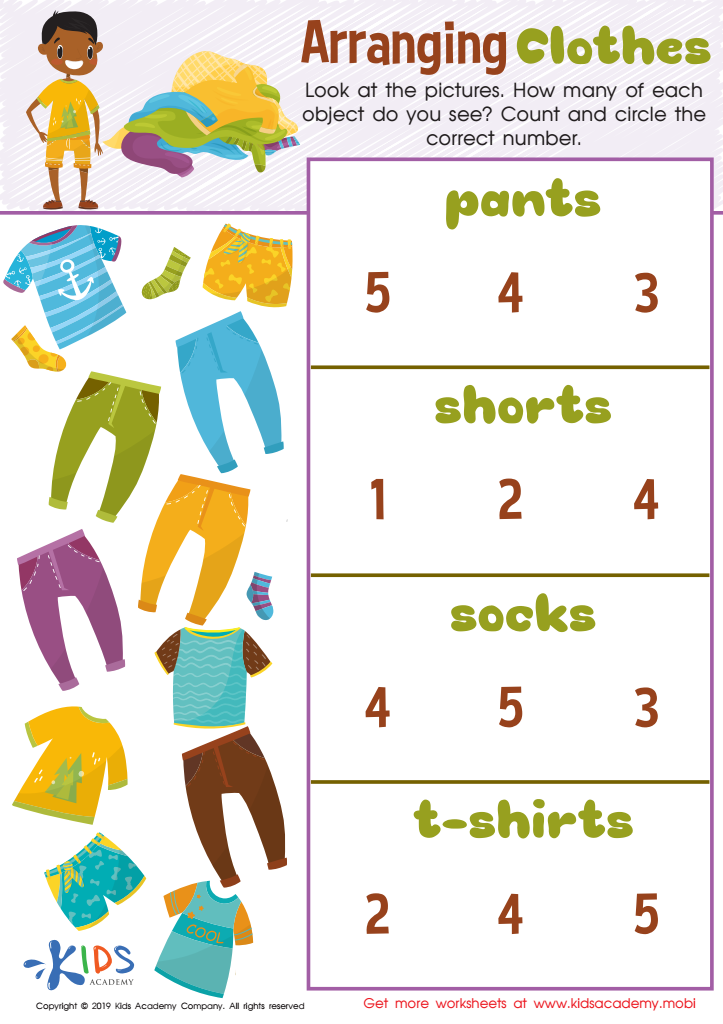
Arranging Clothes Worksheet
 Assign to My Students
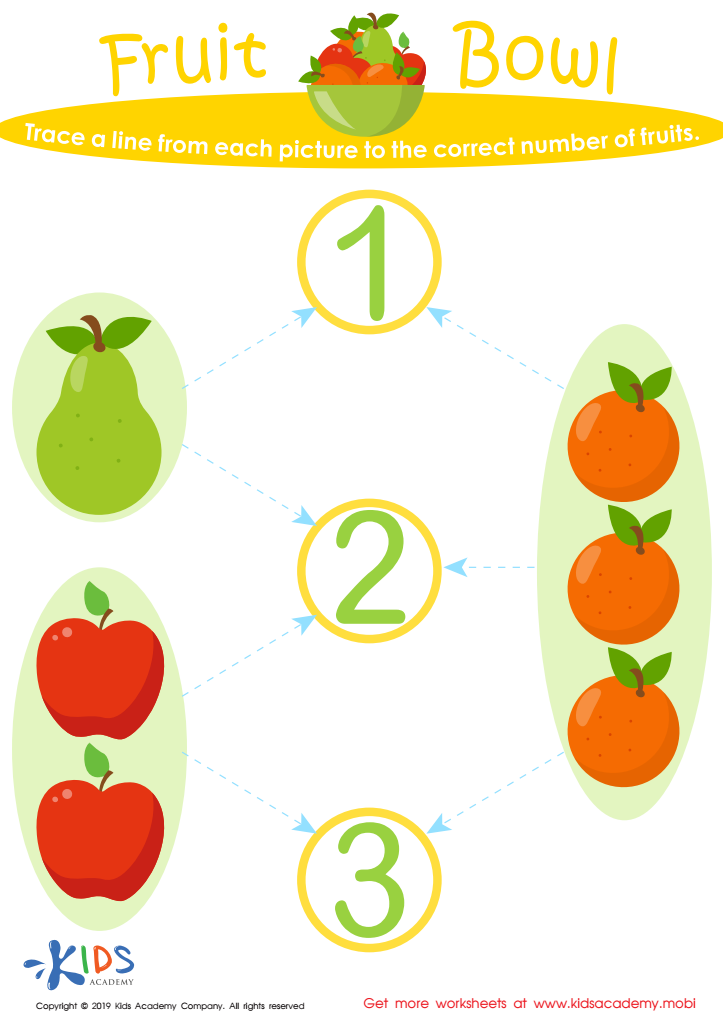
Fruit Bowl Worksheet
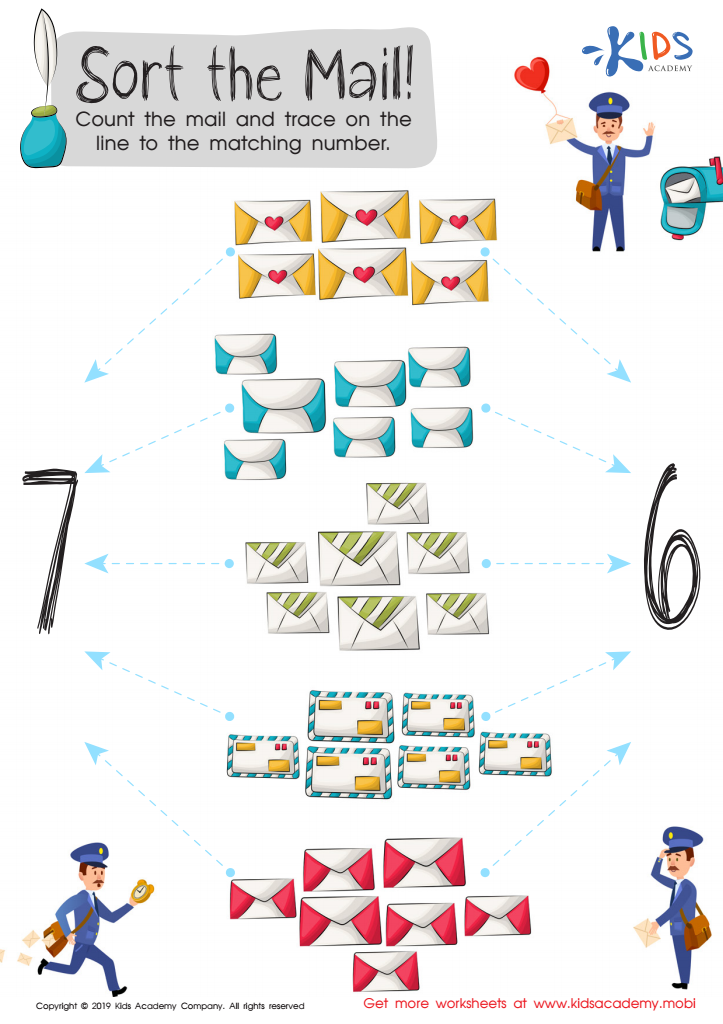
Sort the Mail Worksheet








Sorting skills are foundational for early cognitive development, particularly for children aged 4-5 learning to understand numbers from 0 to 10. Parents and teachers should care about these skills because sorting activities enhance critical thinking, categorization, and mathematical reasoning. As children engage in sorting tasks, they learn to recognize patterns, understand relationships, and organize information, all of which are essential components of mathematical understanding.
Sorting numbers helps children grasp fundamental concepts such as quantity and order, fostering a sense of number sense. When children sort objects labeled with numbers 0-10, they practice counting, comparing, and categorizing, which lays the groundwork for later math skills, including addition and subtraction.
Moreover, sorting activities can promote language development as children describe their sorting methods and reasoning. This encourages communication skills and helps children articulate their thought processes.
Lastly, involvement in sorting games fosters social interaction. Children often work in groups, encouraging teamwork and sharing ideas. By emphasizing sorting skills, parents and teachers not only support a child’s mathematical learning but also promote essential life skills that will benefit them beyond the classroom.








