Shape Recognition Numbers up to 100 Worksheets for Ages 4-5
3 filtered results
-
From - To
Unlock early learning with our "Shape Recognition Numbers up to 100 Worksheets" specially designed for children ages 4-5. These engaging worksheets help young learners identify various shapes while reinforcing number recognition skills from 1 to 100. Through fun, interactive activities, kids will explore shapes like circles, squares, and triangles in relation to numbers, promoting cognitive development and foundational math skills. Ideal for both classroom and home use, these worksheets support a hands-on approach to learning, making mathematics exciting and accessible. Enhance your child’s preschool education with these thoughtfully crafted resources that lay the groundwork for future math success!
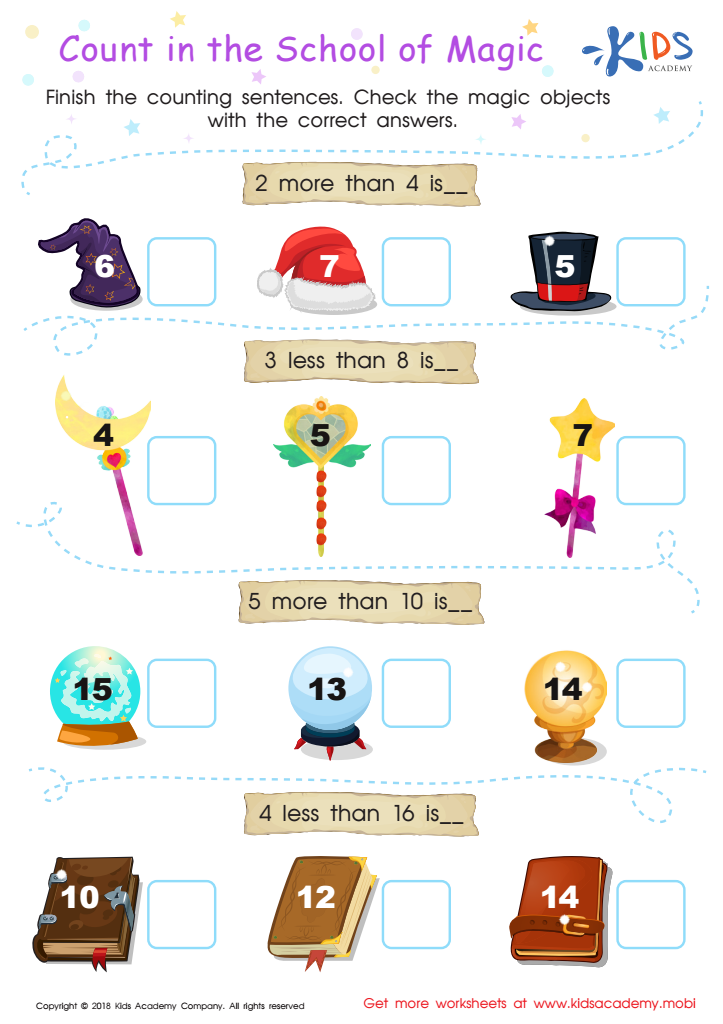
Count in the School of Magic Worksheet
 Assign to My Students
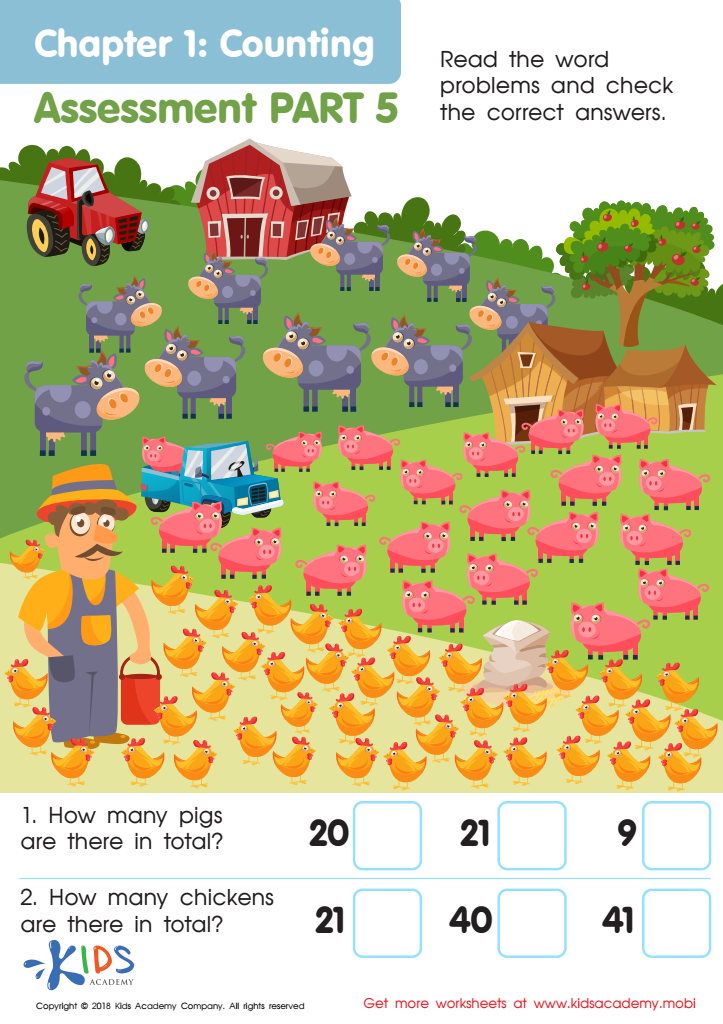
Counting: Assessment 5 Worksheet
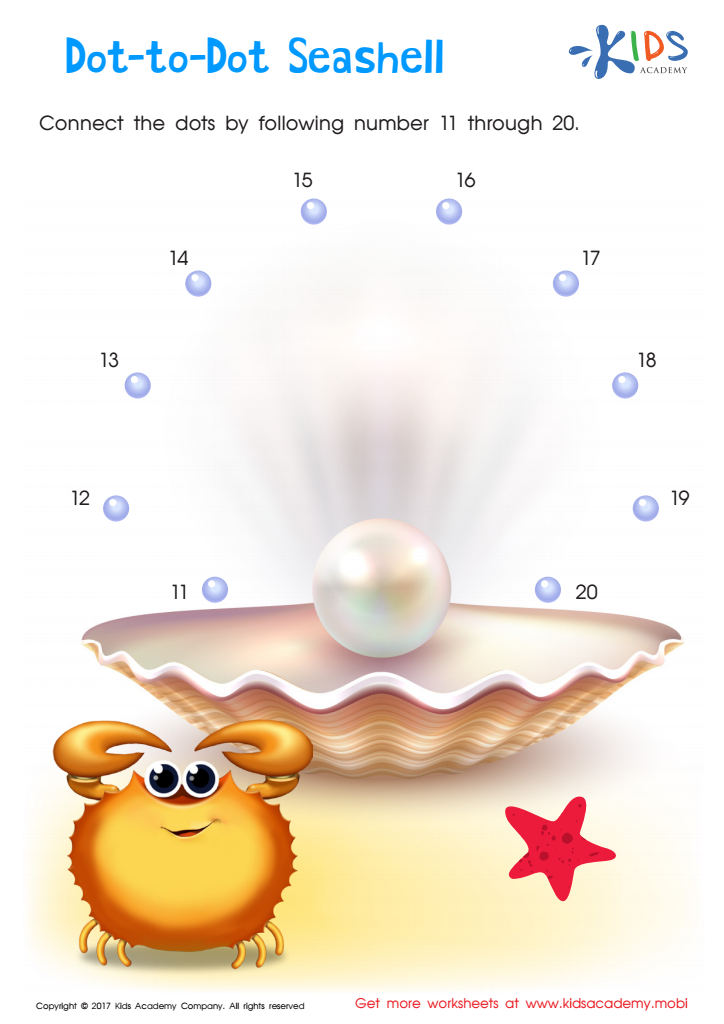
Ordering 11–20: Dot–to–dot Seashell Printable




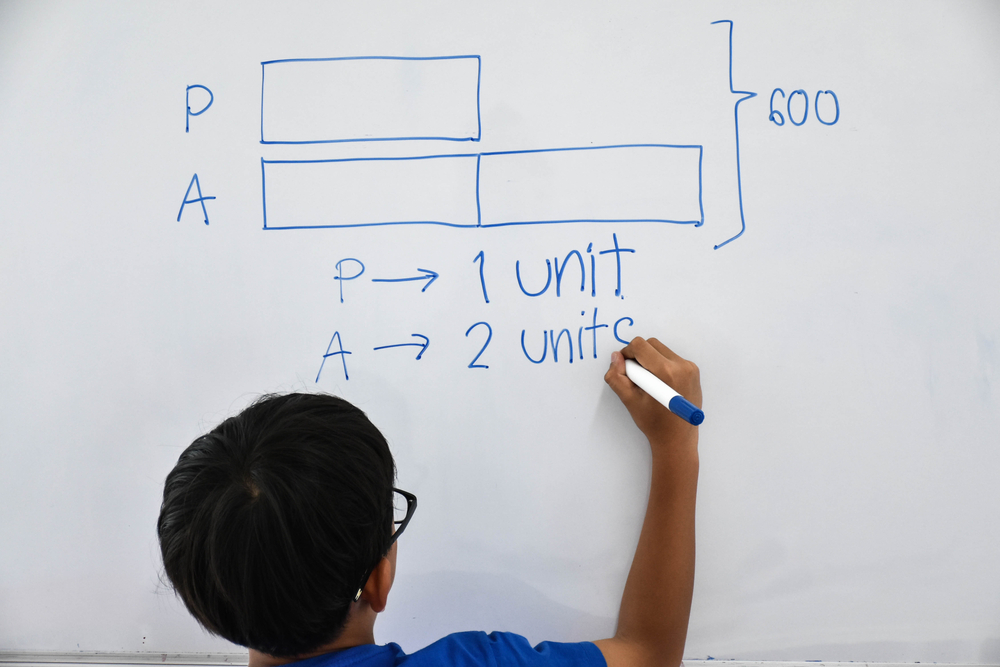



Shape recognition and understanding numbers up to 100 are foundational skills for young learners aged 4-5. These skills are not only crucial for early mathematics but also play a significant role in cognitive and spatial development. Recognizing shapes helps children understand properties and categorize objects, enhancing their problem-solving abilities. This visual differentiation fosters critical thinking, as they learn to identify and compare different geometrical forms in their environment.
Moreover, comprehension of numbers up to 100 builds a strong numeracy base. It aids in the understanding of counting, number sequence, and the relationship between numbers, essential for higher-level math skills. Engaging with numbers also supports language development, as children learn new vocabulary related to quantities and comparisons.
Parents and teachers should prioritize shape recognition and number skills, as they often serve as building blocks for future academic success. These foundational concepts help decrease math anxiety, fostering confidence in children's abilities to face mathematical challenges down the line. Activities that integrate shapes and numbers provide a fun, interactive learning experience, making education a vibrant part of a child’s social and intellectual growth. Ultimately, cultivating these skills prepares children for more complex ideas they will encounter in math and beyond.








