Addition Practice Building Vocabulary Worksheets for Ages 4-5
3 filtered results
-
From - To
Introducing our Addition Practice Building Vocabulary Worksheets for ages 4-5! These engaging worksheets are designed to integrate essential addition skills with vocabulary development, fostering a love for learning in young minds. Perfect for preschool or kindergarten, each activity encourages kids to count, add, and build their vocabulary simultaneously. Colorful and age-appropriate, our worksheets captivate children’s interest, making learning fun and effective. Parents and teachers will appreciate the thoughtfully crafted exercises that strengthen foundational math skills and enhance word usage, comprehension, and more. Vibrant and educational, these worksheets are a great step toward achieving academic success. Download now from Kids Academy!
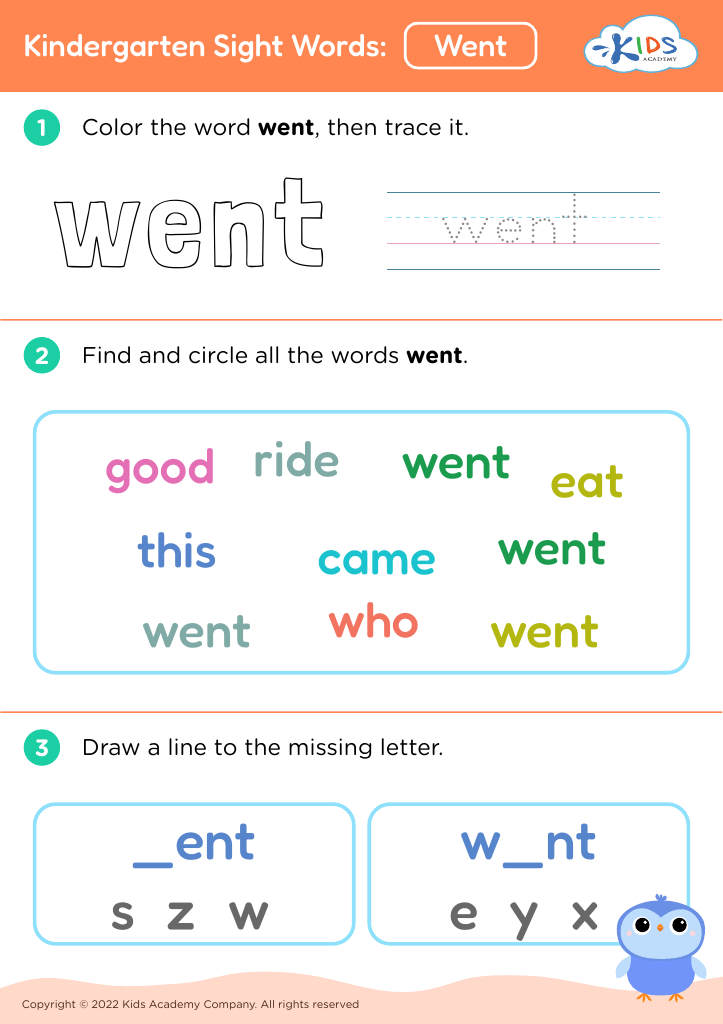











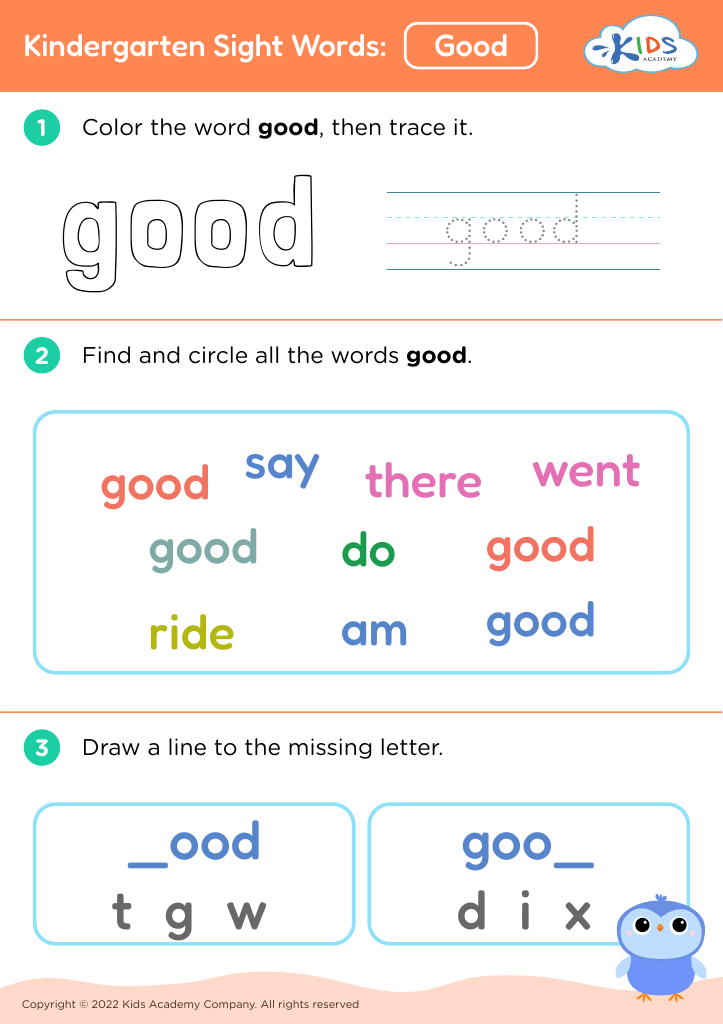
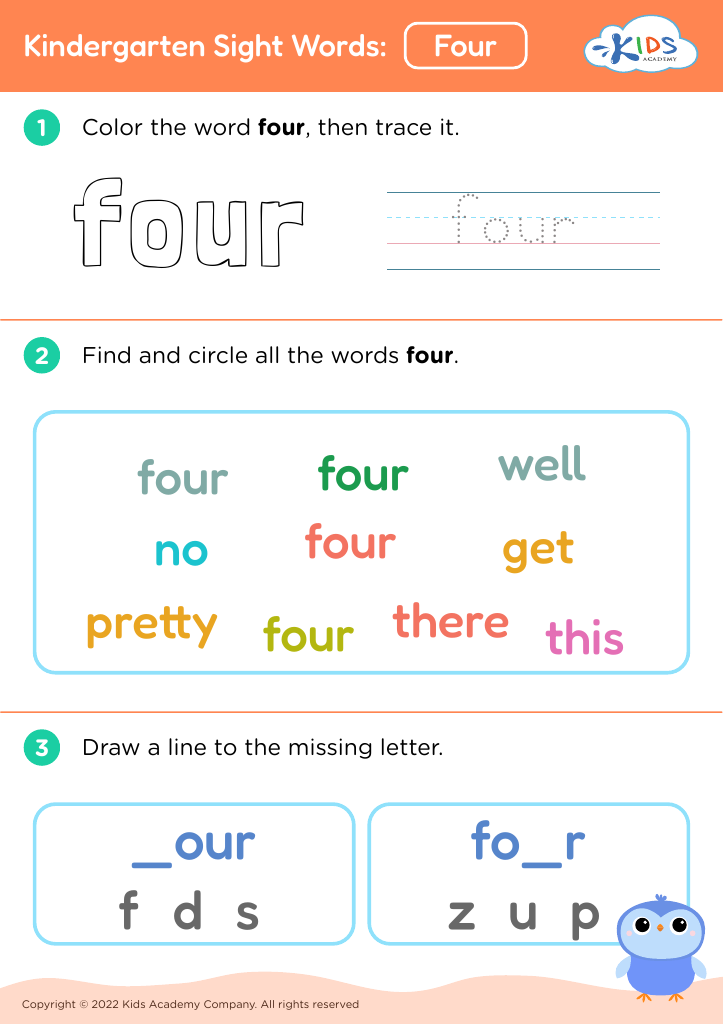








Parents and teachers should value Addition Practice Building Vocabulary for children aged 4-5 because it lays a fundamental cornerstone for future academic success. Early childhood is a critical period for brain development, and engaging in addition practice helps cultivate important cognitive skills like pattern recognition, logical thinking, and problem-solving. Pairing these mathematical concepts with vocabulary development further enriches the learning experience. When young children learn to express mathematical ideas through words, phrases, and sentences, they develop a better understanding of concepts like "sum," "total," "add," and "equals," enhancing their comprehension and communication skills.
Moreover, integrating vocabulary with math exercises can make learning more interactive and enjoyable for young learners, fostering a positive attitude towards both subjects. A child who can articulate their understanding is more likely to engage actively in their learning environment, ask questions, and seek help when needed. This dual focus creates a well-rounded educational foundation that not only prepares children for more complex mathematical challenges but also sets them up for literacy progress. Conclusively, caring about both addition practice and vocabulary building ensures a balanced developmental approach, equipping young children with the tools they need for multifaceted success in school and beyond.








