
Basic Math Skills Building Vocabulary Worksheets for Ages 4-5
7 filtered results
Difficulty Level
Grade
Age
-
From - To
Subject
Activity
Standards
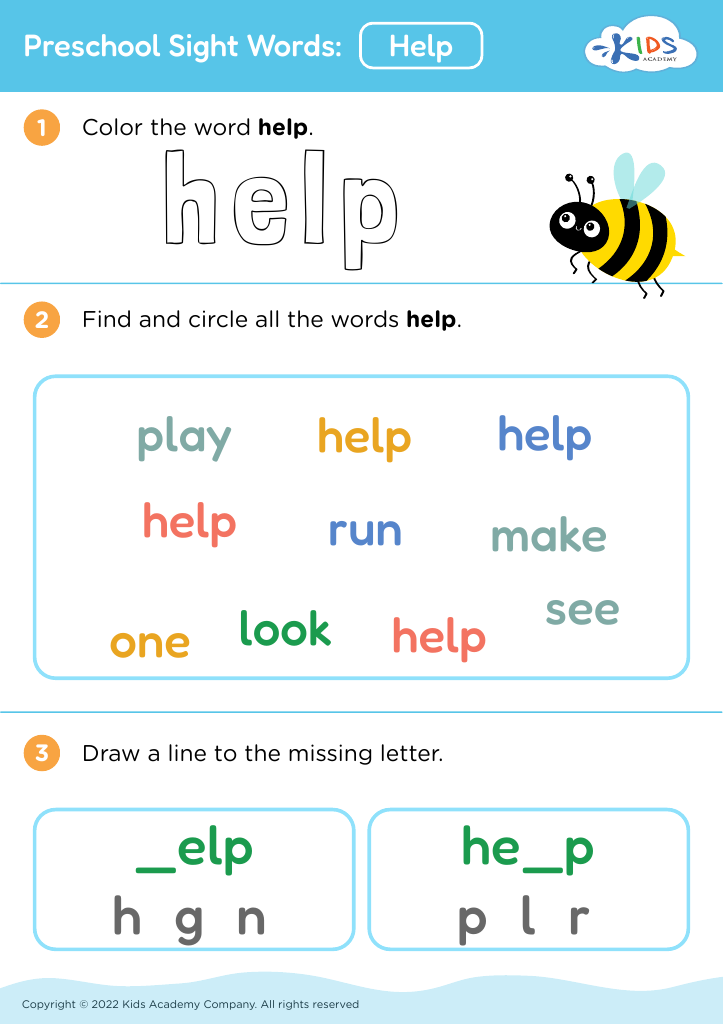
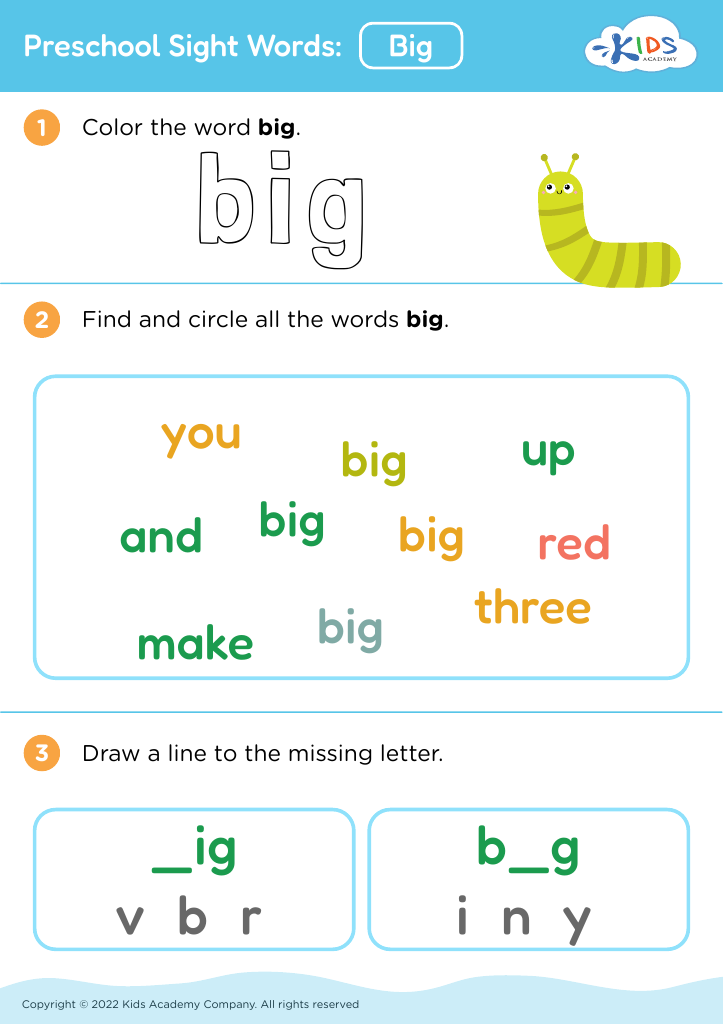
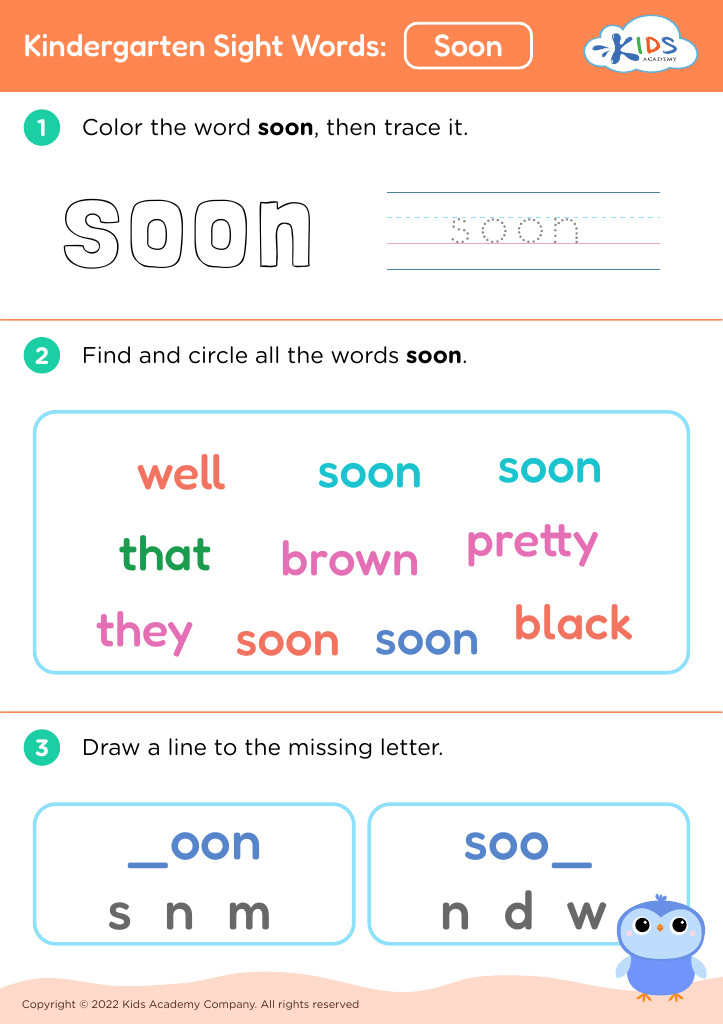
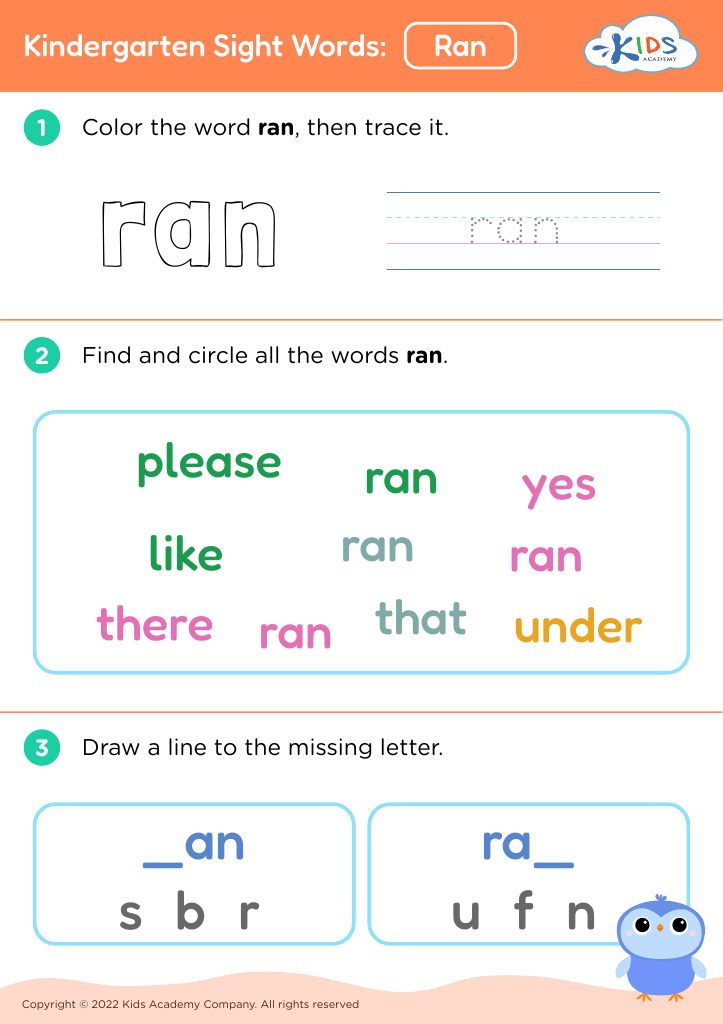
Discover our engaging "Basic Math Skills Building Vocabulary Worksheets" tailored for children aged 4-5! These worksheets are designed to introduce young learners to essential math concepts while enhancing their vocabulary. Through colorful illustrations and interactive activities, children will explore fundamental skills such as counting, shape recognition, and simple addition and subtraction. Our user-friendly format ensures that learning is both enjoyable and effective. These worksheets not only help reinforce math skills but also build confidence as kids grasp new terms and concepts in a fun, playful environment. Perfect for at-home learning or classroom use, these resources are a fantastic way to spark a love for math!
Favorites
With answer key
Interactive











Join Kids Academy for Free
Who is primarily going to use this learning content?








Building a strong mathematical vocabulary for children ages 4-5 is crucial for their early cognitive development. During this formative age, children are not just learning numbers and operations; they are also developing the language skills necessary to describe mathematical concepts. By introducing terms like “addition,” “subtraction,” “more,” “less,” “big,” “small,” and “equal,” parents and teachers help children create a solid foundation for future math learning.
A robust math vocabulary allows young learners to articulate their thoughts and understanding, engage in discussions about problem-solving, and develop confidence in their abilities. When children can express mathematical ideas clearly, they are more likely to connect concepts and build deeper comprehension. This language-rich approach not only prepares them for more complex math, but fosters critical thinking skills essential for academic success across all subjects.
Moreover, early vocabulary development in mathematics encourages a positive attitude toward learning, making it a playful and enjoyable experience rather than a daunting task. By focusing on both math skills and vocabulary, educators and parents provide a holistic approach to learning, setting the stage for lifelong math fluency and a positive mindset toward education.








