Comparing Fractions Building Vocabulary Worksheets for Ages 4-5
12 filtered results
-
From - To
Enhance your child's understanding of fractions with our engaging "Comparing Fractions Building Vocabulary Worksheets," specially designed for ages 4-5. These fun and interactive worksheets introduce young learners to the concepts of greater than, less than, and equal to through vibrant illustrations and relatable examples. As children work through these exercises, they will not only build essential math skills but also expand their vocabulary in a creative way. Perfect for both classroom and home use, our worksheets foster a love for learning while helping kids develop critical thinking abilities. Start your child's journey into the world of fractions today!
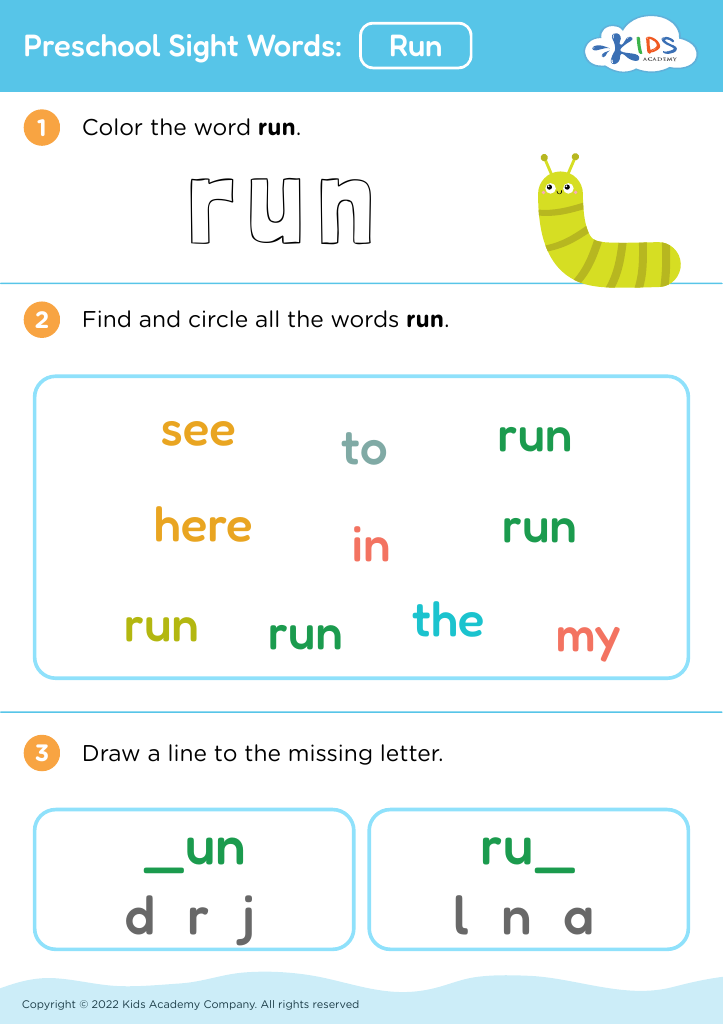











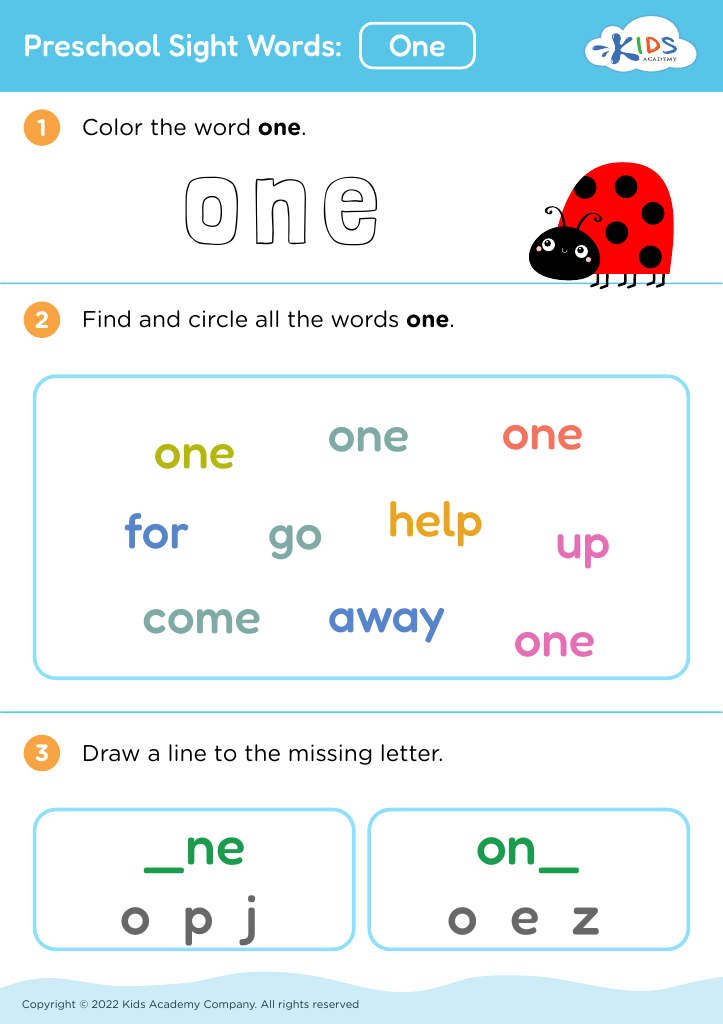
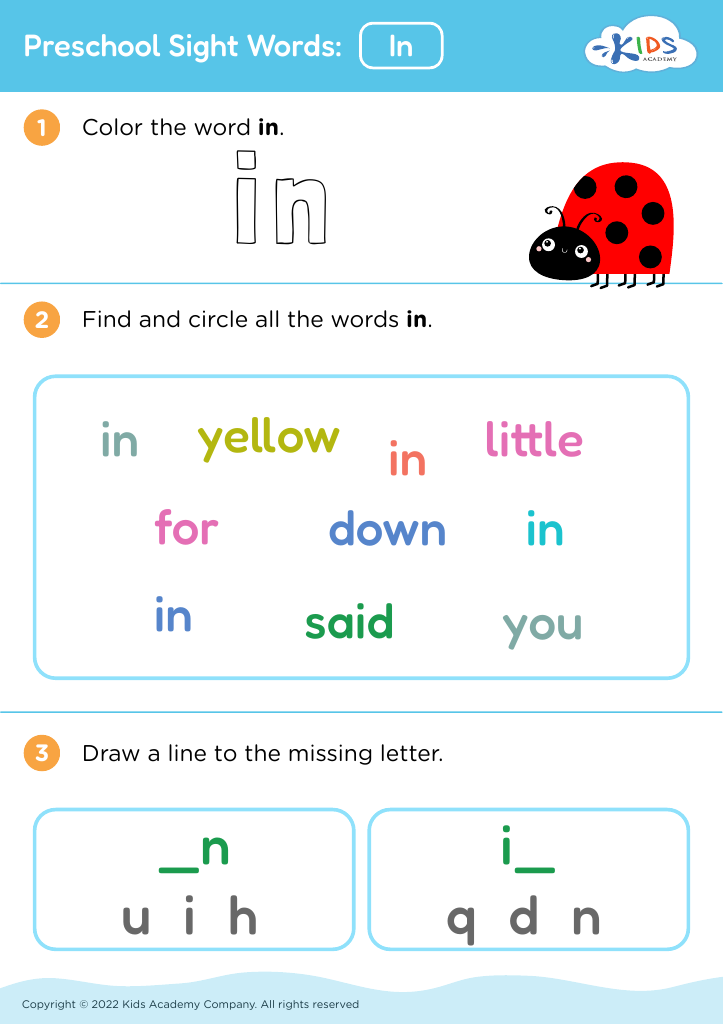
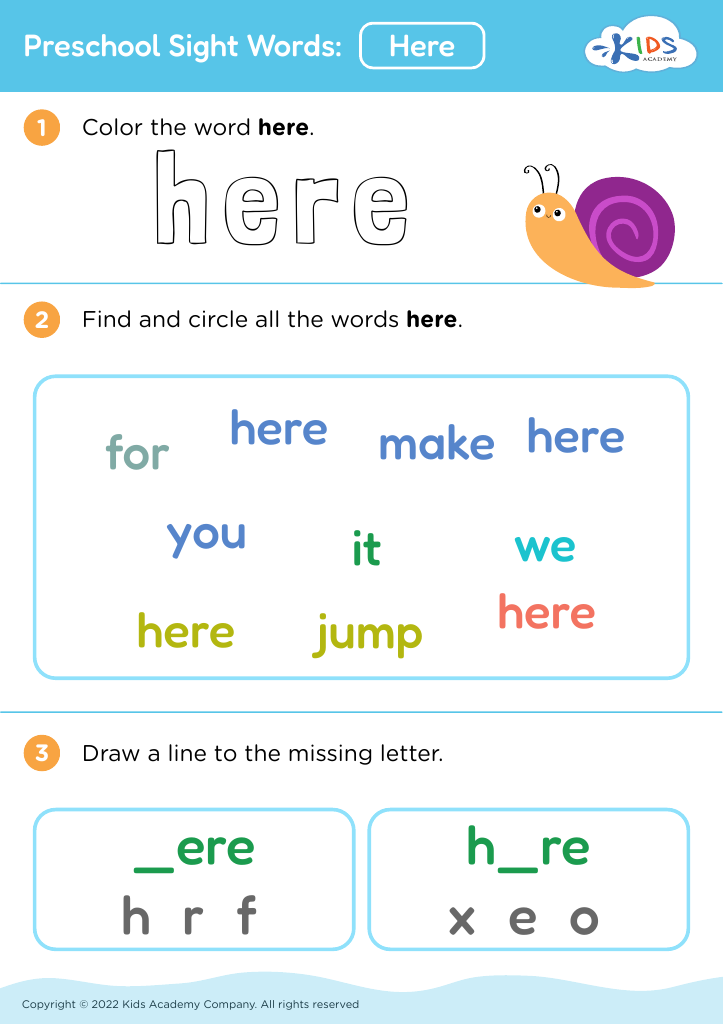
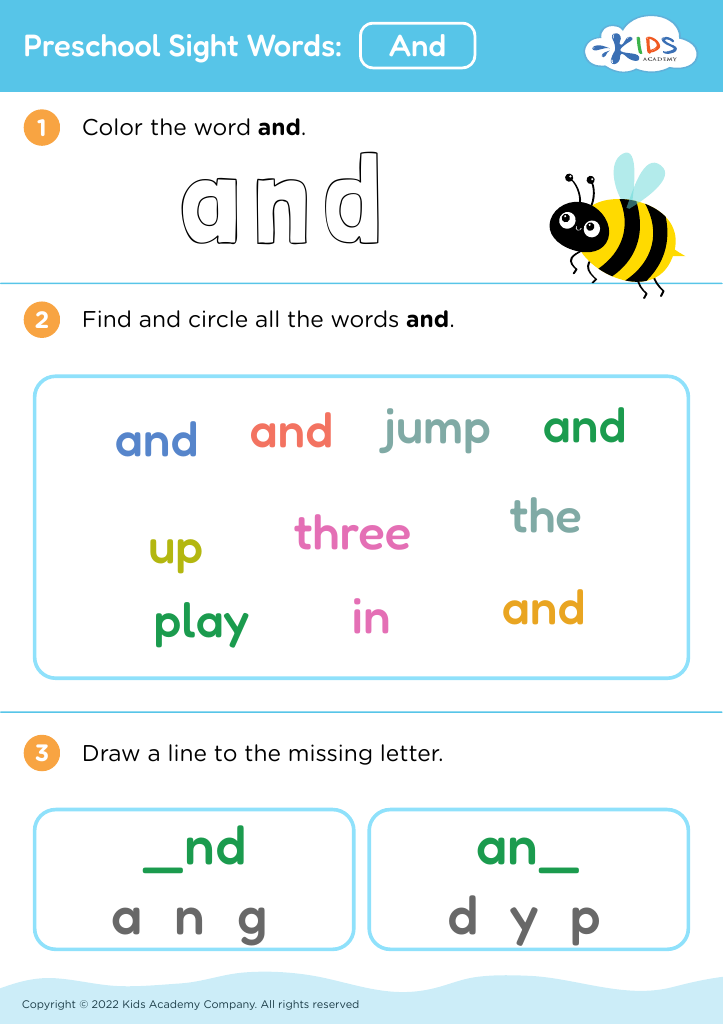
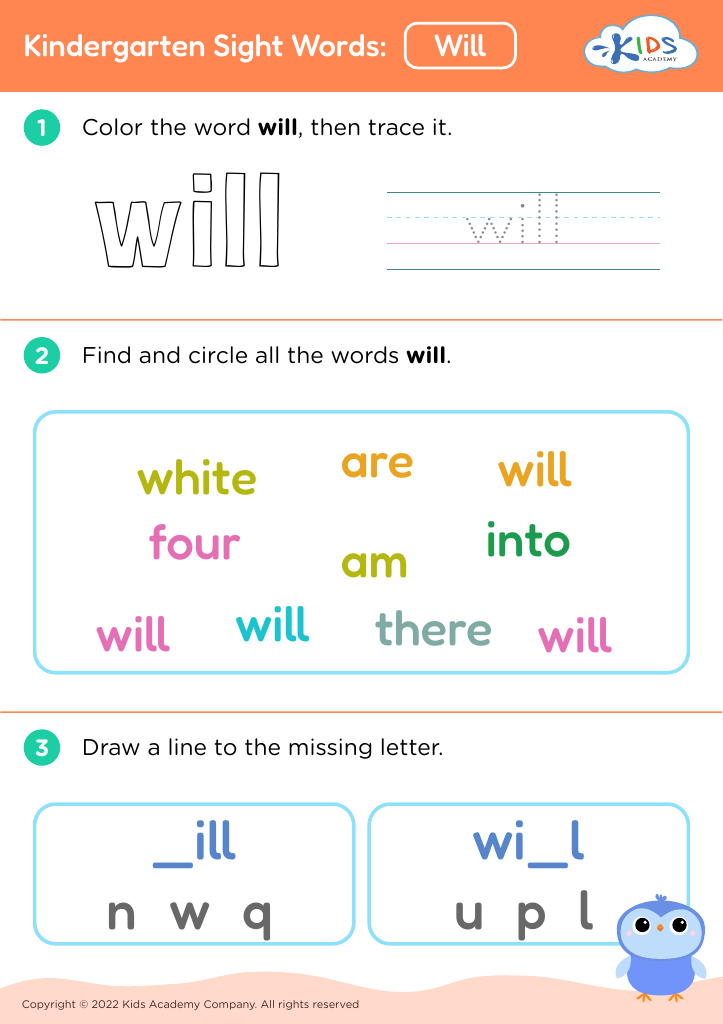
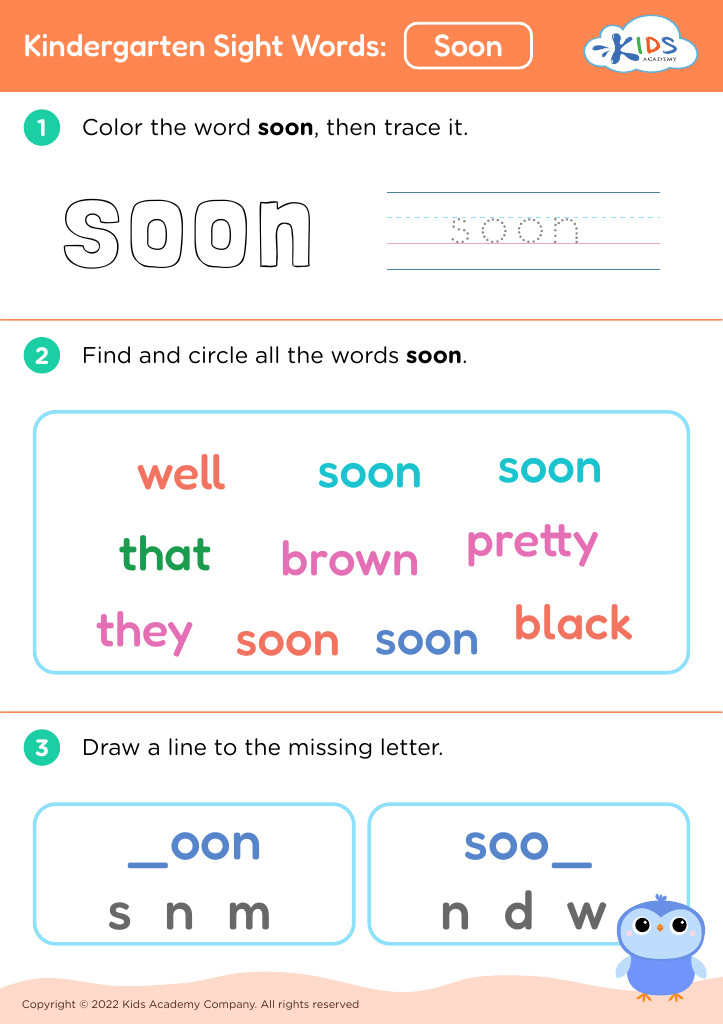
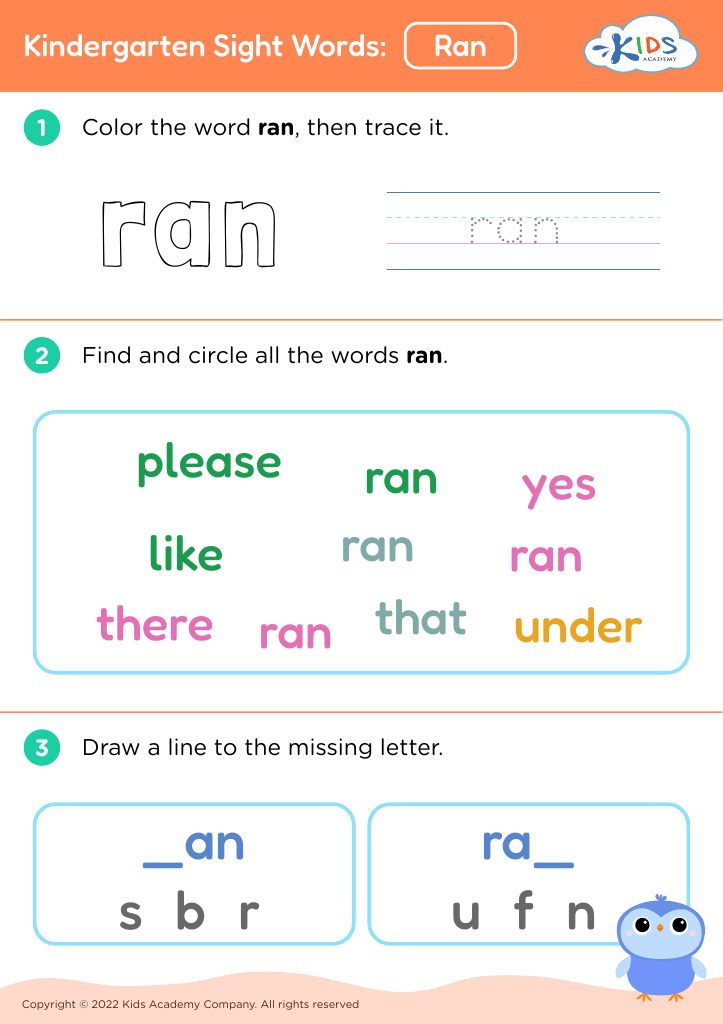
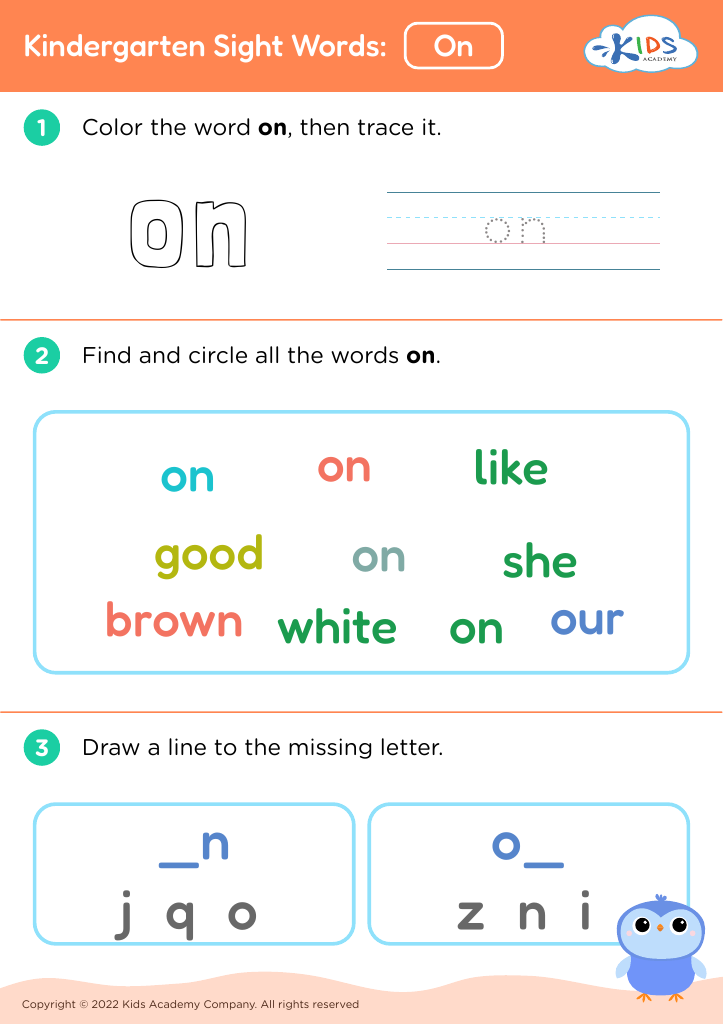
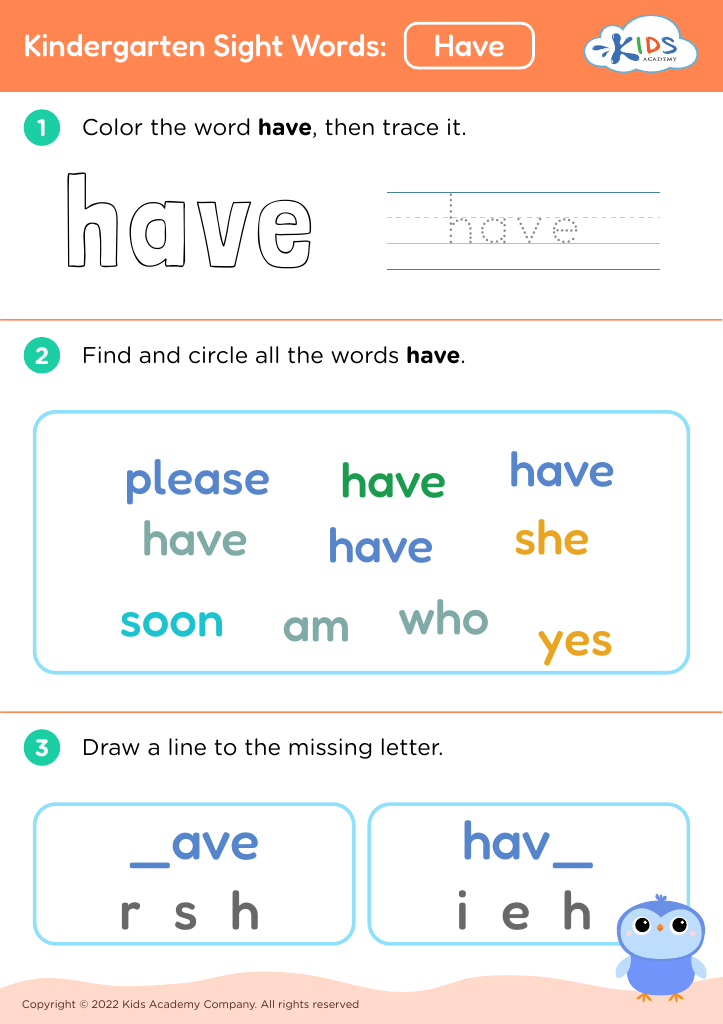
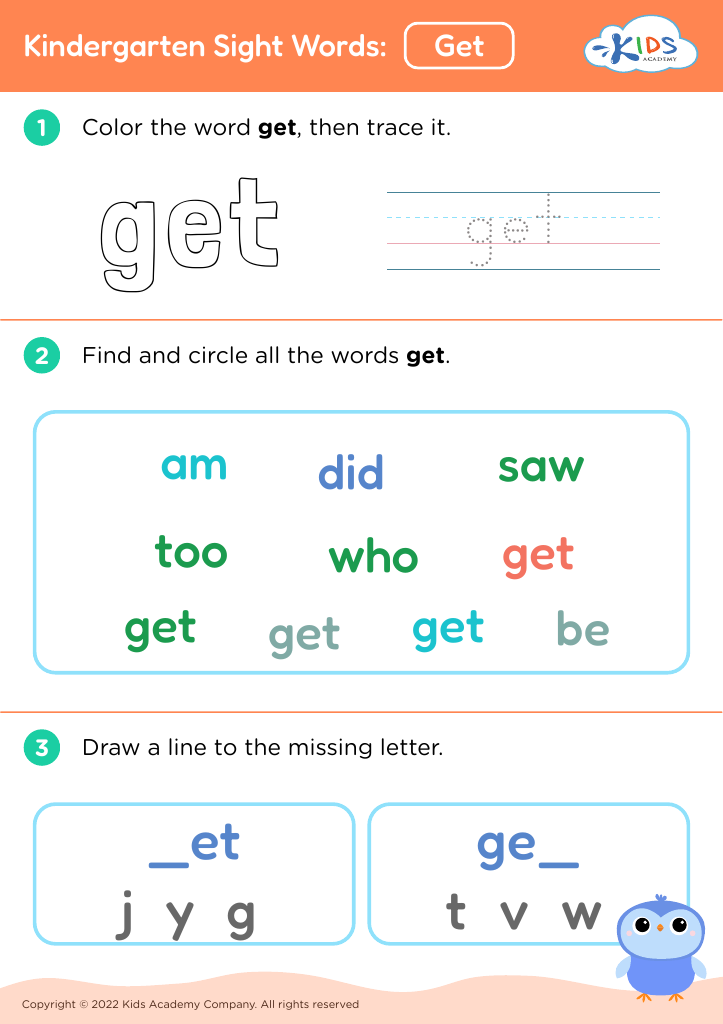
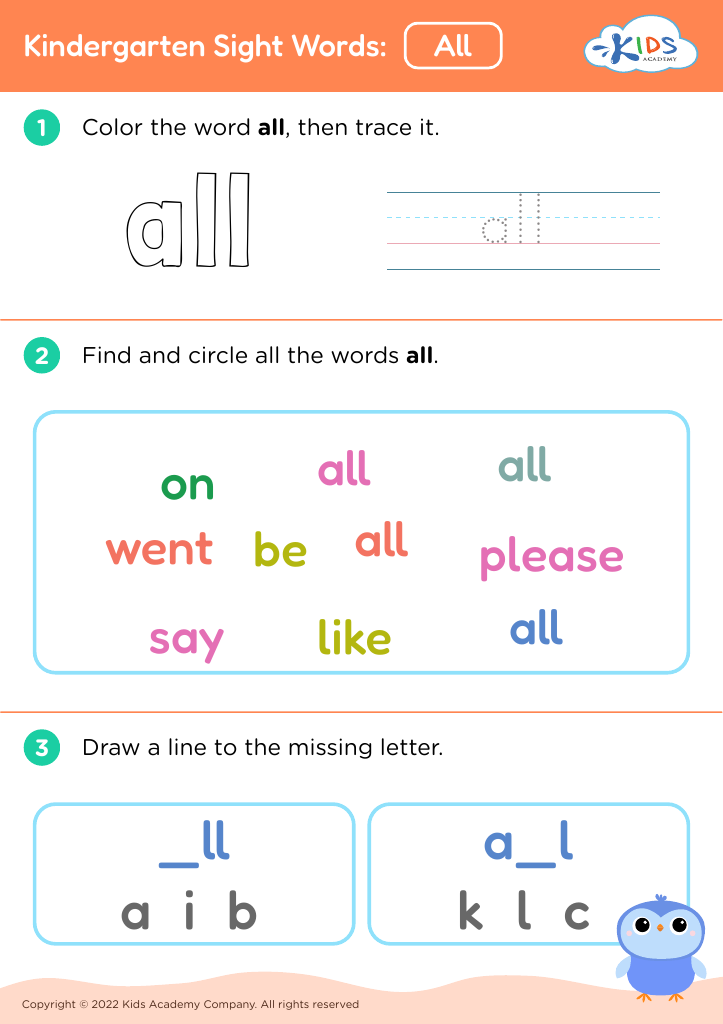


.jpg)





Parents and teachers should prioritize comparing fractions and building vocabulary for children aged 4-5 because these foundational skills are crucial for early mathematical understanding and linguistic development. At this age, children are naturally curious and eager to engage with new concepts; introducing them to comparing fractions can spark that curiosity while making math tangible and relatable. For instance, using visual aids like slices of pizza or pieces of fruit helps children grasp the concept of parts in relation to the whole, fostering a deeper understanding of quantities.
Building vocabulary associated with fractions—terms like "half," "third," or "greater than"—is vital as it enriches their language skills and prepares them for more complex mathematical reasoning in the future. This early exposure encourages children to communicate their understanding effectively and enhances their problem-solving abilities.
Moreover, integrating vocabulary building into fraction comparisons boosts cognitive development, improving critical thinking and analytical skills at an essential developmental stage. Ultimately, focusing on comparing fractions and vocabulary enhances children's confidence in both math and language, setting a strong foundation for their future academic success. These skills not only strengthen their learning but also create a lasting appreciation for mathematics as an enjoyable and meaningful part of their lives.








