Counting practice Building Vocabulary Worksheets for Ages 4-5
3 filtered results
-
From - To
Enhance your child's learning journey with our "Counting Practice Building Vocabulary Worksheets" designed for ages 4-5. These interactive worksheets combine essential counting skills with vocabulary development, making learning both fun and effective. Each worksheet encourages children to practice number recognition and counting while introducing new words and enhancing language skills. Engaging visuals and age-appropriate activities capture young learners’ attention, fostering a love for learning. Ideal for home or classroom use, these worksheets help prepare kids for future academic success. Download now and watch your little ones thrive in their counting and vocabulary skills! Perfect for early education enthusiasts!
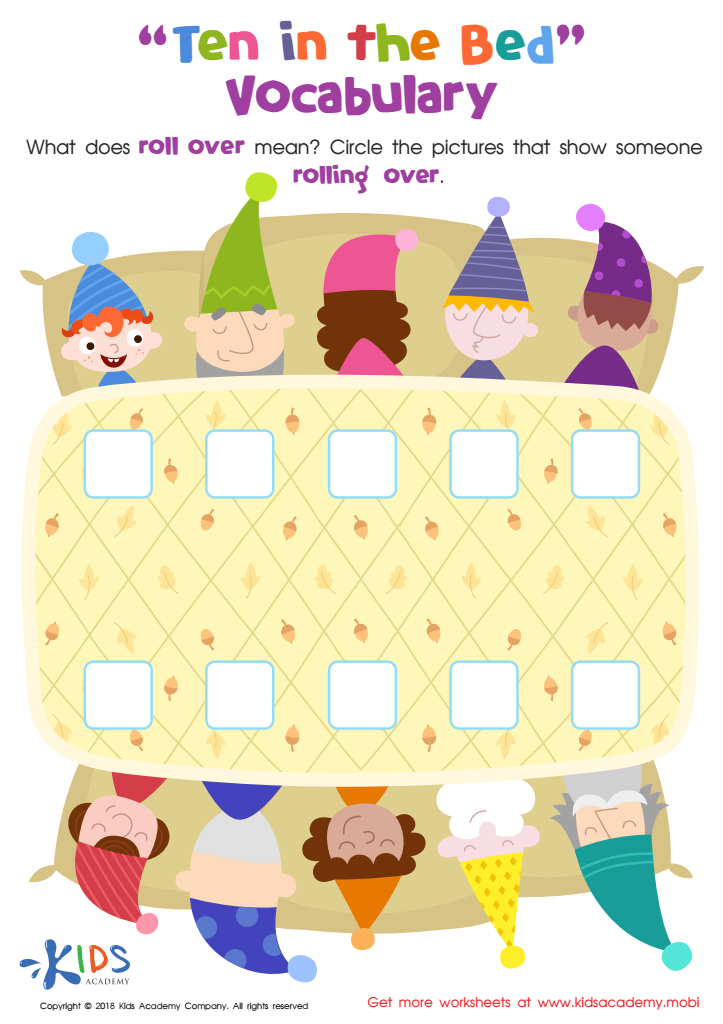
Ten in the Bed: Vocabulary Worksheet
 Assign to My Students











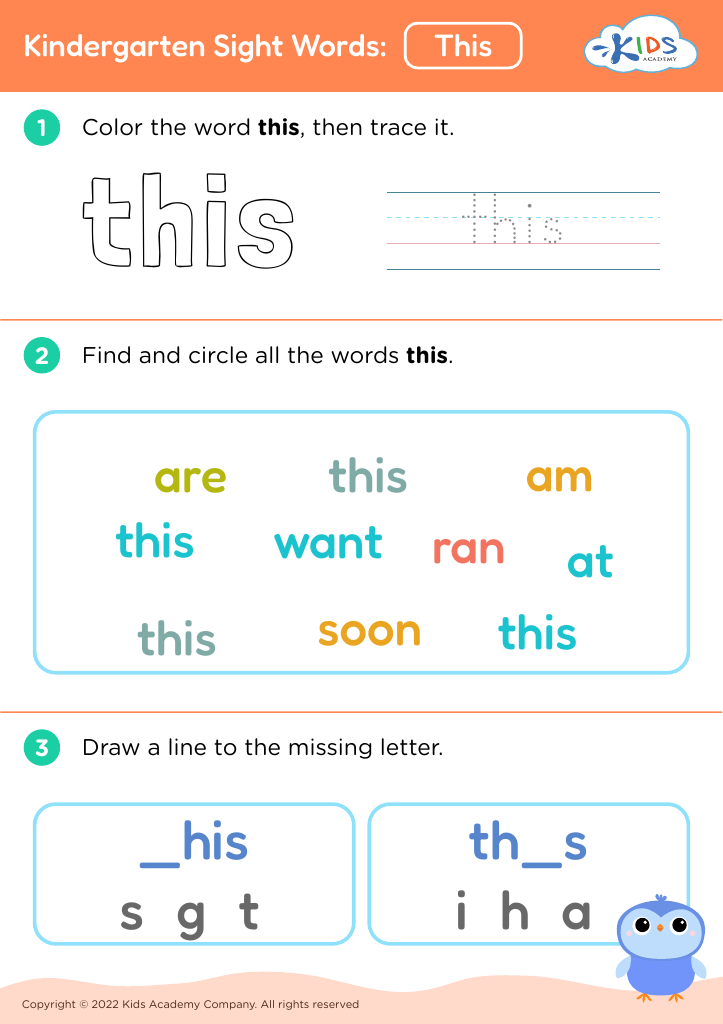
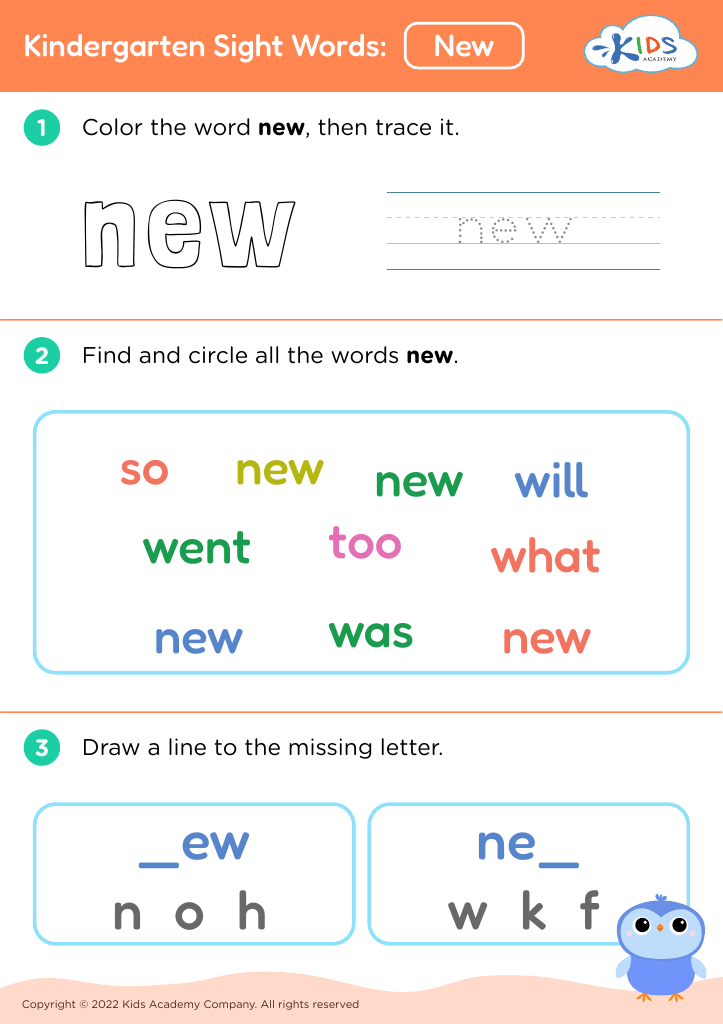



.jpg)




Counting practice and building vocabulary are foundational skills critical for children aged 4-5, as they form the basis for future learning in math and language. For parents and teachers, fostering these skills is essential for several reasons.
Firstly, counting practice lays the groundwork for numerical understanding, which is vital as children begin to tackle basic math concepts. Proficiency in counting helps them grasp essential skills like addition and subtraction, leading to better performance in school.
Moreover, building vocabulary at this age enhances communication skills, enabling children to express thoughts and emotions effectively. A rich vocabulary positively influences their ability to comprehend stories, follow instructions, and engage in discussions, fostering confidence in social interactions.
Additionally, early mastery of these skills supports cognitive development. When children engage in counting activities and vocabulary-building exercises, they improve critical thinking and problem-solving abilities.
Lastly, collaboration between parents and teachers creates a consistent learning environment that reinforces counting and vocabulary skills at home and in school. This partnership can significantly impact children's readiness for future academic challenges and enhances their overall learning experience. By prioritizing these essential practices, we help nurture well-rounded, confident learners prepared for a lifetime of exploration and growth.








