Counting skills Building Vocabulary Worksheets for Ages 4-5
12 filtered results
-
From - To
Boost your child's counting skills and vocabulary with our engaging worksheets designed for ages 4-5. These activities combine numerical learning with language development, making counting both fun and educational. Colorful illustrations and interactive exercises encourage young learners to associate numbers with familiar objects, enhancing comprehension and retention. Ideal for preschool and kindergarten classrooms, these worksheets help your child master essential counting concepts while expanding their vocabulary. Give your little ones a strong foundation in math and language through playful and creative learning techniques. Download our Counting Skills Building Vocabulary Worksheets today and watch your child's skills flourish!
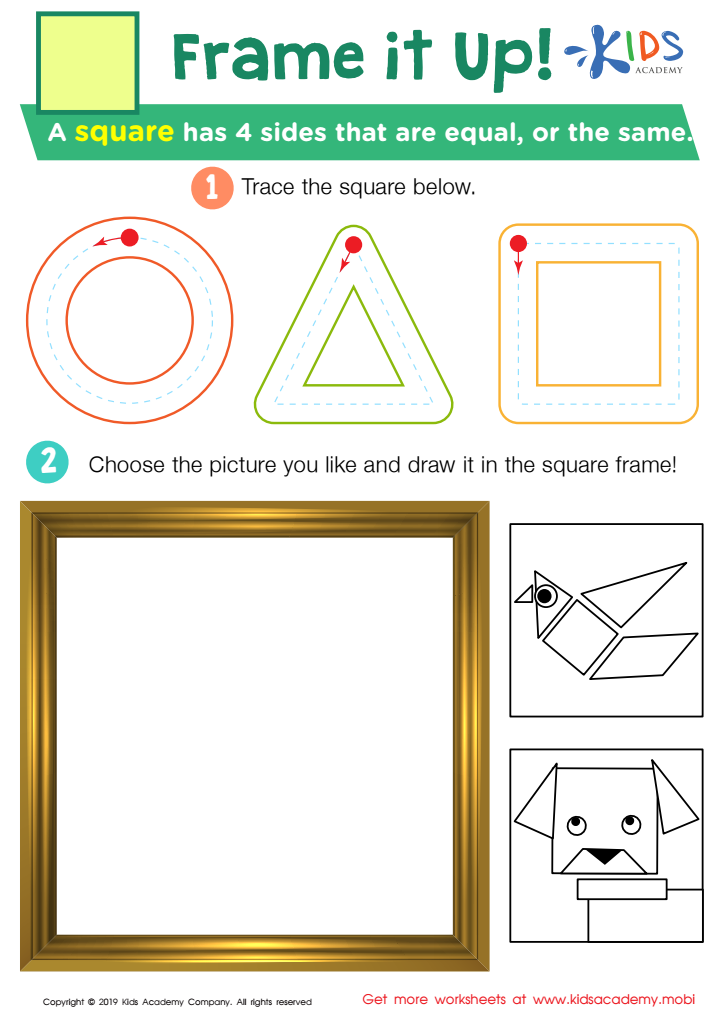
Frame it Up Worksheet
 Assign to My Students











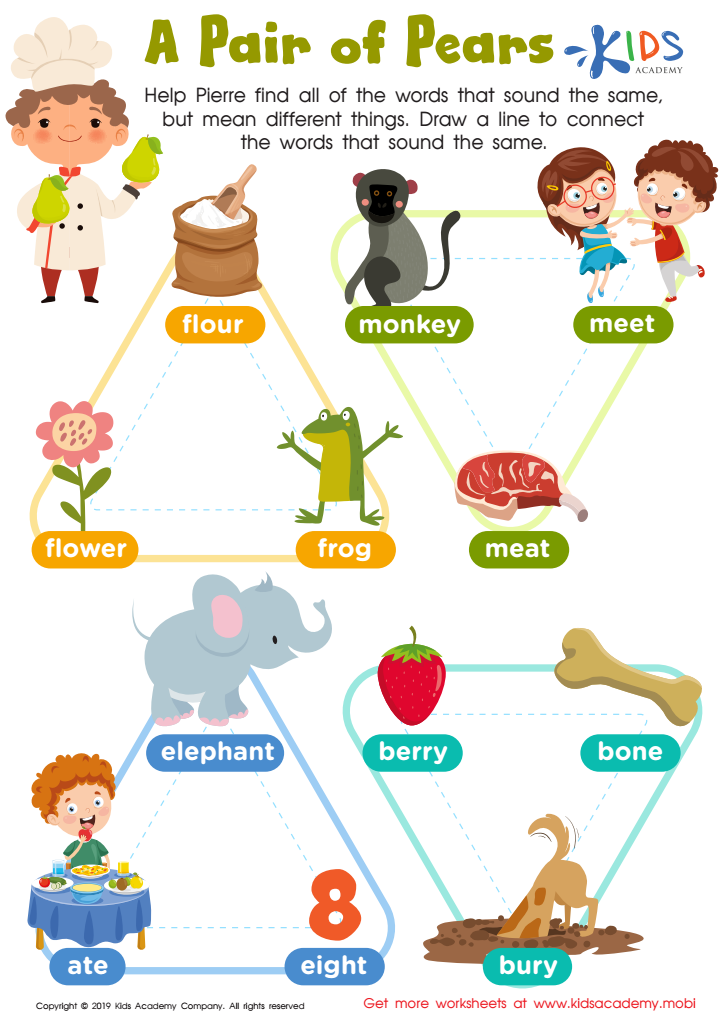
Pair Pears Worksheet
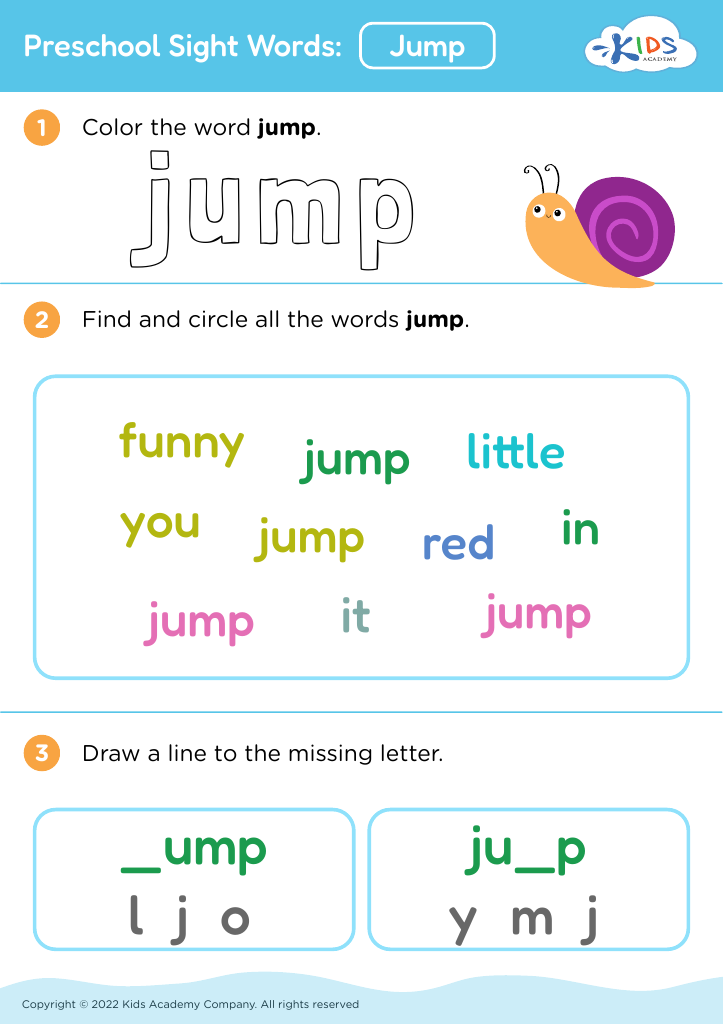
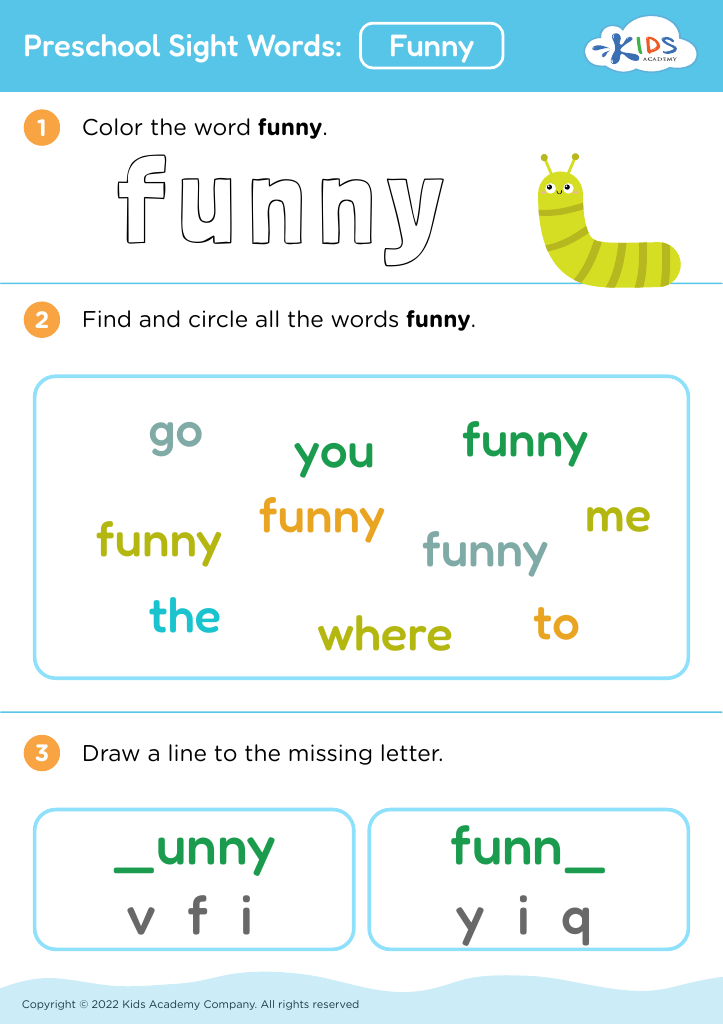
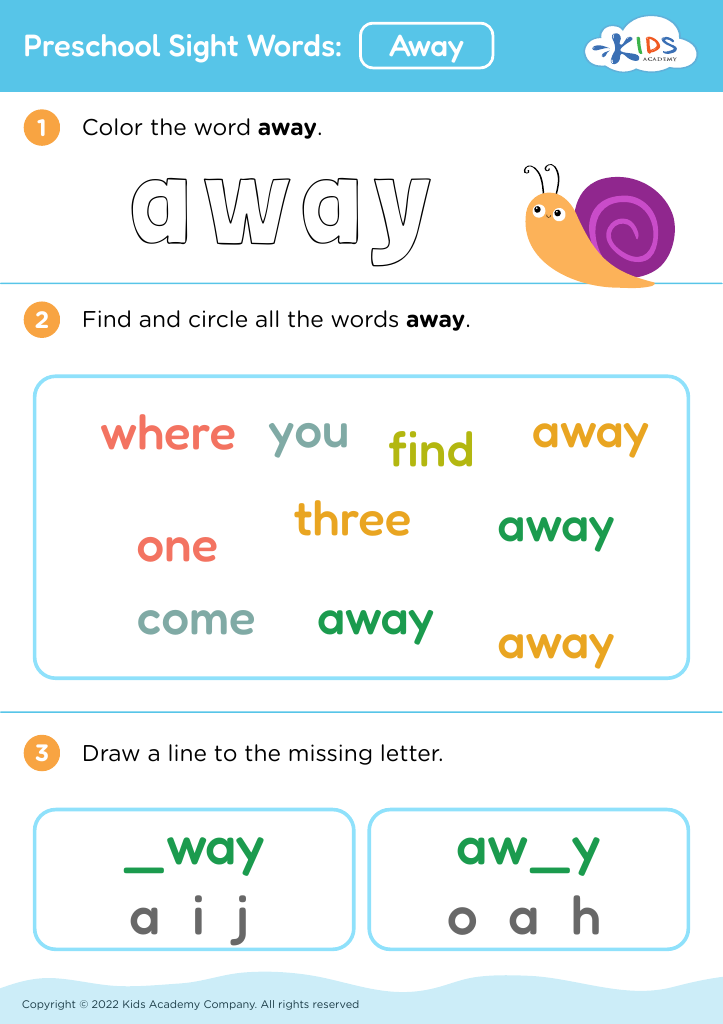
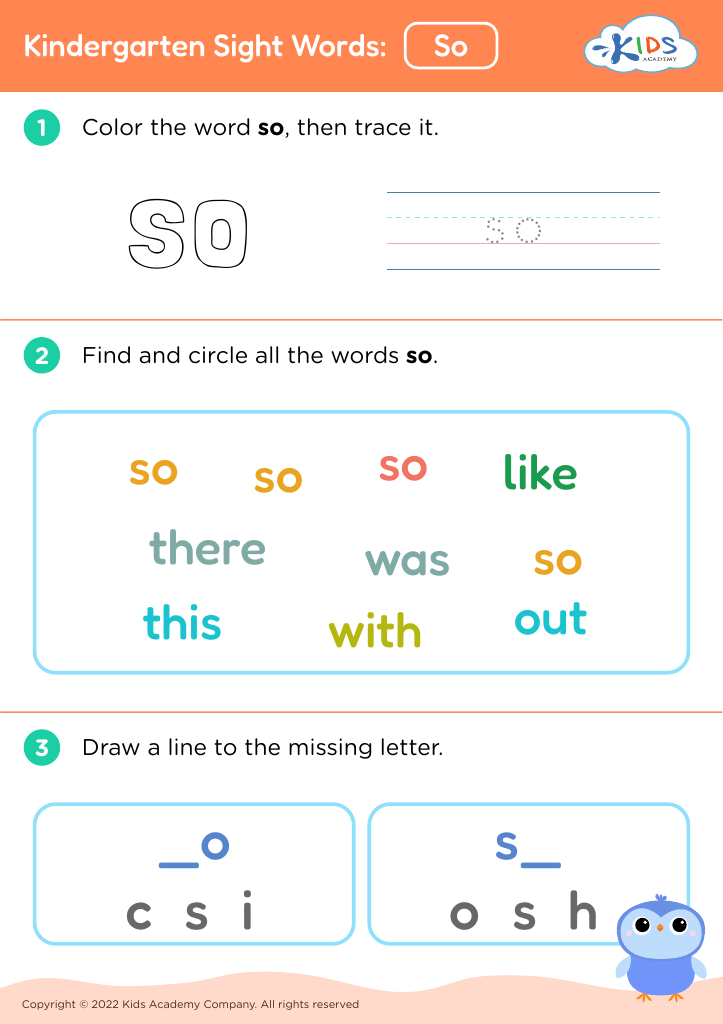
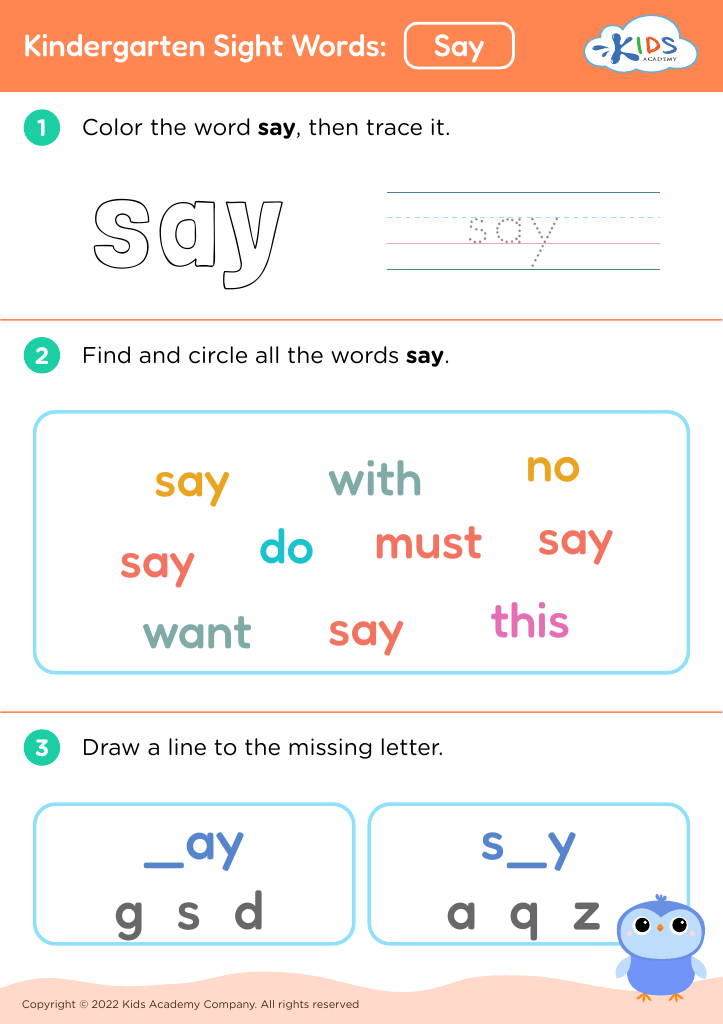
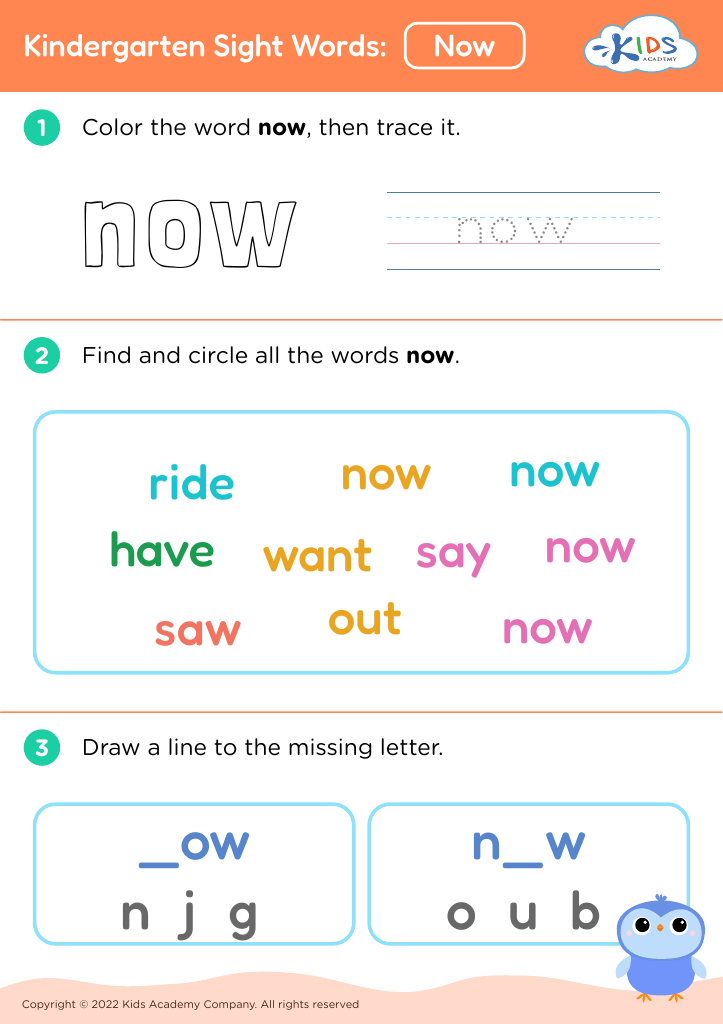
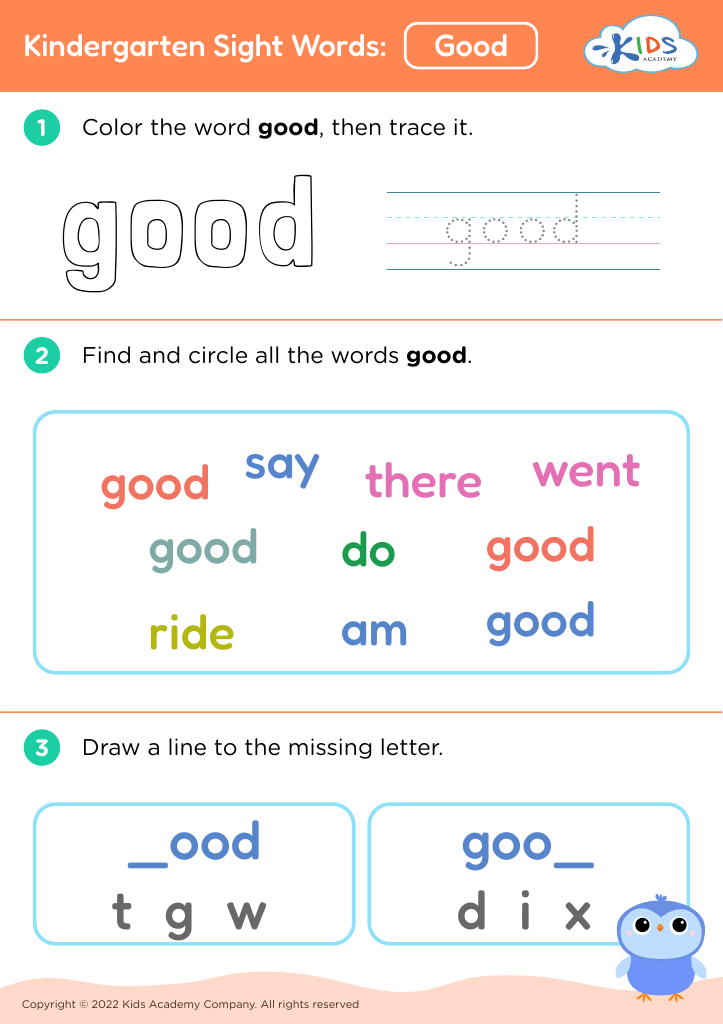
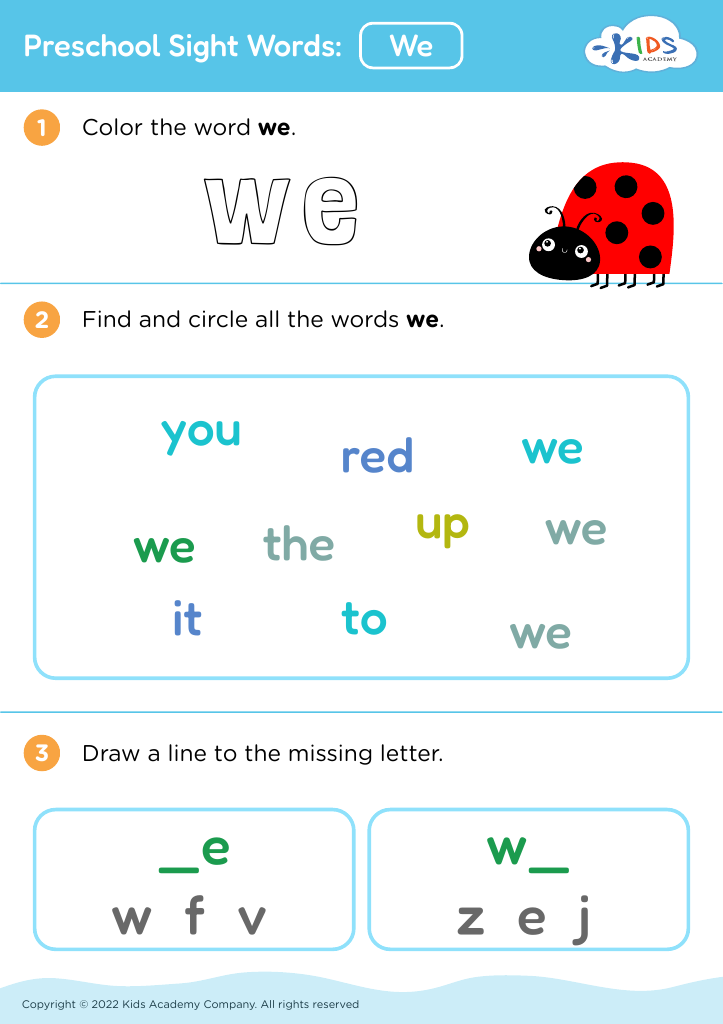








Counting skills and vocabulary building are foundational components of early childhood education that significantly impact a child's cognitive and social development. For ages 4-5, children are like sponges, eager to absorb new concepts, and focusing on these skills can pave the way for their future learning.
Counting skills not only teach children the basics of numbers but also enhance their problem-solving abilities, critical thinking, and logical reasoning. Early exposure to counting gives them a head start in math, an essential subject in school and everyday life.
Similarly, building vocabulary at this age enriches children's language development, enabling them to express their thoughts and feelings more effectively. A strong vocabulary is linked to better reading comprehension and communication skills. Engaging children in conversations, reading aloud, and encouraging them to describe their experiences can significantly enhance their linguistic abilities.
When parents and teachers prioritize counting and vocabulary skills, they foster a well-rounded foundation that supports academic success and personal growth. In essence, nurturing these skills not only benefits children's current learning but also equips them with the tools they need for effective communication, critical thinking, and social interaction throughout their lives.








