Filters

10 filtered results

Clear all filters
Favorites
With answer key
Interactive

10 filtered results

Difficulty Level

Grade


Boost your child's critical thinking skills with our engaging vocabulary worksheets designed for ages 4-5! These worksheets encourage young learners to explore words, improve comprehension, and enhance their cognitive abilities through fun activities. Each worksheet features captivating illustrations and prompts that stimulate curiosity and promote problem-solving. As children tackle vocabulary challenges, they develop essential skills that lay the foundation for future learning. Whether at home or in the classroom, these resources offer an enjoyable way for kids to strengthen their language skills while thinking critically. Perfect for young learners, our worksheets are crafted to support developmental growth through interactive learning experiences.

Check out this FREE Trial Lesson on Building Vocabulary for age 4-5!

Spell simple words phonetically

Favorites
With answer key
Interactive
  • 4-5
  • Critical Thinking
  • Building Vocabulary
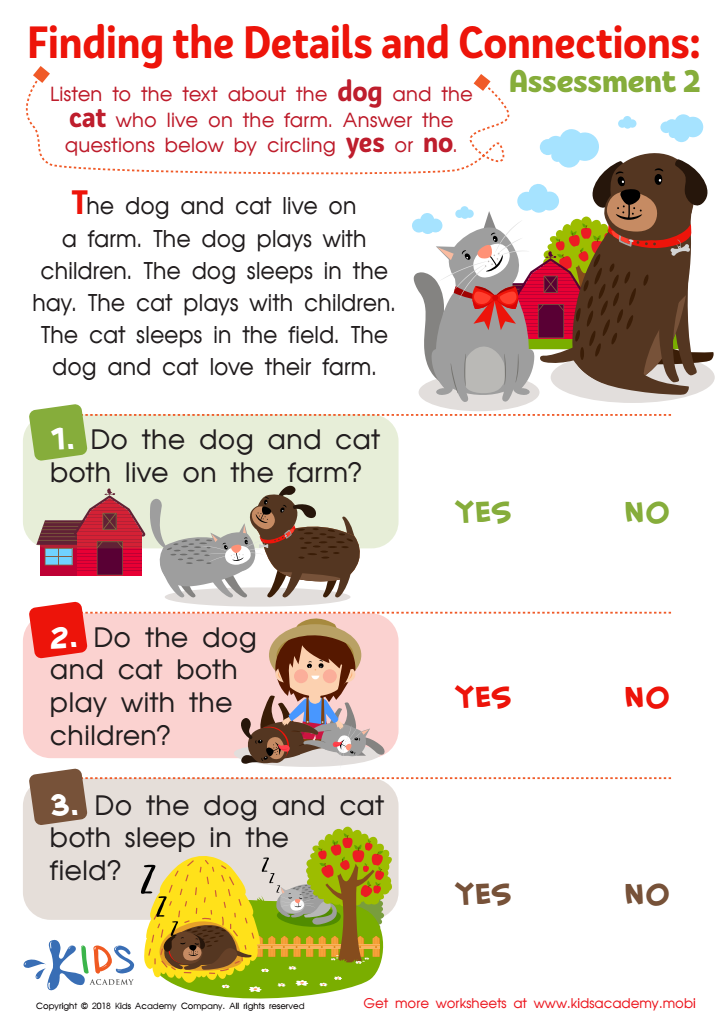
Finding the Details and Connections: Assessment 2 Worksheet

Finding the Details and Connections: Assessment 2 Worksheet

Does your child love animals? If you have pets, they'll relate to the text in this worksheet. Read it aloud to them and help them answer the simple questions by circling yes or no. The story is about a dog and cat living on a farm. Let your child read it aloud to you if they can.
Finding the Details and Connections: Assessment 2 Worksheet
Worksheet
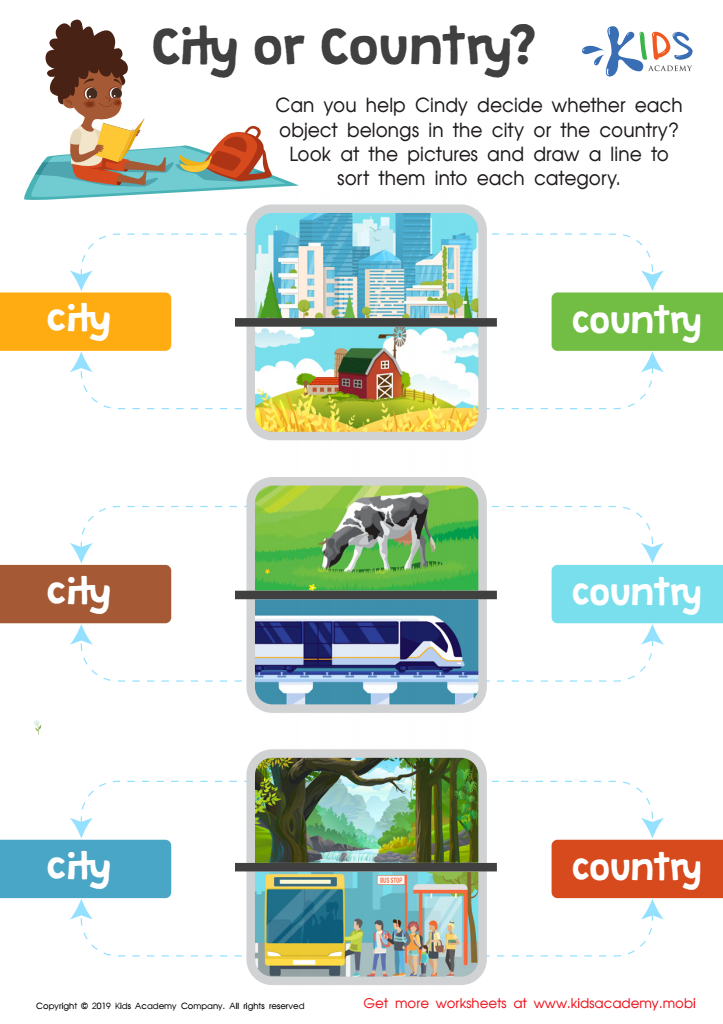
City or Country? Worksheet

City or Country? Worksheet

Whether city or country, both have distinct attributes. Cities have skyscrapers, public transport, and many business people, whereas the countryside is rural and full of nature, often farms. Download this PDF to help your child and Cindy use traced lines to decide which picture fits city or country.
City or Country? Worksheet
Worksheet
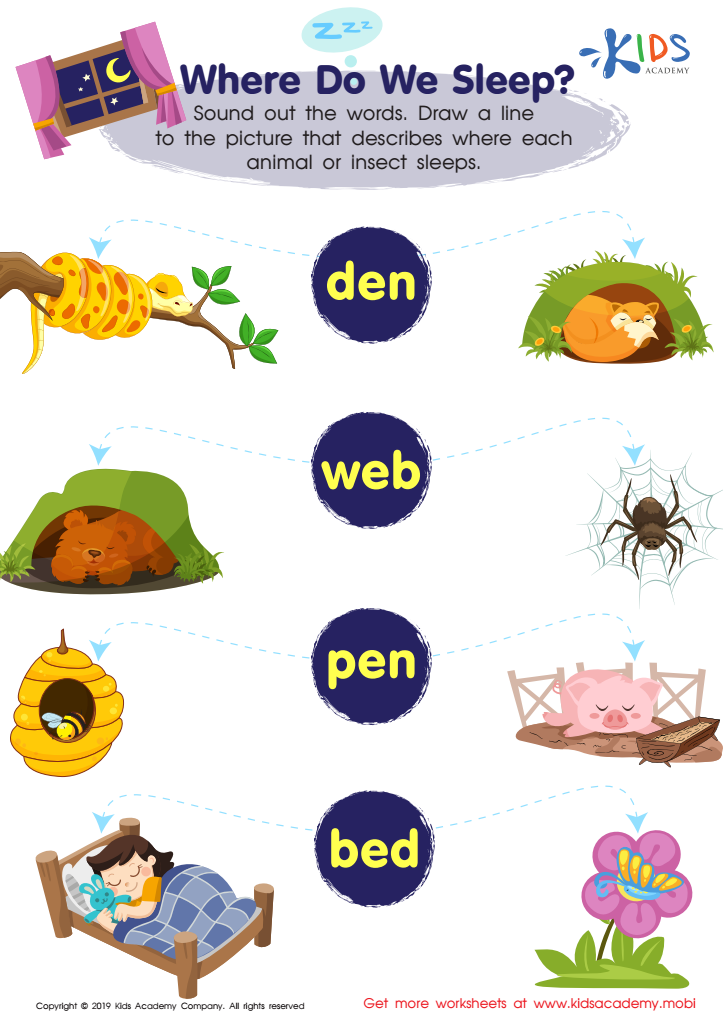
Where Do We Sleep Worksheet

Where Do We Sleep Worksheet

Help your kids understand the importance of a safe space with this activity: Ask them to draw a line connecting the different animals and insects to the words that describe where they sleep. Remind them that everyone needs a sanctuary to rest – like the animals and insects in this printout.
Where Do We Sleep Worksheet
Worksheet
=
=

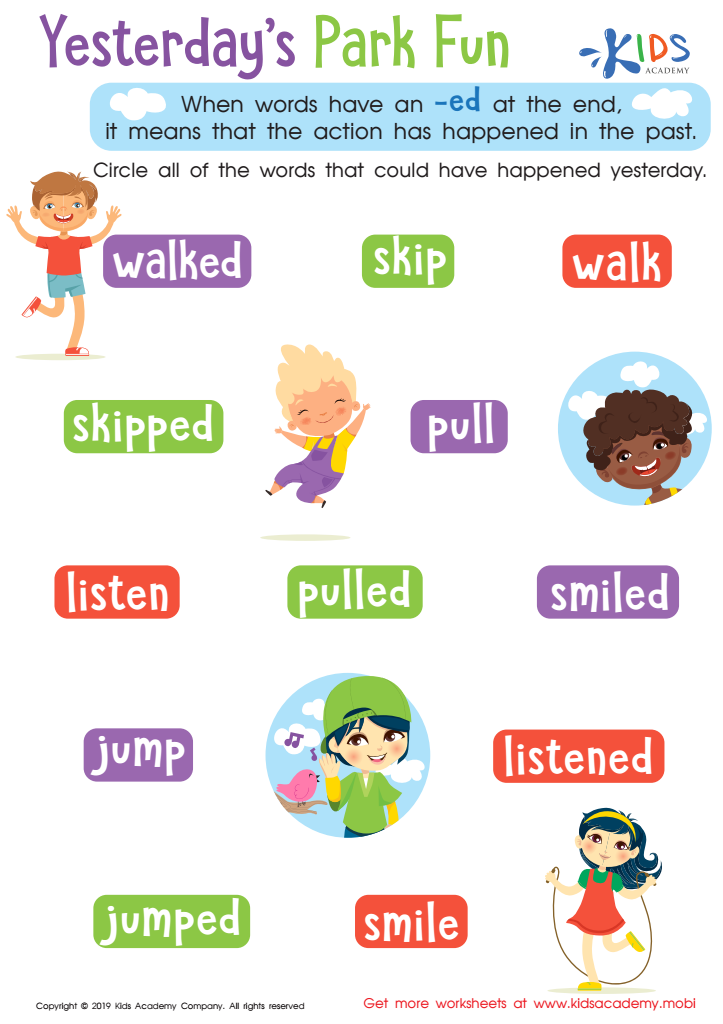
Yesterday's Park Fun Worksheet

Add -ed to the end of words and you get a word that happened in the past. This PDF helps your child understand this concept by giving practice examples: walk, pull, jump and smile can all be transformed into the past tense with a -ed suffix. They'll circle all the words that happened yesterday and learn about the past tense.
Yesterday's Park Fun Worksheet
Worksheet
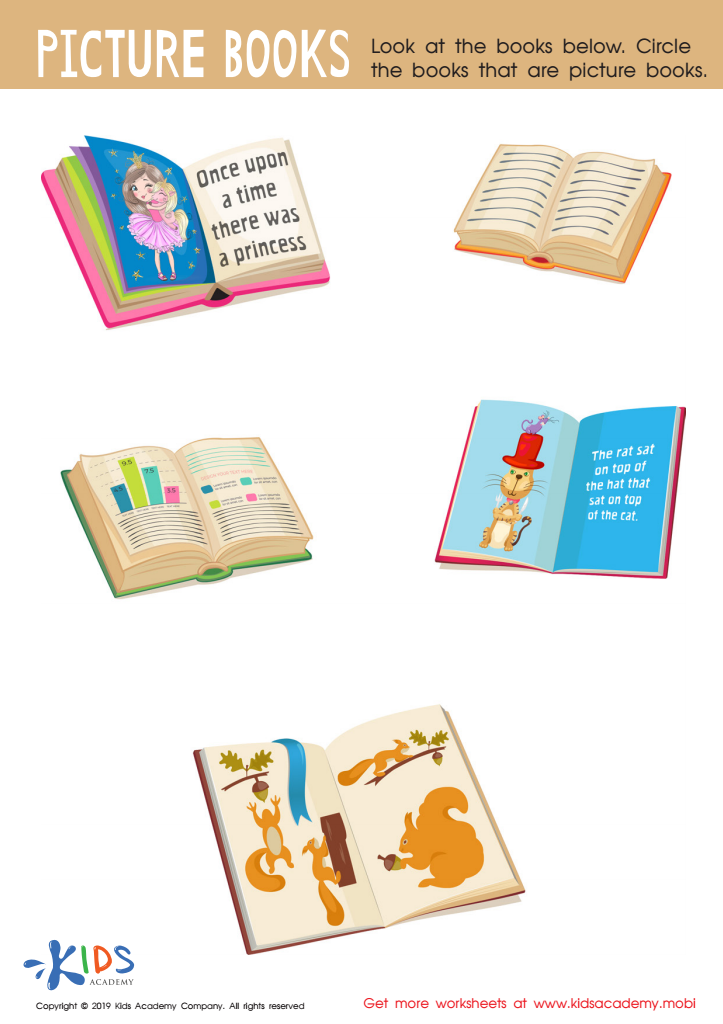
Picture Books Worksheet

Picture Books Worksheet

Kids will love this exercise! Get their imaginations going with five colorful picture books. Ask them to circle the books that are picture books and have them enjoy the exciting stories, along with the colorful images. Reading can become that much more enjoyable!
Picture Books Worksheet
Worksheet
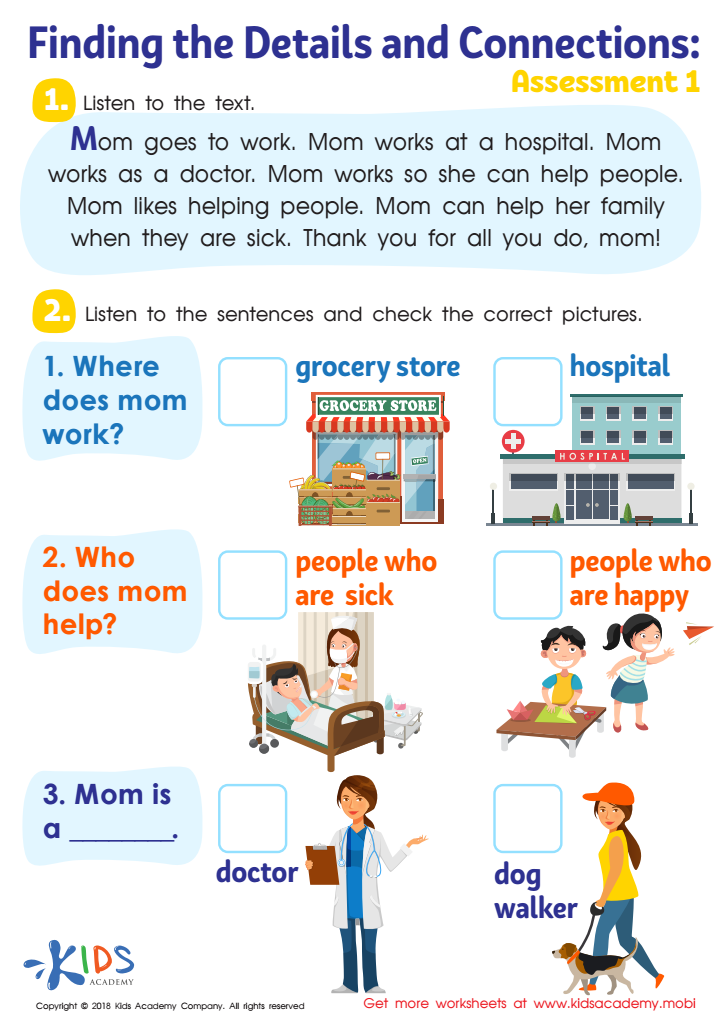
Finding the Details and Connections: Assessment 1 Worksheet

Finding the Details and Connections: Assessment 1 Worksheet

Ask your students what their parents do for a job. Do they know what profession their mom is in and where she works? Professionals have places they go to do their job. In this task, Mom goes to a hospital and is a doctor. Read the text and help them check the right pictures.
Finding the Details and Connections: Assessment 1 Worksheet
Worksheet
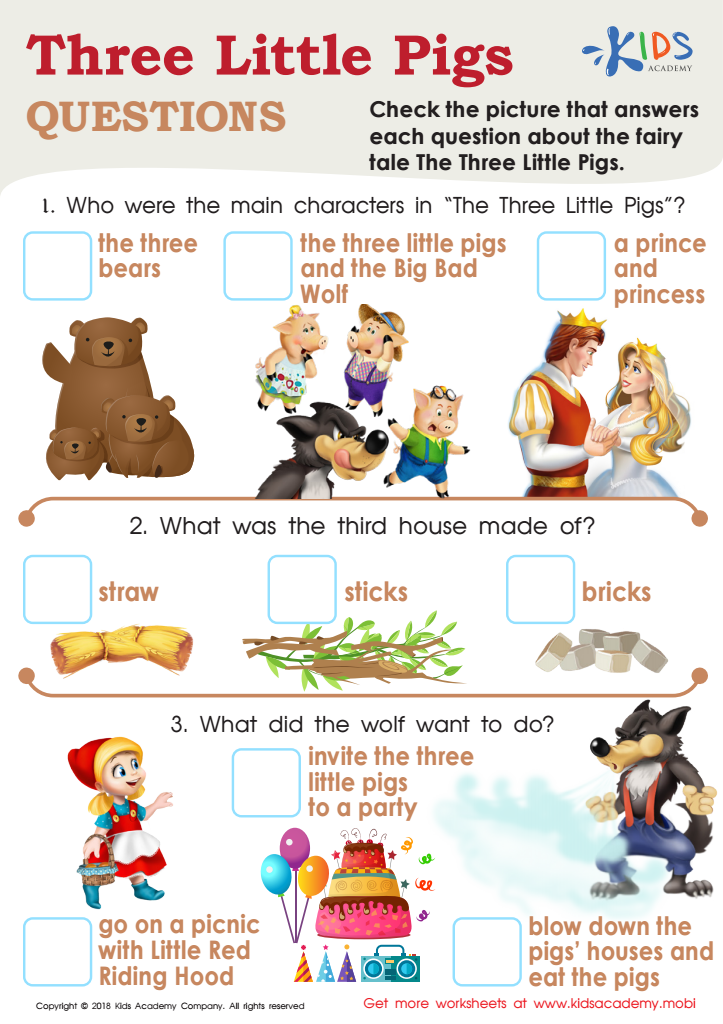
Three Little Pigs Questions Worksheet

Three Little Pigs Questions Worksheet

Does your kid love bedtime stories? Test their classic fairytale knowledge with this worksheet! If they mention The Three Little Pigs, they're in luck - this pdf has them answering questions based off the classic fairytale. They'll check the picture that answers each question about the story. Is their fairytale knowledge up to scratch?
Three Little Pigs Questions Worksheet
Worksheet
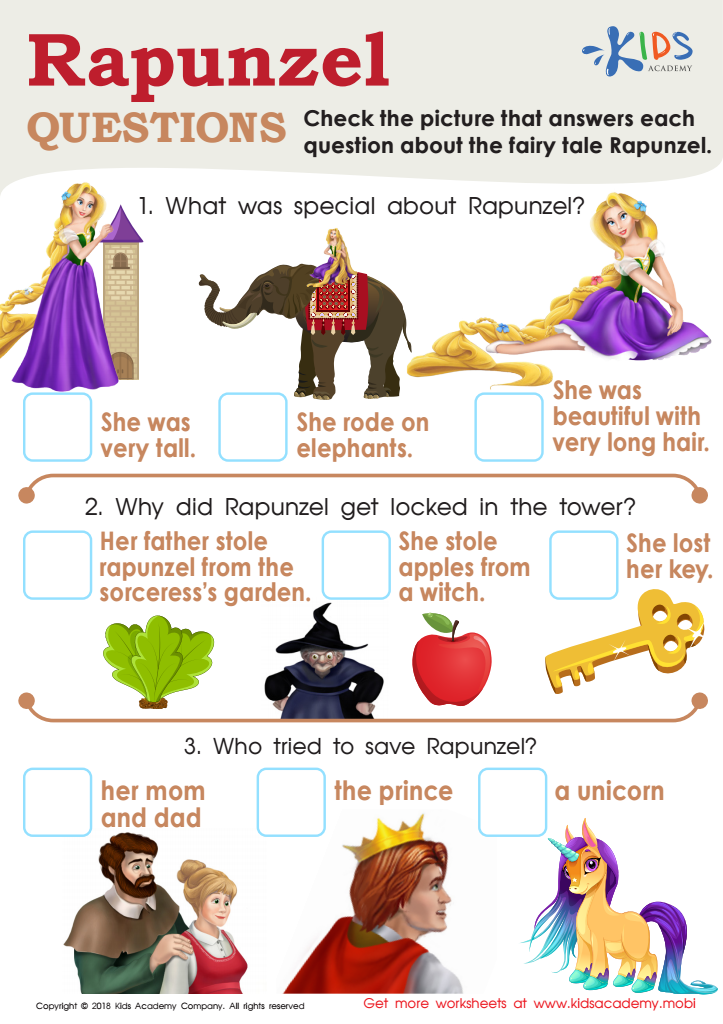
Rapunzel Questions Worksheet

Rapunzel Questions Worksheet

Read the fairy tale 'Rapunzel' to your kids. For those who really enjoyed it, read it twice and ask questions to test their understanding. Then, get them to check the pictures related to the questions to test their comprehension of the story.
Rapunzel Questions Worksheet
Worksheet
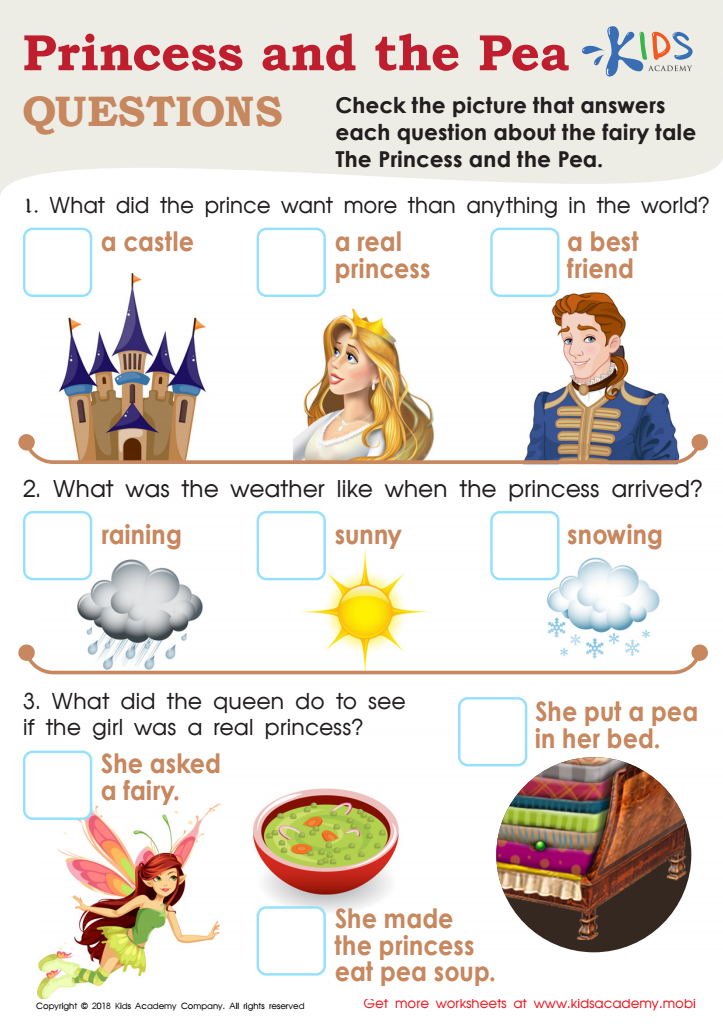
Princess and the Pea Questions Worksheet

Princess and the Pea Questions Worksheet

Your kid knows The Princess and the Pea inside-out? Test their knowledge with this worksheet. Ask your little one to read the questions and match each one to the picture. It's a fun way to see just how much attention they've paid to their bedtime story.
Princess and the Pea Questions Worksheet

Worksheet
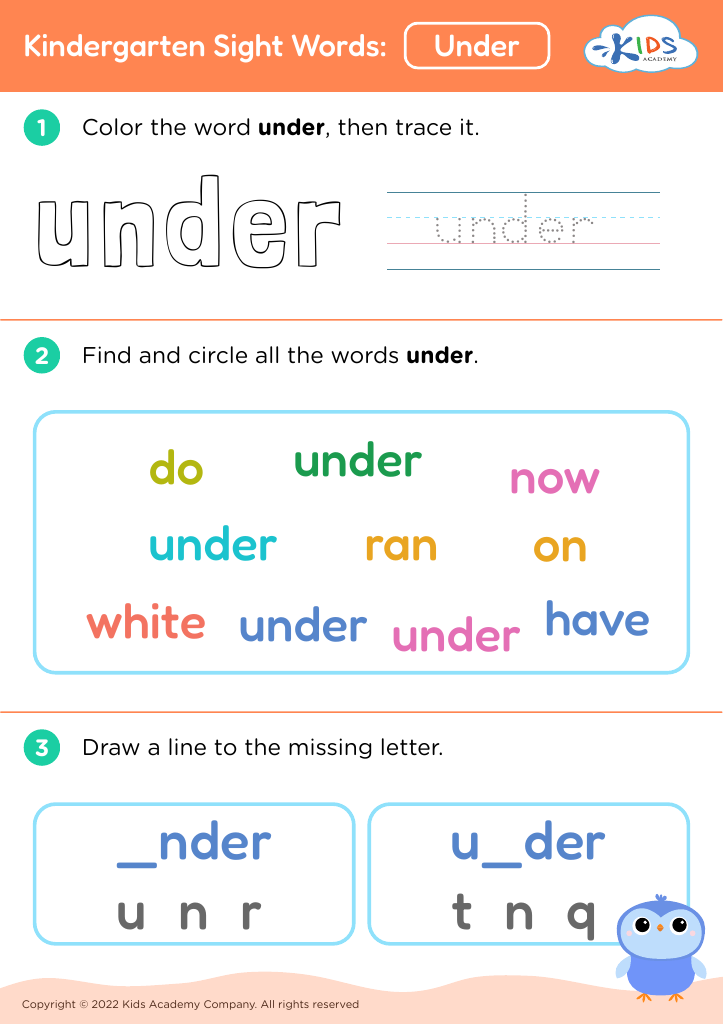
Kindergarten Sight Words: Under

Kindergarten Sight Words: Under

Kindergarten Sight Words: Under
Worksheet


Parents and teachers should prioritize building critical thinking and vocabulary skills in children aged 4-5 because these foundational abilities set the stage for lifelong learning and success. Critical thinking involves the ability to analyze situations, make decisions, and solve problems. By encouraging children to ask questions, explore ideas, and discuss their thoughts, educators and caregivers help cultivate an inquisitive mindset essential for academic and personal growth.

Building vocabulary at this age is equally crucial. A rich vocabulary enhances a child’s communication skills, allowing them to express thoughts more clearly and engage meaningfully with others. Additionally, a strong grasp of language aids in reading comprehension and overall literacy development, which are vital for future educational achievements.

When parents and teachers foster critical thinking and vocabulary skills together, they create an environment where children feel confident to share their ideas and opinions. Activities like storytelling, discussions, and interactive games can be introduced to spark curiosity and language development. Supporting these skills not only enriches children’s early learning experiences but also lays the groundwork for them to become adept thinkers and effective communicators as they grow.