Sight word recognition Building Vocabulary Worksheets for Ages 4-5
6 filtered results
-
From - To
Enhance your child's reading skills with our "Sight Word Recognition Building Vocabulary Worksheets" designed for ages 4-5. These engaging, colorful worksheets focus on teaching essential sight words, helping young learners recognize and read common words effortlessly. Each activity is crafted to promote vocabulary expansion and reinforce language development through fun illustrations and interactive exercises. Perfect for homeschooling or classroom activities, our worksheets stimulate reading readiness while encouraging a love for learning. Ignite your child's confidence in reading and lay a solid foundation for future literacy success with these captivating resources. Start their journey to becoming fluent readers today!
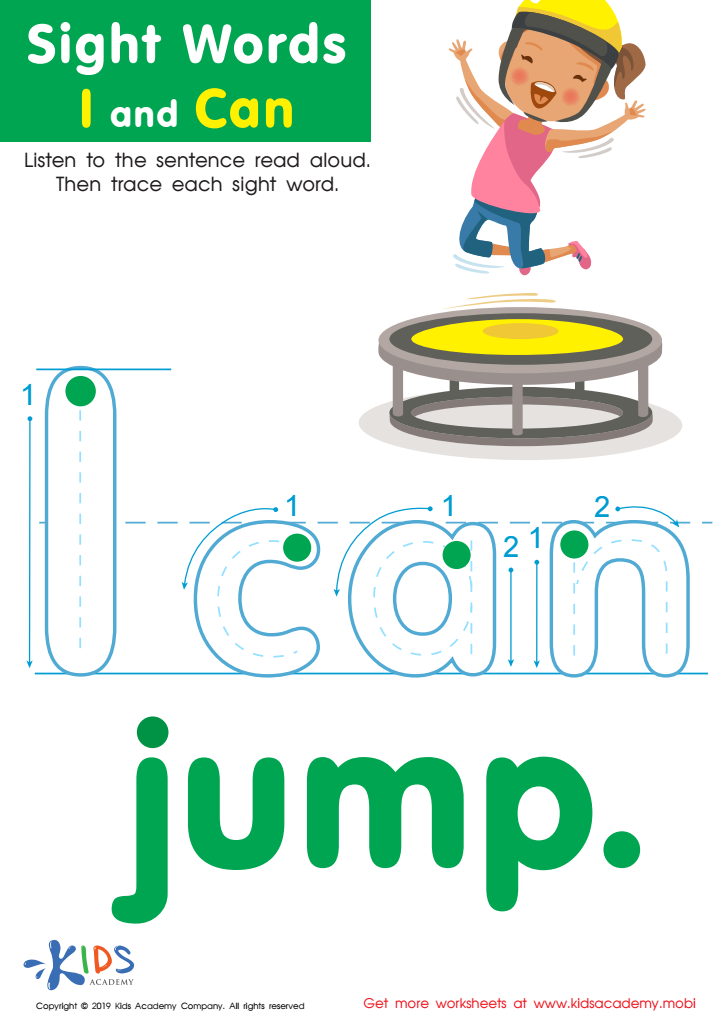
Sight Words I Can Worksheet
 Assign to My Students











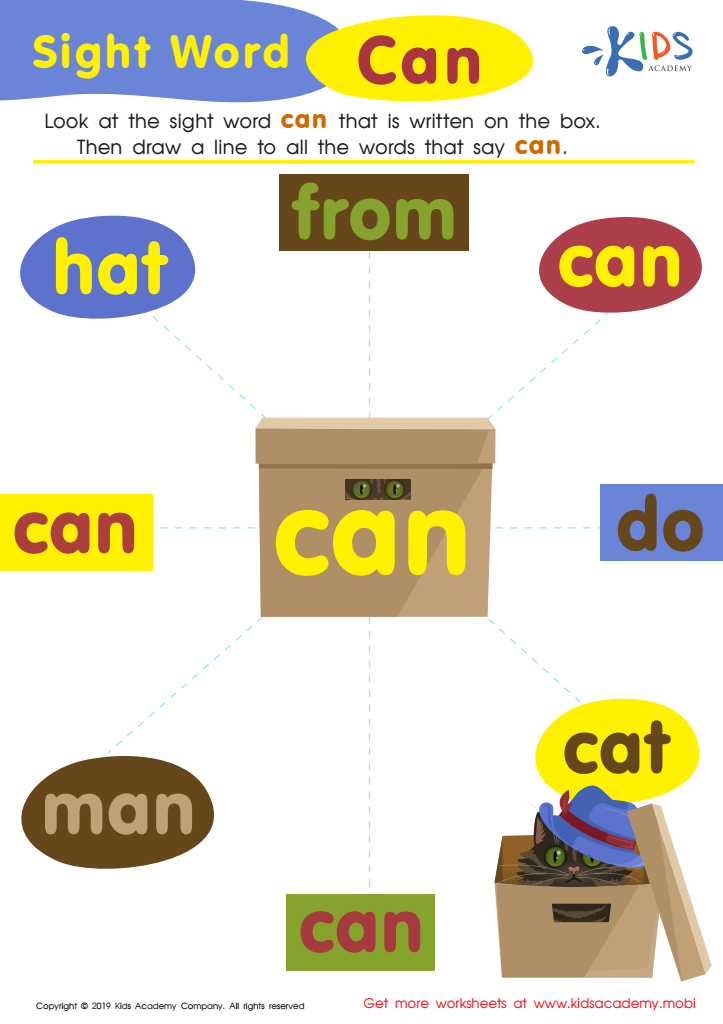
Sight Word Can Worksheet
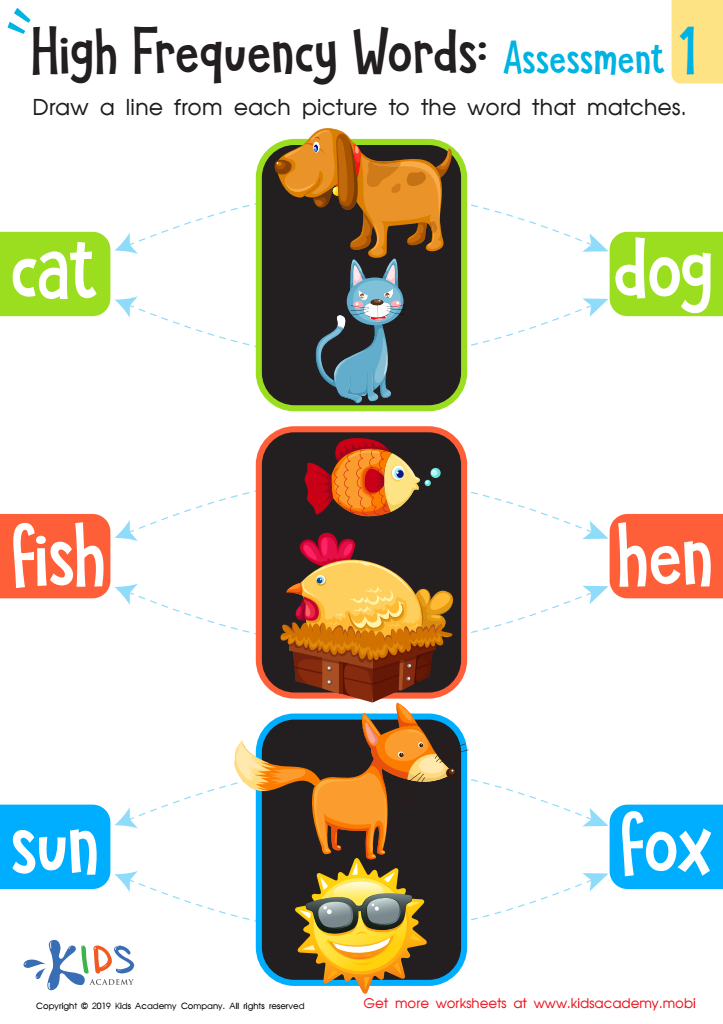
High Frequency Words: Assessment 1 Worksheet
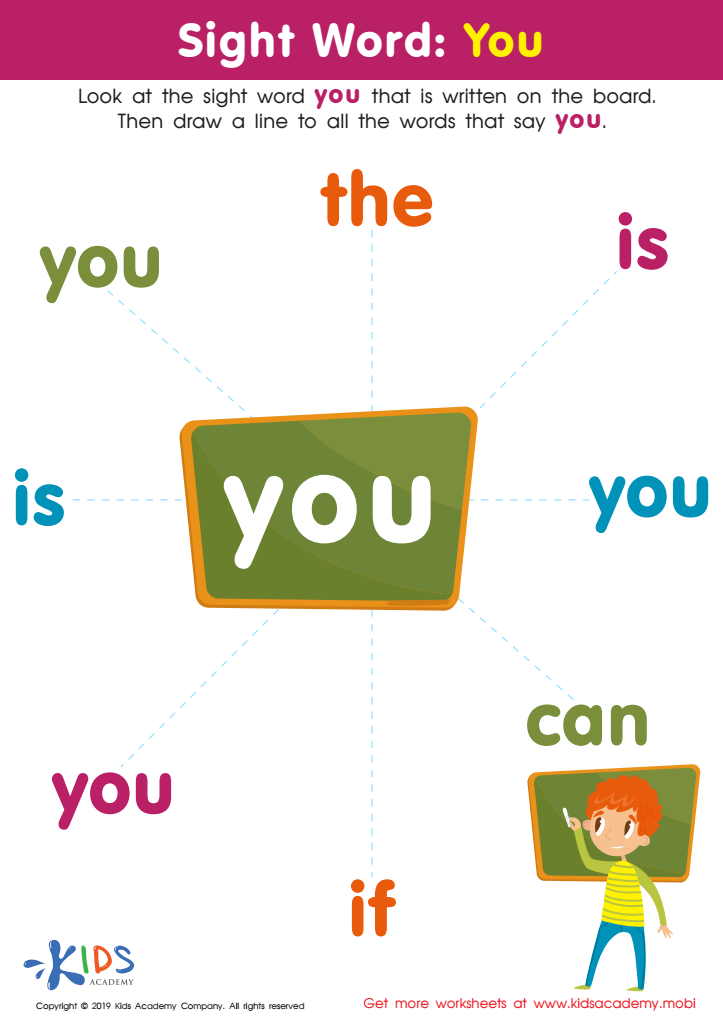
Sight Word You Worksheet
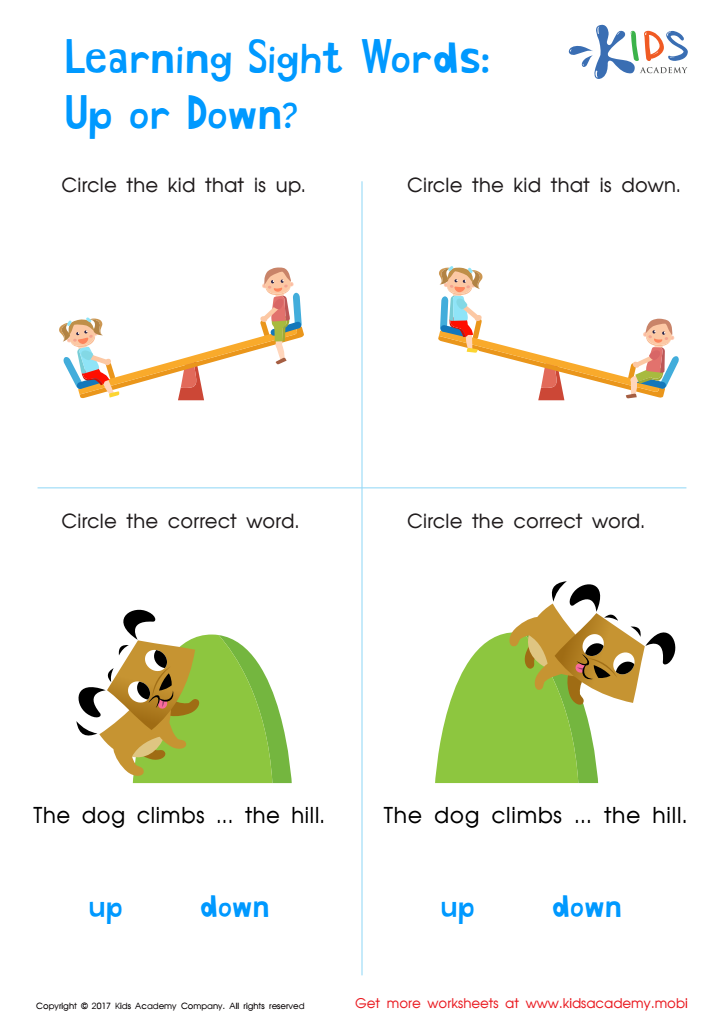
Up or Down Printable Sight Words Worksheet
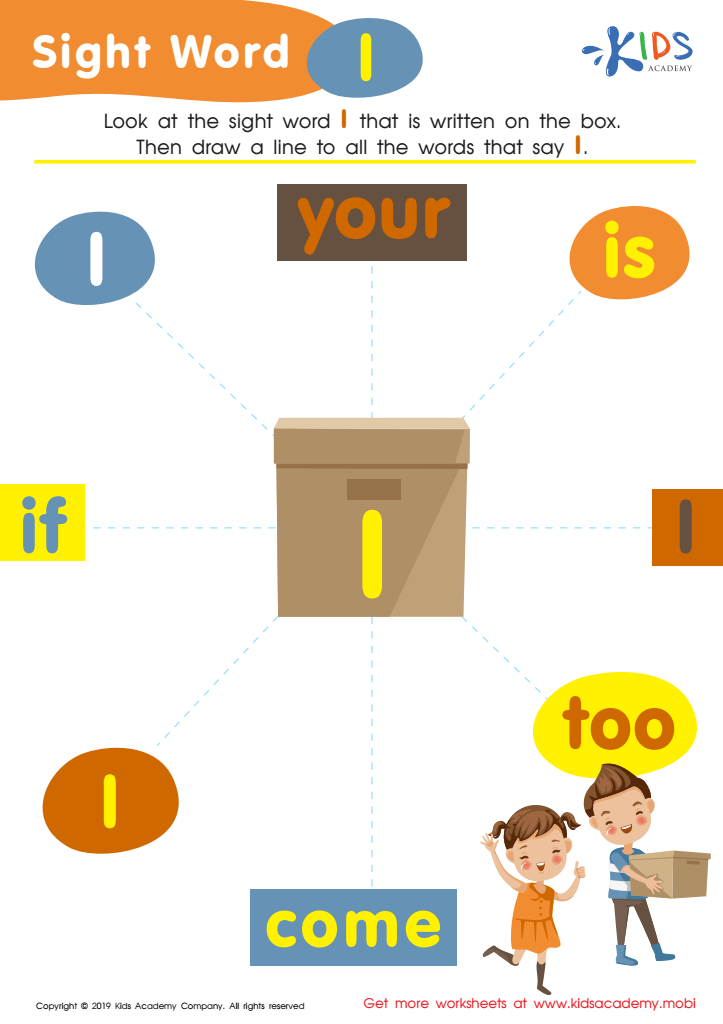
Sight Word I Worksheet








Sight word recognition and vocabulary building are crucial for young learners aged 4-5, setting the foundation for literacy and academic success. At this age, children are like sponges, rapidly absorbing language and contextual cues from their environment. Recognizing sight words—common words that often don’t follow phonetic rules—enables children to read and comprehend texts more fluently. This early fluency can foster a love for reading, leading to increased motivation and engagement with language.
Moreover, building vocabulary enhances a child's ability to express themselves. A strong vocabulary allows children to articulate their thoughts, feelings, and needs effectively. It also improves their comprehension skills, enabling them to grasp more complex ideas as they progress in school.
Teachers and parents play a vital role in this developmental stage. They can create a rich language environment through playful conversations, reading aloud, and engaging in storytelling. Simple yet effective activities, such as flashcards and word games, can make learning enjoyable.
Investing time and effort in sight word recognition and vocabulary at ages 4-5 not only aids in literacy development but also cultivates critical thinking and communication skills essential for lifelong learning. This foundational work ultimately supports children's overall growth and confidence as learners.








