
Understanding patterns Building Vocabulary Worksheets for Ages 4-5
4 filtered results
Difficulty Level
Grade
Age
-
From - To
Subject
Activity
Standards
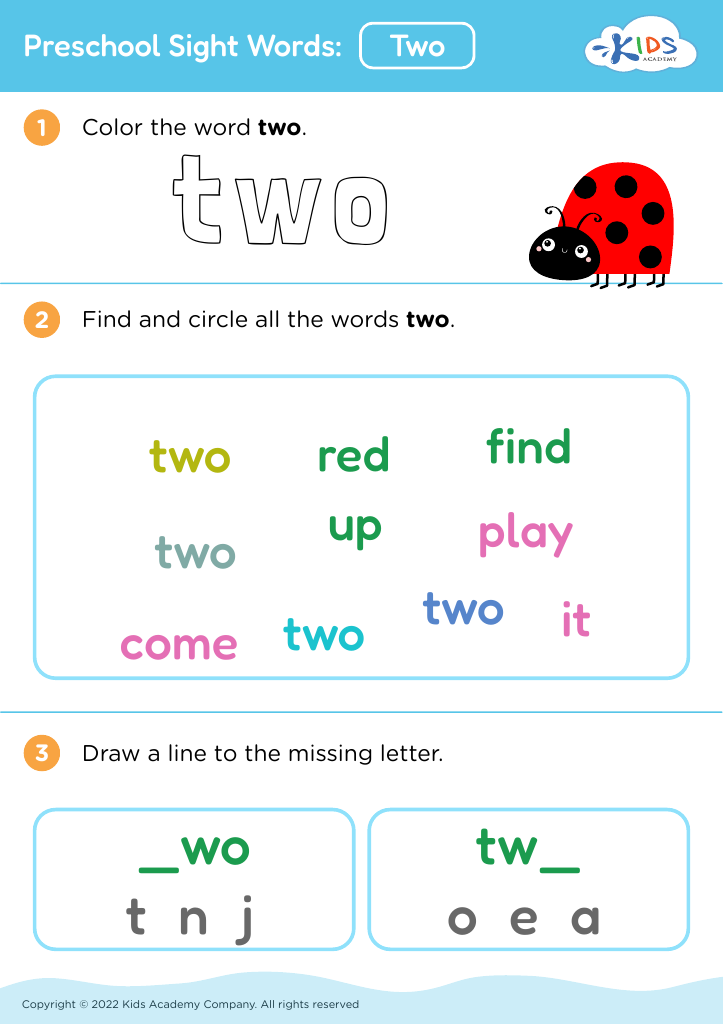
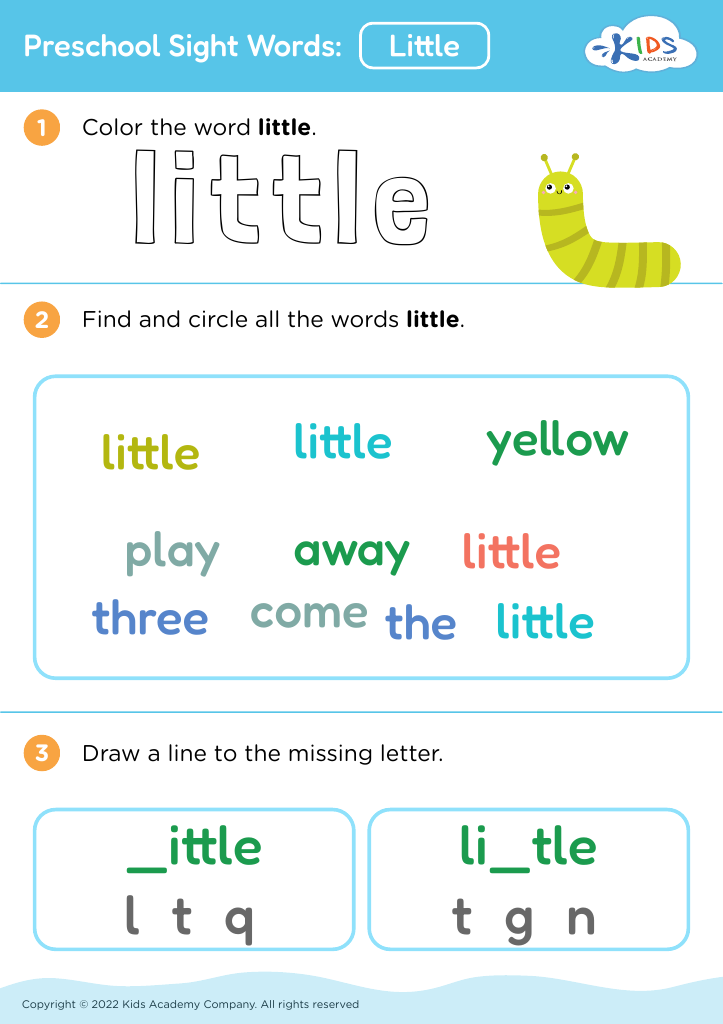
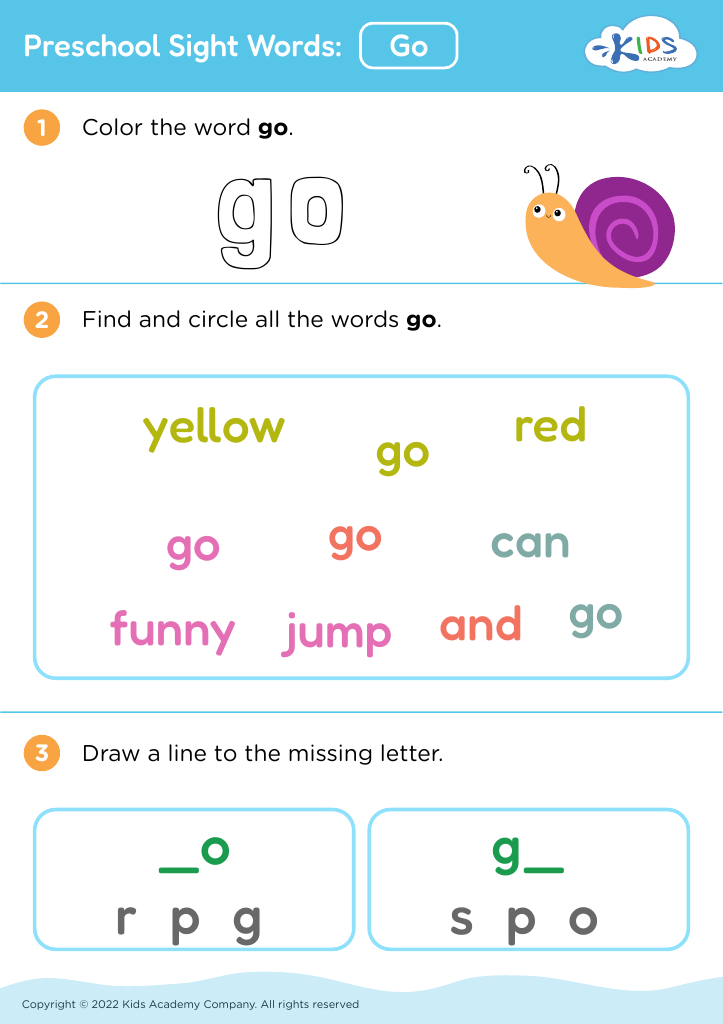
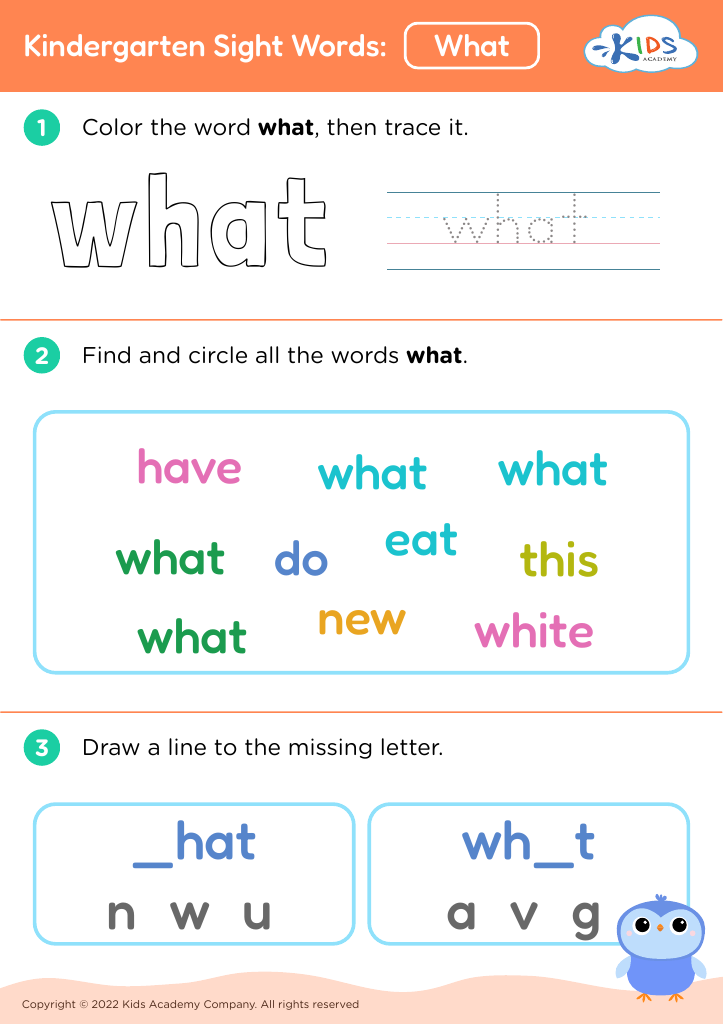
Introducing our "Understanding Patterns Building Vocabulary Worksheets" designed specifically for children ages 4-5! These engaging worksheets help young learners recognize and analyze patterns while expanding their vocabulary in a fun and interactive way. Through a variety of activities, kids will explore shapes, colors, and sequences, enhancing their cognitive skills and language development. Each worksheet is crafted to promote critical thinking and problem-solving abilities, making learning an enjoyable experience. Perfect for both classroom use and at-home practice, our resources cater to early childhood education needs, fostering a strong foundation for future learning. Click to explore and watch your child thrive!
Favorites
With answer key
Interactive











Join Kids Academy for Free
Who is primarily going to use this learning content?





.jpg)


Understanding patterns and building vocabulary in children aged 4-5 is crucial for their early development. At this age, children are naturally inclined to identify and make sense of the world around them. Recognizing patterns helps them develop critical thinking and problem-solving skills, which lay the foundation for mathematical concepts and logical reasoning. For instance, patterns in nature, rhythms in music, or routines in daily life all enhance cognitive development.
Simultaneously, building vocabulary is essential at this stage as it directly influences their communication skills and literacy development. A robust vocabulary allows children to express themselves effectively, comprehend instructions, and engage more fully in conversations, which boosts their social interactions and confidence. The link between vocabulary and reading success is also significant; children with a strong vocabulary are better prepared to understand texts and develop an interest in reading early on.
By focusing on both understanding patterns and building vocabulary, parents and teachers create enriching environments conducive to learning. These skills are interrelated; as children encounter new words, they can apply them to discern patterns and relationships, enhancing their overall cognitive development. Investing in these areas will not only prepare children for academic success but also set a lifelong foundation for learning and exploration.








