Vocabulary enhancement Building Vocabulary Worksheets for Ages 4-5 - Page 2
34 filtered results
-
From - To
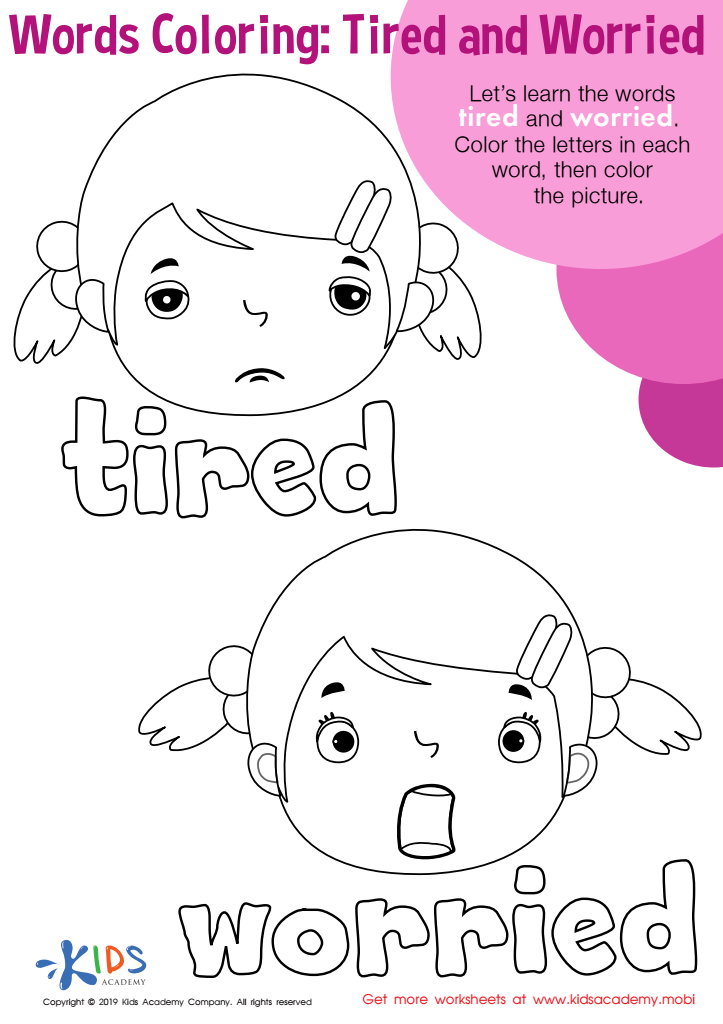
Tired and Worried Words Coloring Worksheet
 Assign to My Students











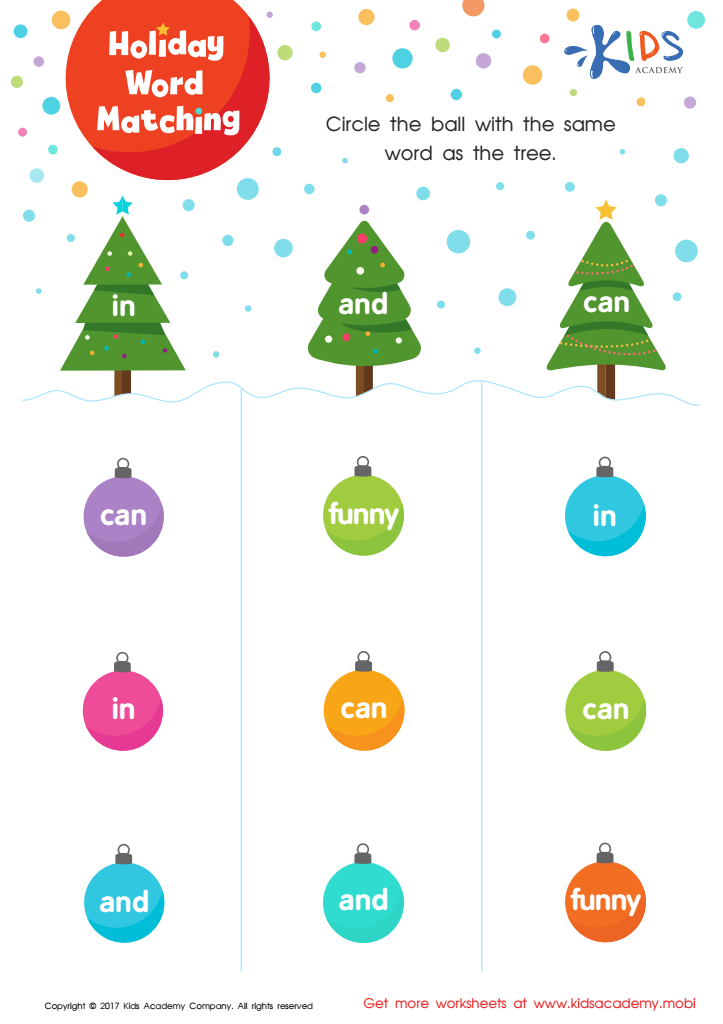
Holiday Word Matching Worksheet
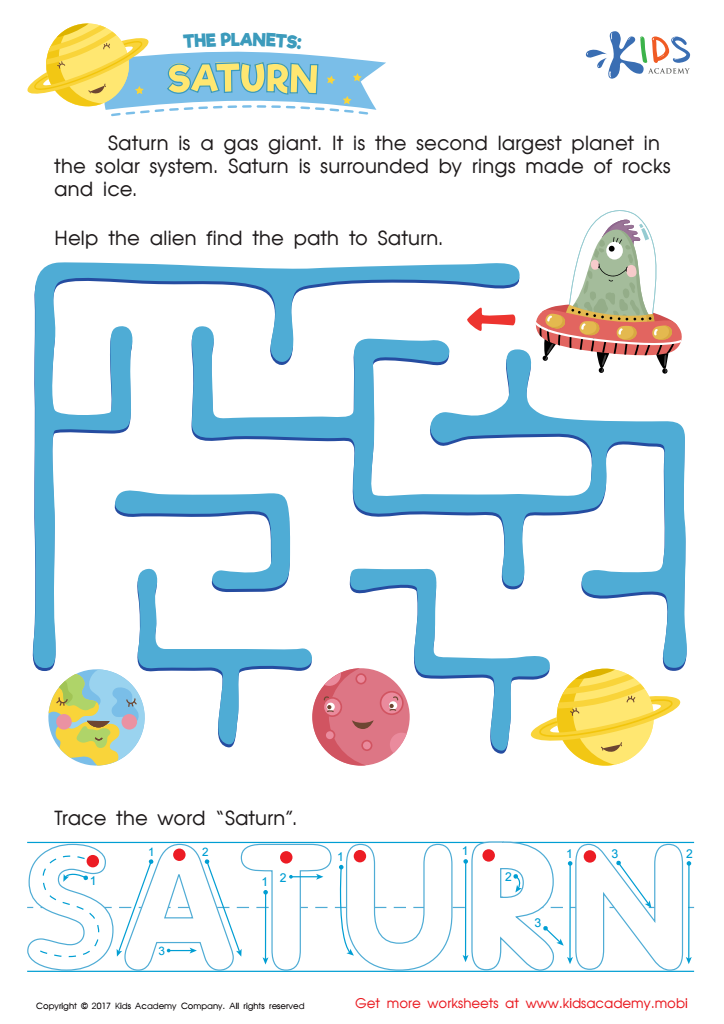
The Planets: Saturn Printable
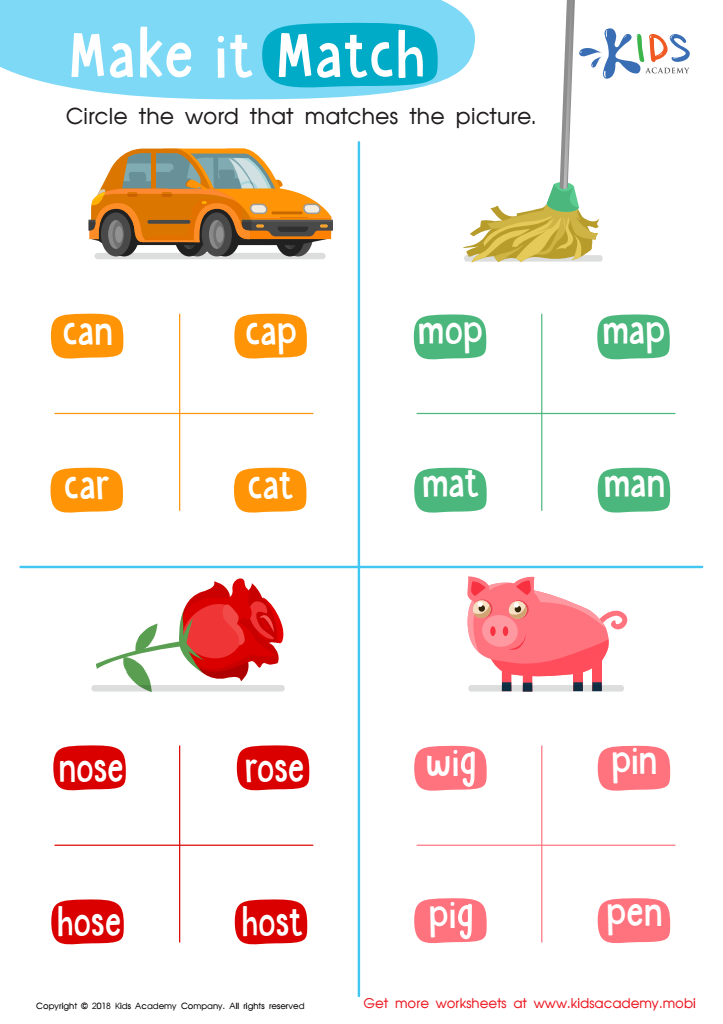
Make It Match Worksheet
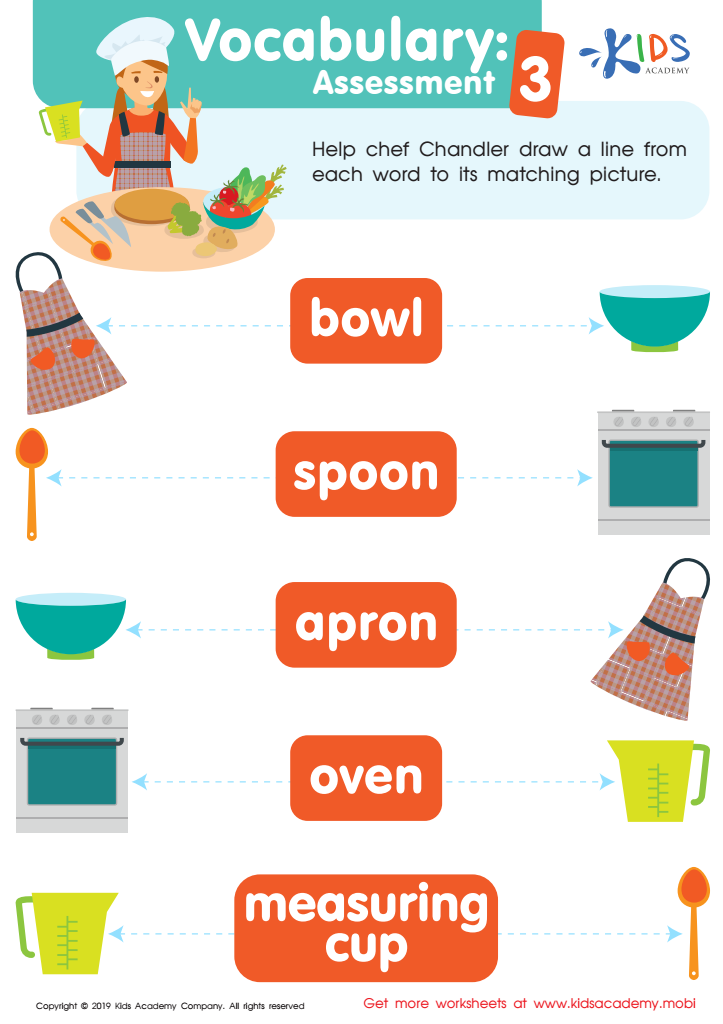
Vocabulary: Assessment 3 Worksheet
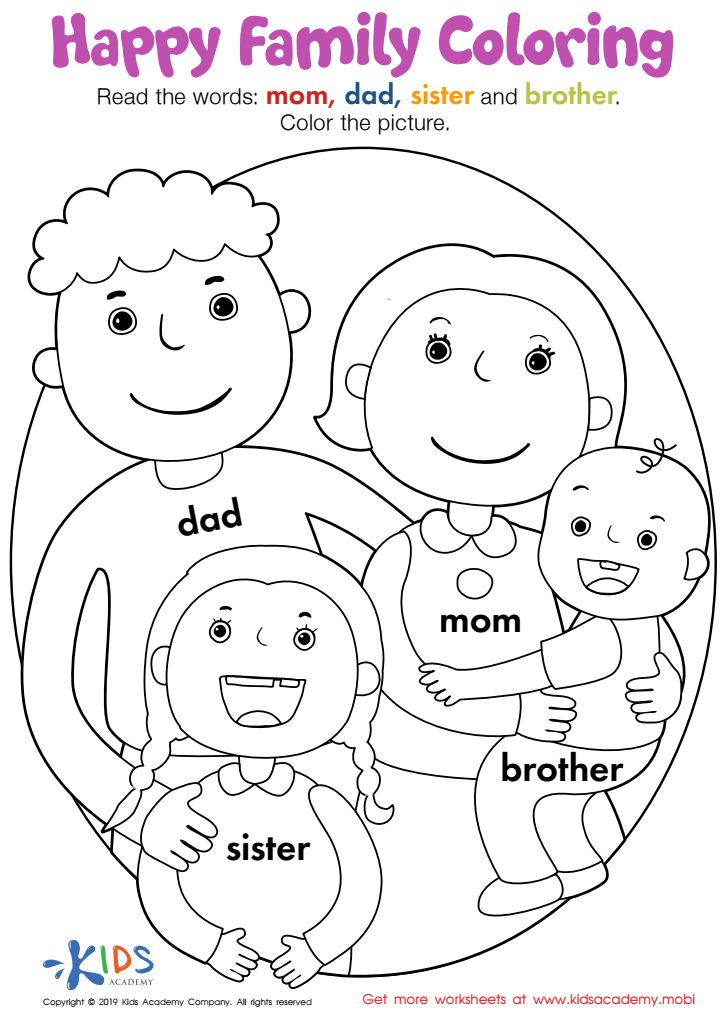
Happy Family Coloring Worksheet
Assign to My Students
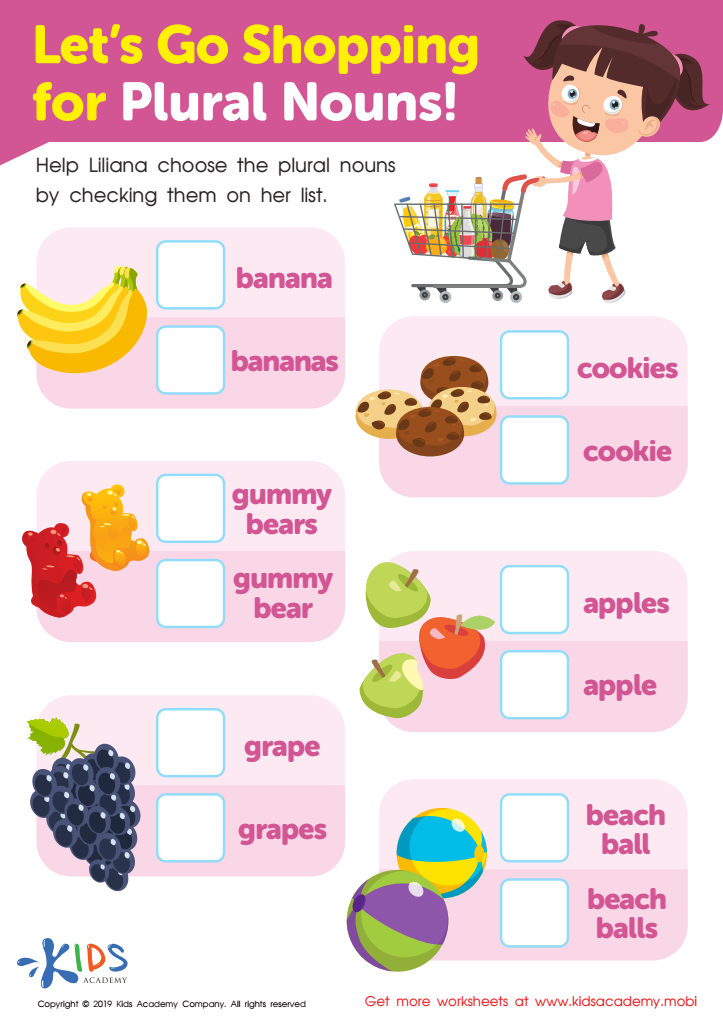
Let's Go Shopping for Plural Nouns! Worksheet
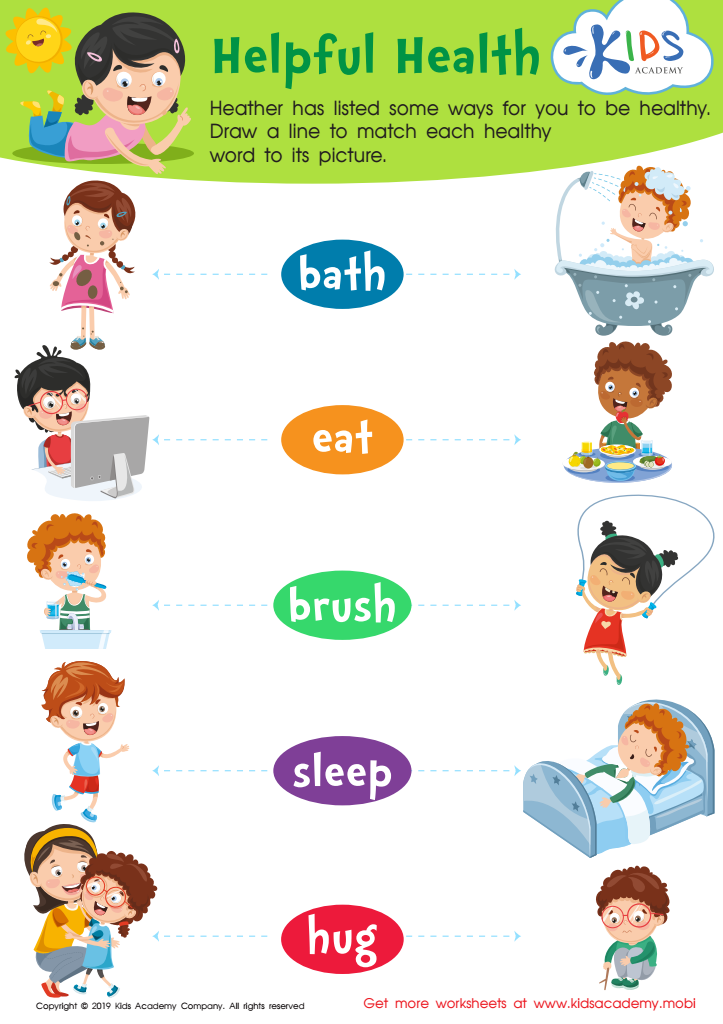
Helpful Health Worksheet
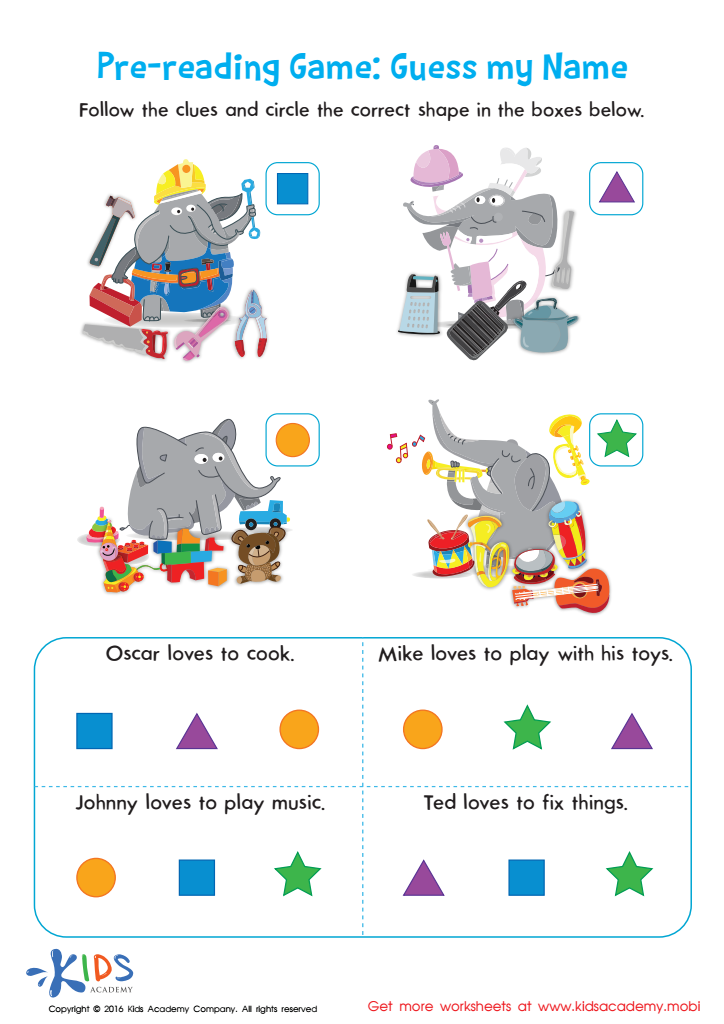
Pre Reading Worksheet Guess My Name
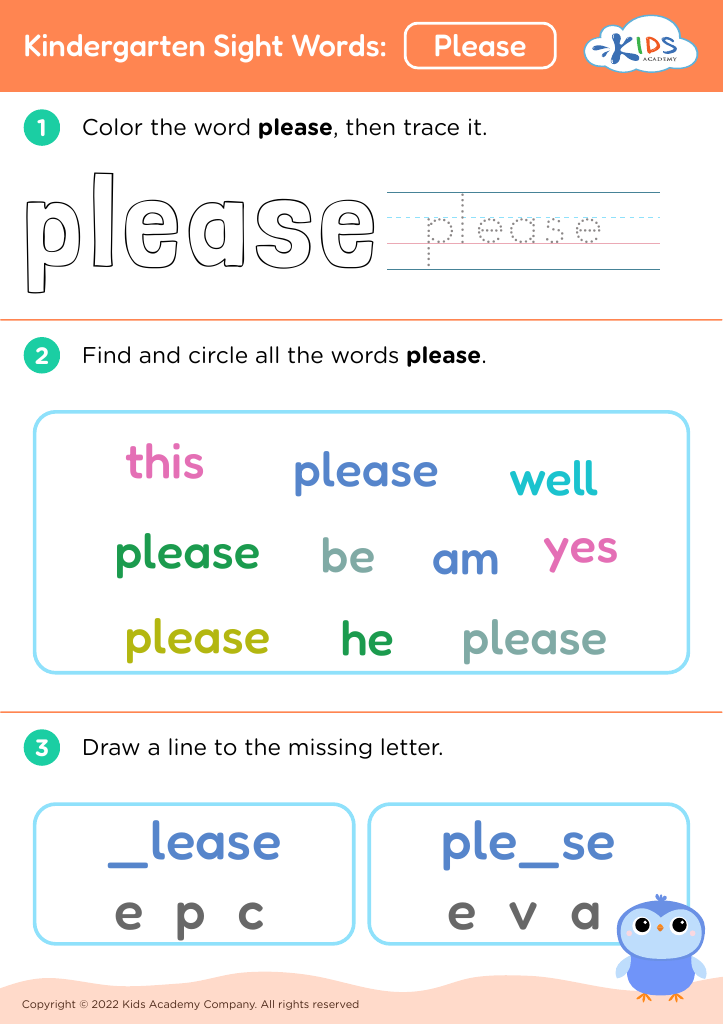


.jpg)





Encouraging vocabulary enhancement in children aged 4-5 is crucial for several key reasons. At this developmental stage, a child's brain is exceptionally receptive to language acquisition. A rich vocabulary serves as the foundation for effective communication and lays the groundwork for future academic success. Parents and teachers should prioritize vocabulary building because it directly correlates with improved reading and writing skills.
When children have an extensive vocabulary, they are more likely to comprehend stories and instructions, participate in conversations, and articulate their thoughts and feelings clearly. This not only boosts their confidence but also fosters better social interactions with peers, cultivating essential interpersonal skills early on. Studies have shown that early vocabulary development can impact a child's performance in all school subjects and is a strong predictor of later academic achievement.
Moreover, children with a broad vocabulary are better equipped to understand and analyze complex concepts as they progress through their educational journey. Engaging children in vocabulary-rich activities, such as reading books aloud, playing word games, and encouraging open-ended conversations, helps make learning enjoyable and interactive. By investing time in vocabulary enhancement during these formative years, we set the stage for a lifelong love of learning and effective communication skills.








