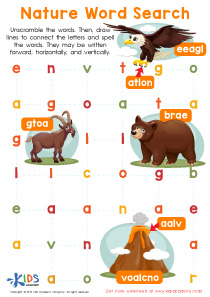
Identifying shapes Sight Words Worksheets for Ages 4-5
5 filtered results
-
From - To
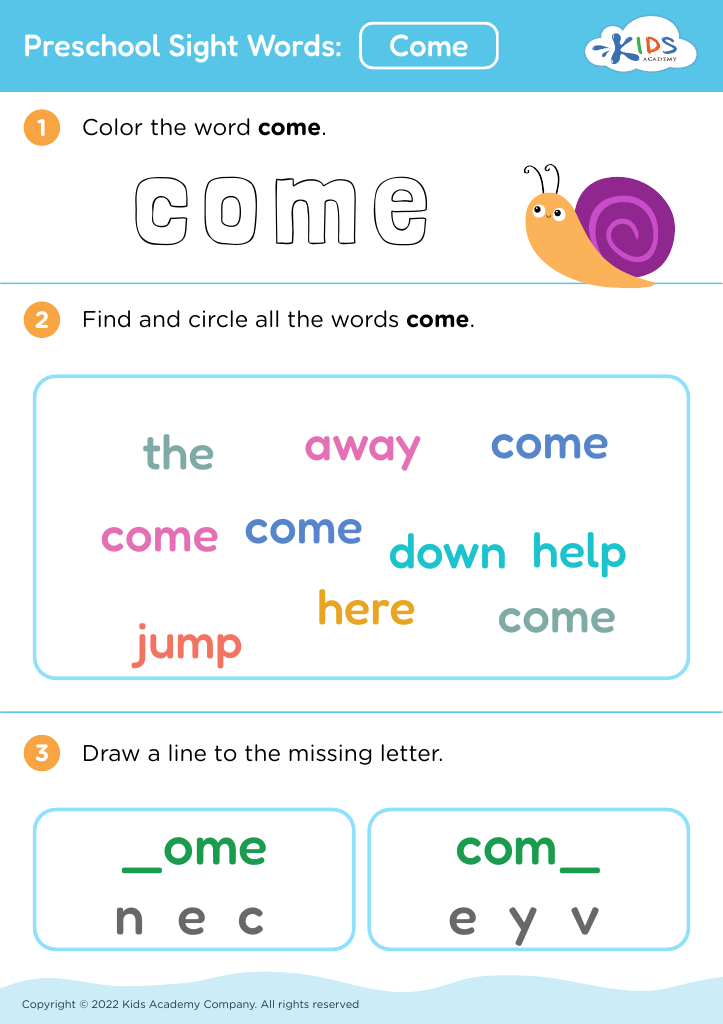
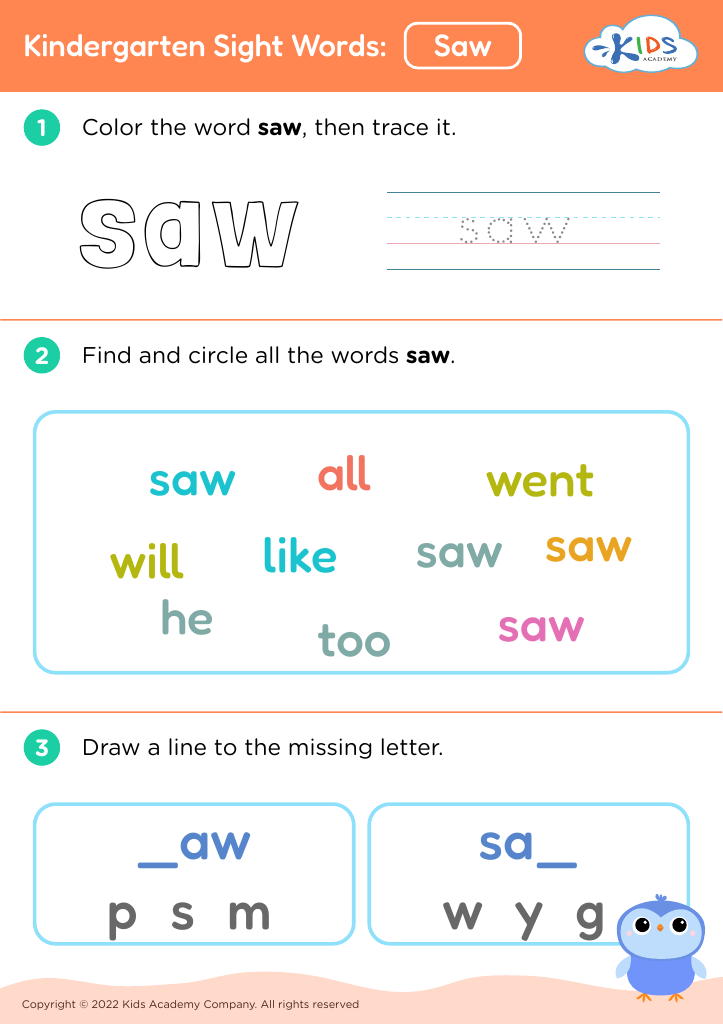
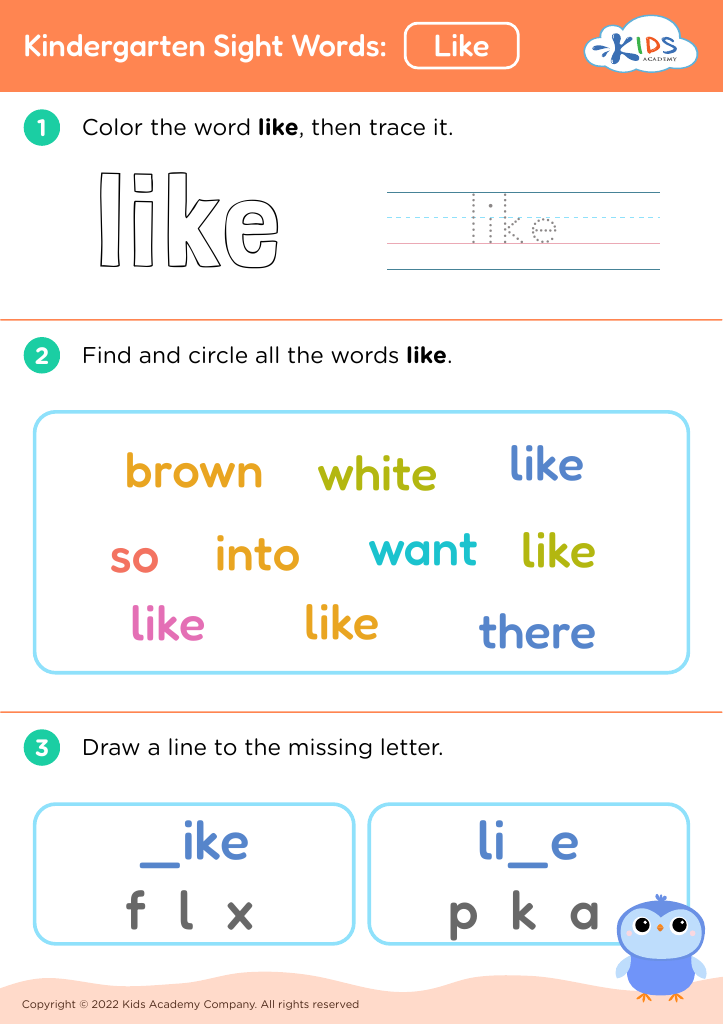
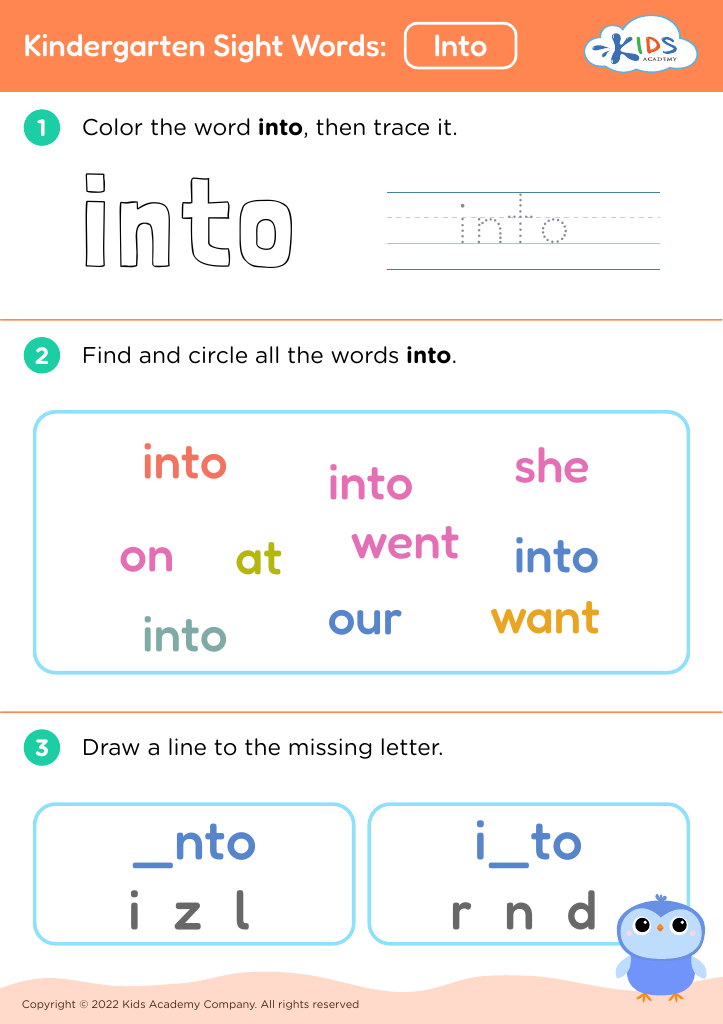
Introduce your little learners to the world of shapes with our "Identifying Shapes Sight Words Worksheets for Ages 4-5." Designed to boost reading and cognitive skills, these interactive worksheets combine sight word recognition with fun shape identification tasks. Each exercise engages young minds in identifying common shapes such as circles, squares, and triangles, while simultaneously reinforcing important sight words. With colorful illustrations and easy-to-follow instructions, these worksheets provide an engaging and educational experience that encourages early readers to expand their vocabulary and shape knowledge, setting a strong foundation for future learning success. Perfect for home or classroom use.
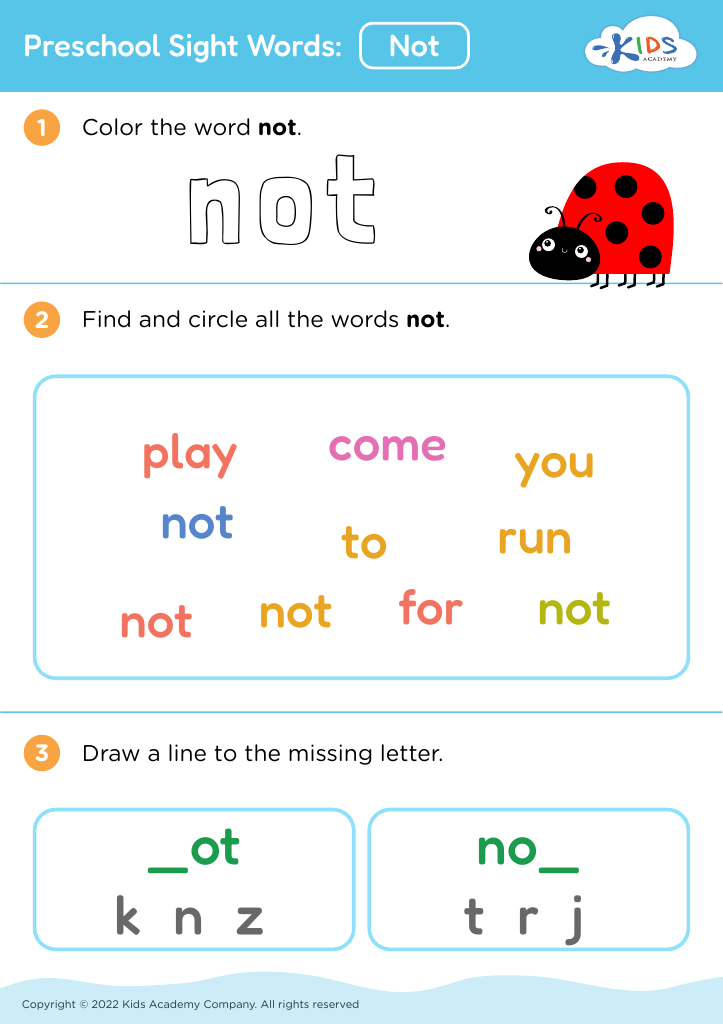




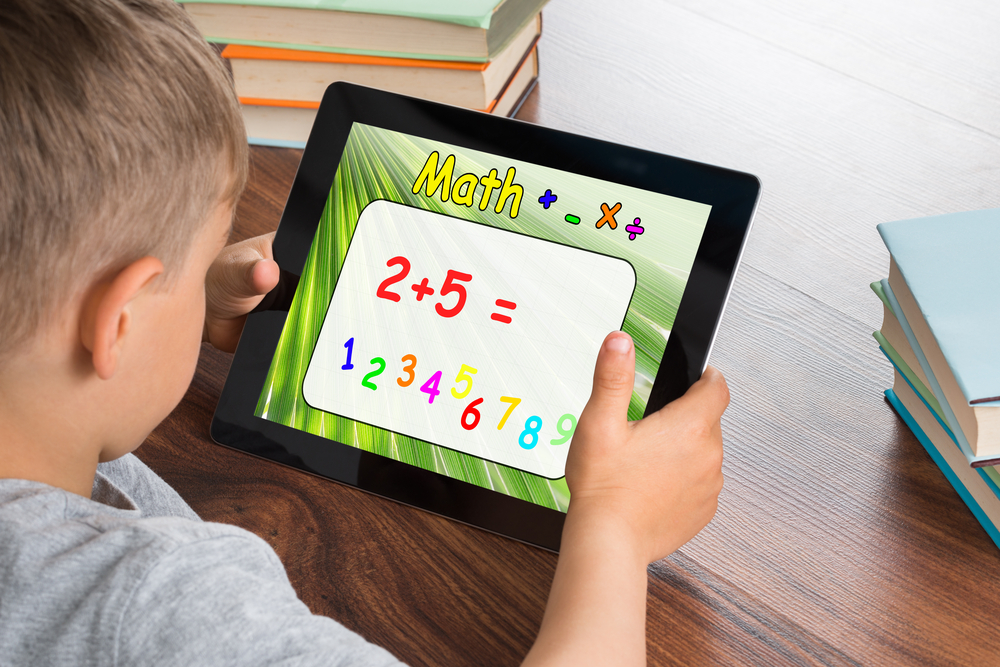




Identifying shapes and sight words are fundamental skills for children ages 4-5 as they lay the groundwork for future learning. Recognizing shapes fosters spatial awareness, critical for developing visual-spatial intelligence which aids in understanding geometry, maps, and solving puzzles later. When children identify shapes, they also improve their ability to observe and categorize objects, which are essential cognitive skills.
Sight words, on the other hand, are words children are encouraged to recognize without having to sound them out. Mastery of these high-frequency words enhances reading fluency since these words constitute around 50-70% of the text in children's books. It aids comprehension, allowing kids to read more naturally and focus on the content rather than decoding every single word.
For parents and teachers, incorporating shape and sight word activities can make learning enjoyable and contextually rich. Engaging in these educational exercises helps in building children’s confidence and paves the way for academic success. Concepts related to shapes can be fused into daily routines, while fun games and repeated exposure can support sight word recognition. Therefore, prioritizing these key skills ensures that children are not only ready for school but also enthusiastic and capable learners as they progress through various educational stages.