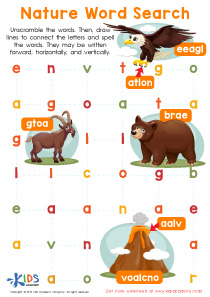
Multiplication practice Sight Words Worksheets for Ages 4-5
3 filtered results
Difficulty Level
Grade
Age
-
From - To
Subject
Activity
Standards
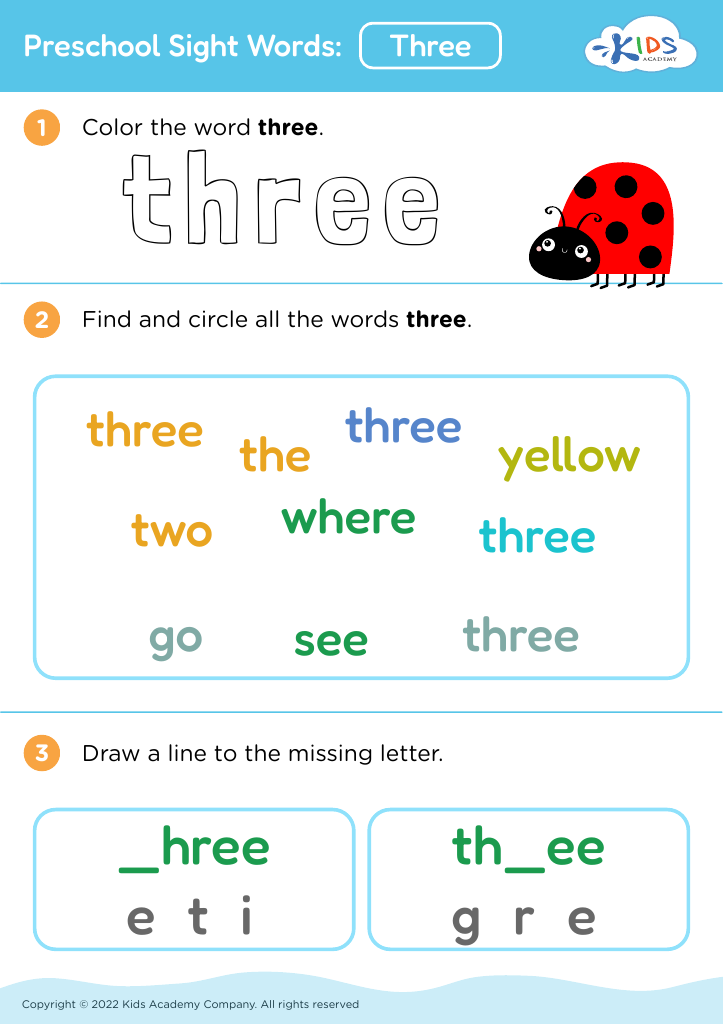
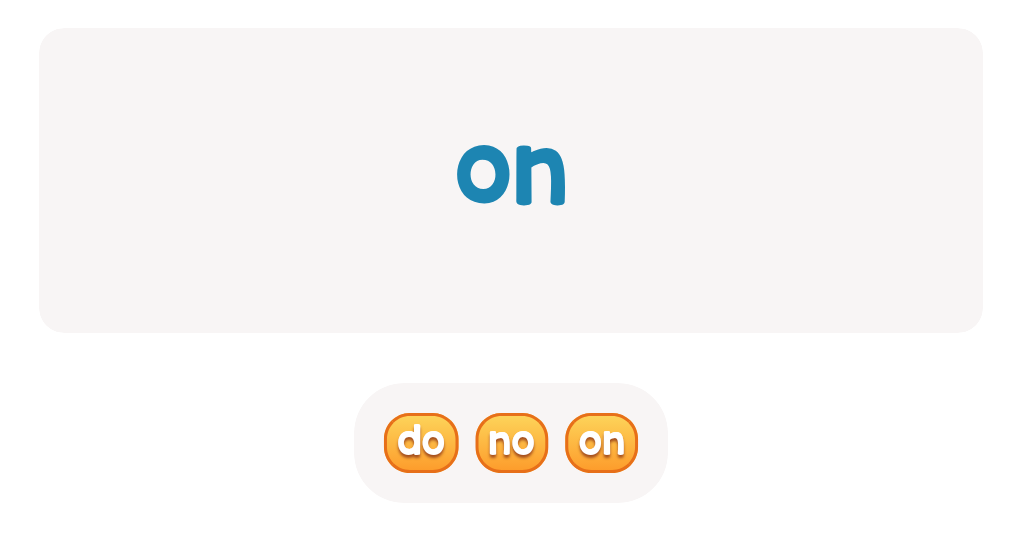
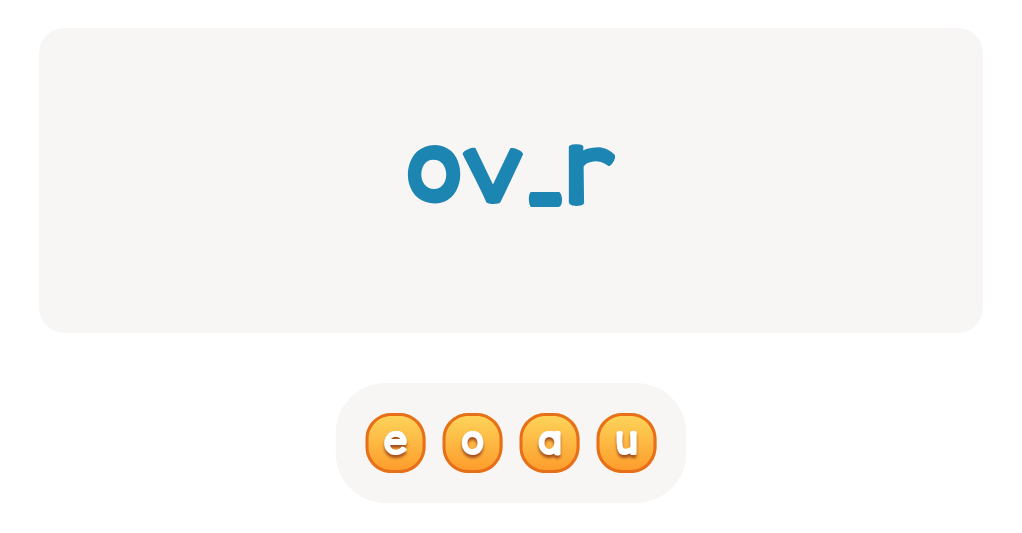
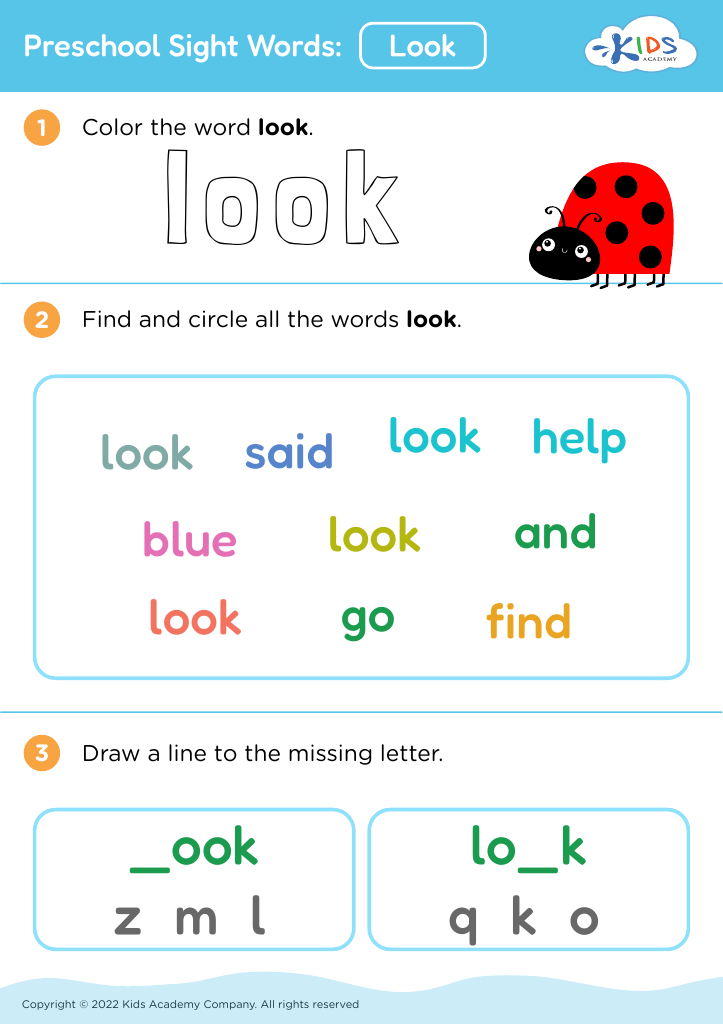
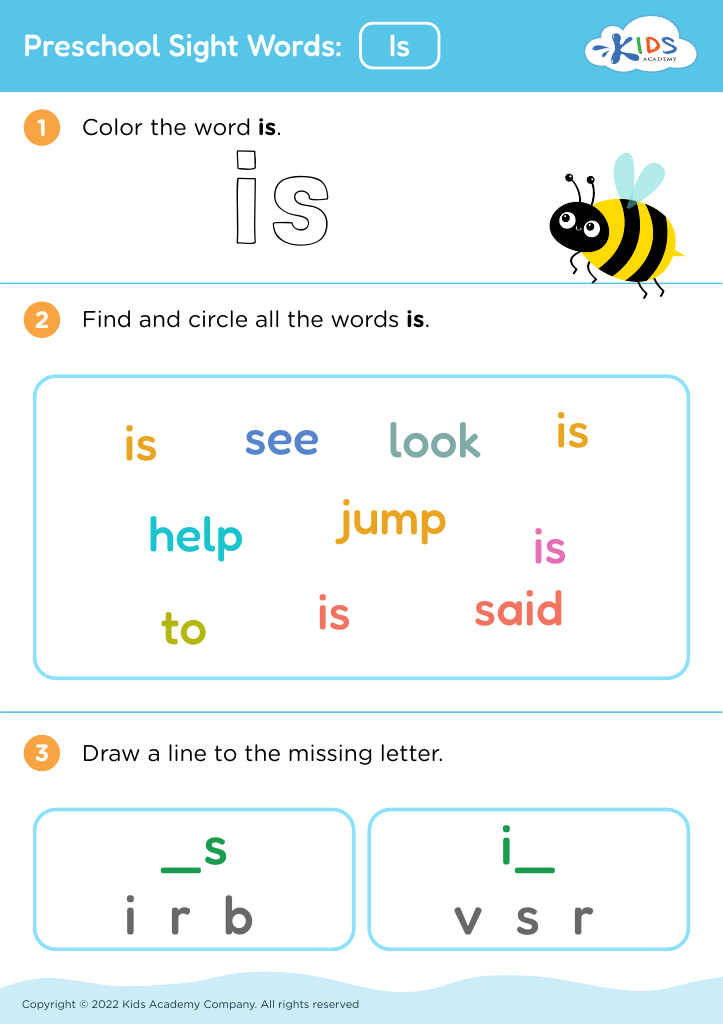
Enhance your child's learning experience with our engaging Multiplication Practice Sight Words Worksheets specially designed for ages 4-5. These worksheets seamlessly integrate vital multiplication concepts with essential sight words, helping young learners make connections between language and early math skills. As children practice recognizing sight words, they also develop a foundational understanding of multiplication in a fun, interactive way. Our user-friendly worksheets are perfect for parents and teachers aiming to foster a love for learning. Watch your child build confidence and academic skills as they practice multiplication alongside essential language development. Download now and make learning an exciting adventure!
Favorites
With answer key
Interactive





Join Kids Academy for Free
Who is primarily going to use this learning content?








Parents and teachers should care about combining multiplication practice with sight words for children ages 4-5 because early literacy and numeracy skills lay the foundation for future academic success. While sight words help young learners recognize key terms in reading, introducing basic multiplication concepts—even in a playful, informal manner—reinforces their understanding of numbers and encourages cognitive development.
Integrating multiplication practice with sight words promotes critical thinking and problem-solving. For example, using flashcards that include both sight words and simple multiplication problems can help children associate numbers with words, making learning more engaging through cross-curricular connections. Appealing to diverse learning styles, this approach caters to visual, auditory, and kinesthetic learners, ensuring that all children have an opportunity to participate.
Furthermore, early exposure to multiplication through interactive games and activities fosters a positive relationship with math, helping to reduce anxiety related to the subject. Building confidence during these formative years is crucial as it prepares children for more complex math concepts in the future. Ultimately, combining multiplication with sight words cultivates a rich, stimulating learning environment, promoting language development alongside foundational math skills, and enhancing overall educational outcomes.