Understanding patterns Sight Words Worksheets for Ages 4-5
4 filtered results
-
From - To
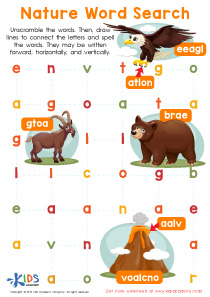
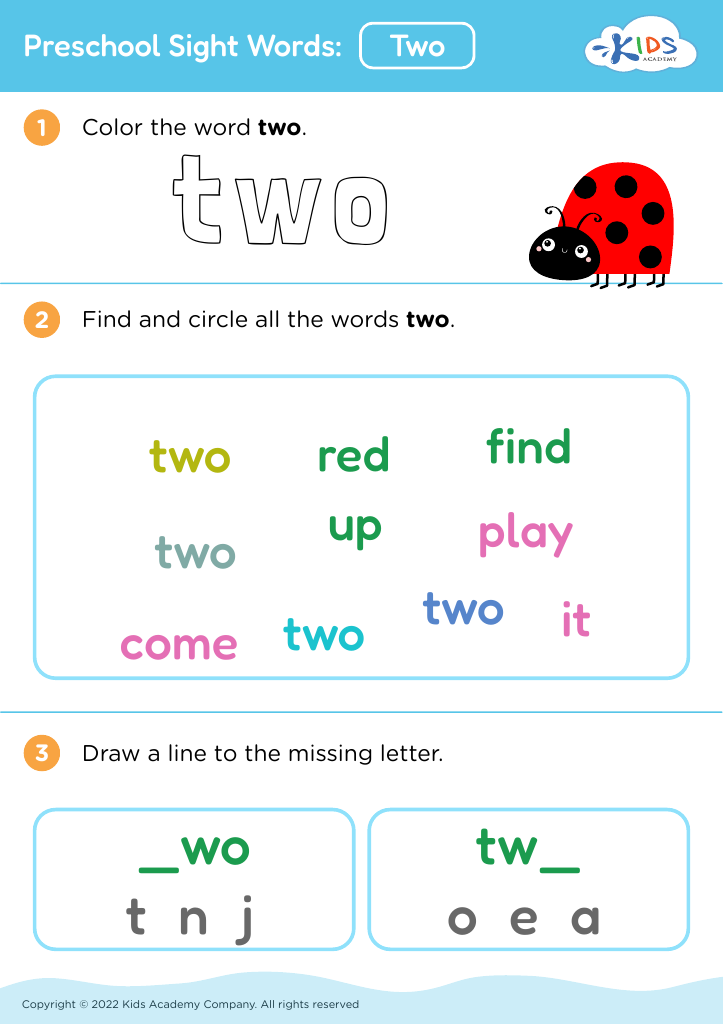
Unlock the magic of early reading with our "Understanding Patterns Sight Words Worksheets for Ages 4-5." Tailored for young learners, these worksheets focus on recognizing and understanding sight words through engaging patterns. Designed to build foundational reading skills, each worksheet features colorful activities that make learning fun and effective. Children will not only enhance their vocabulary but also improve cognitive ability by identifying and continuing patterns. Ideal for both classroom and home use, our worksheets serve as an excellent tool to foster early literacy and critical thinking in a playful, supportive environment. Start your child's reading journey today!







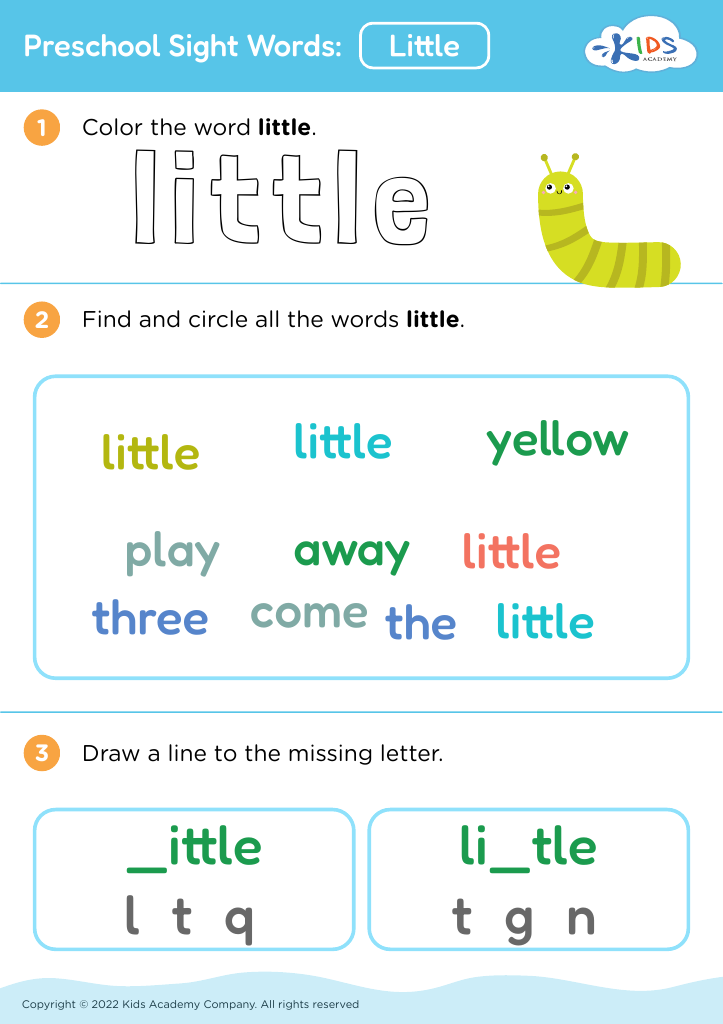
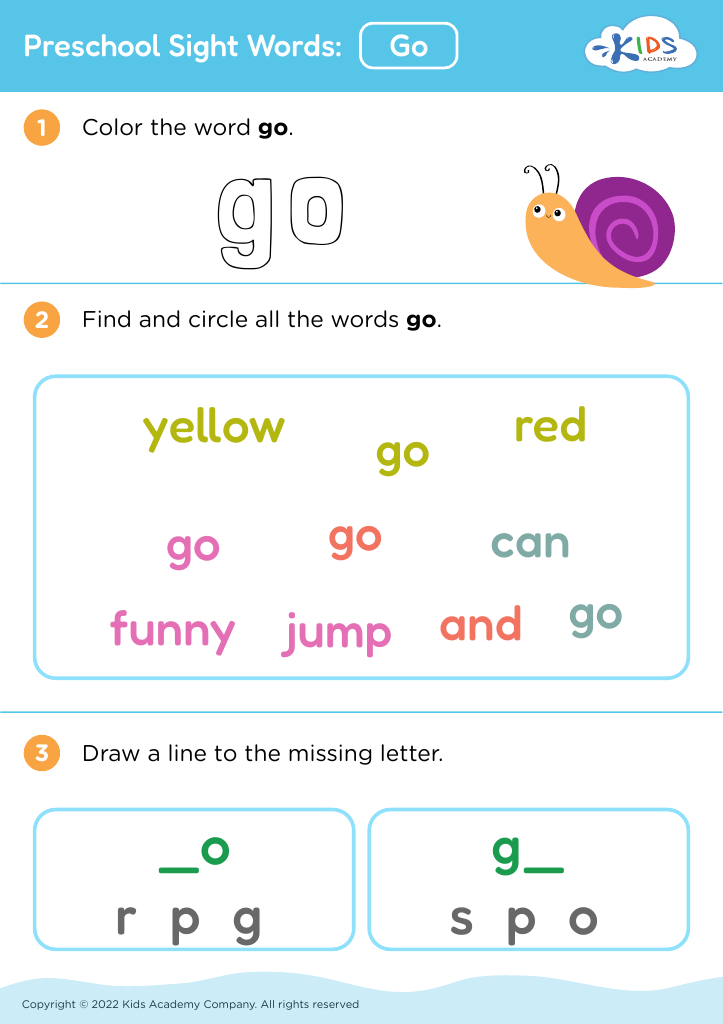
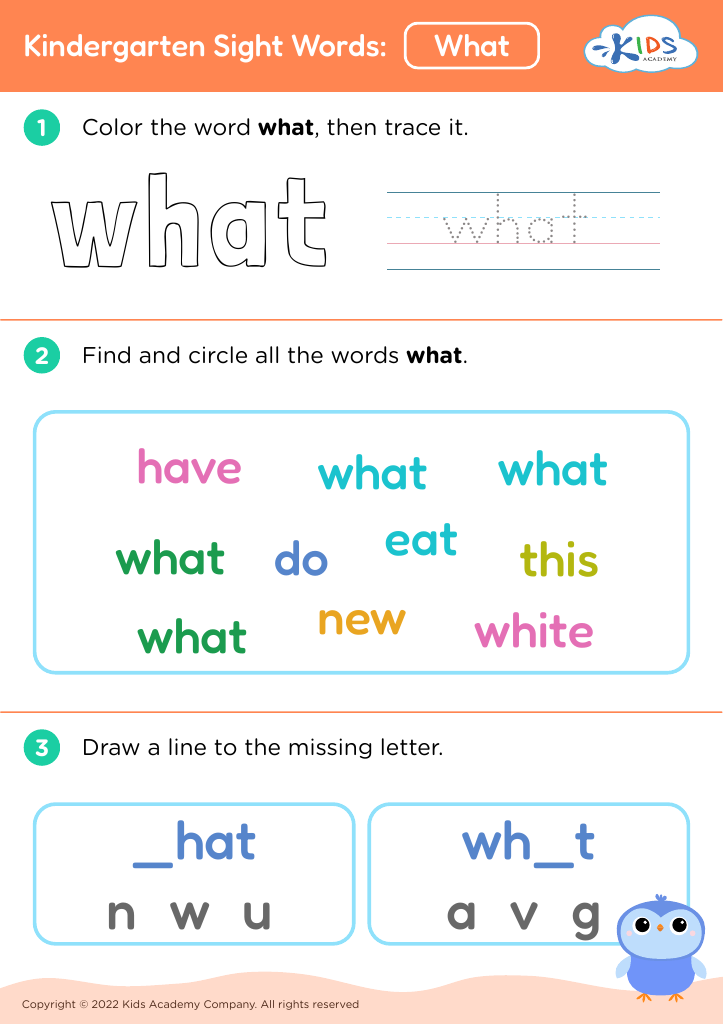








Understanding patterns and sight words at ages 4-5 is crucial for early childhood development, laying the foundation for future learning. Patterns help children grasp order and predictability, essential for cognitive development and problem-solving skills. Recognizing patterns in objects, colors, and daily routines strengthens their observational abilities and forms the basis for mathematical concepts like addition and subtraction.
Sight words, on the other hand, are common words that children encounter frequently. Mastering sight words aids in building vocabulary and fluency in reading. Since these words often do not follow regular phonetic rules, memorizing them allows for smoother reading and better comprehension. Early familiarity with sight words enables children to read more complex texts quicker and with greater confidence, fostering a love for reading and learning.
Parents and teachers should prioritize these skills because they unlock future academic success. Schools or educational programs that emphasize patterns and sight words provide a critical head start, reducing struggles in kindergarten and beyond. Moreover, a strong grasp of these concepts at an early age encourages independent learning, critical thinking, and effective communication, setting children on a path for lifelong achievement. By focusing on these areas, parents and teachers nurture a child's curiosity and ability, ensuring they are well-prepared for the more challenging tasks ahead in their educational journey.