Categorization skills World Around Us Worksheets for Ages 4-5
3 filtered results
-
From - To
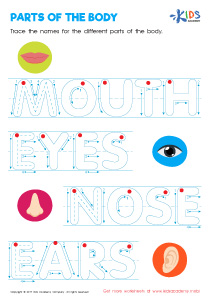
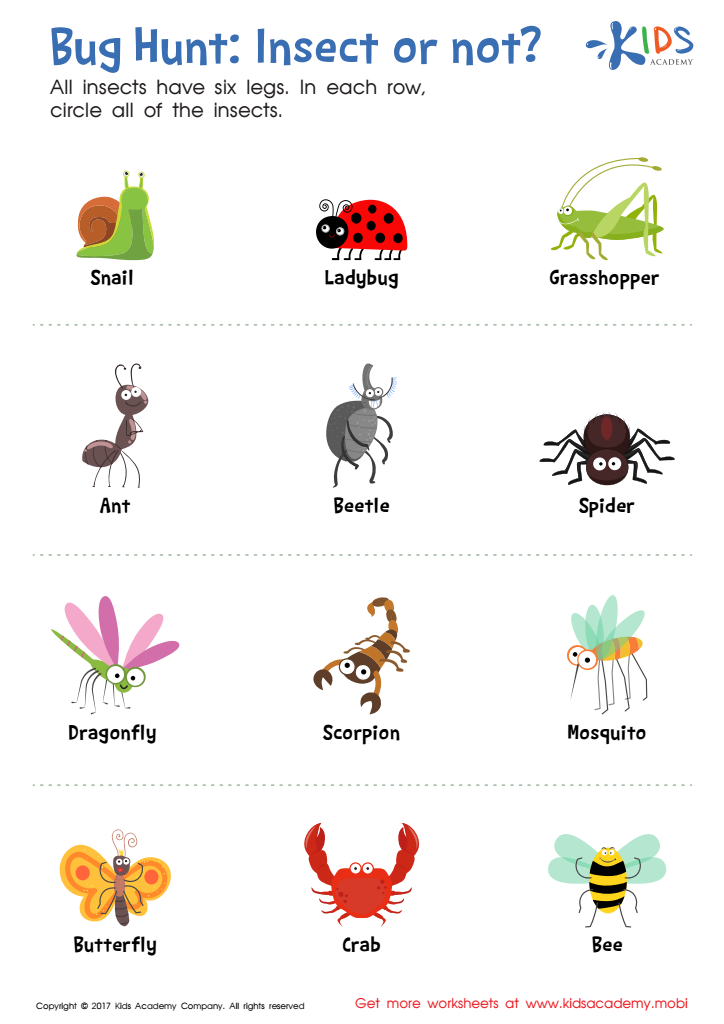
Explore our "Categorization Skills World Around Us Worksheets" designed specifically for ages 4-5. These engaging activities help young learners identify and sort objects based on different categories, enhancing their cognitive development. Through fun visuals and interactive exercises, children will practice grouping items by color, shape, size, and function, all while discovering the world around them. This foundational skill is crucial for early childhood learning, laying the groundwork for critical thinking and problem-solving abilities. Perfect for preschool and kindergarten classrooms or home learning, these worksheets provide a delightful way for kids to learn through play and exploration!
 Assign to My Students
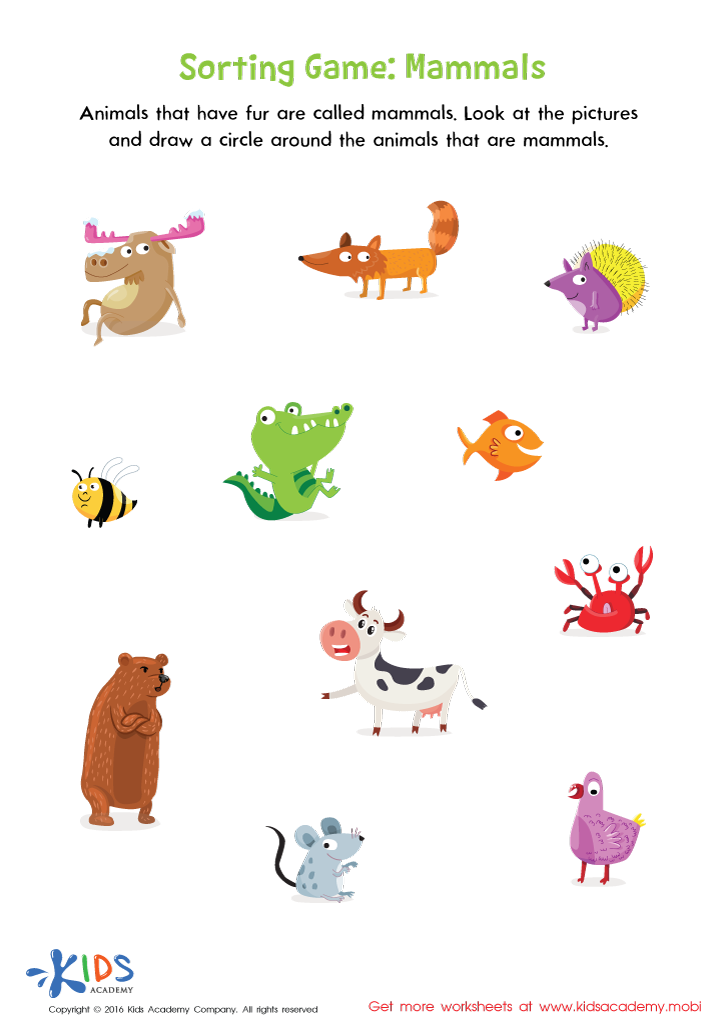
Mammals Sorting Worksheet
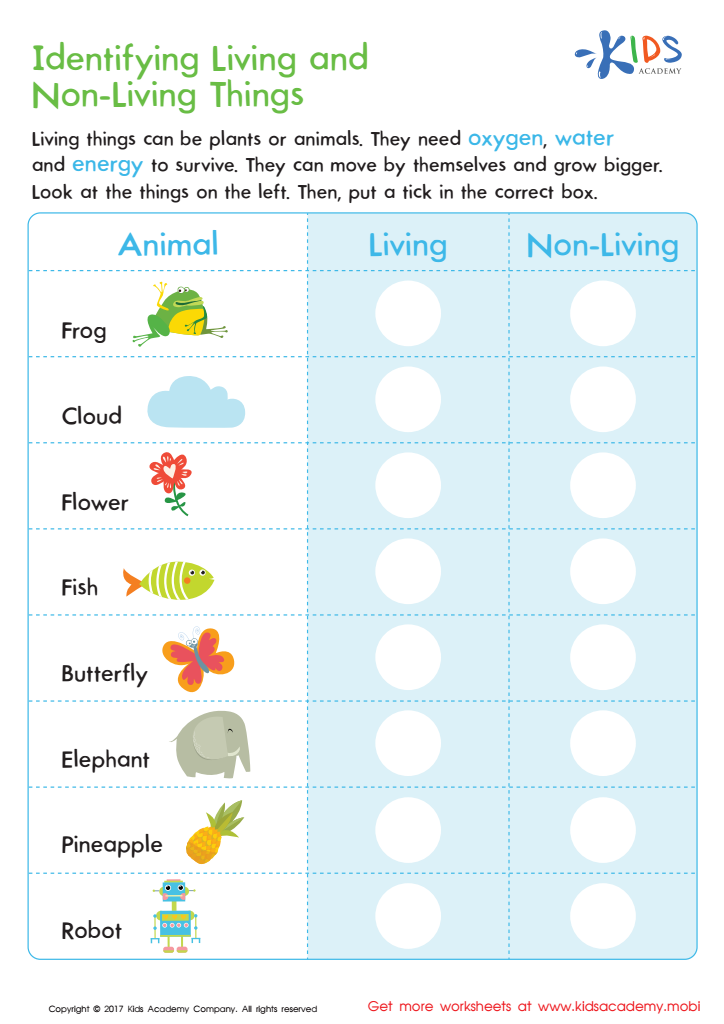
Identifying Living or Non–living Worksheet


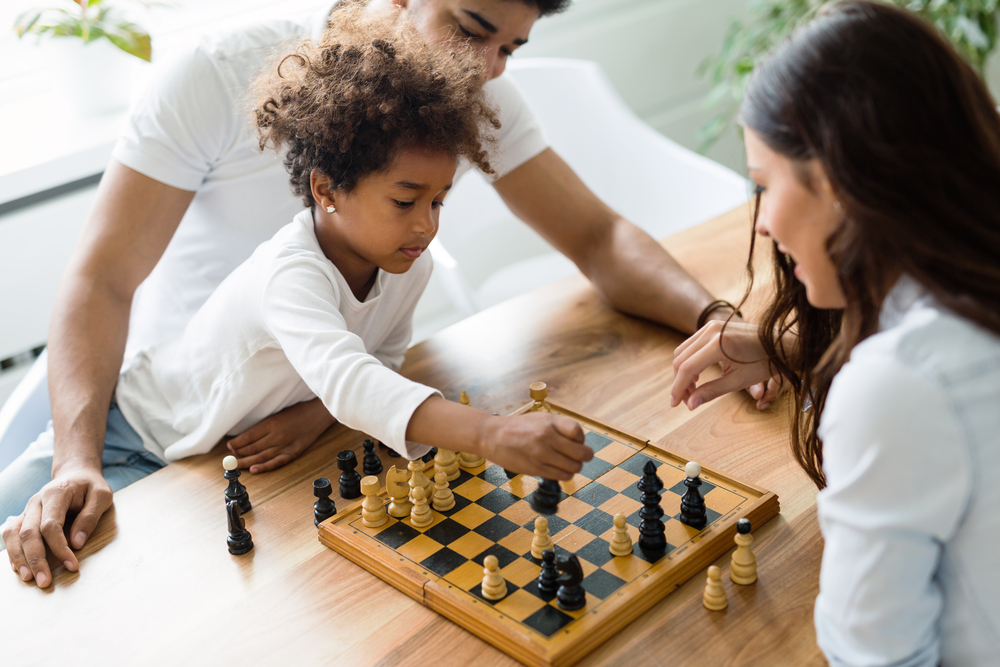



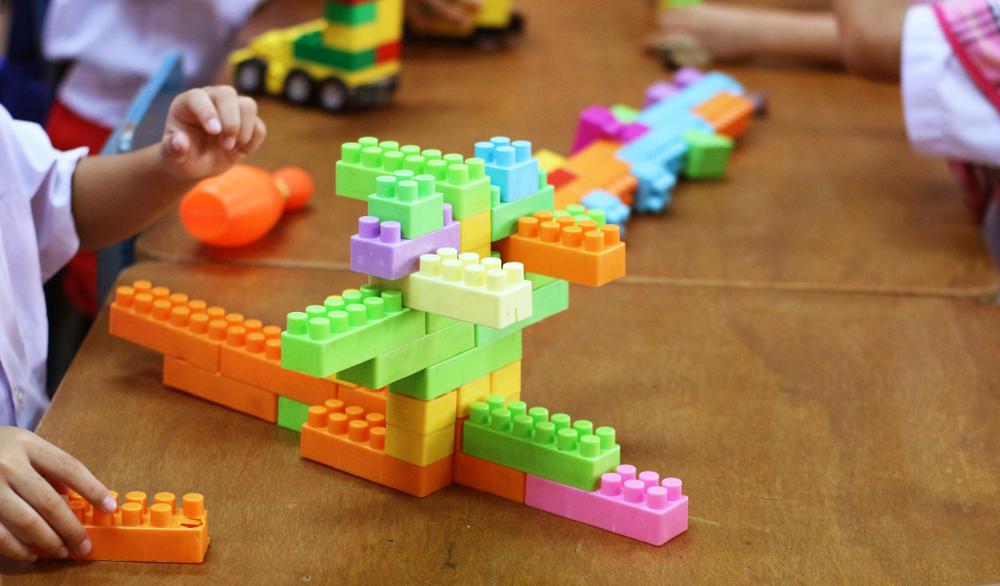

Categorization skills are essential for young children as they navigate and understand the world around them. For parents and teachers, fostering these skills in children aged 4-5 is crucial for developmental growth and learning.
At this age, children begin to make sense of their surroundings by grouping objects, people, and concepts. Through categorization, they enhance their cognitive abilities, improve critical thinking, and boost problem-solving skills. For example, when children sort toys by color, shape, or type, they develop their visual and spatial skills, laying a foundation for later math and science learning. Additionally, categorization promotes language development as children learn new vocabulary and concepts—terms like "fruits," "animals," and "shapes."
In social contexts, categorization helps children understand similarities and differences, fostering empathy and collaboration as they learn to relate with others. It also enhances their ability to organize information, making it easier for them to communicate and share ideas.
By emphasizing categorization skills, parents and teachers not only support cognitive and linguistic development but also create a more engaging and absorbed educational environment. By recognizing the significance of these skills, they can better prepare children for future academic challenges and everyday life scenarios.