Alphabet Recognition Grammar Worksheets for Ages 4-5
3 filtered results
-
From - To
Give your child a head start in reading with our engaging Alphabet Recognition Grammar Worksheets for Ages 4-5. Designed by educational experts, these worksheets combine fun and learning, helping young learners identify letters and grasp basic grammar concepts effortlessly. Tailored activities boost your child’s ability to recognize both uppercase and lowercase letters, setting a solid foundation for literacy. Colorful illustrations and interactive exercises keep kids motivated and eager to learn. Perfect for classroom use or at-home practice, our worksheets are the ideal resource to support early reading skills, ensuring your child is well-prepared for future academic success.
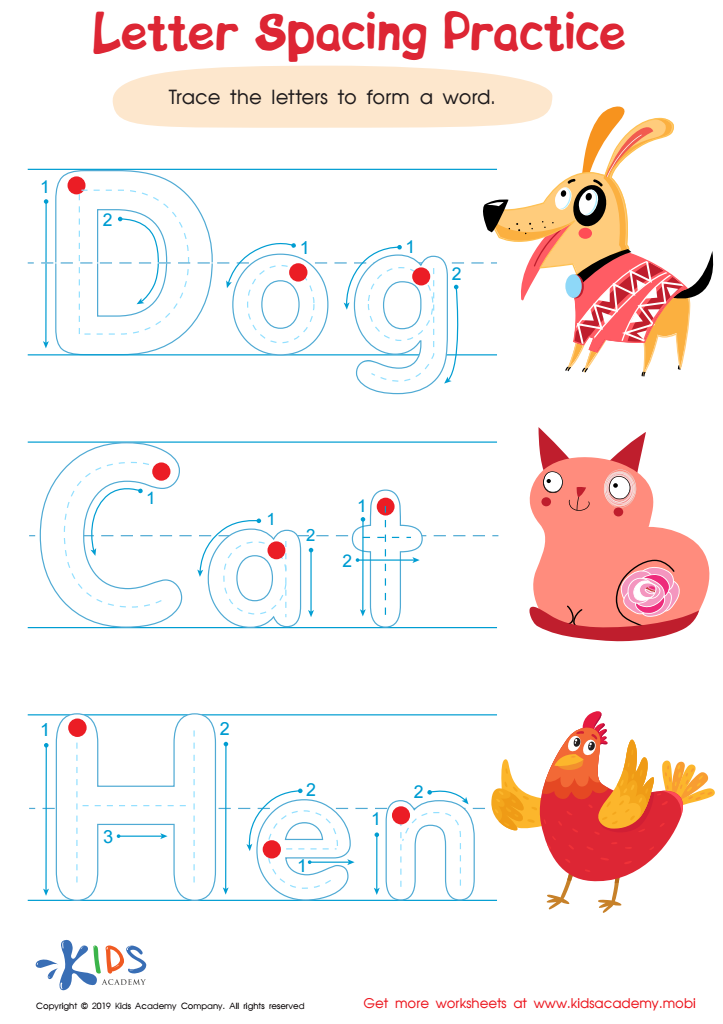
Letter Spacing Practice Worksheet
 Assign to My Students
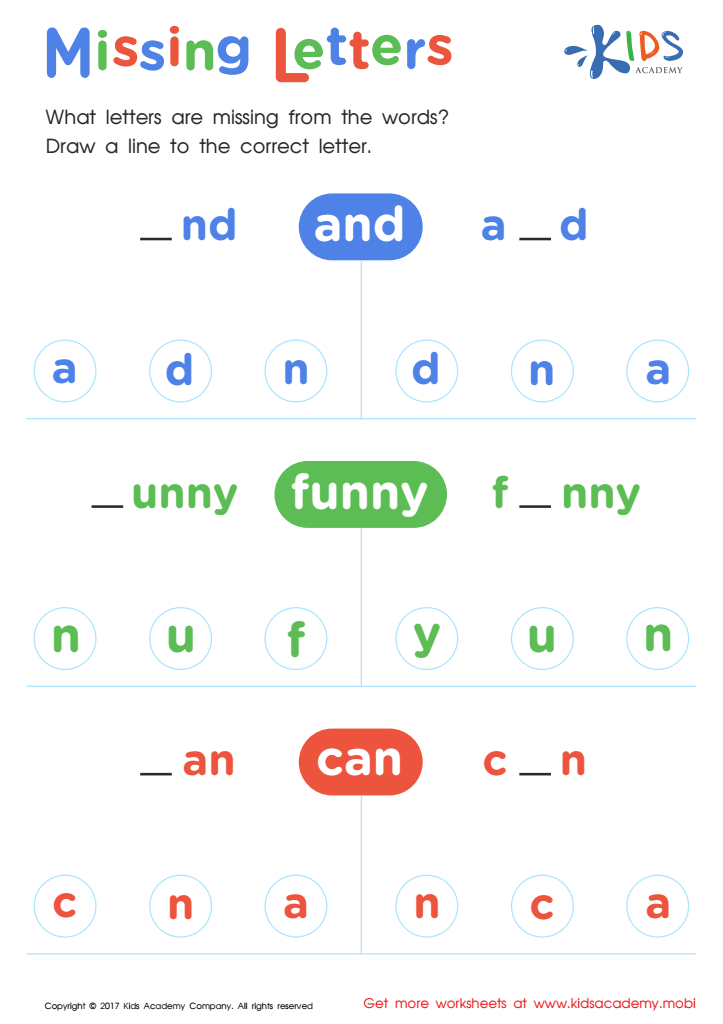
Missing Letters Worksheet
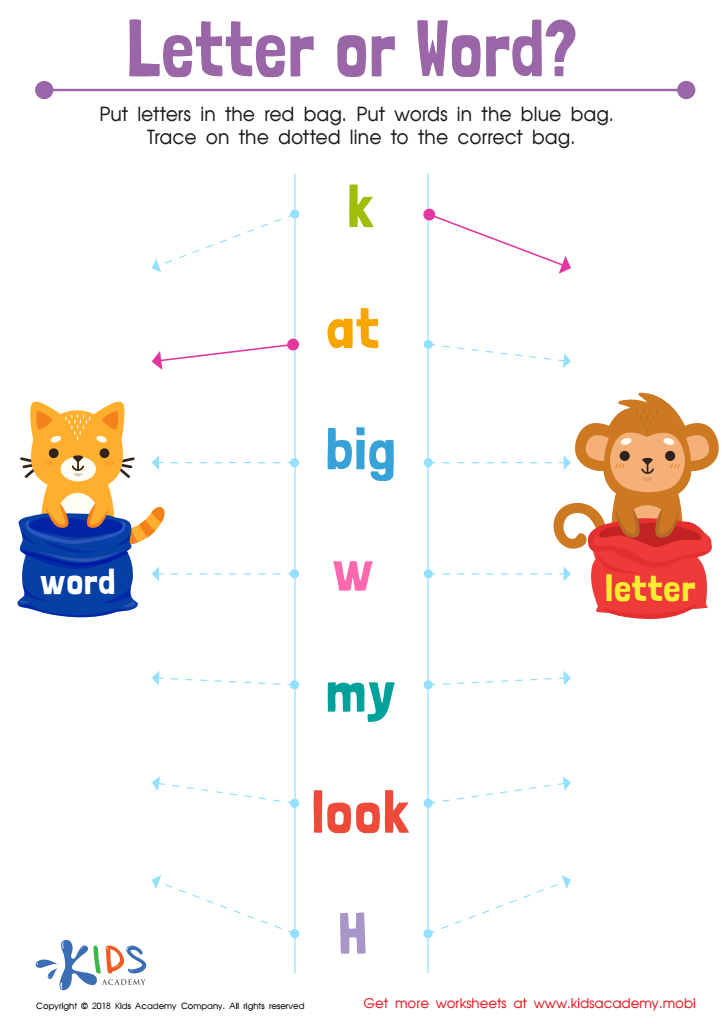
Letter or Word? Worksheet



.jpg)
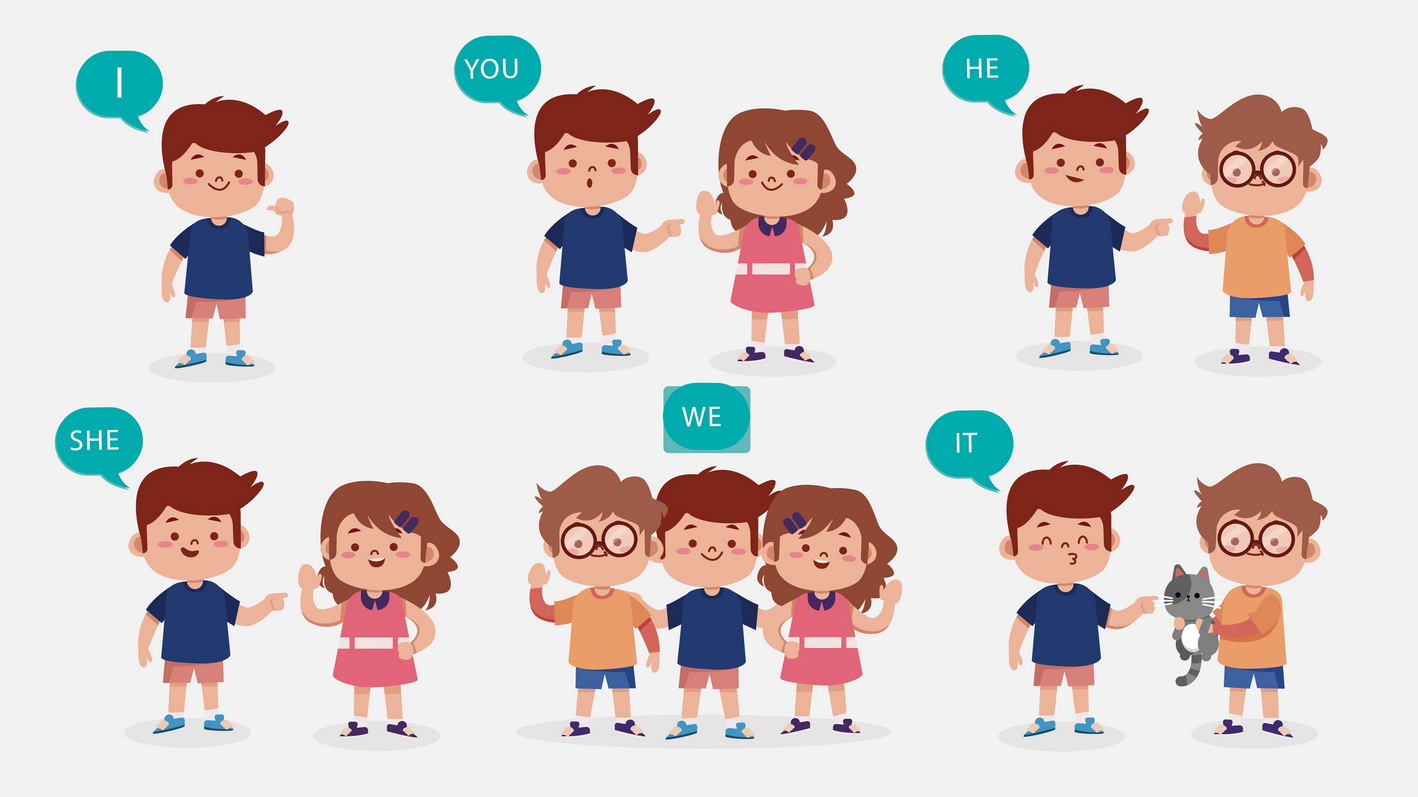

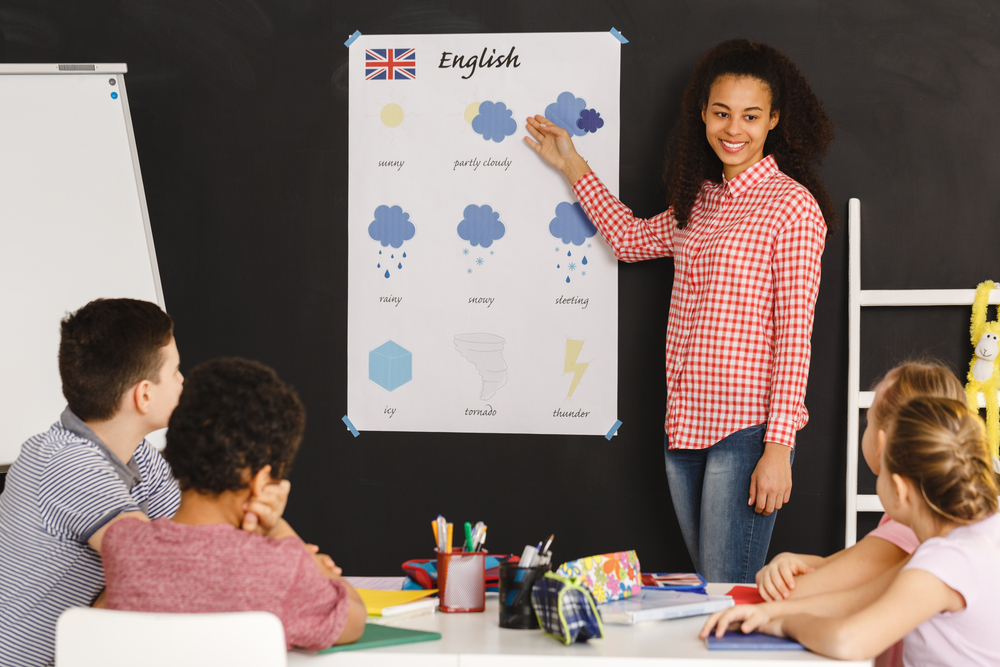

Alphabet recognition is a fundamental skill for young children, typically around ages 4-5, and is a cornerstone for their future literacy development. Understanding and recognizing letters is the first step toward becoming proficient in reading and writing, which are crucial skills for academic success.
When parents and teachers encourage and support alphabet recognition, they are helping children build essential reading readiness skills. Recognizing letters and understanding their corresponding sounds will foster phonemic awareness, the ability to hear, identify, and manipulate phonemes, which is a predictive element in how successfully a child will learn to read. This early literacy experience lays the groundwork for decoding words, which will lead to reading fluency and comprehension.
Moreover, mastering the alphabet enhances a child’s vocabulary and language skills. By identifying capital and lowercase letters and associating them with their sounds and words, children learn to express themselves more clearly. The grammar component begins emerging when kids start forming simple words and sentences, setting the stage for more complex language skills later.
Caring about alphabet recognition means fostering an environment where children can practice these skills through fun and interactive play, storytelling, singing, and reading together. By investing in these foundational literacy skills early on, parents and teachers contribute significantly to a child's overall cognitive development and lifelong learning journey.








