Reading proficiency Alphabet Worksheets for Ages 4-6
6 filtered results
-
From - To
Unlock your child's reading potential with our expertly designed Alphabet Worksheets for ages 4-6. These engaging worksheets combine fun activities with essential learning techniques to boost reading proficiency. Tailored for young learners, each worksheet focuses on phonetic sounds, letter recognition, and vocabulary building. Our resources foster a love for reading while enhancing fine motor skills through tracing and writing exercises. Perfect for parents and educators, these worksheets provide a structured yet enjoyable approach to early literacy development. Help your child master the alphabet and set the foundation for lifelong reading success today! Explore more at Kids Academy.
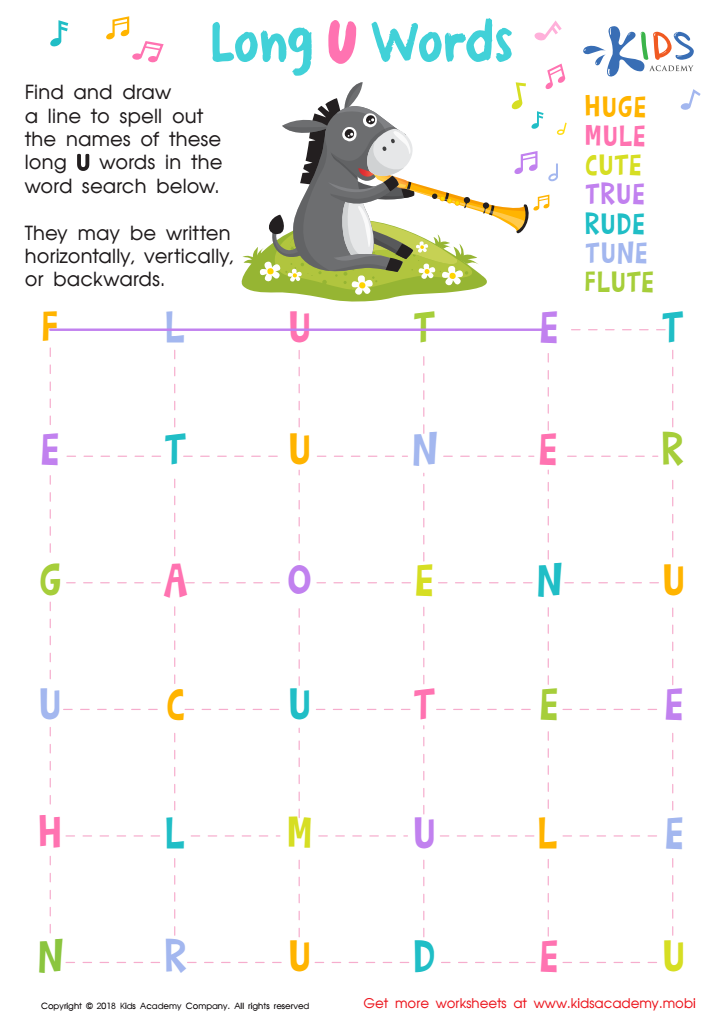
Long /u/ Words Worksheet
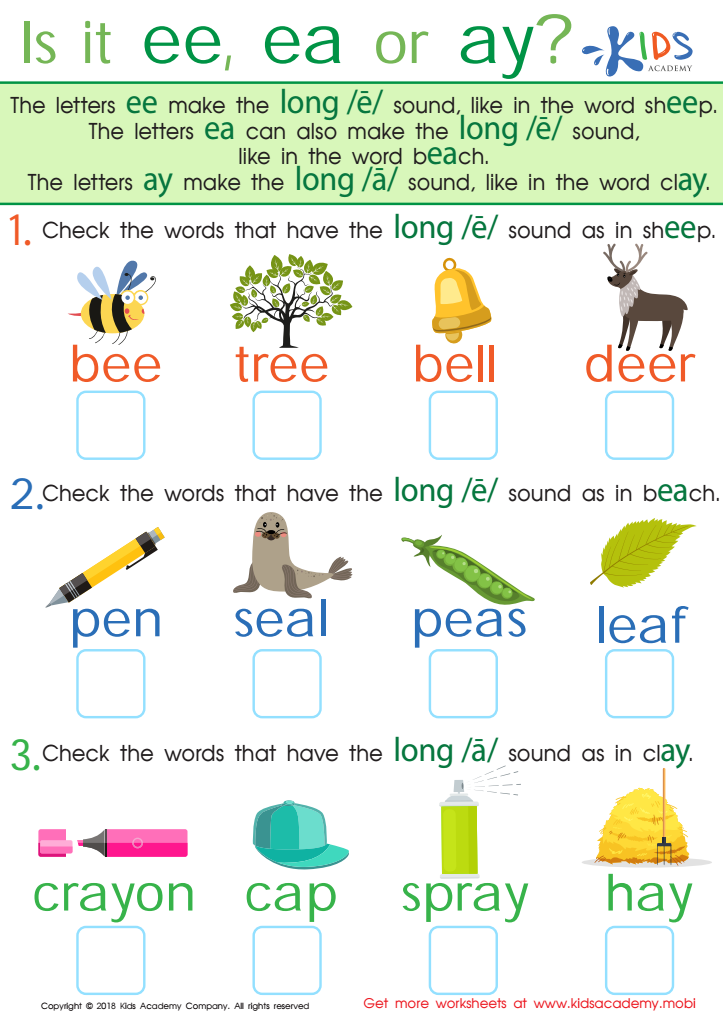
Is It EE, EA, or AY? Worksheet
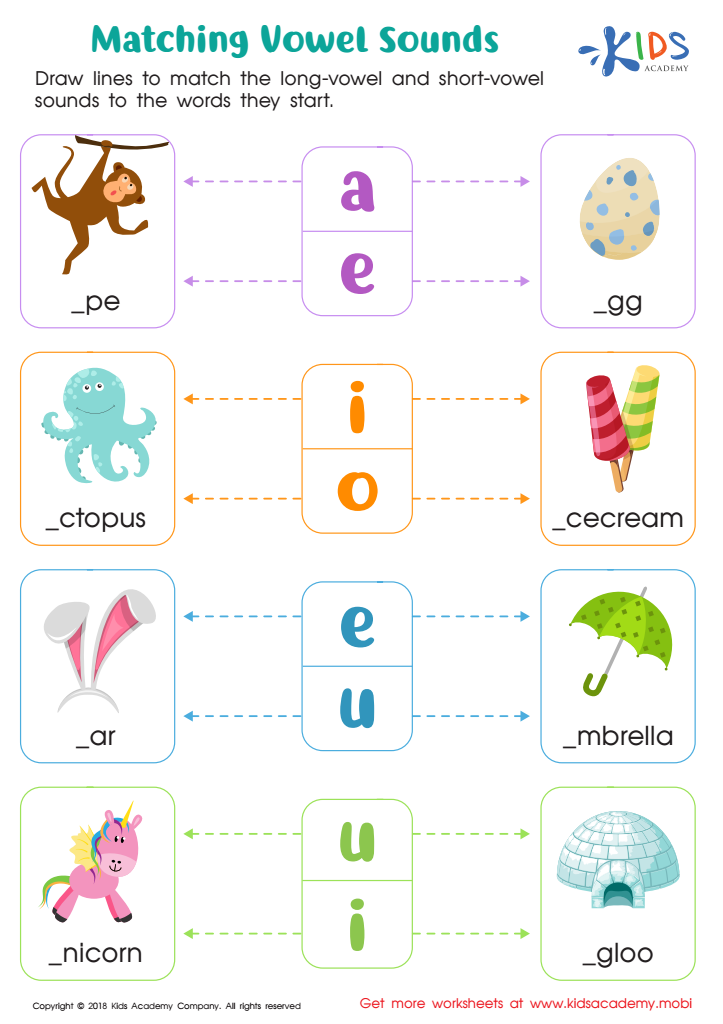
Matching Vowel Sounds Worksheet
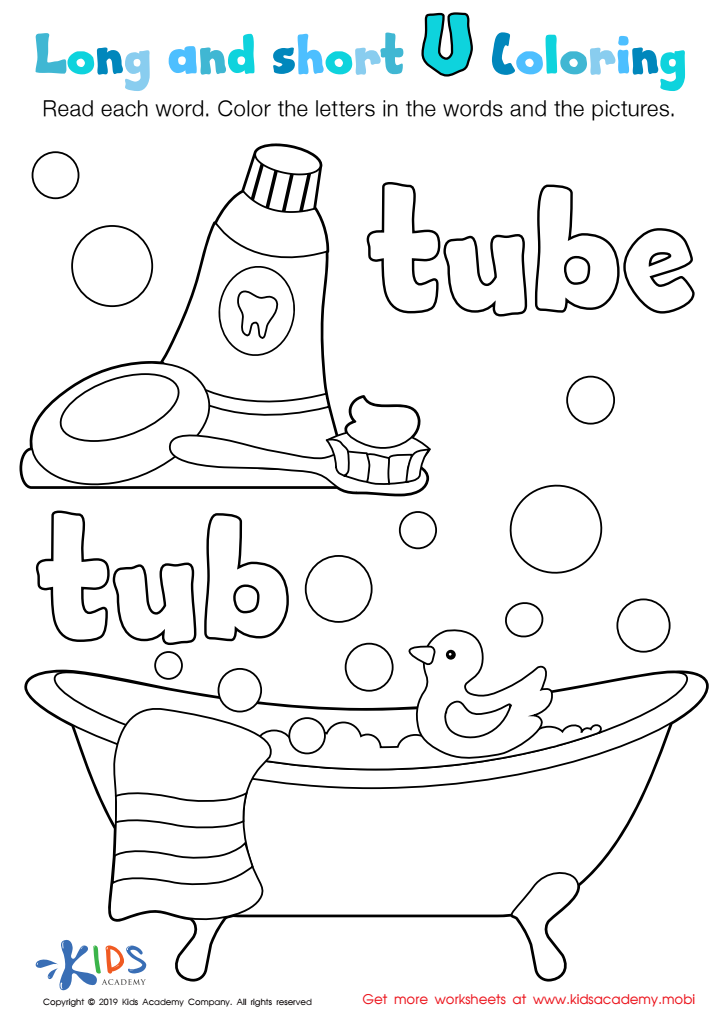
Long and Short U Worksheet
 Assign to My Students
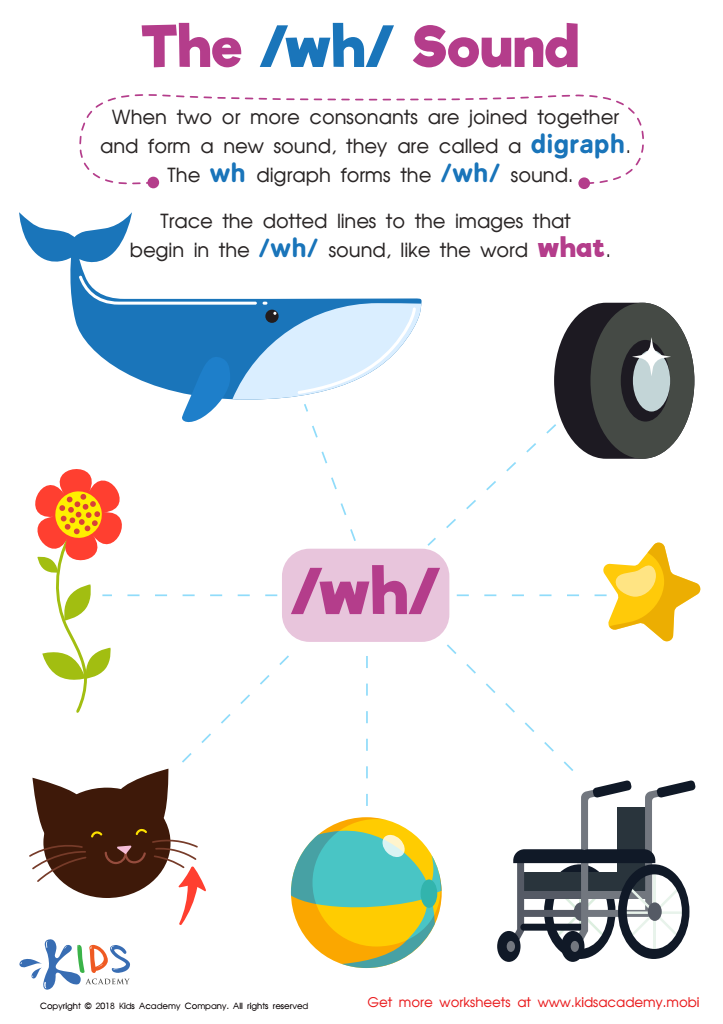
The /wh/ Sound Worksheet
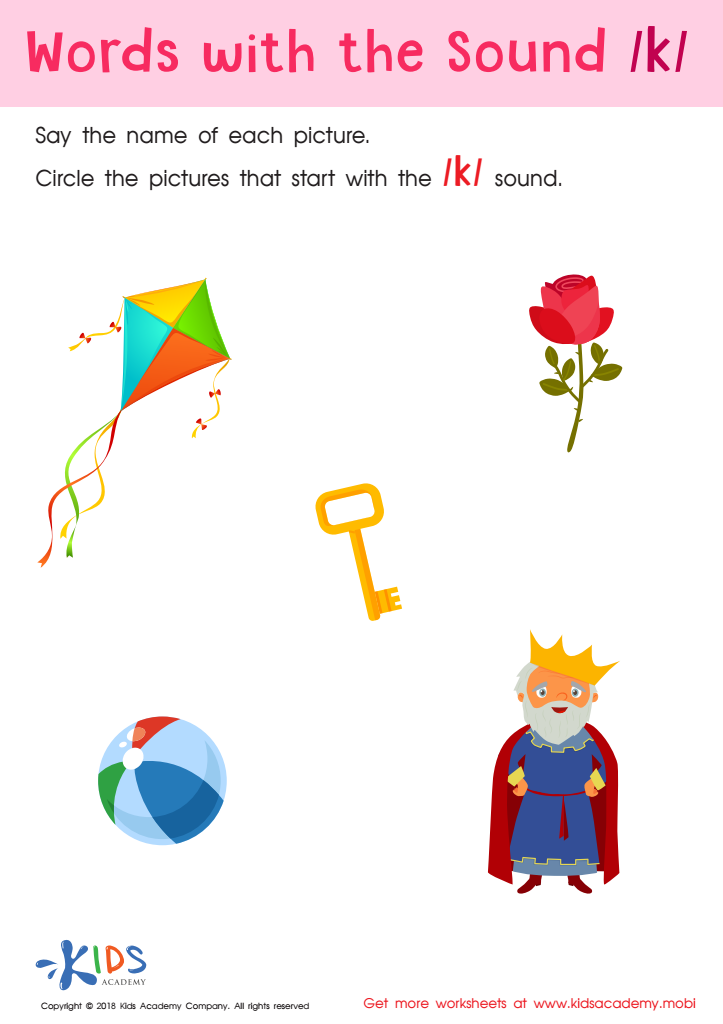
Words with sound k Reading Worksheet






Reading proficiency in the alphabet for children ages 4-6 is crucial because it forms the foundation for overall literacy development. Mastery of the alphabet is a key milestone in early childhood education, setting the stage for future academic success. For parents and teachers, prioritizing this skill means helping children recognize letters and associate them with their corresponding sounds, which are fundamental components of reading and writing.
During these formative years, a child's brain is highly adaptable and primed for learning. By exposing children to the alphabet early, they develop phonemic awareness—understanding the different sounds in words—which is a predictor of reading ability. Additionally, early reading proficiency enhances vocabulary, as children begin to decode new words independently and understand their meanings in context.
Moreover, children proficient in the alphabet are more likely to enjoy reading, fostering a lifelong love of books and learning. This enthusiasm translates into improved comprehension skills and academic performance across subjects. Socially, confident readers have better communication skills and self-esteem, enabling them to navigate more complex interactions.
Therefore, parents and teachers should focus on cultivating reading proficiency in the alphabet to ensure that children build a solid educational foundation, setting them on a path to lifelong learning and success.







