Word Recognition Alphabet Worksheets for Ages 4-6 - Page 2
26 filtered results
-
From - To
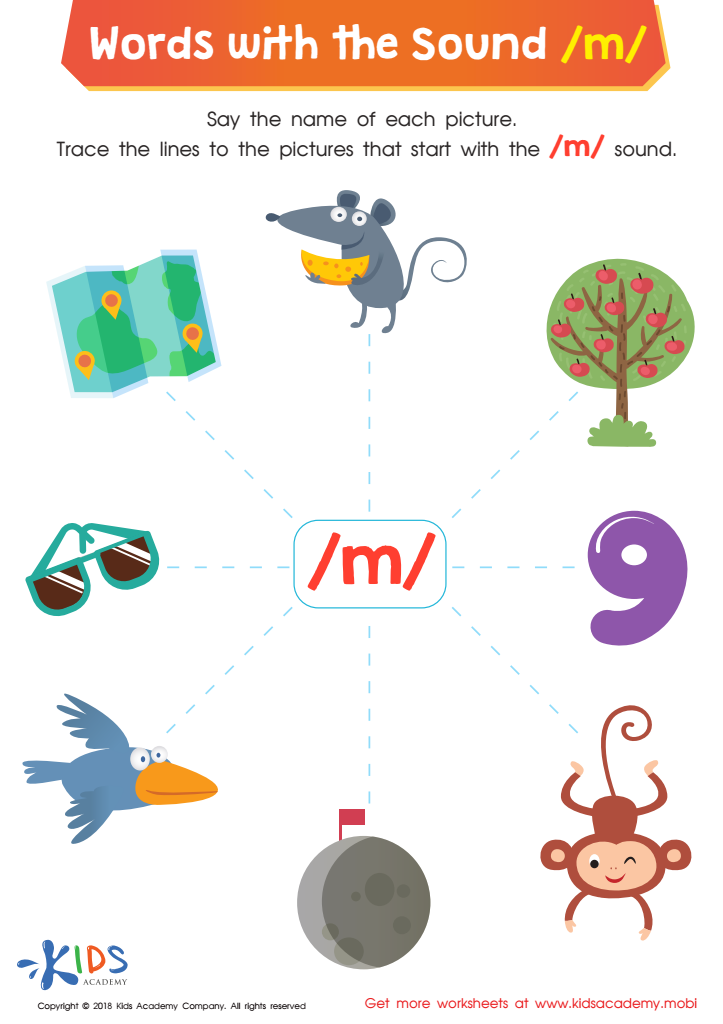
Words with Sound M Reading Worksheet
 Assign to My Students
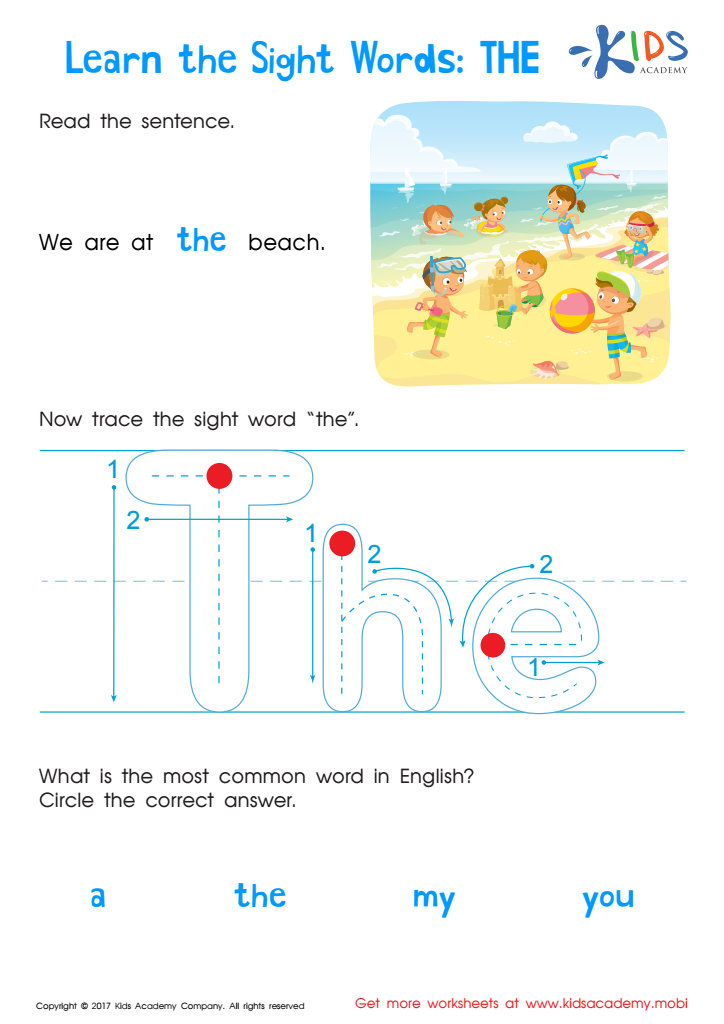
Sight Words: The Worksheet






.jpg)
Word recognition is a crucial component of early literacy development for children aged 4 to 6. For parents and teachers, understanding and fostering word recognition can have lasting effects on a child's reading ability and overall academic success. At this age, children are building foundational skills necessary for reading fluency. By recognizing and interpreting words quickly, children can focus more on comprehension rather than decoding.
Introducing the Alphabet through engaging activities helps create a positive learning environment, sparking children's curiosity and enthusiasm for reading. Parents and teachers should care because effective word recognition strategies can lead to improved vocabulary development, which is essential for effective communication and expression.
Furthermore, early mastery of the Alphabet can identify children who may need additional support, ensuring they receive appropriate interventions before gaps in learning widen. Encouraging activities such as songs, games, and flashcards promotes not only retention of letter-sound relationships but also builds confidence in young learners. Supporting word recognition at this critical age sets the stage for lifelong literacy skills, enabling children to thrive academically and personally as they progress through school and beyond. Investing in these skills is essential for nurturing proficient readers and confident learners.







