Reading comprehension Phonics Worksheets for Ages 4-6
60 filtered results
-
From - To
Welcome to our engaging Reading Comprehension Phonics Worksheets designed for children ages 4 to 6! These worksheets are perfect for young learners to enhance their phonics skills while improving their reading comprehension. Our fun and interactive activities focus on letter sounds, vocabulary building, and sentence structure, encouraging a love for reading from an early age. With colorful illustrations and age-appropriate content, these worksheets capture children's attention, making learning enjoyable. Parents and educators can easily access printable resources that align with early childhood literacy goals. Foster your child's reading journey today with our specialized phonics worksheets!
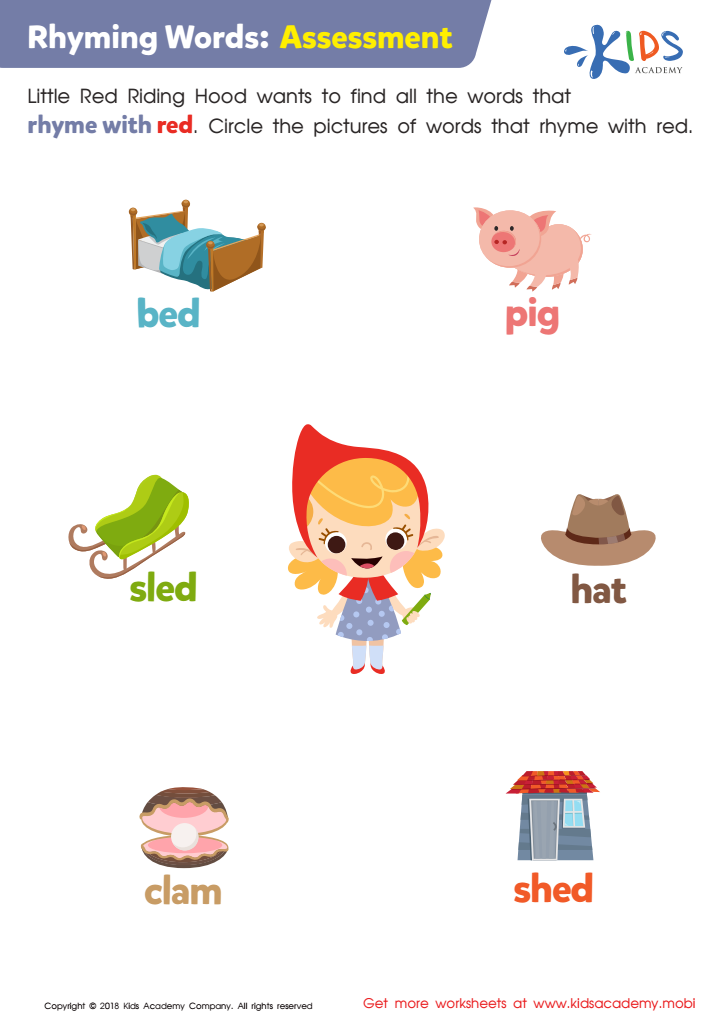
Rhyming Words: Assessment Worksheet
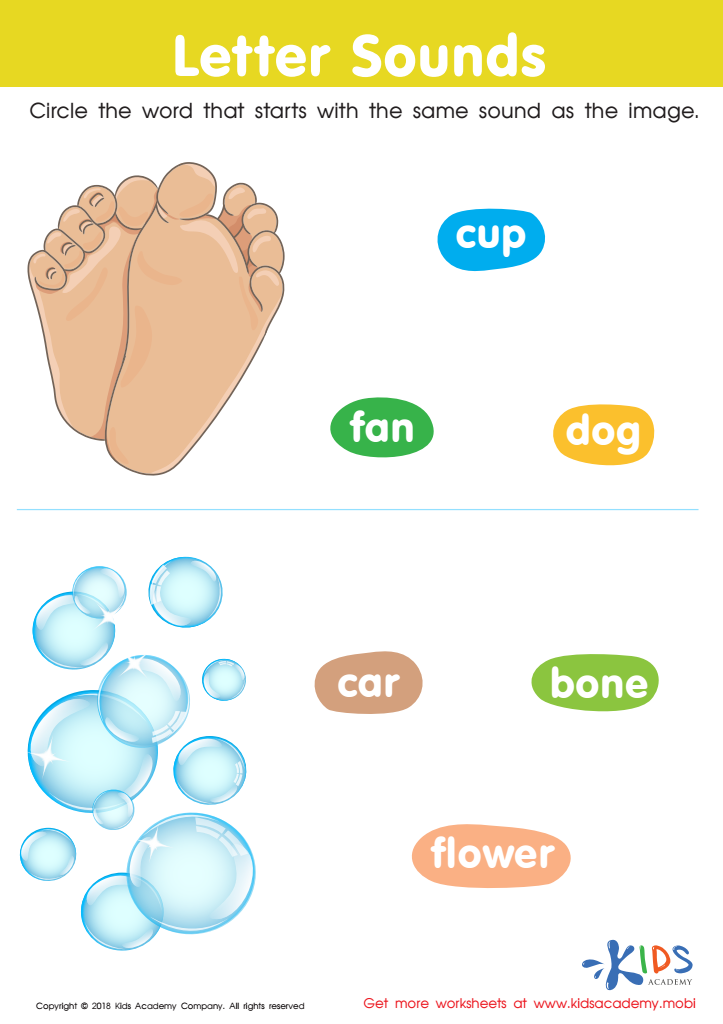
letter sounds Worksheet
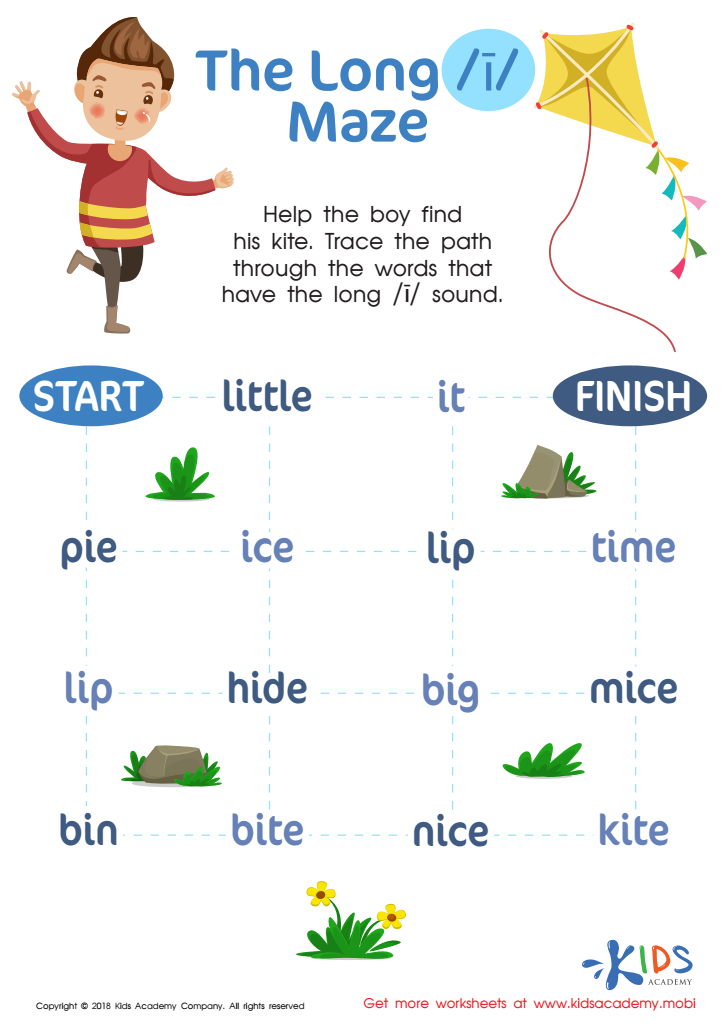
The Long I Maze Reading Worksheet
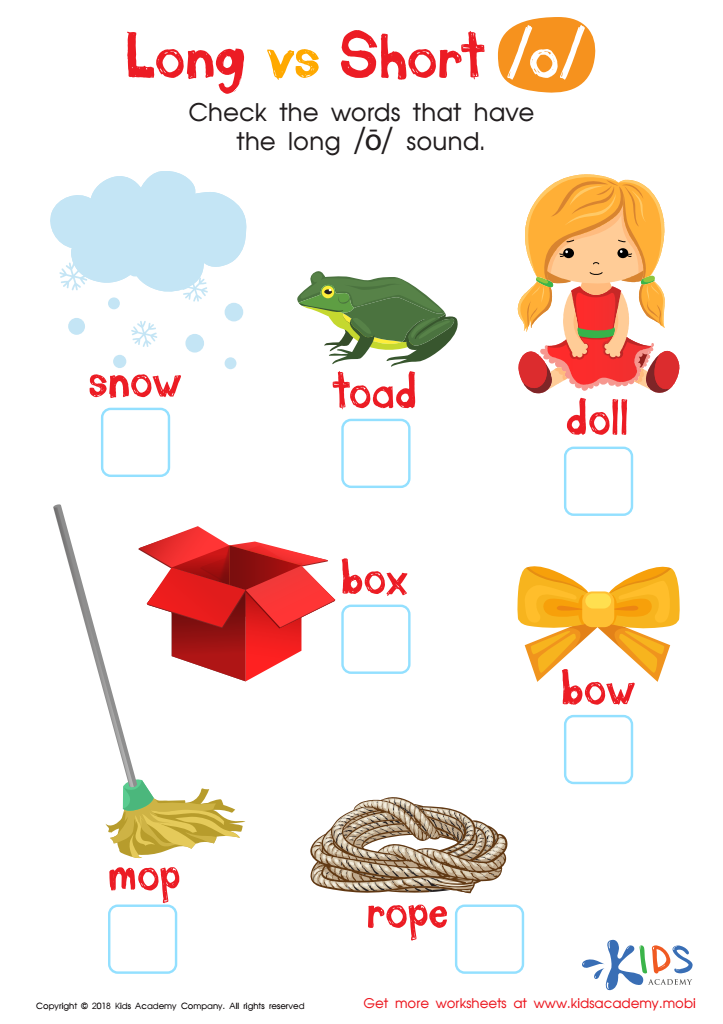
Long vs Short O Reading Worksheet
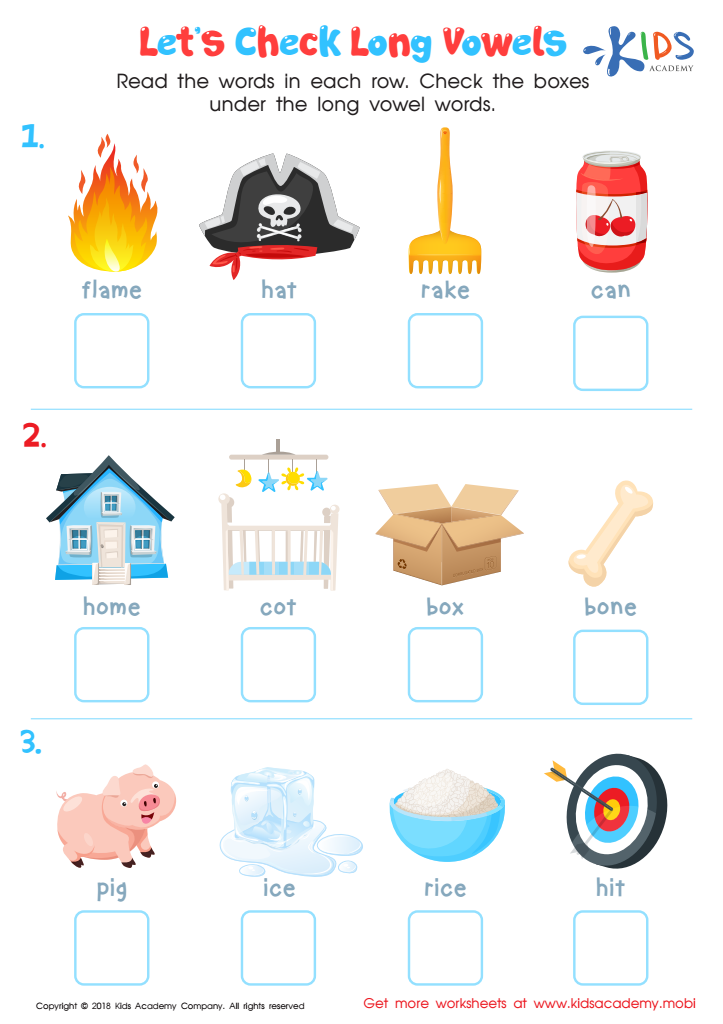
Let's Check Long Vowels: Assessment Worksheet
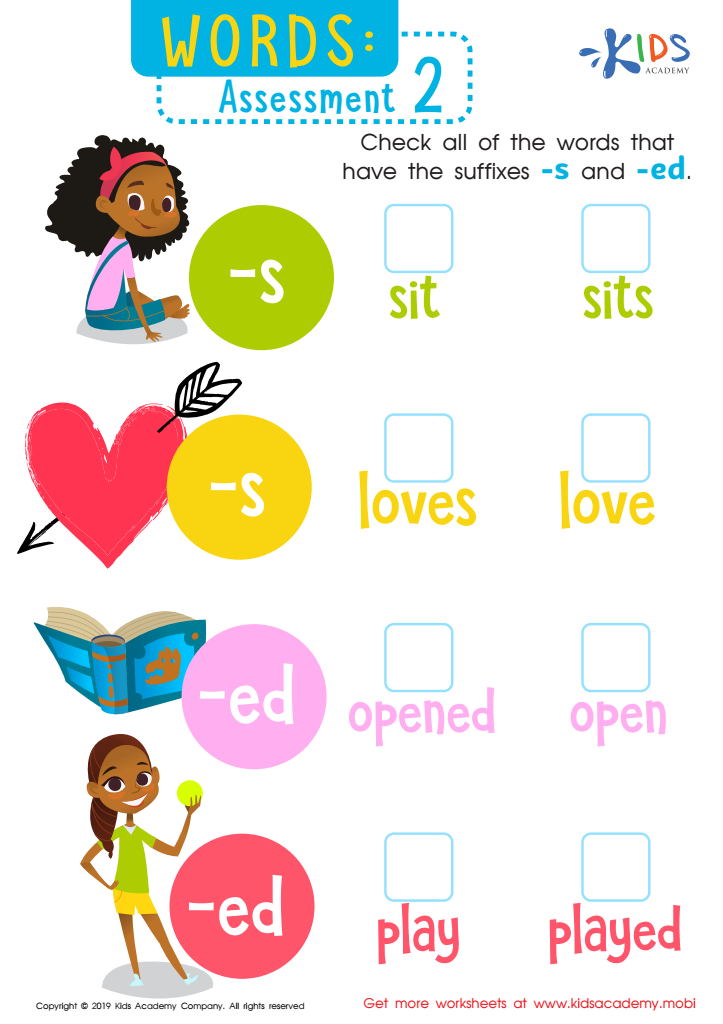
Words: Assessment 2 Worksheet
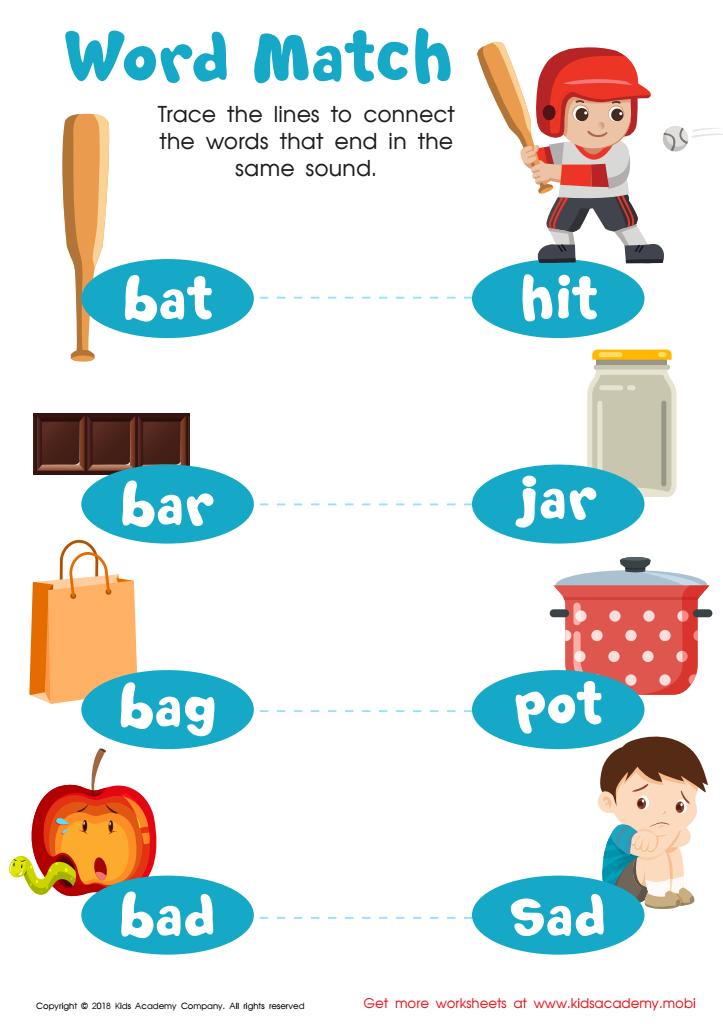
Word Match Reading Worksheet
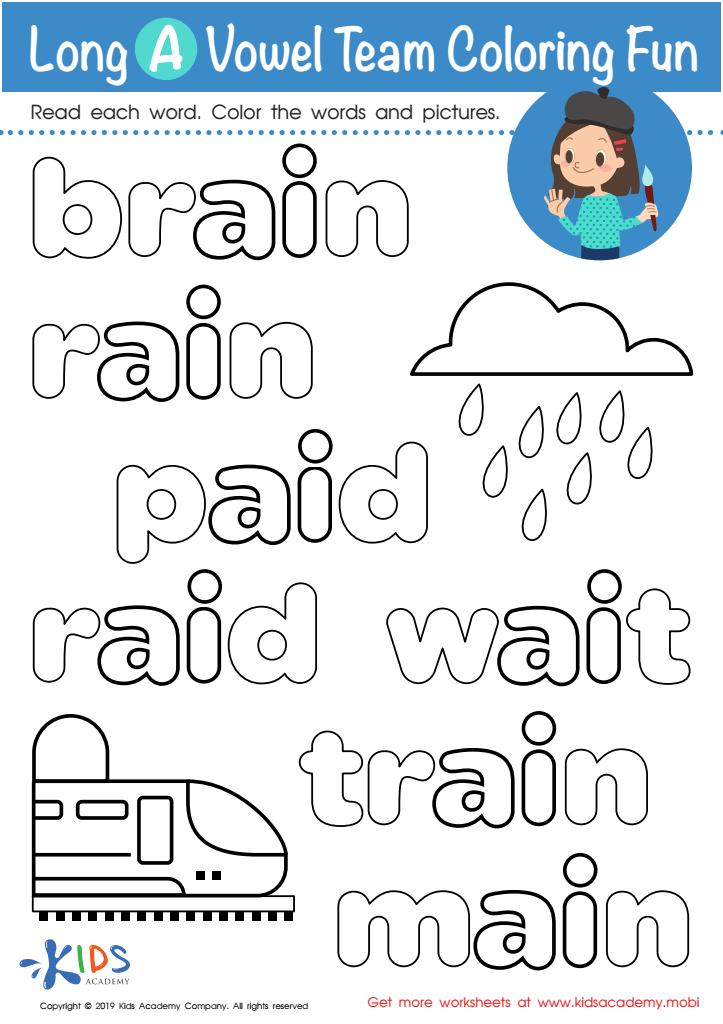
Long A Vowel Team Coloring Fun Worksheet
 Assign to My Students
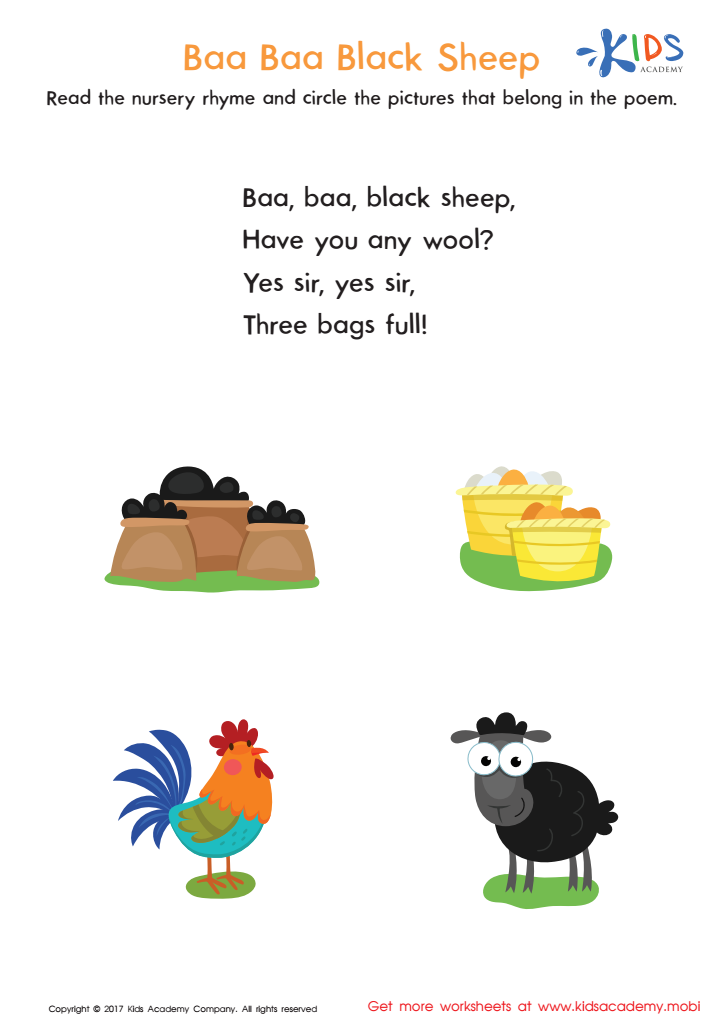
Baa Baa Black Sheep Printable
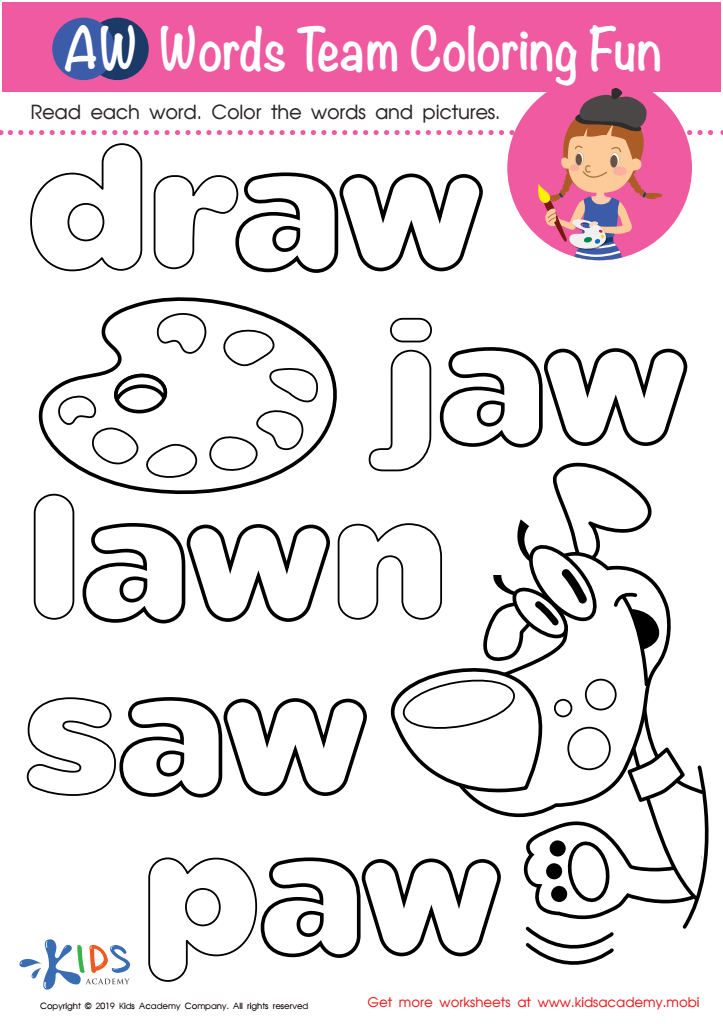
AW Words Team Coloring Fun Worksheet
Assign to My Students
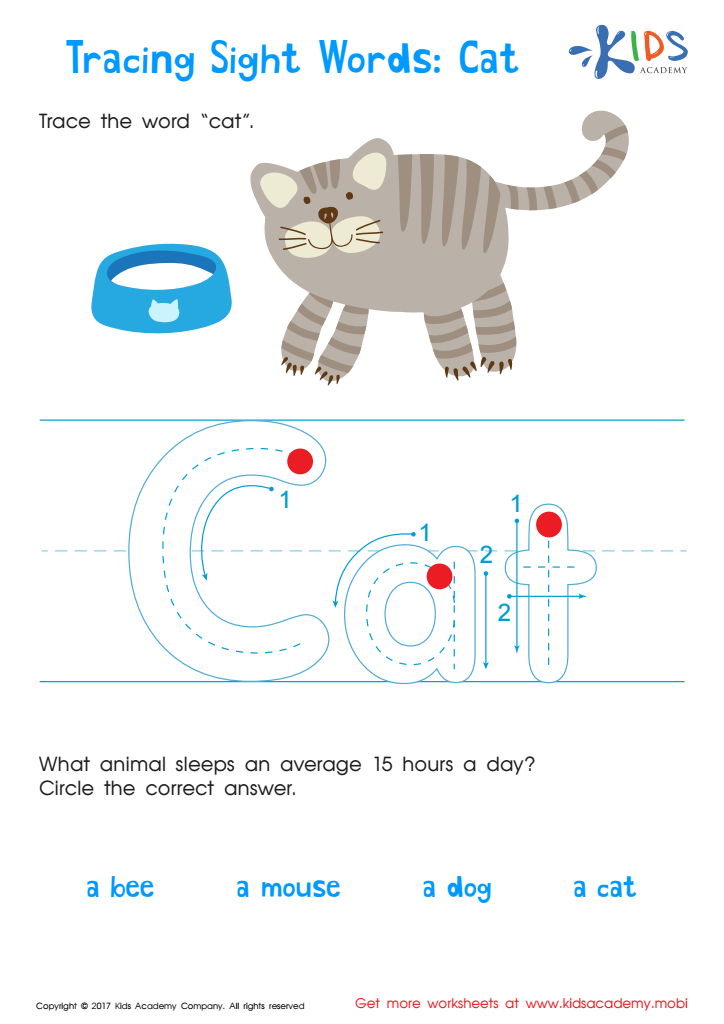
Cat Printable Sight Words Worksheet
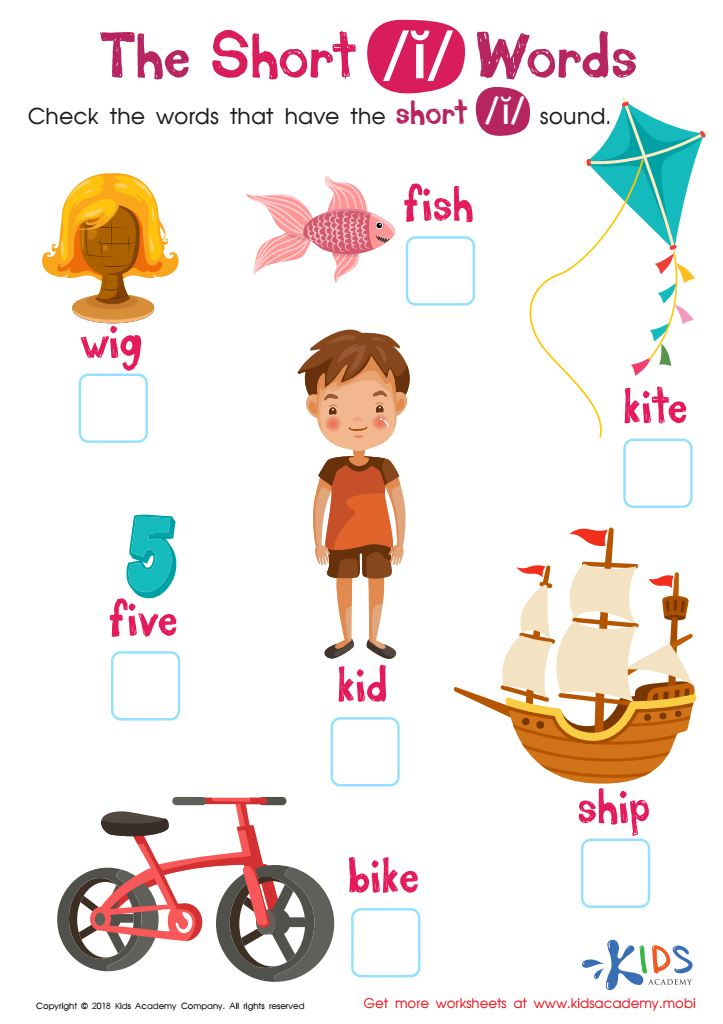
The Short I Words Reading Worksheet
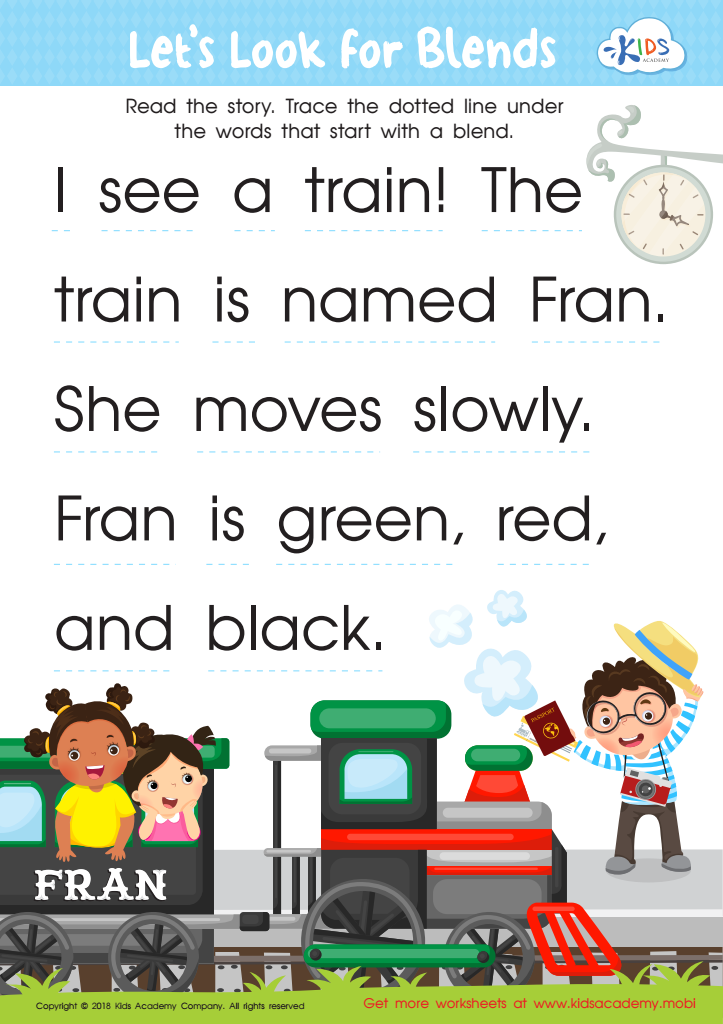
Let's Look for Blends Worksheet
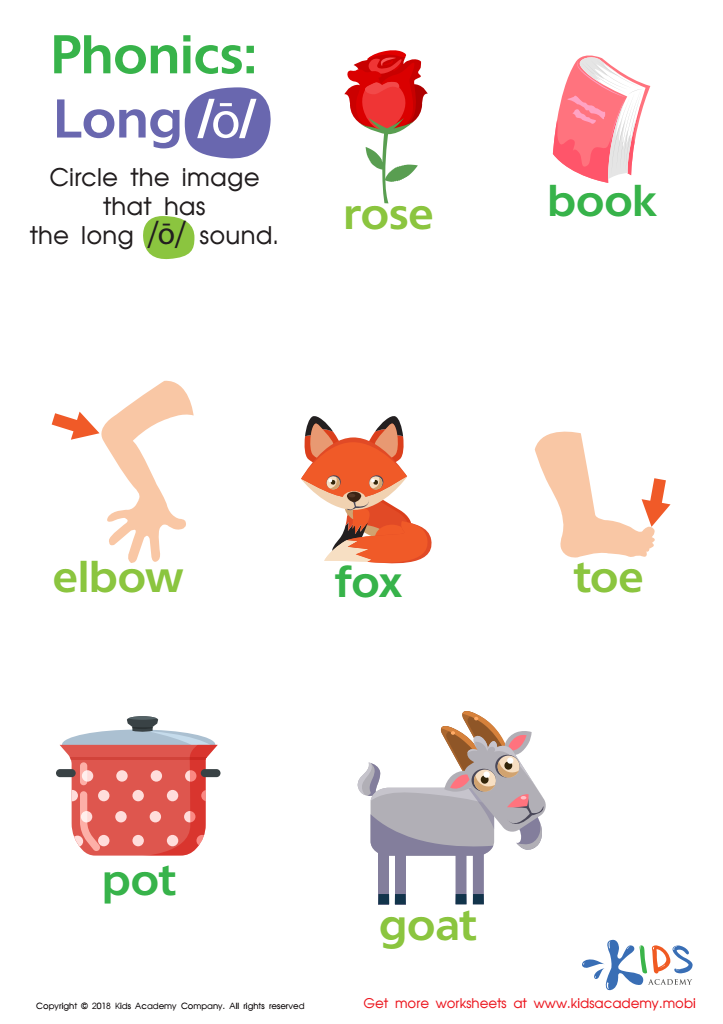
Phonics Long O Reading Worksheet
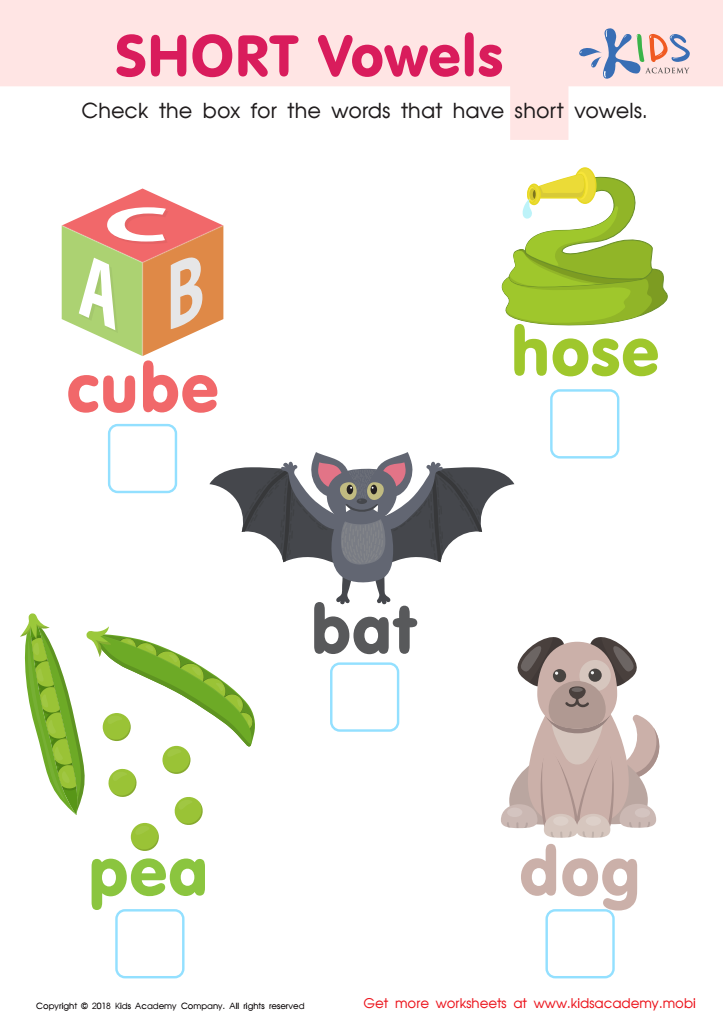
short vowels Worksheet
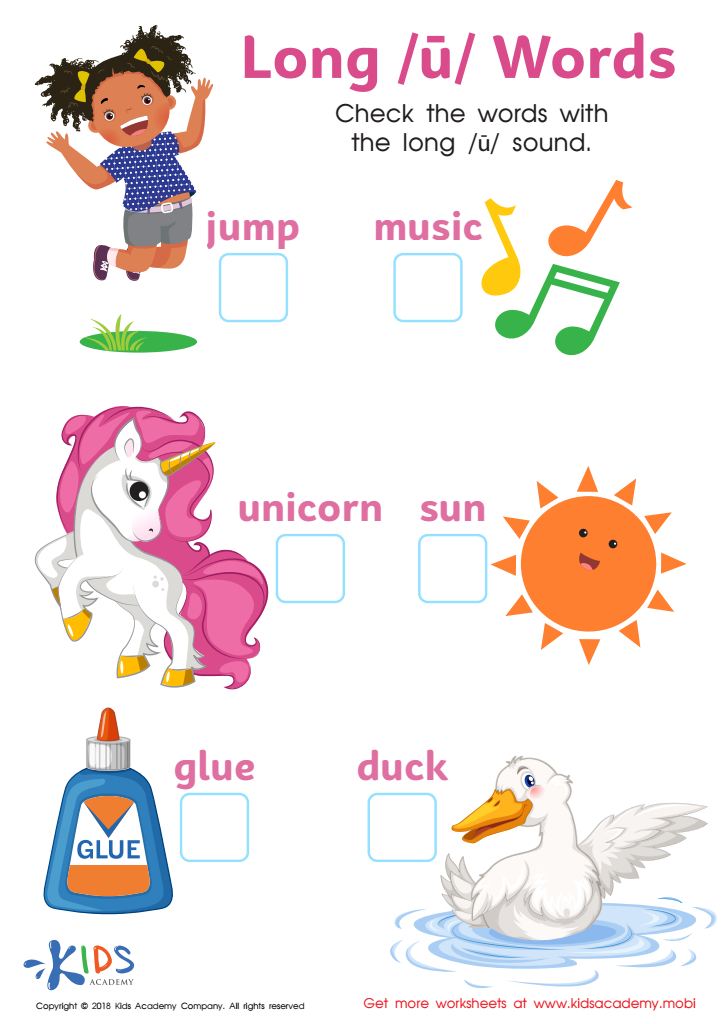
Long U Words Reading Worksheet
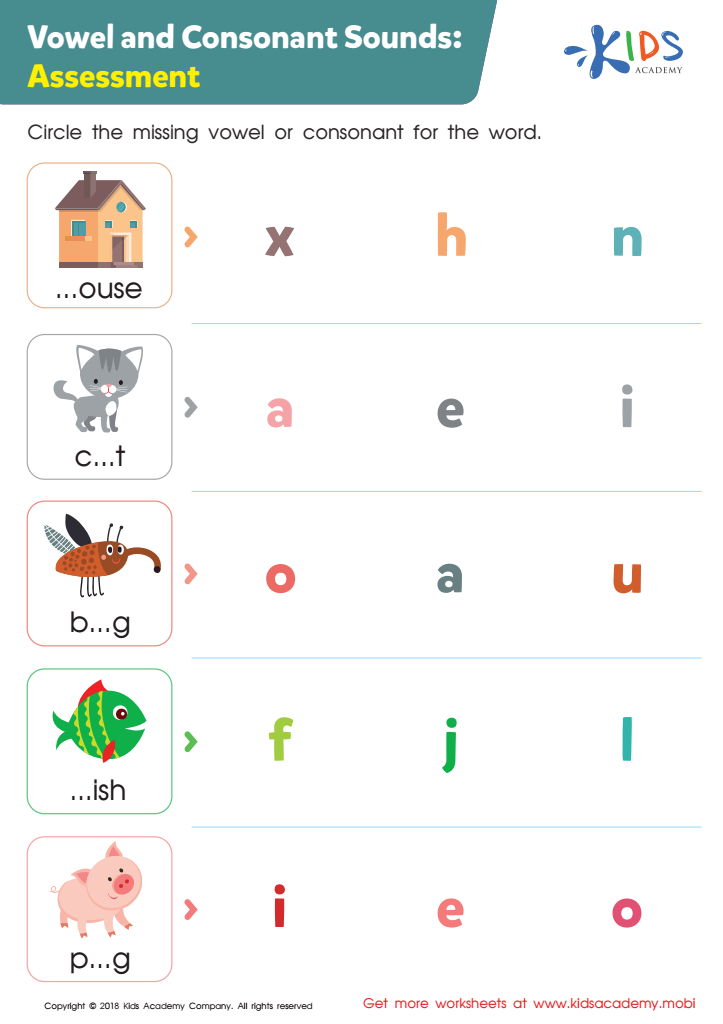
Vowel and Consonant Sounds: Assessment Worksheet
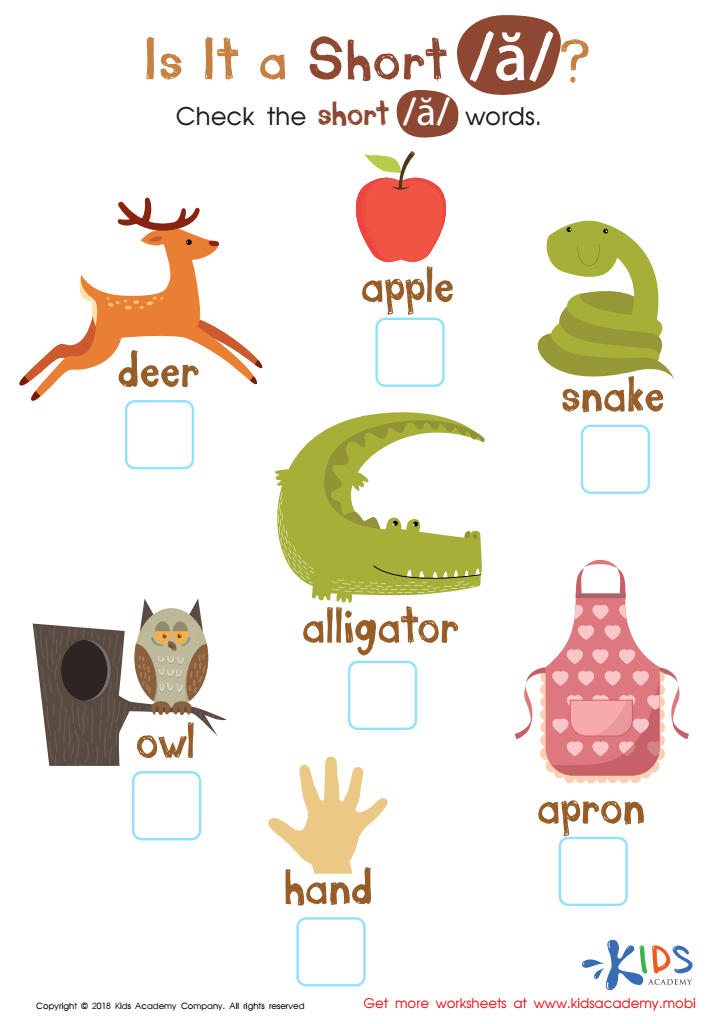
Is It Short A? Reading Worksheet
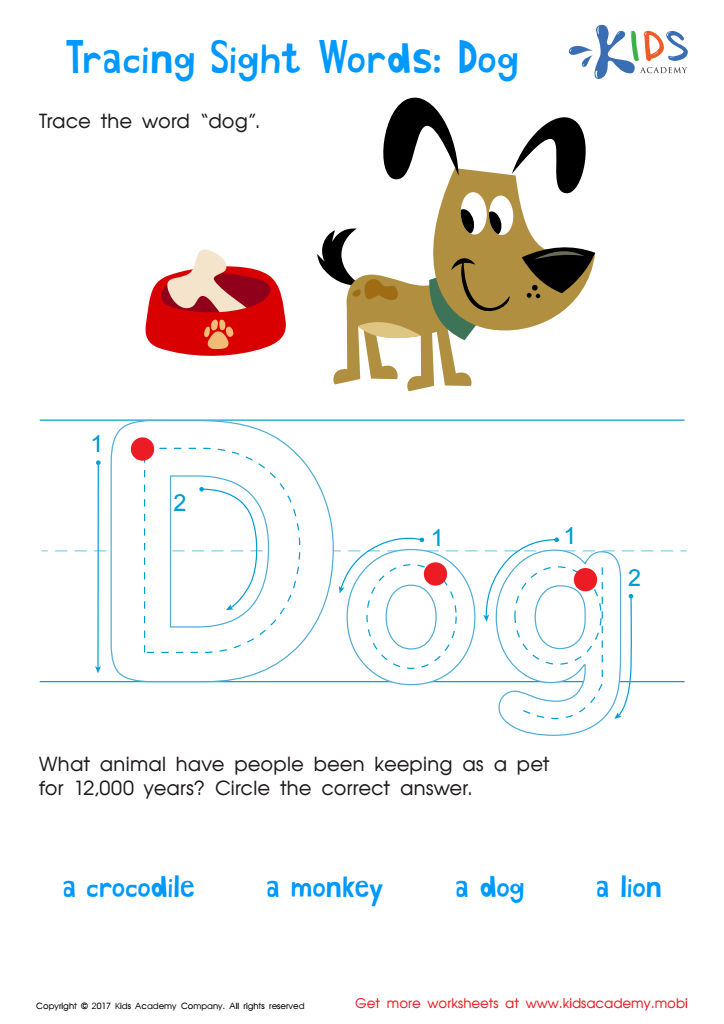
Dog Worksheet Sight Words Worksheet
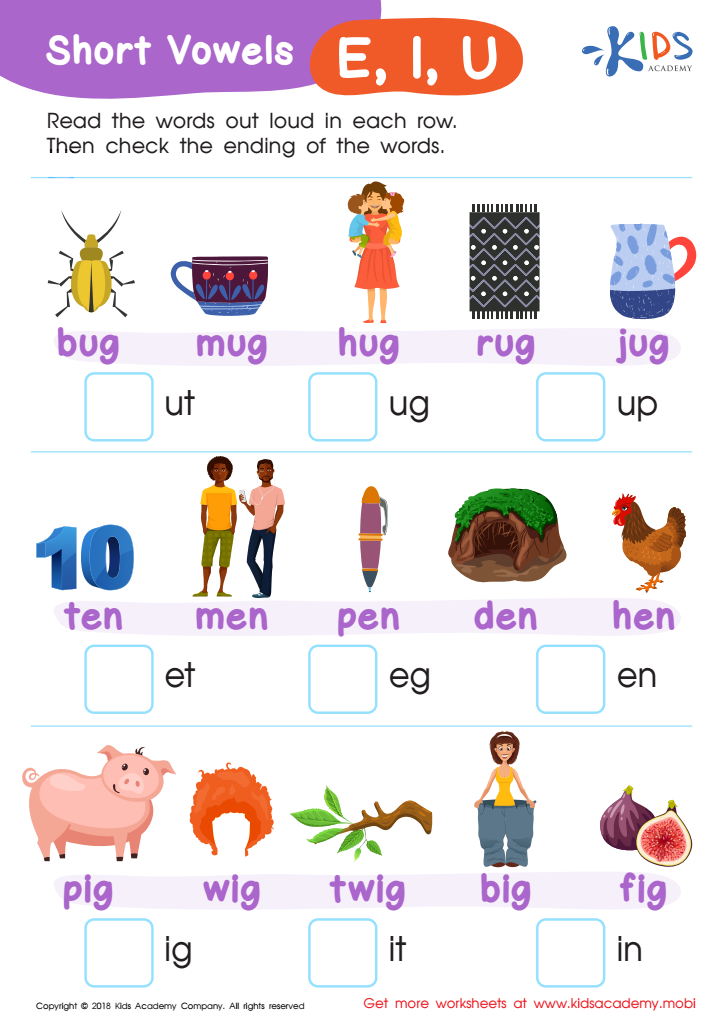
Short Vowels /e/, /i/, and /u/ Worksheet
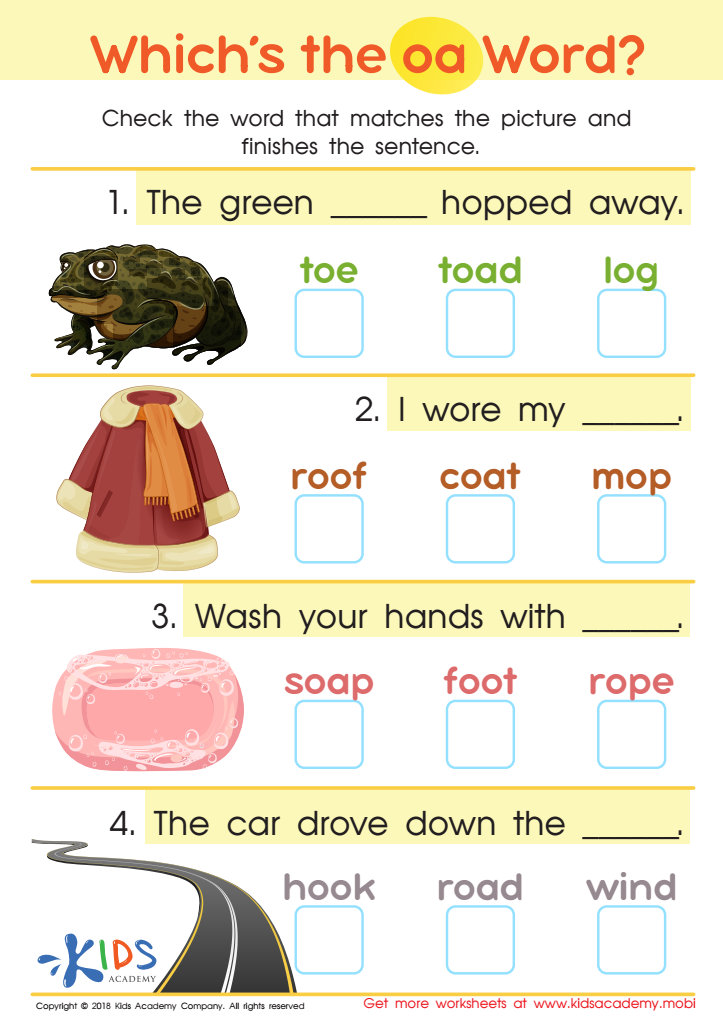
Which's the OA Word? Worksheet
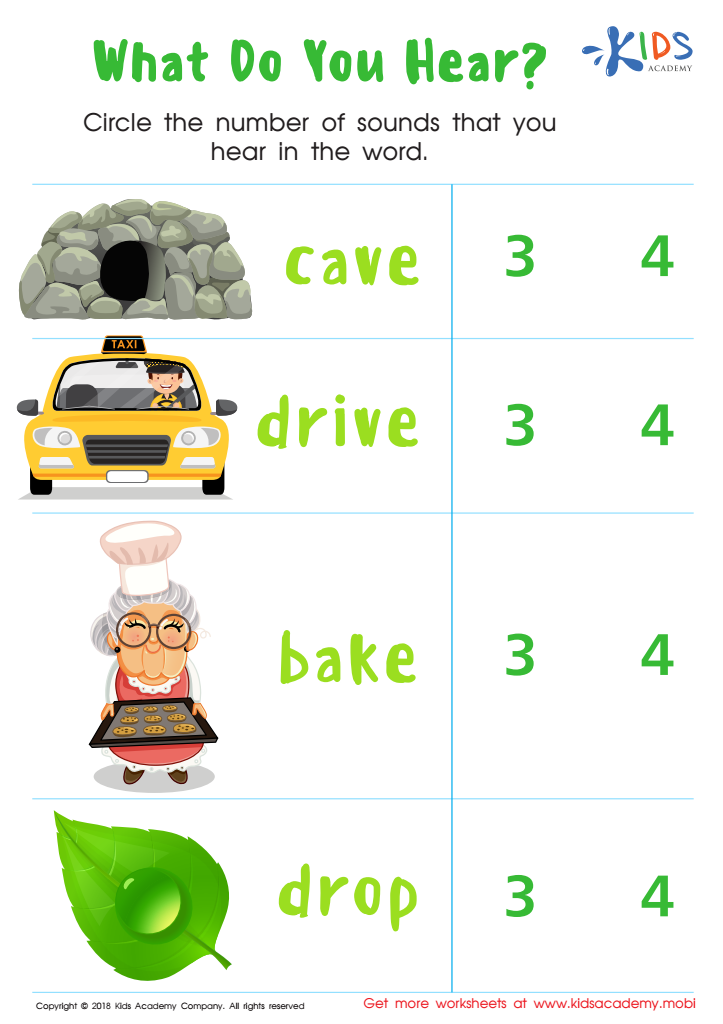
What Do You Hear? Worksheet
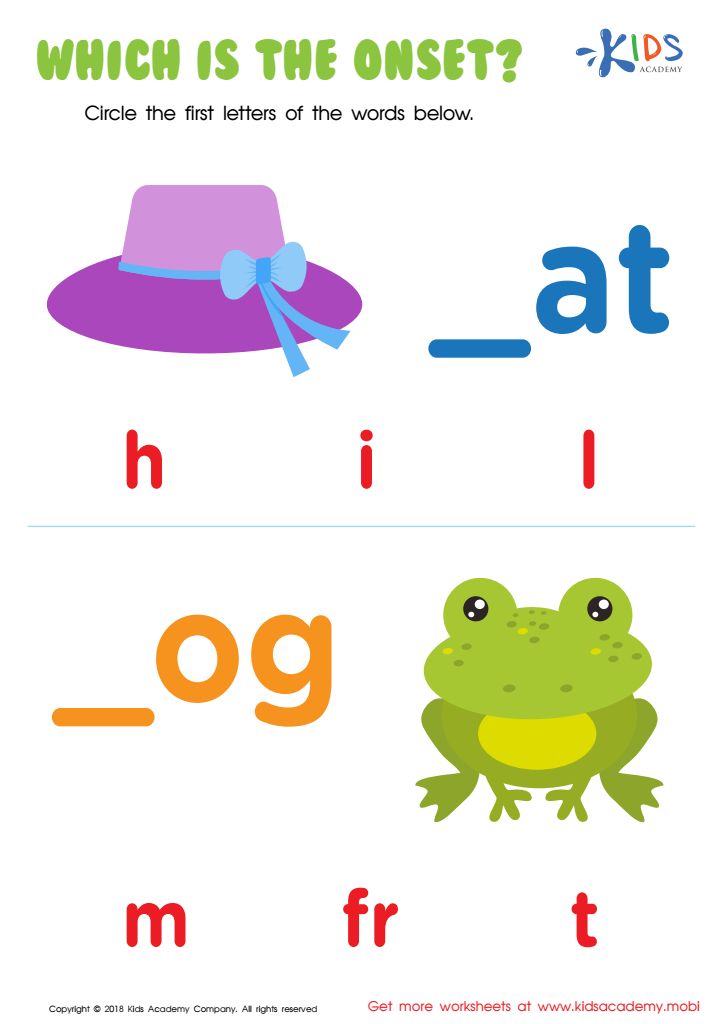
Which Is the Onset? Worksheet
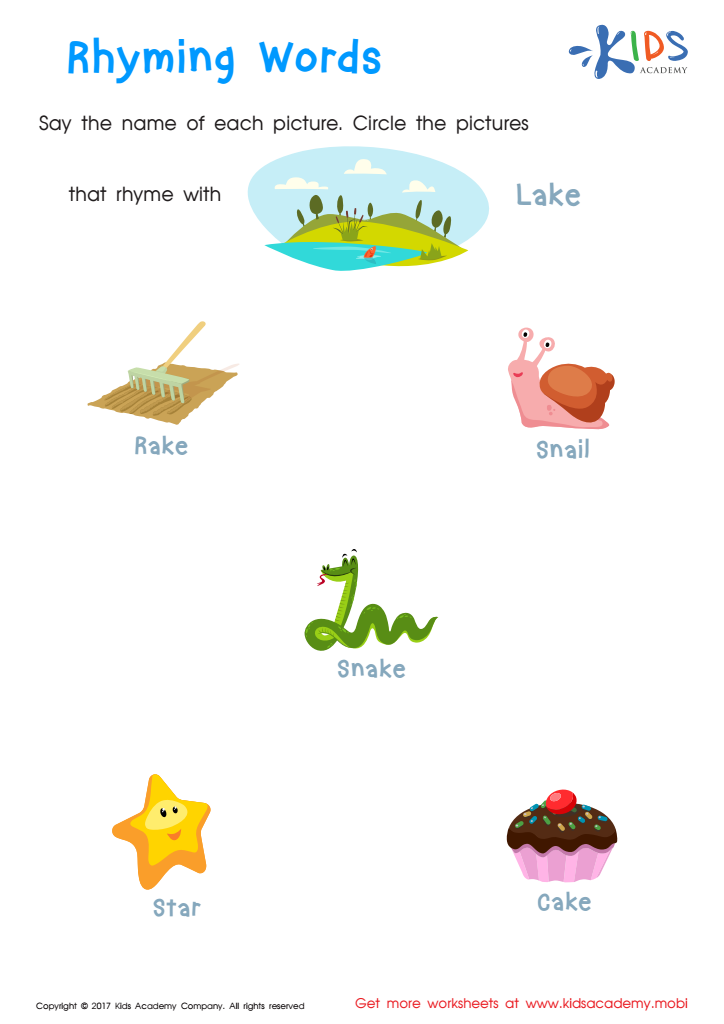
Rhyming Words Rhyming Worksheet








Reading comprehension and phonics are vital for children aged 4-6 as these skills form the foundation for literacy and future academic success. Engaging with phonics enables young learners to decode words, enhancing their ability to read independently. By recognizing sounds and syllables, they can tackle unfamiliar vocabulary, fostering confidence and early enthusiasm for reading.
Moreover, effective reading comprehension helps children understand stories, improve vocabulary, and develop critical thinking skills. At this age, children are naturally curious and imaginative, making it an ideal time to nurture their cognitive development through reading activities. Comprehension promotes communication skills by enabling children to discuss stories, ask questions, and express opinions.
Early exposure to phonics and comprehension strategies allows for smoother transitions into higher levels of reading. As children progress, these foundational skills contribute to academic performance across subjects, not just in literacy. Additionally, a strong reading ability cultivates a lifelong love for reading, opening doors to knowledge and discovery.
Parents and teachers play a crucial role in this process, as they can create supportive environments that integrate phonics and comprehension into daily activities. By prioritizing these skills, they empower children to become proficient readers, laying the groundwork for lifelong learning.







