Counting skills English for Beginners Worksheets for Ages 4-6
10 filtered results
-
From - To
Discover our "Counting Skills English for Beginners Worksheets" designed specifically for children ages 4-6. These engaging, colorful worksheets introduce fundamental counting concepts while reinforcing English language skills. Young learners will practice counting objects, recognizing numbers, and enhancing their vocabulary through fun exercises and interactive activities. Ideal for early education settings or at-home learning, these resources promote cognitive development and language acquisition. With a variety of playful themes, children will enjoy exploring numbers as they build confidence in both counting and English. Equip your little ones for success and watch them flourish with our counting skills worksheets today!
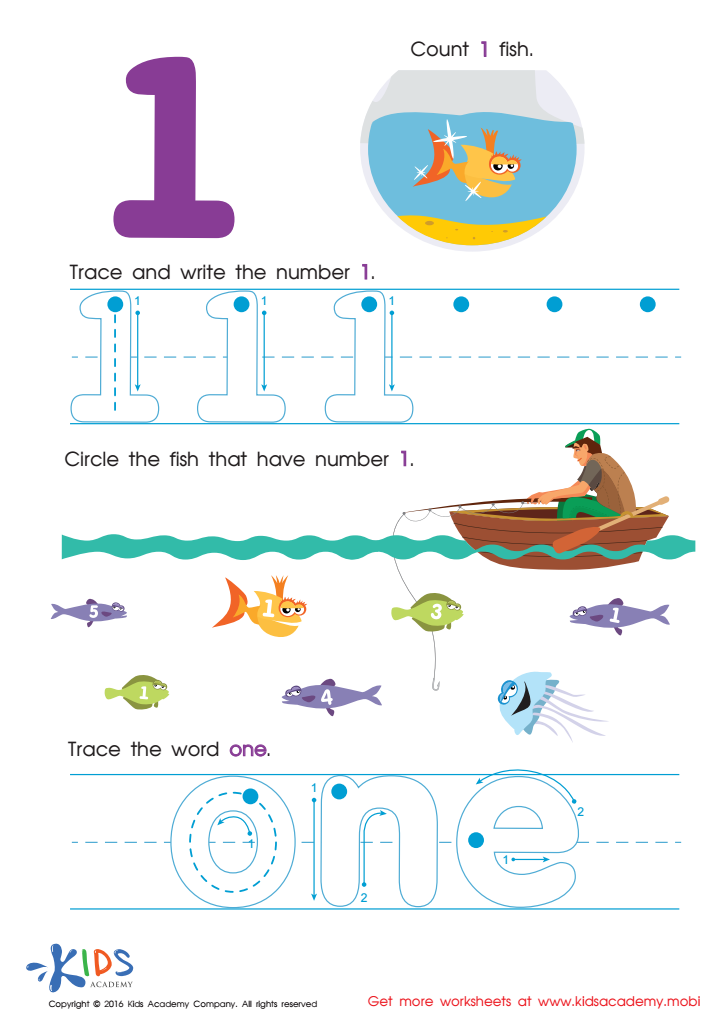
Learning to Write 1 Worksheet
 Assign to My Students
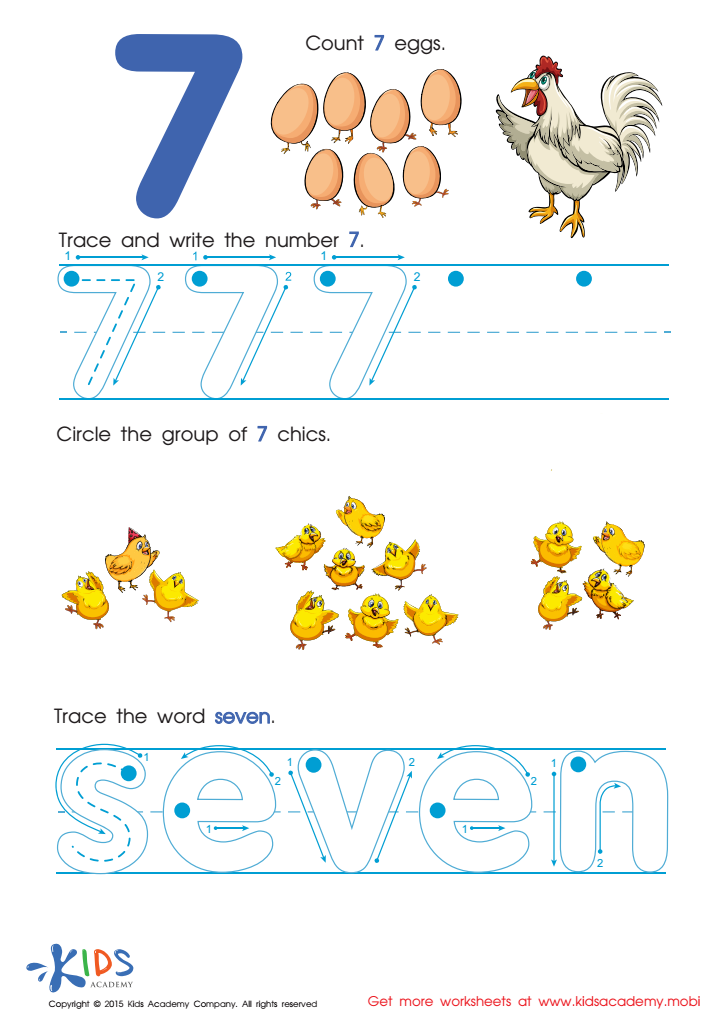
Trace And Write Number 7 with Fun Worksheet
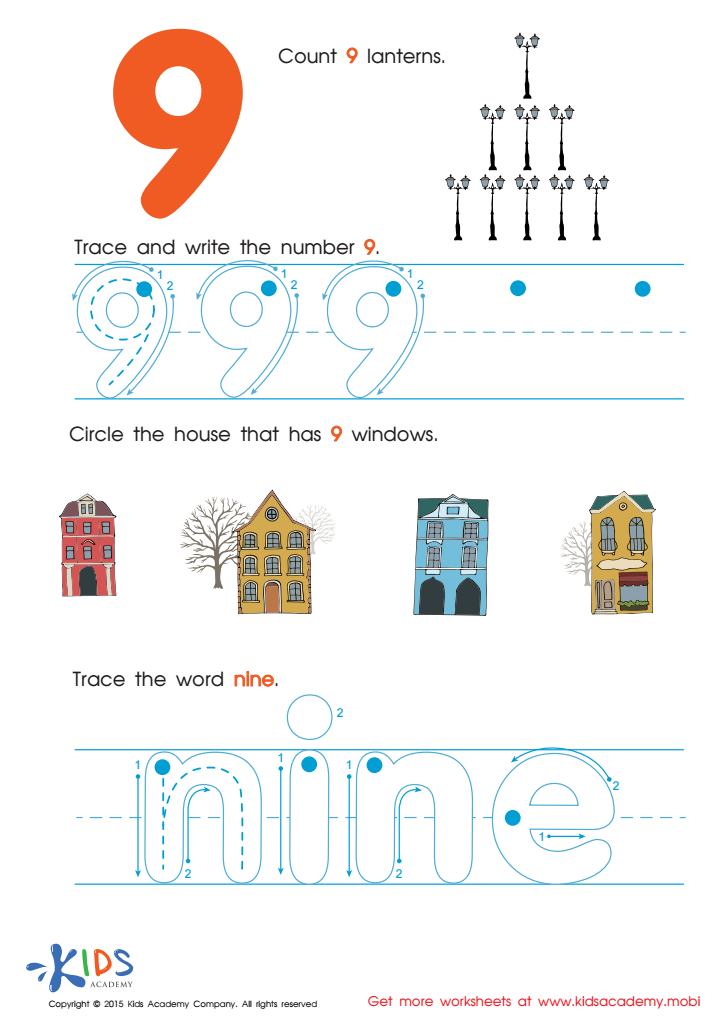
Tracing And Learning to Write Number 9 Worksheet
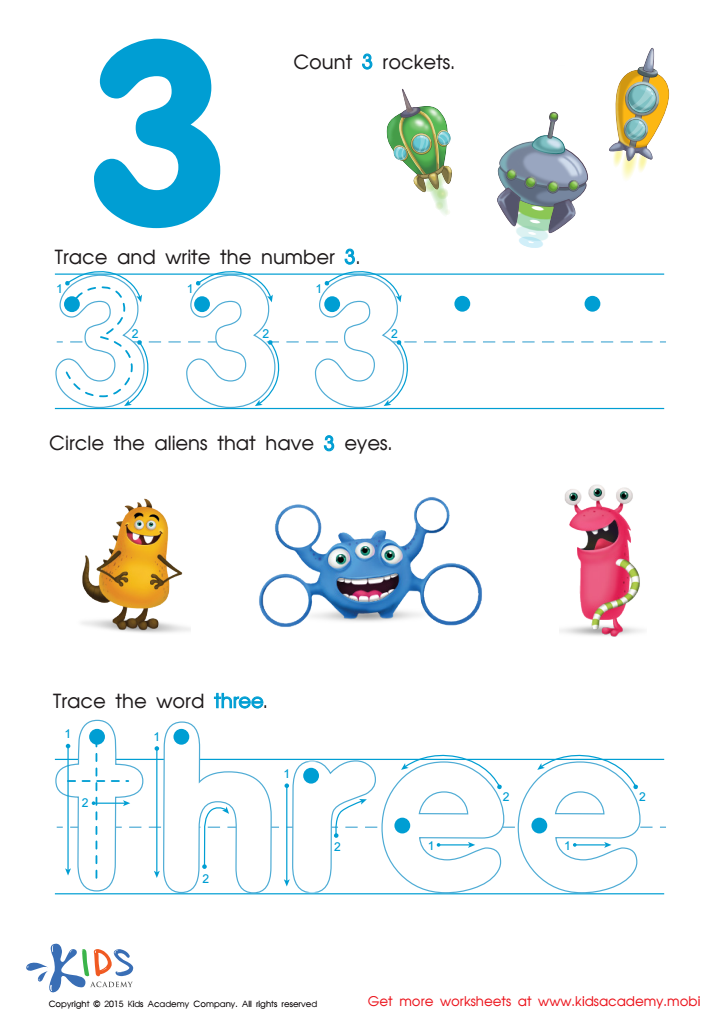
Learning Number Three Worksheet
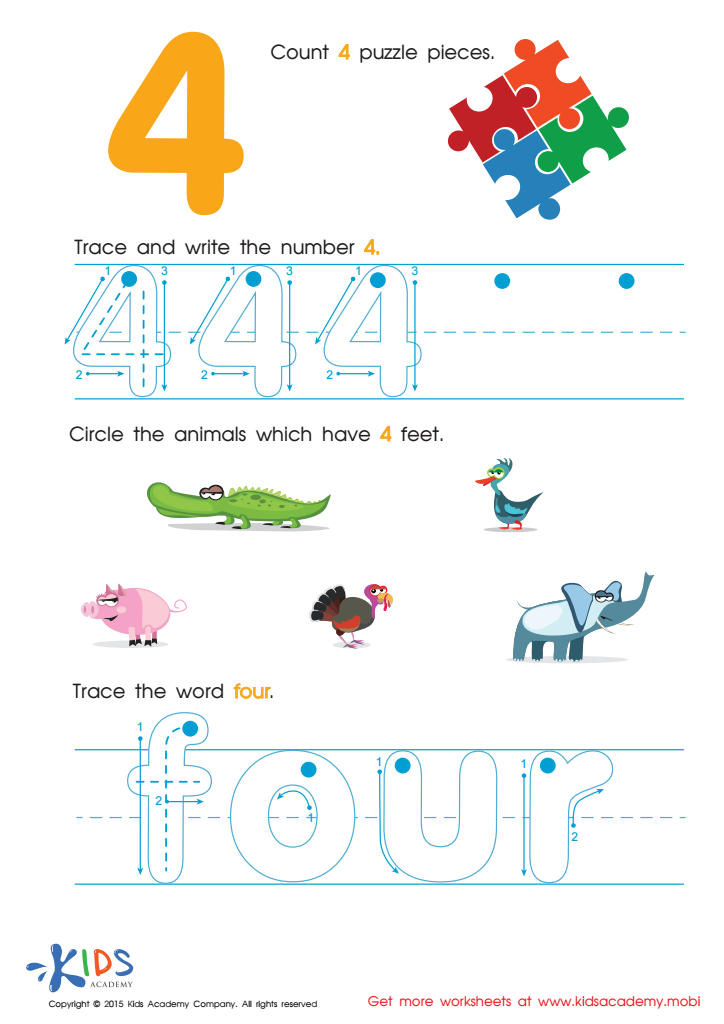
Teaching Children to Write Number 4 Worksheet
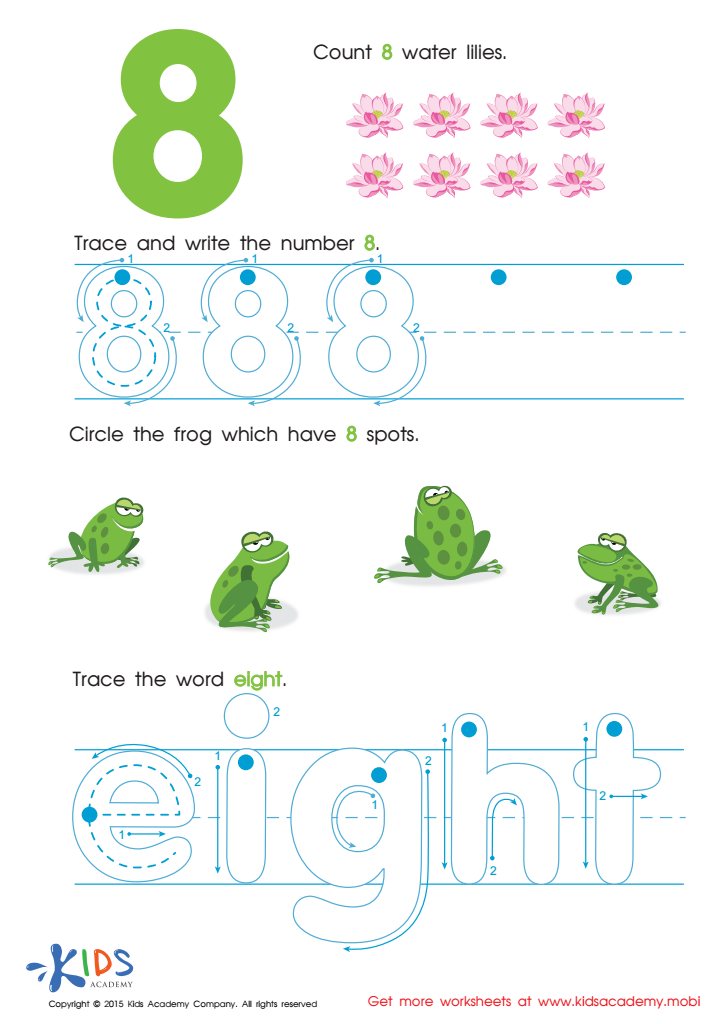
Learn Number 8 Easily Worksheet
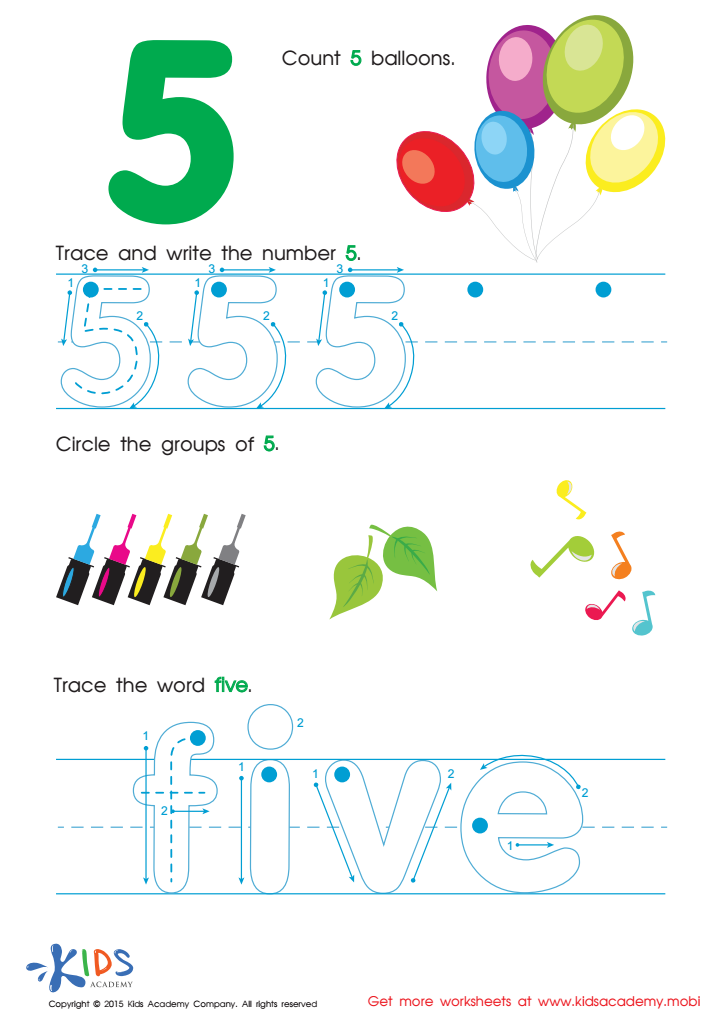
Practice Writing Number 5 Worksheet
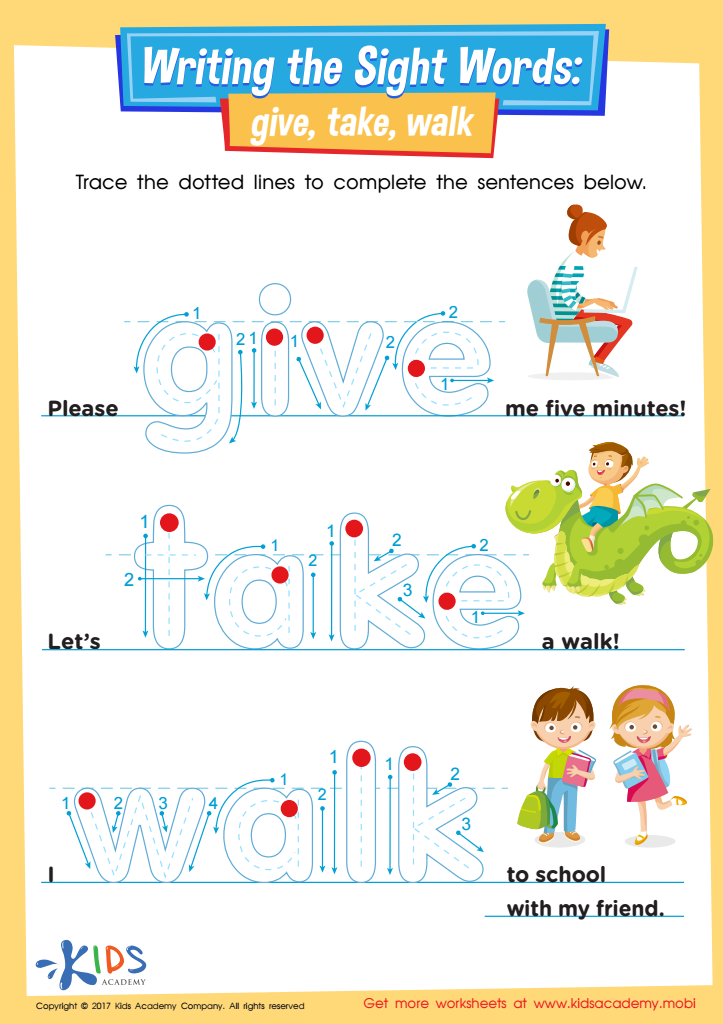
Give, Take, Walk Printable Sight Words Worksheet
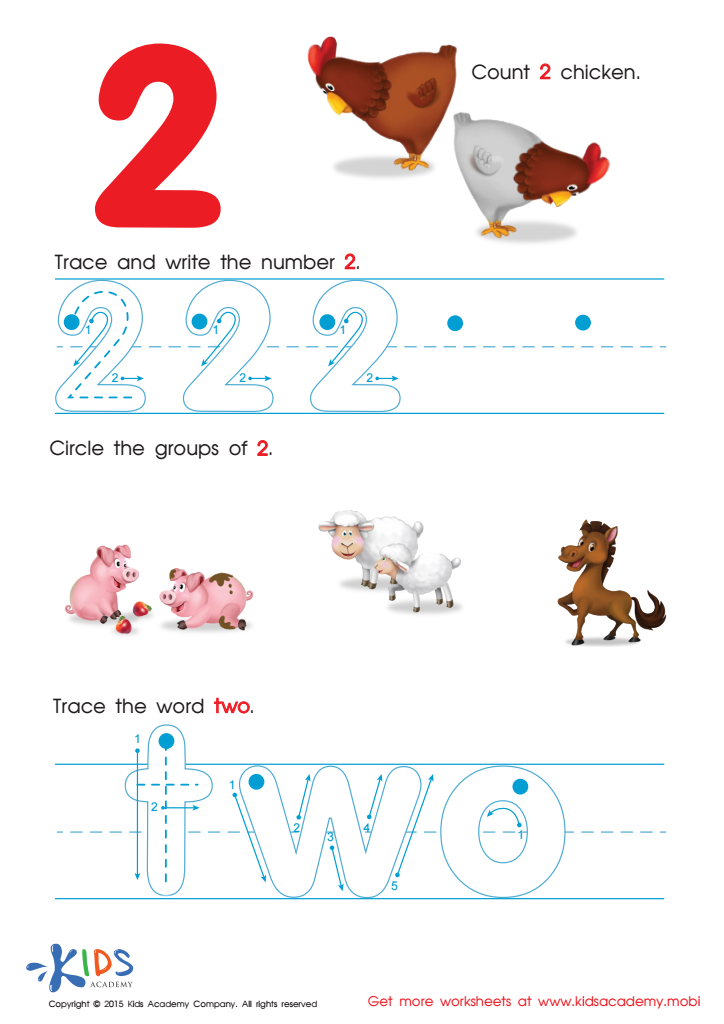
Learn to Write the Number 2 Worksheet
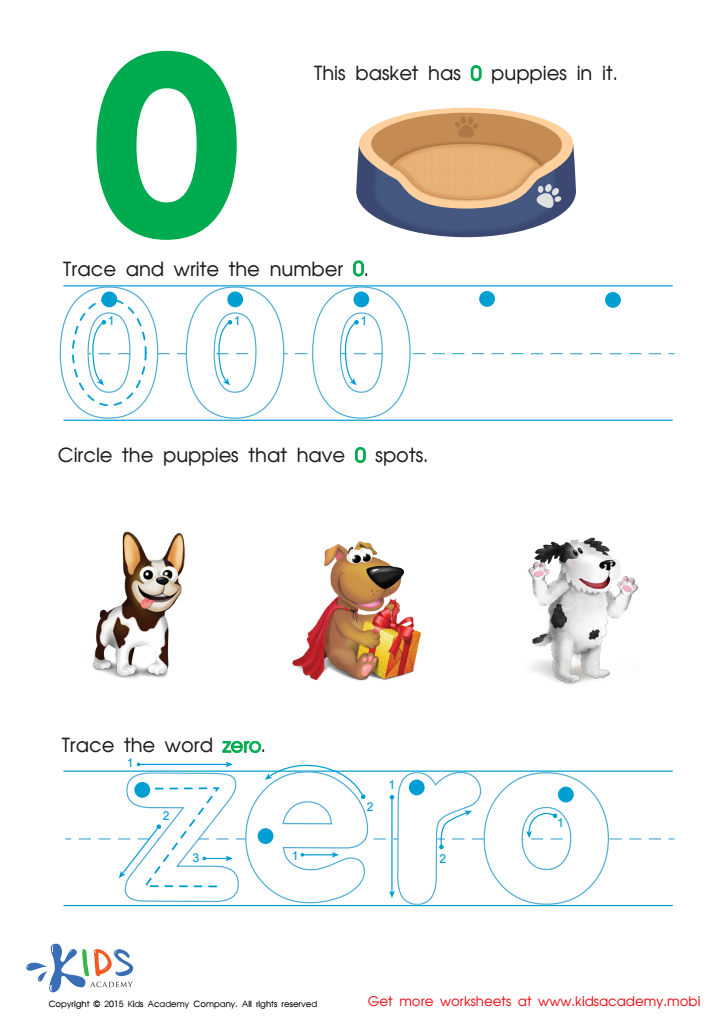
Trace And Write Number 0 Worksheet




Counting skills are foundational for early childhood education and are crucial for children's overall cognitive development. For children aged 4-6, these skills lay the groundwork for future mathematical concepts. Teaching counting in English not only enhances numerical understanding but also supports language development, as children learn to associate words with quantities.
Parents and teachers should care because counting skills promote critical thinking and problem-solving abilities, fostering confidence in children as they tackle more complex math concepts later on. Furthermore, counting is a practical life skill; it helps children manage everyday tasks such as sharing, organizing toys, and understanding time.
English proficiency is important in today’s globalized world, and learning to count in English creates a bilingual advantage. It engages children through songs, games, and hands-on activities, making learning fun and interactive. Additionally, nurturing these skills early on encourages positive attitudes towards math, reducing potential anxiety associated with the subject. Early exposure to counting in English lays a strong foundation for academic success, ensuring children are well-equipped to navigate future learning challenges. Parents and teachers play a critical role in fostering these skills, significantly impacting a child’s educational journey.