Number Recognition English for Beginners Worksheets for Ages 4-6
13 filtered results
-
From - To
Introduce your little learners to the world of numbers with our "Number Recognition English for Beginners Worksheets for Ages 4-6." Designed specifically for young children, these fun and engaging worksheets help kids master number recognition and counting skills while building a solid foundation in English. Each sheet offers vibrant illustrations and interactive exercises that make learning enjoyable. Perfect for preschoolers and kindergarteners who are starting their educational journey, these resources support language development and numeracy skills simultaneously. Start exploring our collection today to make learning numbers exciting and impactful for your child!
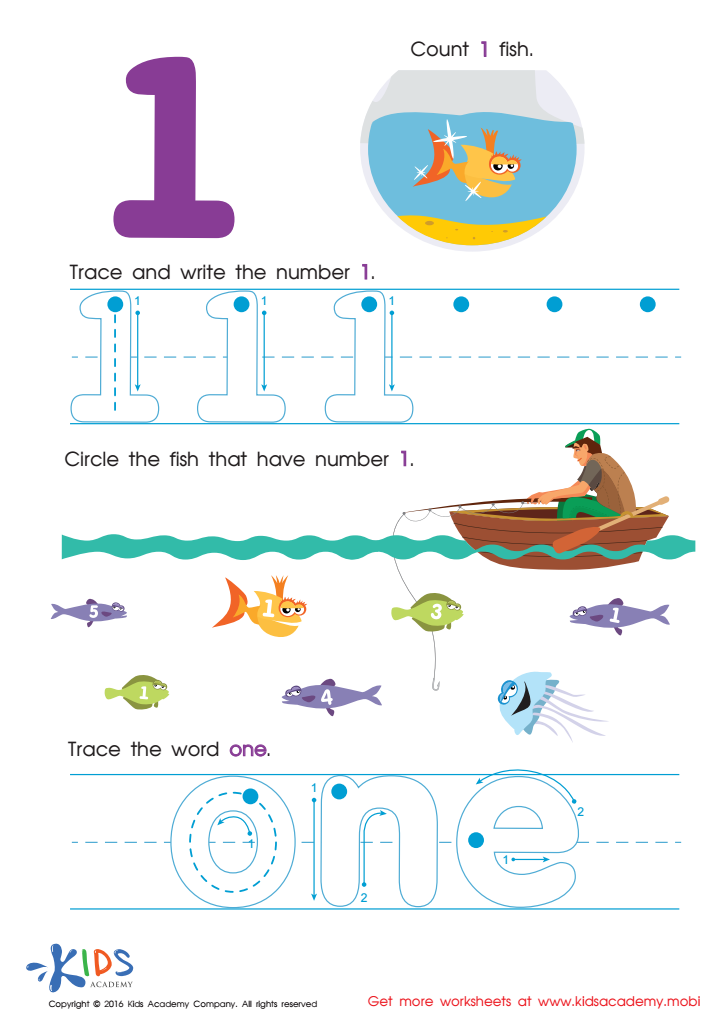
Learning to Write 1 Worksheet
 Assign to My Students
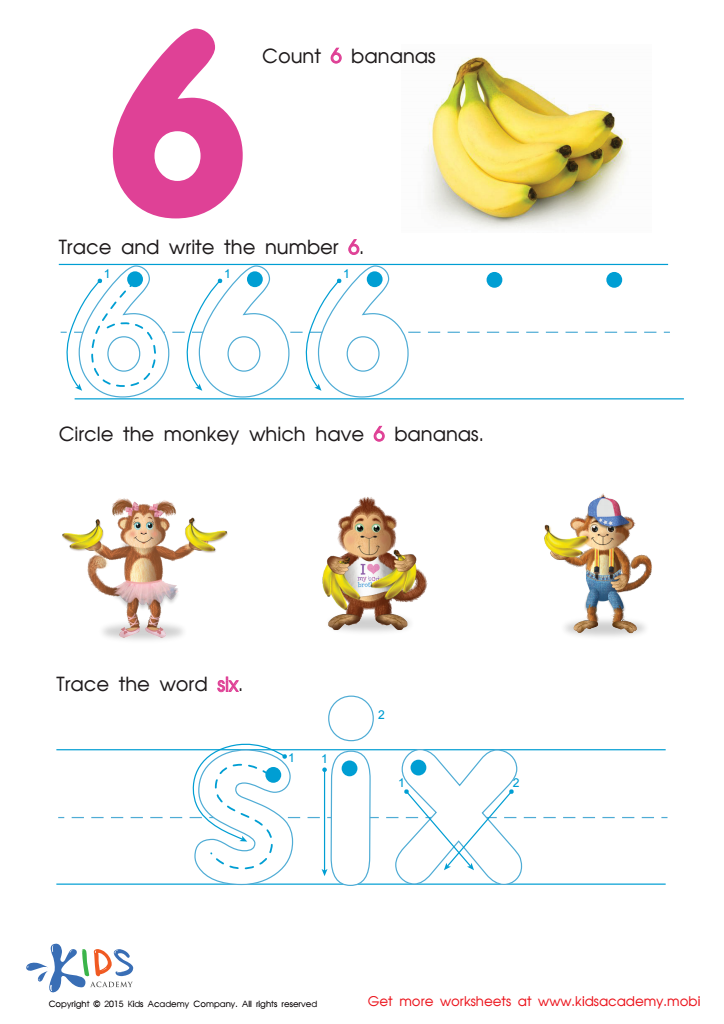
Tracing And Writing Number 6 Worksheet
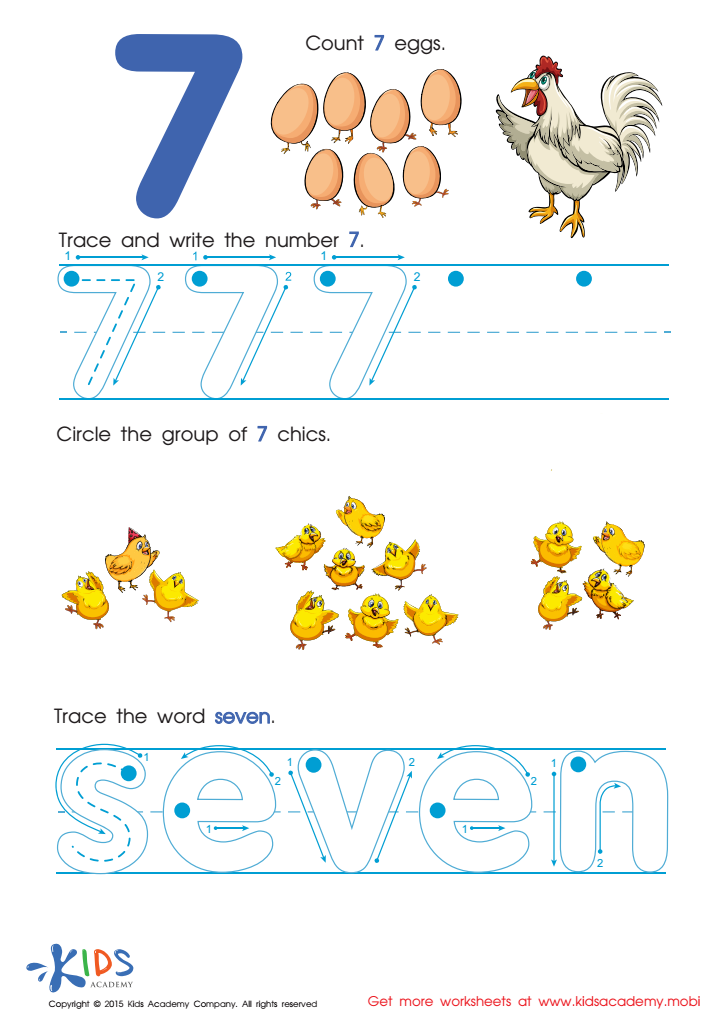
Trace And Write Number 7 with Fun Worksheet
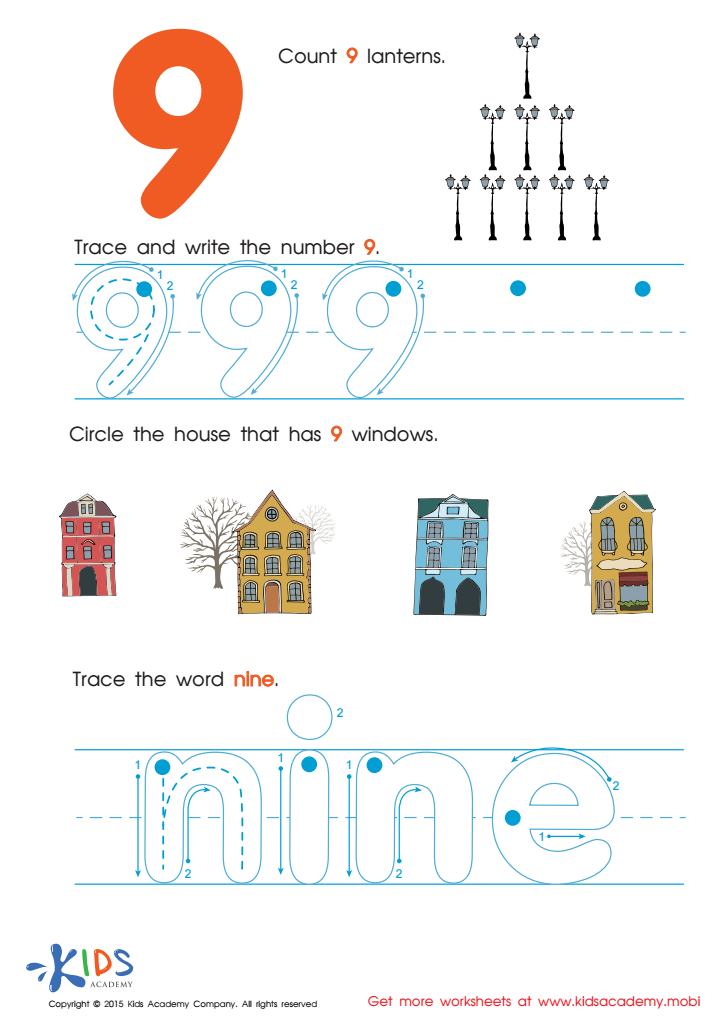
Tracing And Learning to Write Number 9 Worksheet
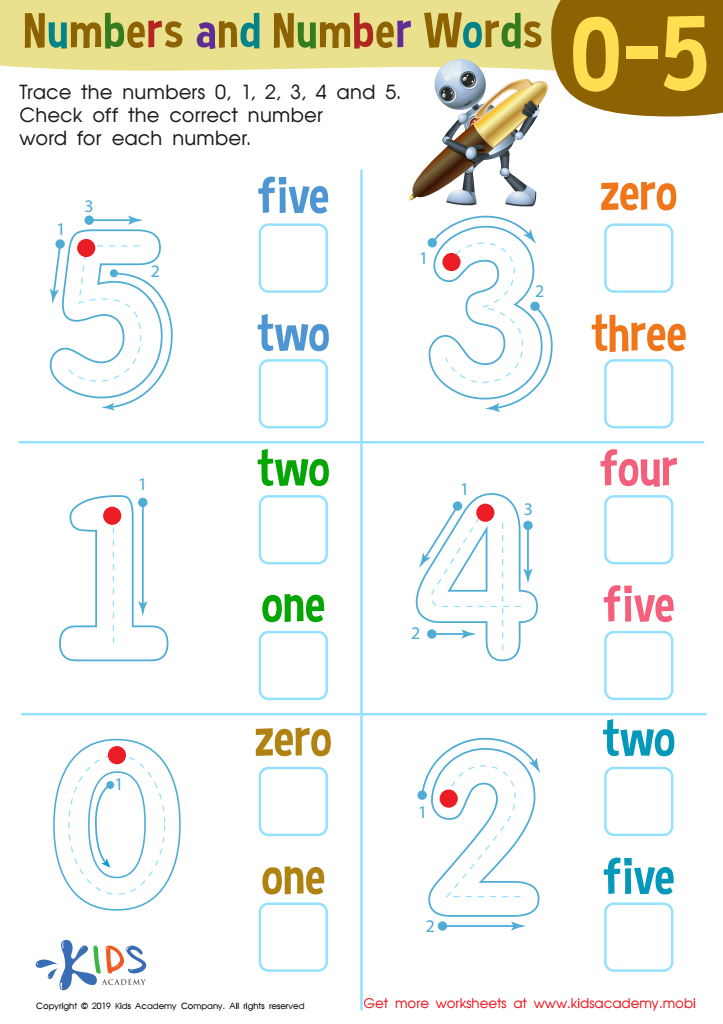
Numbers and Number Words Worksheet
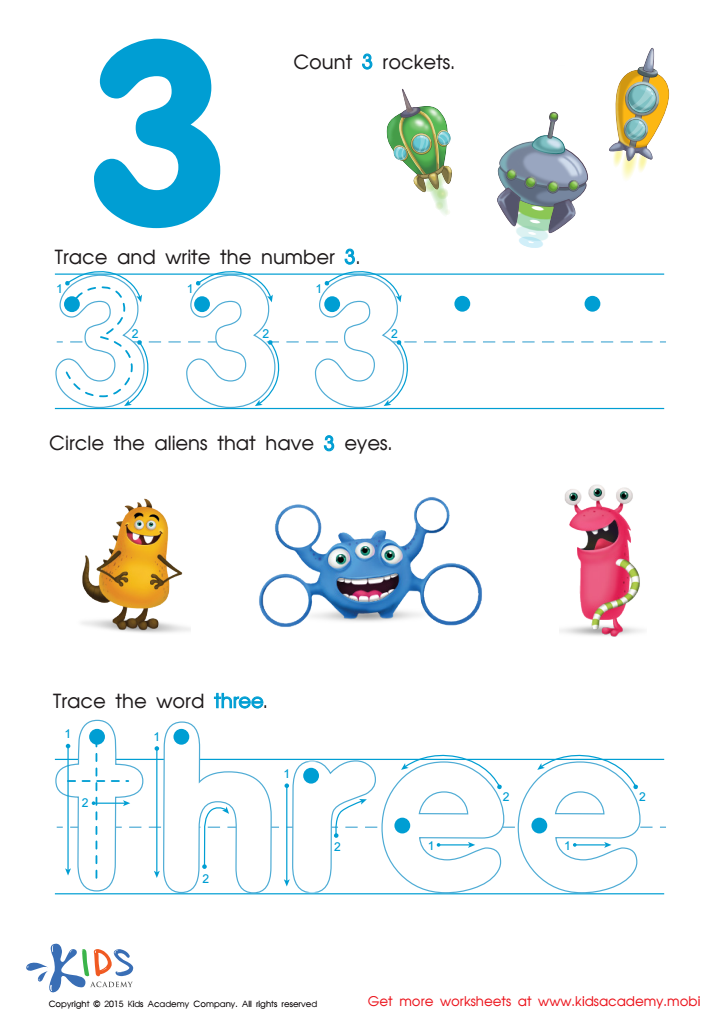
Learning Number Three Worksheet
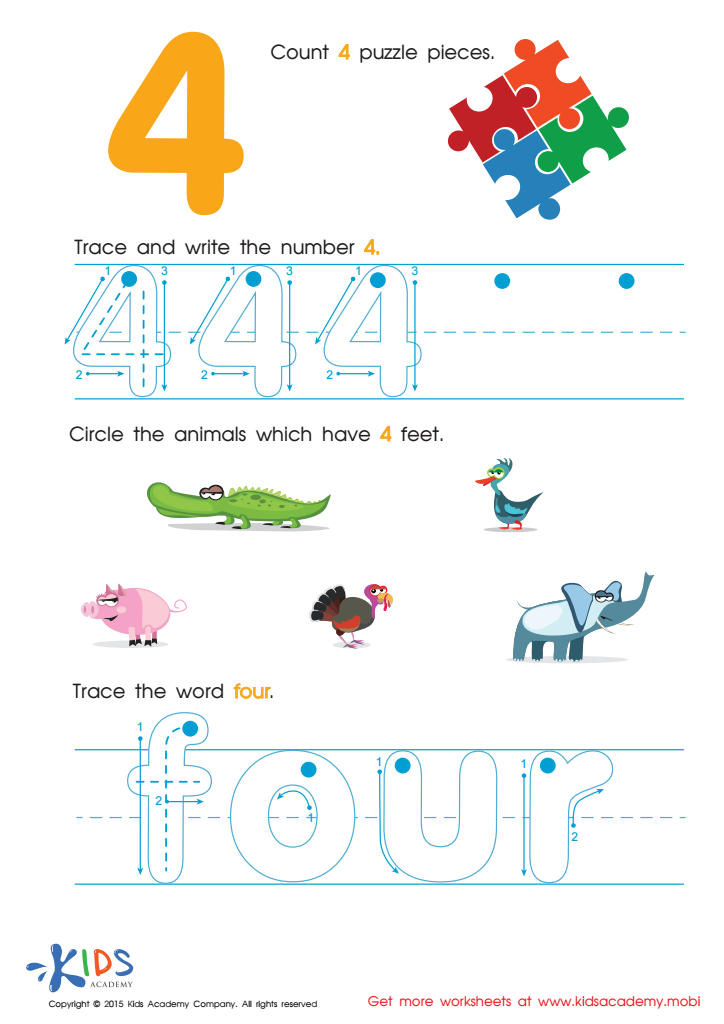
Teaching Children to Write Number 4 Worksheet
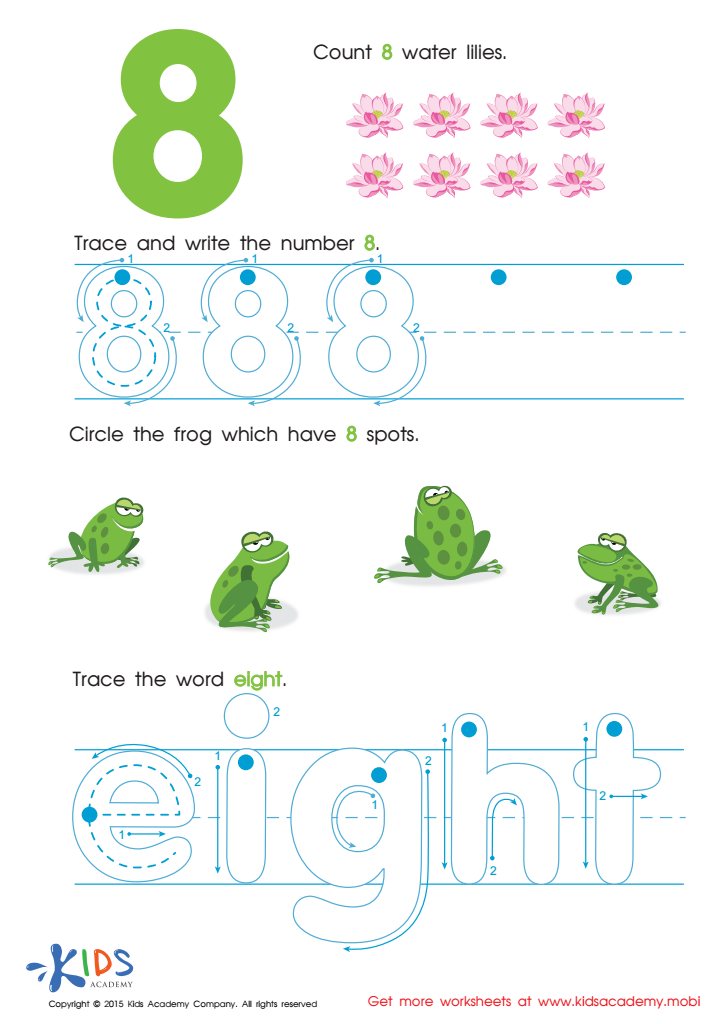
Learn Number 8 Easily Worksheet
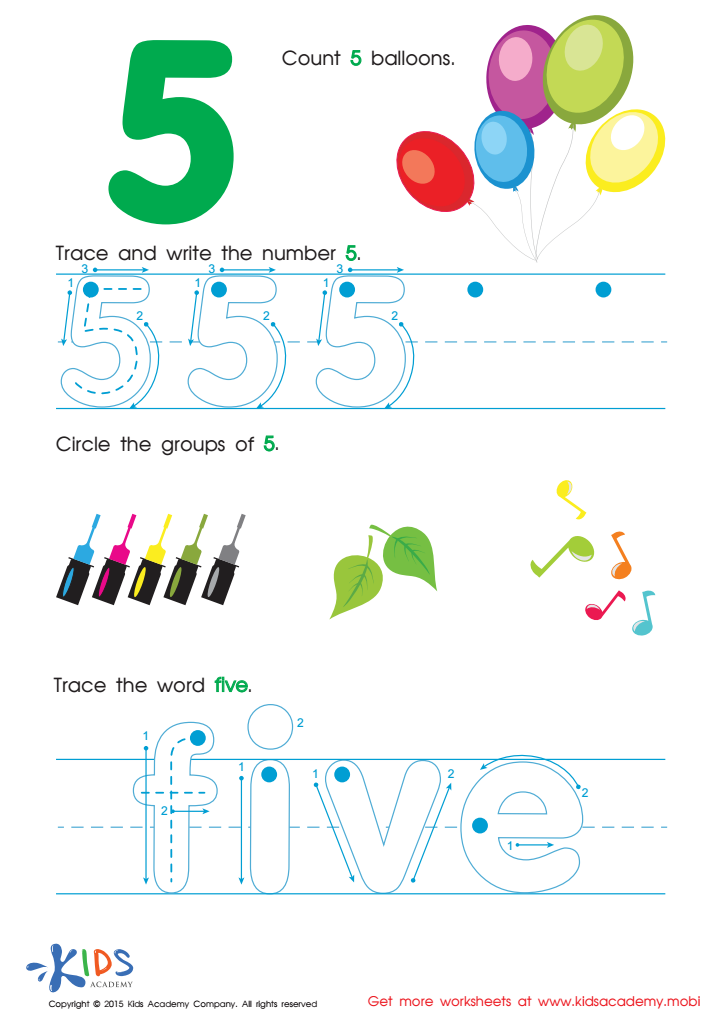
Practice Writing Number 5 Worksheet
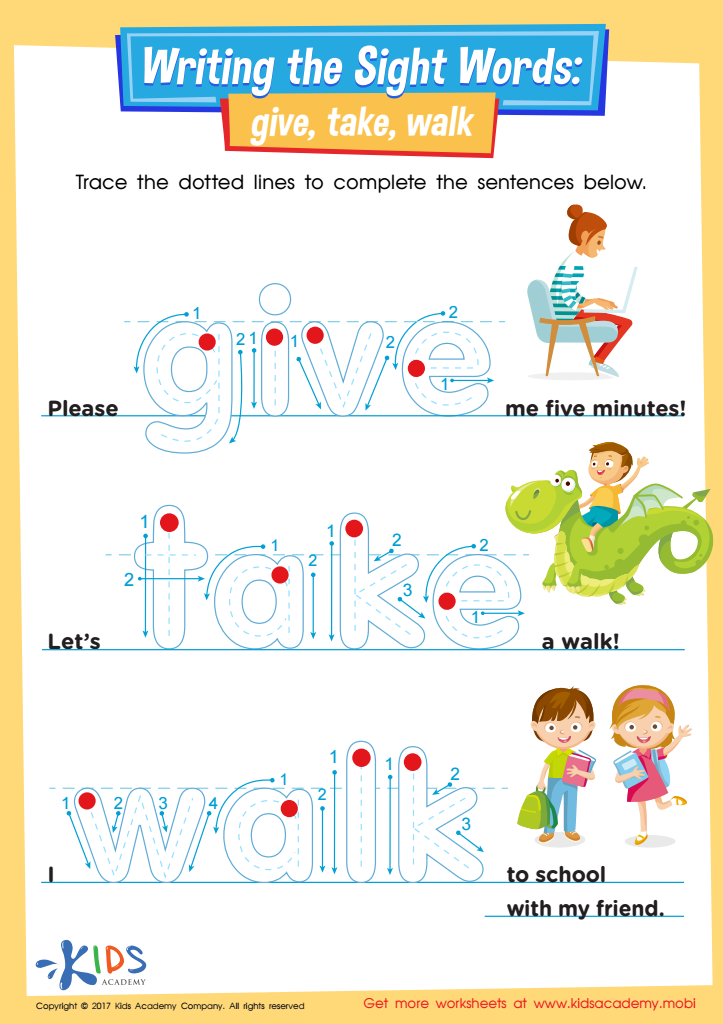
Give, Take, Walk Printable Sight Words Worksheet
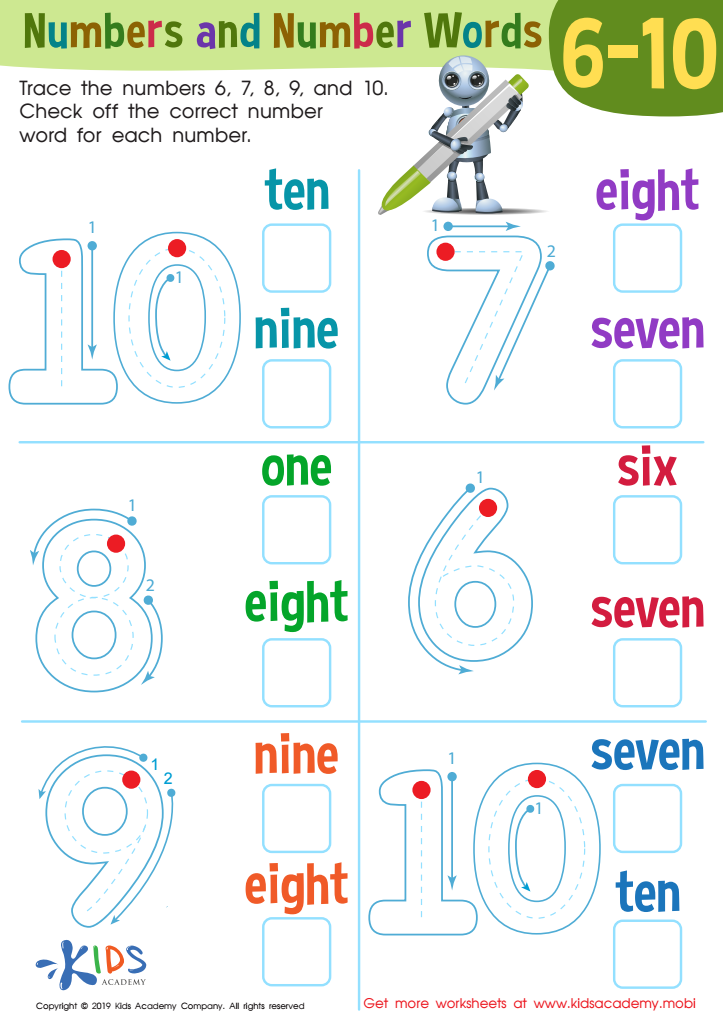
Numbers and Number Words 6–1 Worksheet
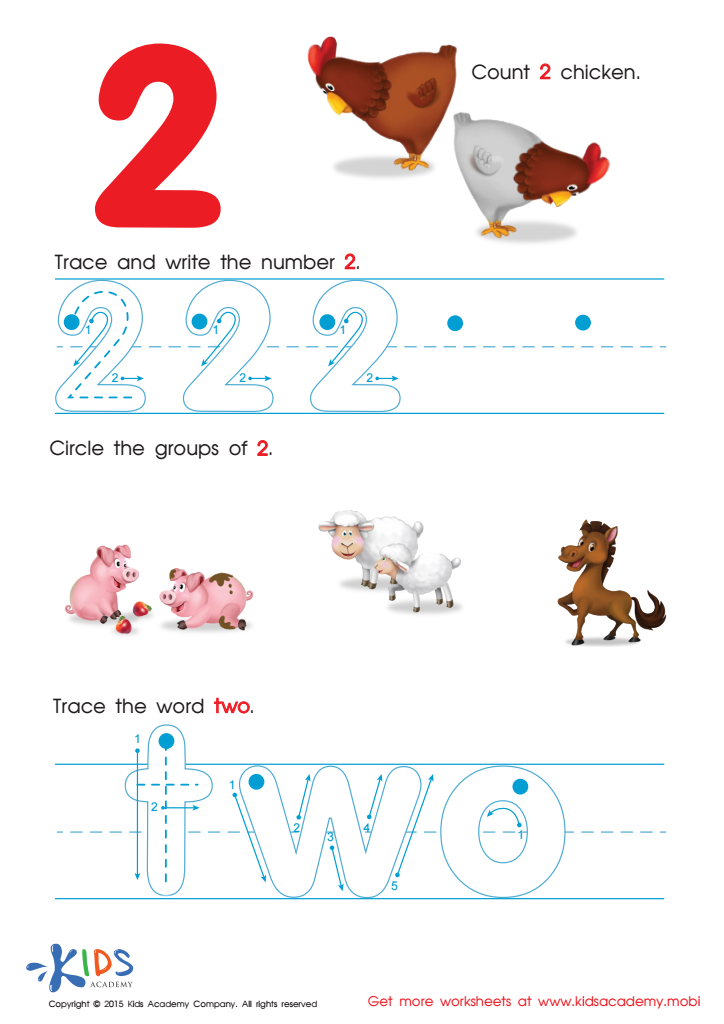
Learn to Write the Number 2 Worksheet
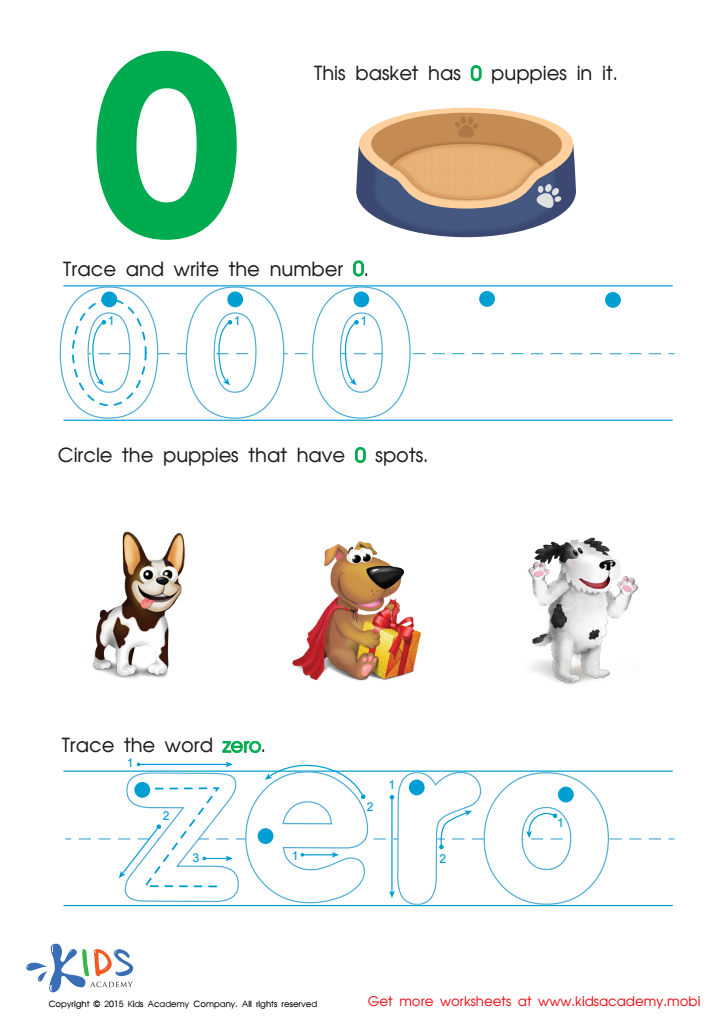
Trace And Write Number 0 Worksheet





Number recognition and introductory English fluency are foundational skills critical for early childhood development, especially for children ages 4-6. Parents and teachers should prioritize these skills as they form the building blocks for more complex learning in both mathematics and language.
For number recognition, understanding numbers 1-10 allows children to grasp essential concepts such as counting, addition, and subtraction. These skills are crucial as they directly correlate with a child’s future success in more advanced math topics, problem-solving, and logical reasoning. Early exposure to number recognition creates a solid foundation for academic achievements.
Simultaneously, early exposure to English lays the groundwork for literacy. As children learn to recognize letters and sounds, they begin developing vocabulary, phonemic awareness, and reading skills, which are integral for effective communication. These basic skills foster better comprehension and expression, critical for daily interactions and academic instructions.
Teachers and parents hold a unique role in this developmental stage. By incorporating fun, interactive, and engaging activities, like themed games or storybooks, children’s learning experiences become more enjoyable and impactful. Providing a balanced and enriched learning environment not only equips them with necessary academic skills but also boosts their confidence and fosters a love of learning that extends beyond childhood. Investing in these early stages is an investment in a child's educational journey and overall growth.