Animal identification Worksheets for Ages 4-6 - Page 2
48 filtered results
-
From - To
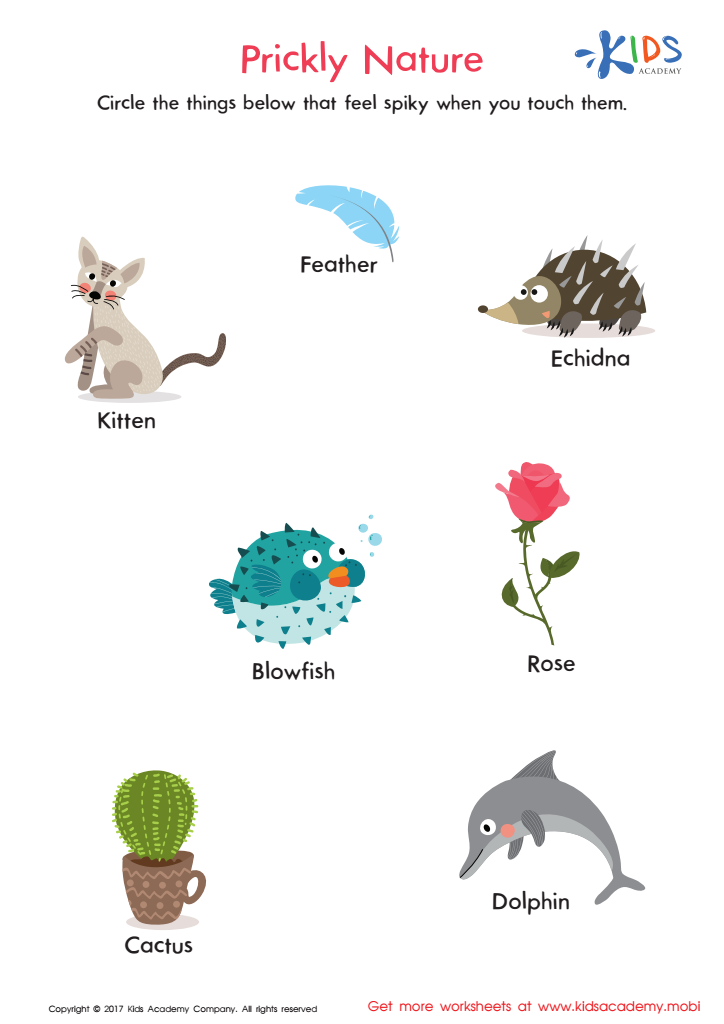
Prickly Nature Worksheet
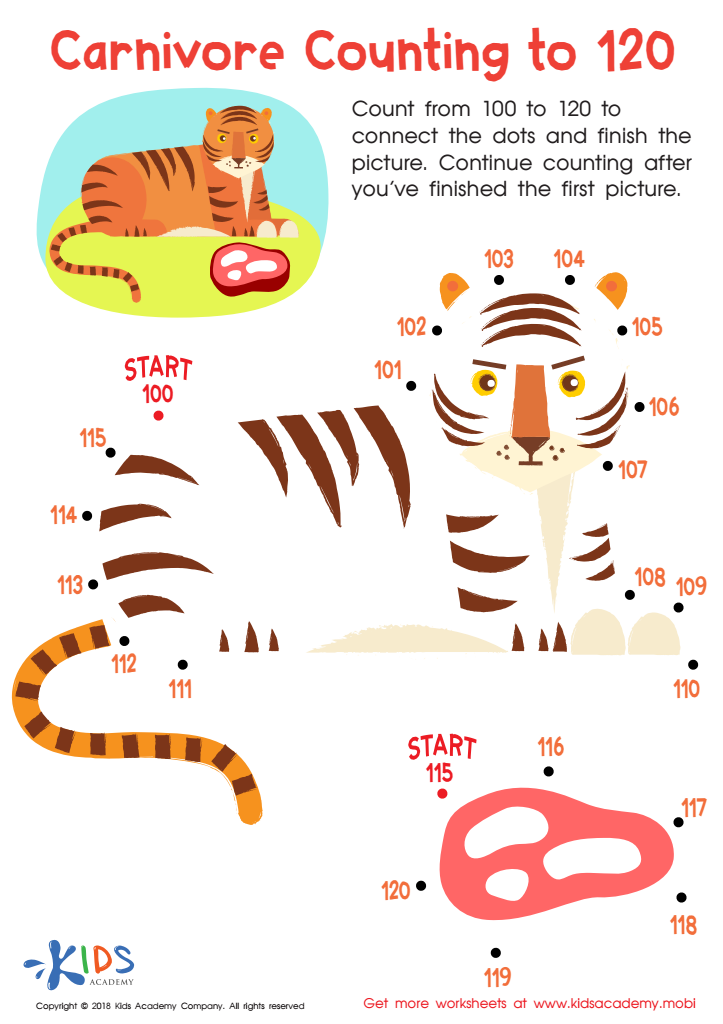
Carnivore Counting to 120 Worksheet
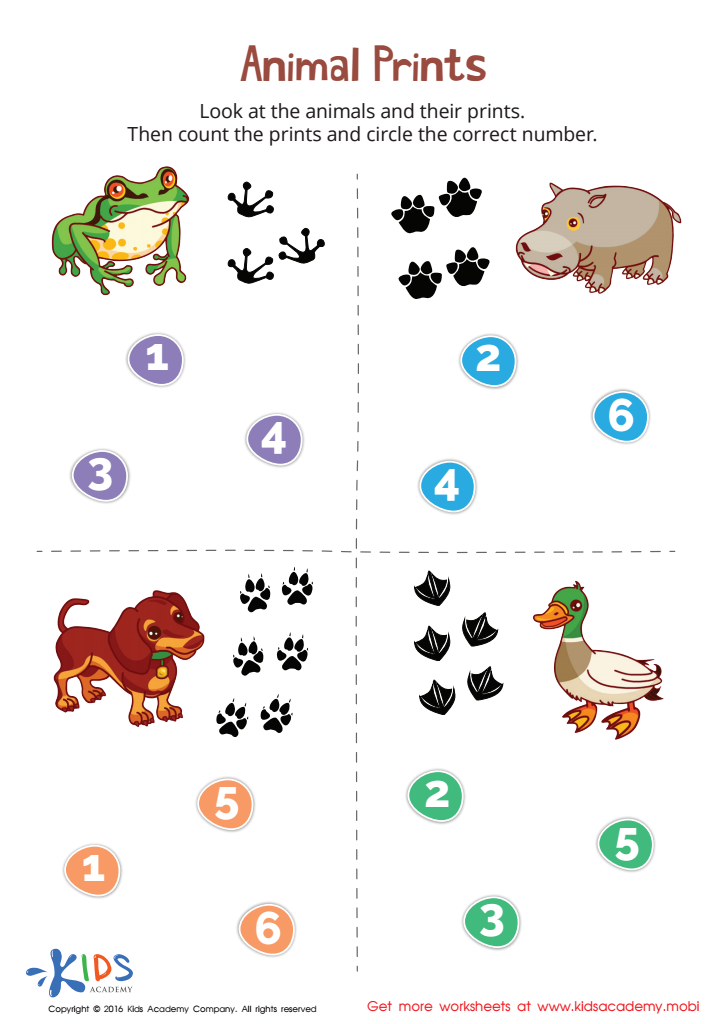
Animal Prints Match-Up Worksheet
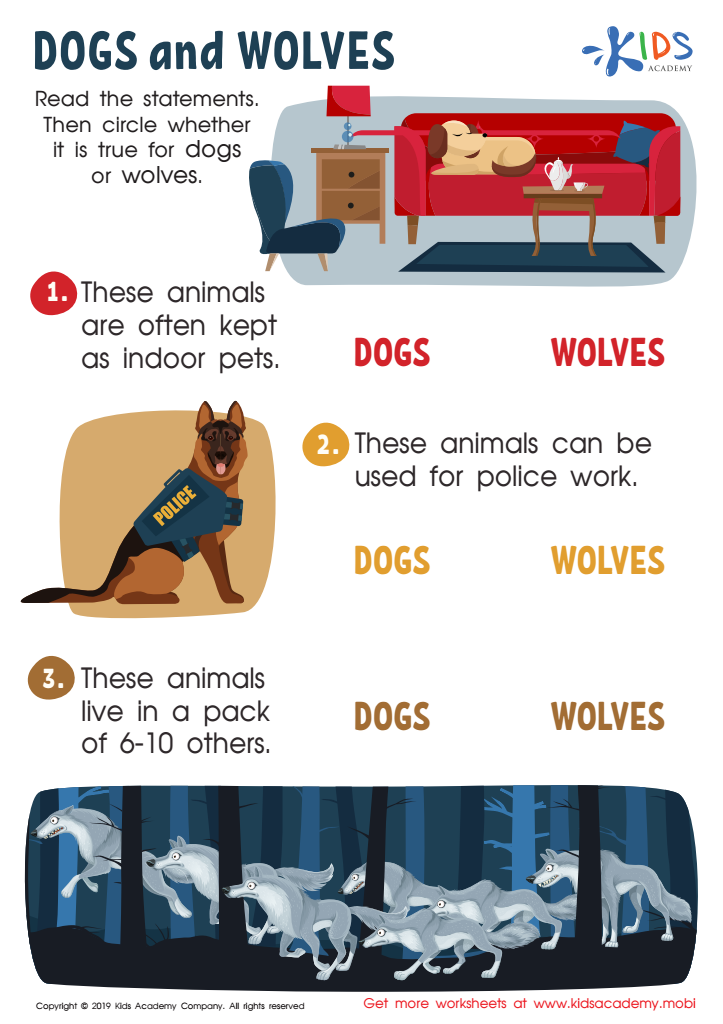
Dogs and Wolves Worksheet
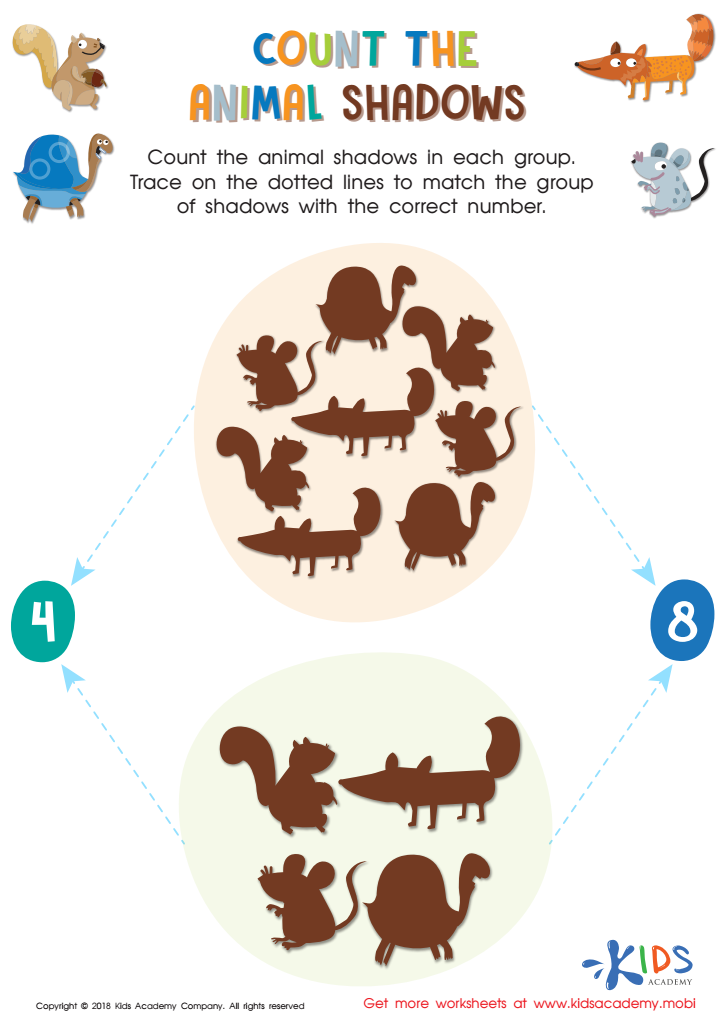
Count the Animal Shadows Worksheet
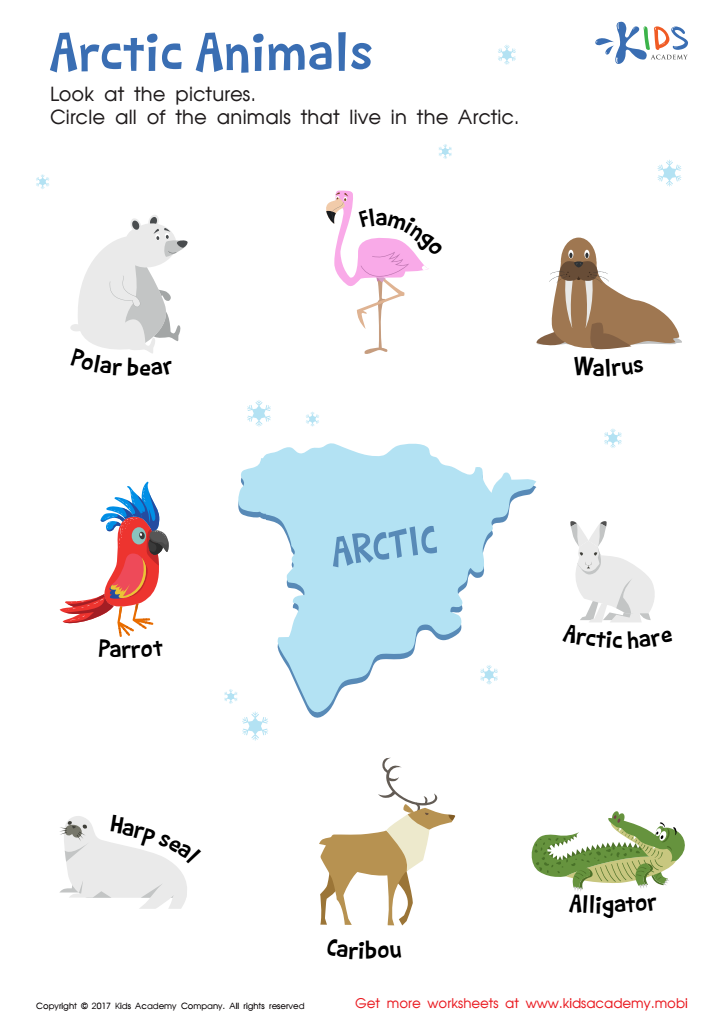
Arctic Animals Worksheet
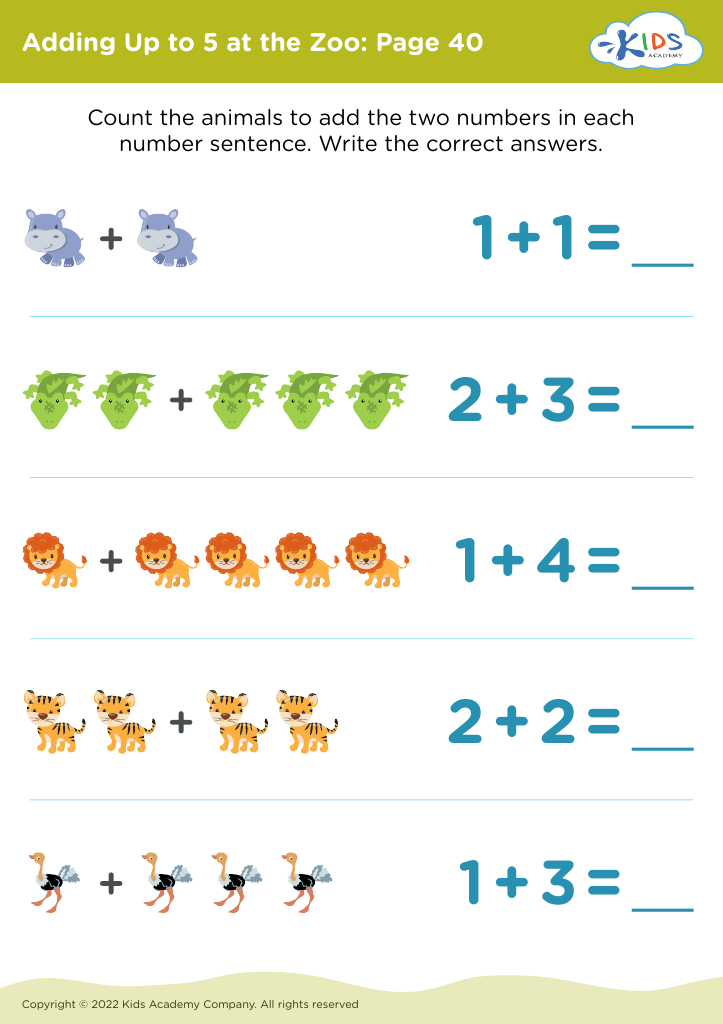

Turkey Thanksgiving Day Worksheet
 Assign to My Students
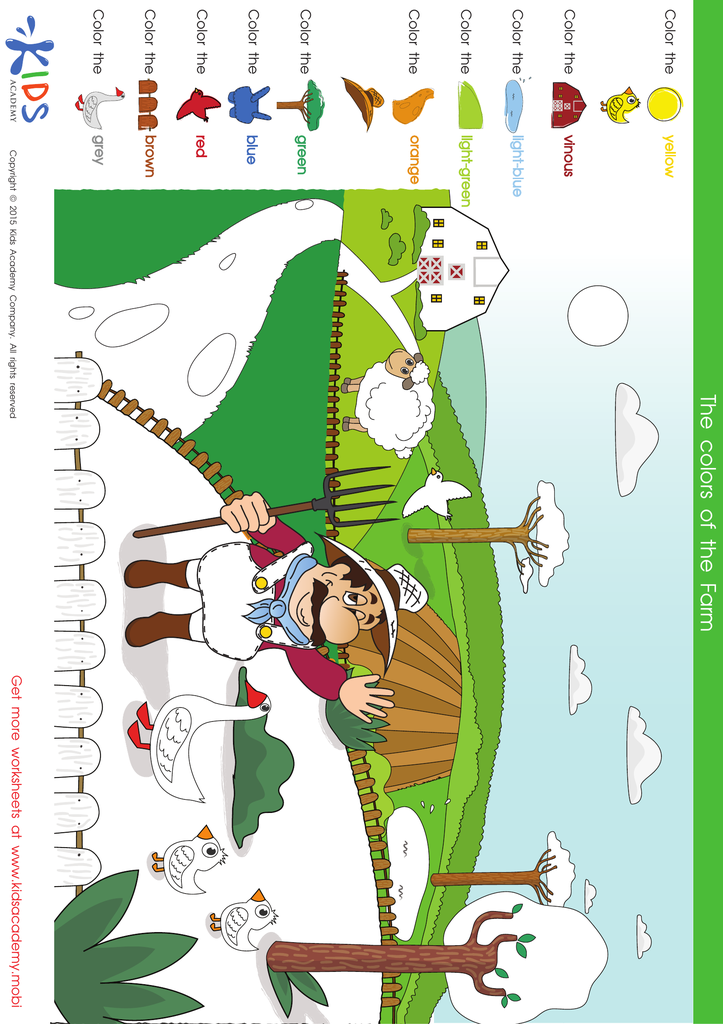
Color the Farmer and His Geese Coloring Pages
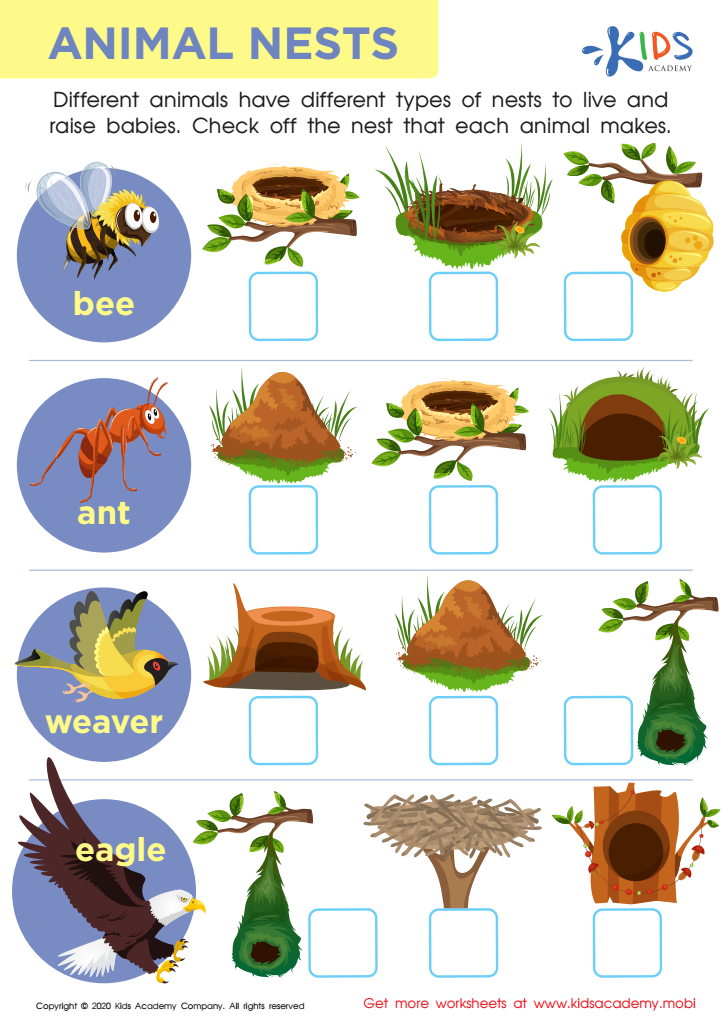
Animal Nests Worksheet

Great Hornbill Worksheet
Assign to My Students
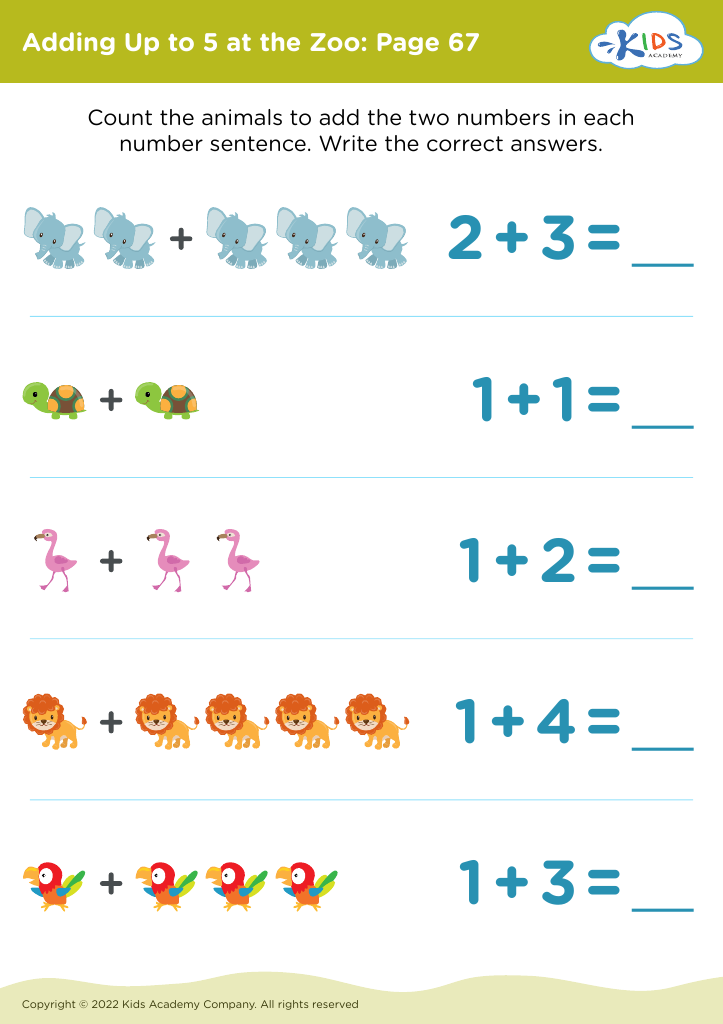
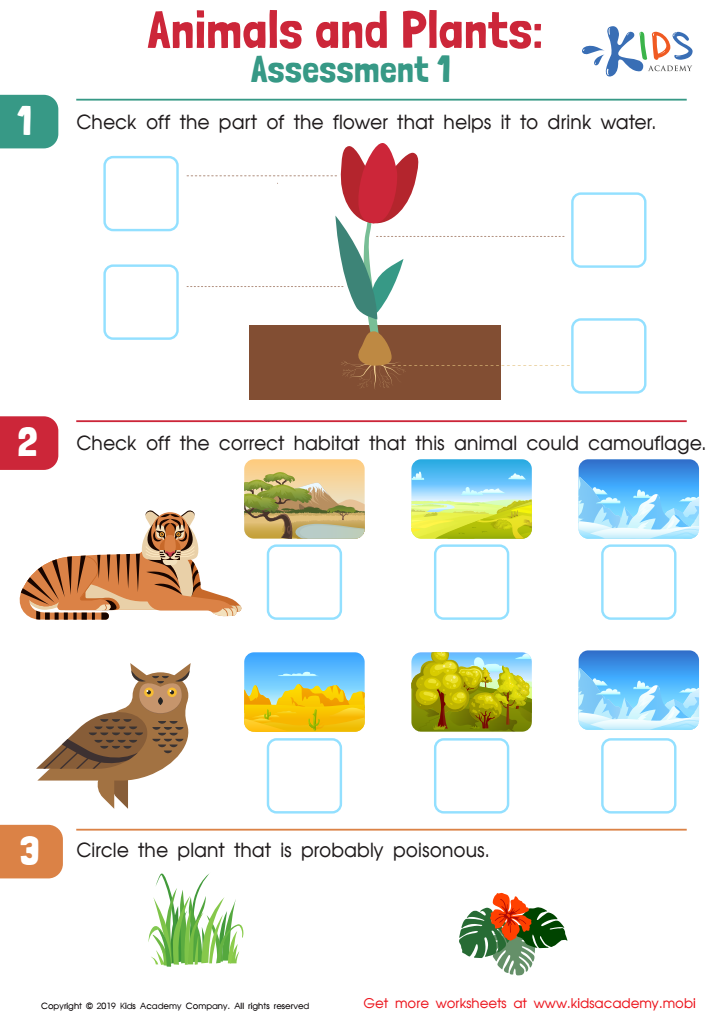
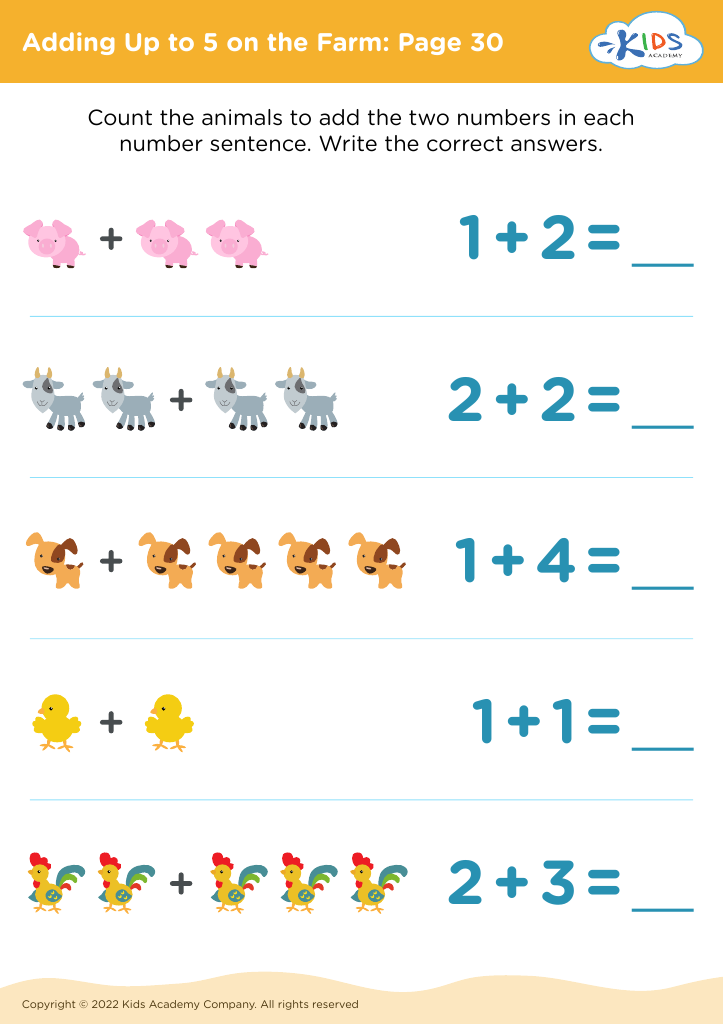
Animals and Plants: Assessment 1 Worksheet
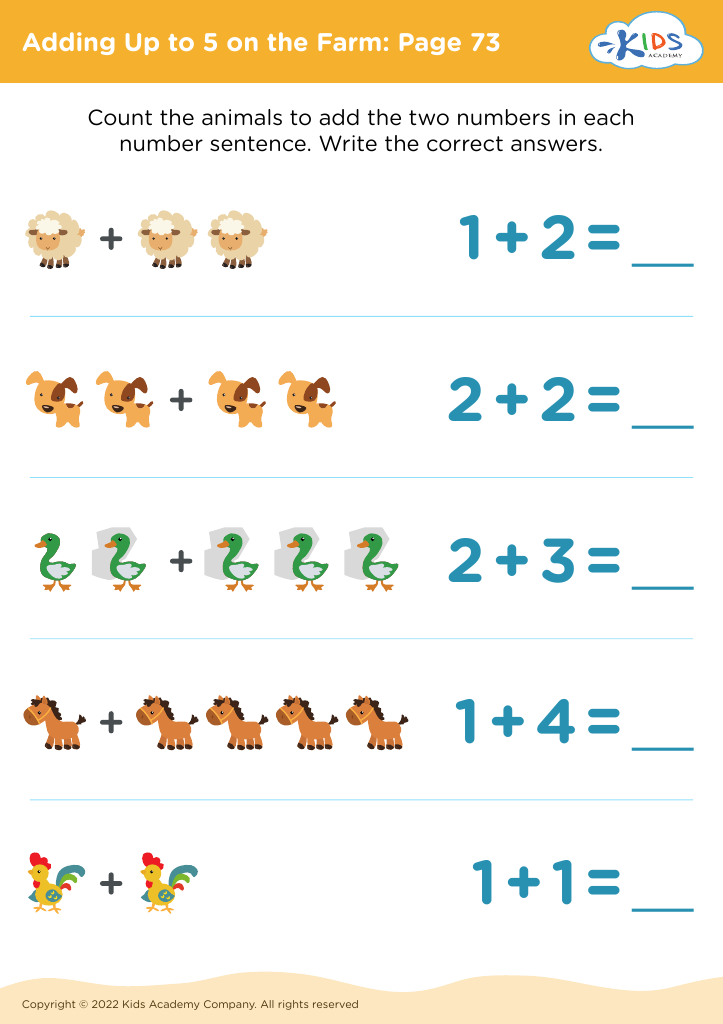







Animal identification is an important educational activity for children aged 4-6 for several compelling reasons. Firstly, it introduces young learners to the natural world, cultivating an early appreciation for biodiversity and environmental stewardship. Recognizing different animals fosters curiosity and a sense of wonder about nature.
Secondly, it aids cognitive development. As children learn to identify animals, they enhance their memory, observation skills, and attention to detail. These activities also expand their vocabulary, teaching them animal names and related terms, which bolsters language development.
Additionally, engaging with animal identification can support emotional and social growth. Identifying and learning about animals can elicit feelings of joy and empathy, helping to develop compassionate attitudes towards all living beings. Group activities involving animal identification can also improve teamwork and communication skills, which are crucial at this formative stage.
Parents and teachers should care about this subject because it provides a comprehensive, multifaceted approach to early childhood education. It combines scientific learning with emotional and social development, ensuring children receive a well-rounded educational experience. Introducing animal identification at this age can ignite a lifelong interest in science and a commitment to preserving the environment.








