Basic Addition Worksheets for Ages 4-6 - Page 3
53 filtered results
-
From - To
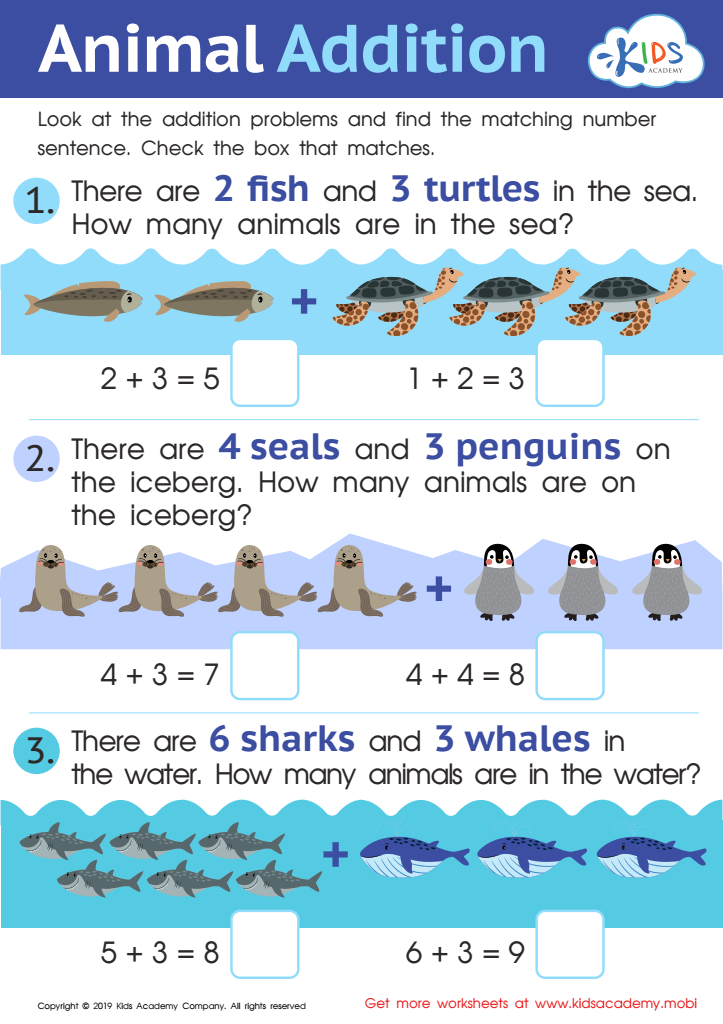
Animal Addition Worksheet
 Assign to My Students
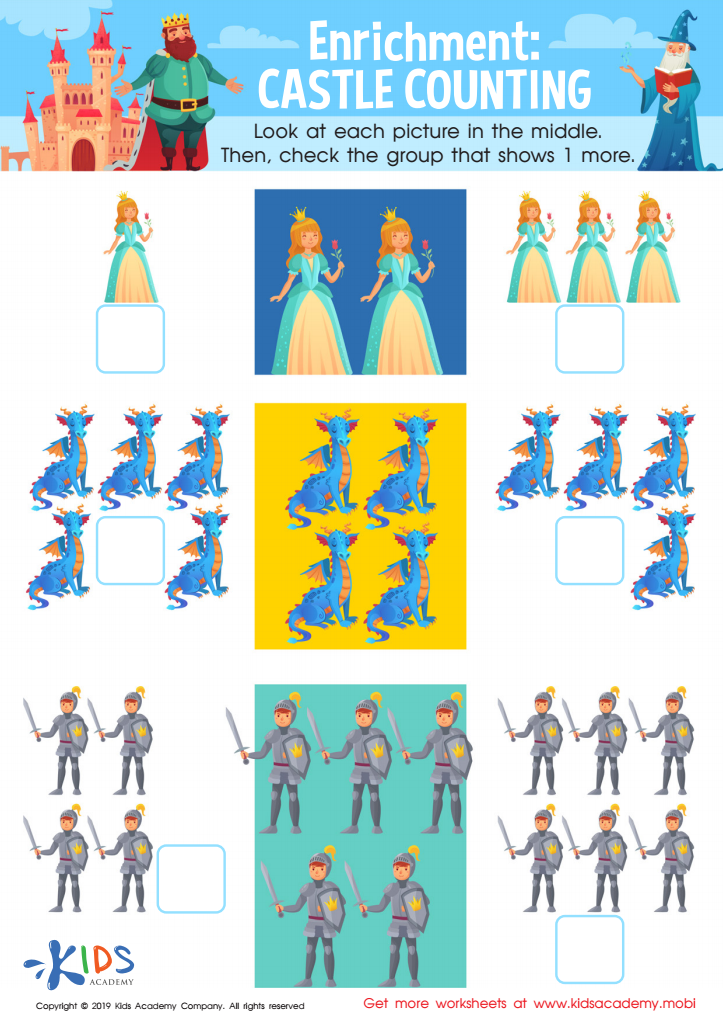
Enrichment: Castle Counting Worksheet
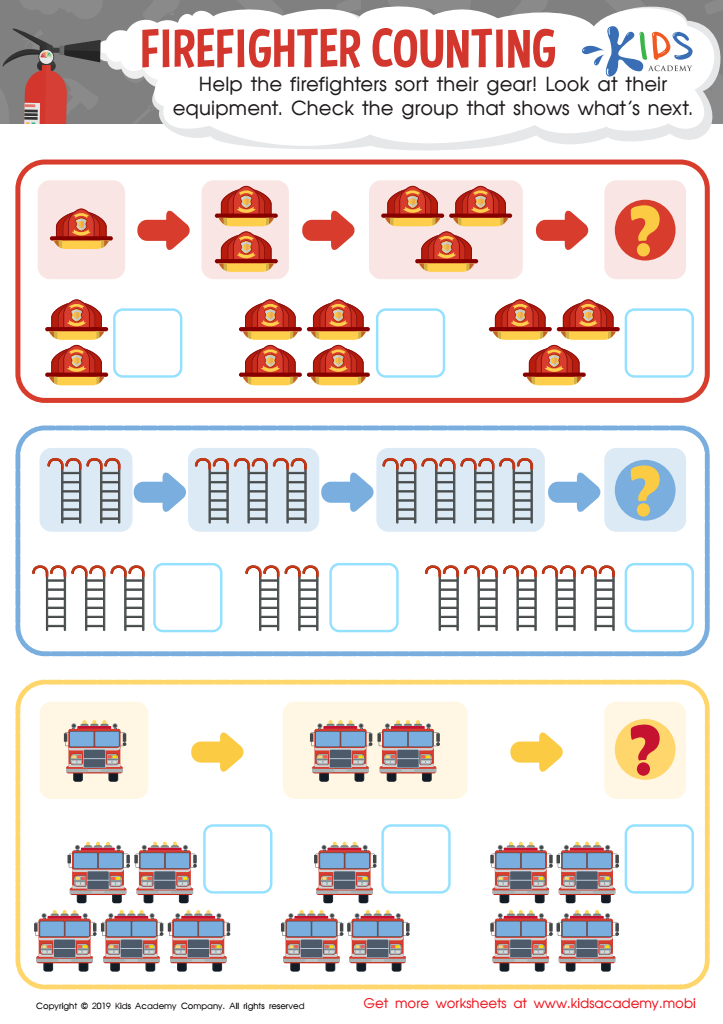
Firefighter Counting Worksheet
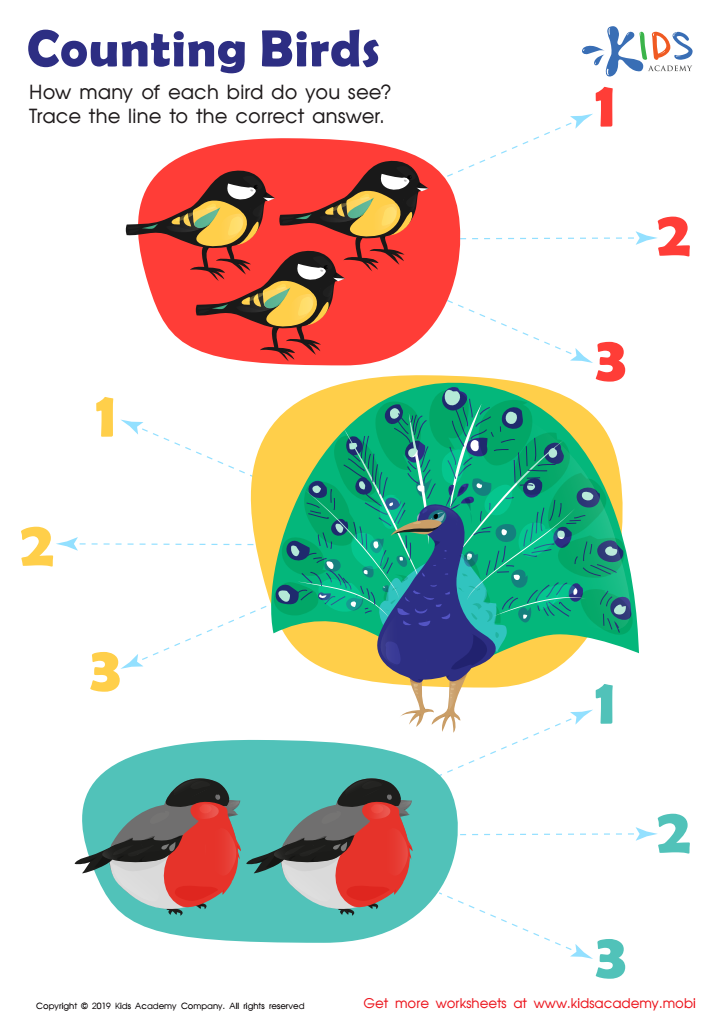
Counting Birds Worksheet








Basic addition for ages 4-6 is a foundational skill that sets the stage for future academic success and everyday problem-solving abilities. At this age, children's brains are highly receptive and capable of developing critical thinking skills. Understanding basic addition helps them in not only mathematics but in reasoning and logical thinking as well.
Parents and teachers need to prioritize this area because early math skills are a strong predictor of later academic achievement—not just in math, but across all subjects. When children feel confident in their ability to add, they are more likely to approach new and complex problems with a positive attitude. This encourages a growth mindset, where they believe that their abilities can improve with practice.
Moreover, basic addition fosters practical life skills. Simple tasks like sharing snacks among friends, counting money, or even measuring ingredients for a sandwich—these all become easier for children who grasp basic addition early on. It builds their independence and boosts their self-esteem.
Incorporating fun, interactive activities like games, songs, or using physical objects can simplify abstract concepts. This engagement not only makes learning enjoyable but also memorable, thus solidifying these basic skills. Therefore, investing time and attention in teaching basic addition offers invaluable lifelong benefits for children.








