Number Recognition Worksheets for Ages 4-6 - Page 29
680 filtered results
-
From - To
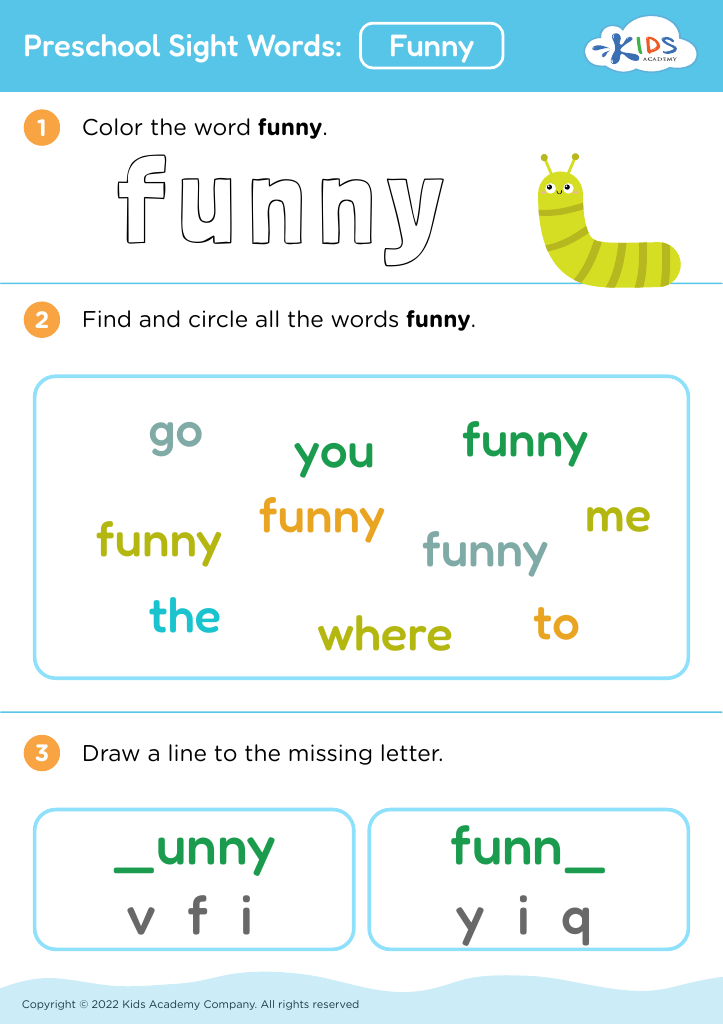
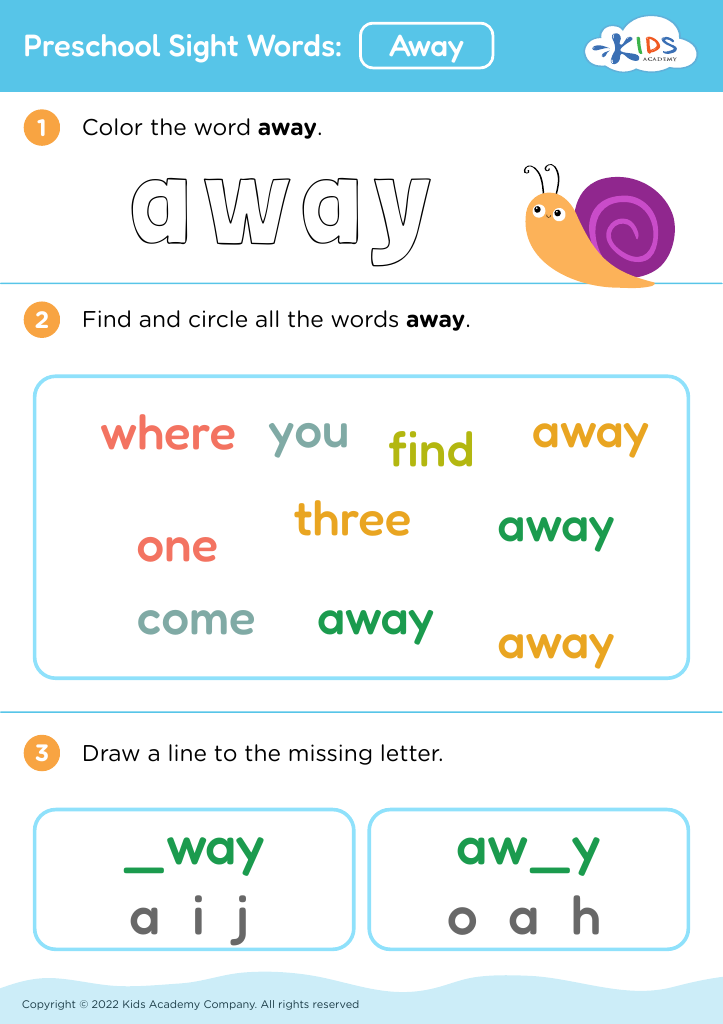
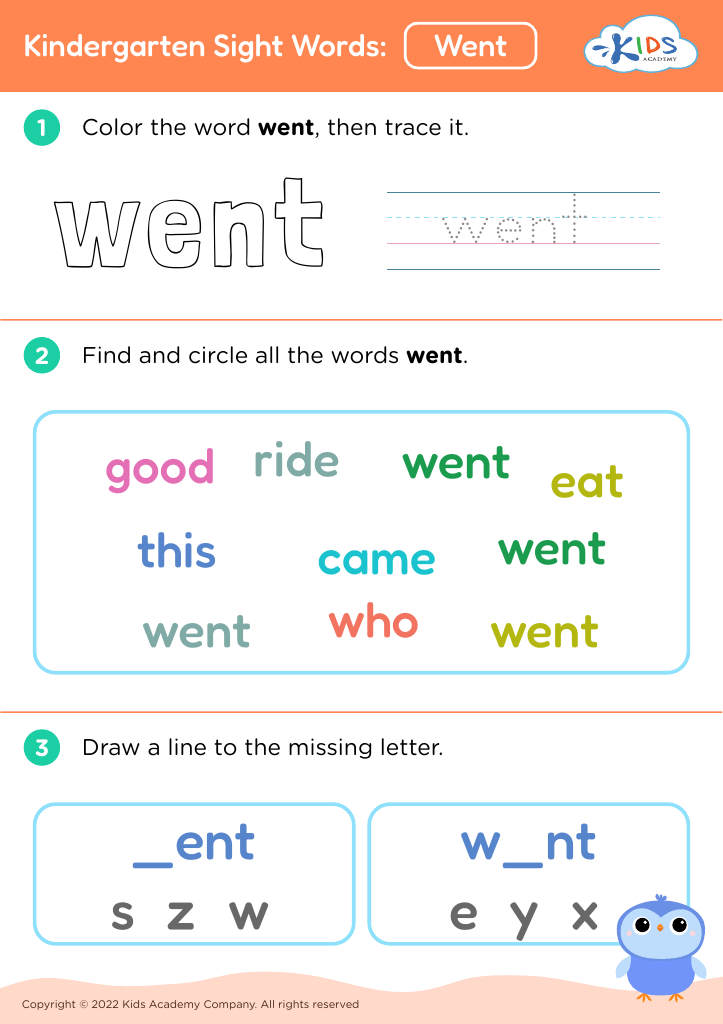
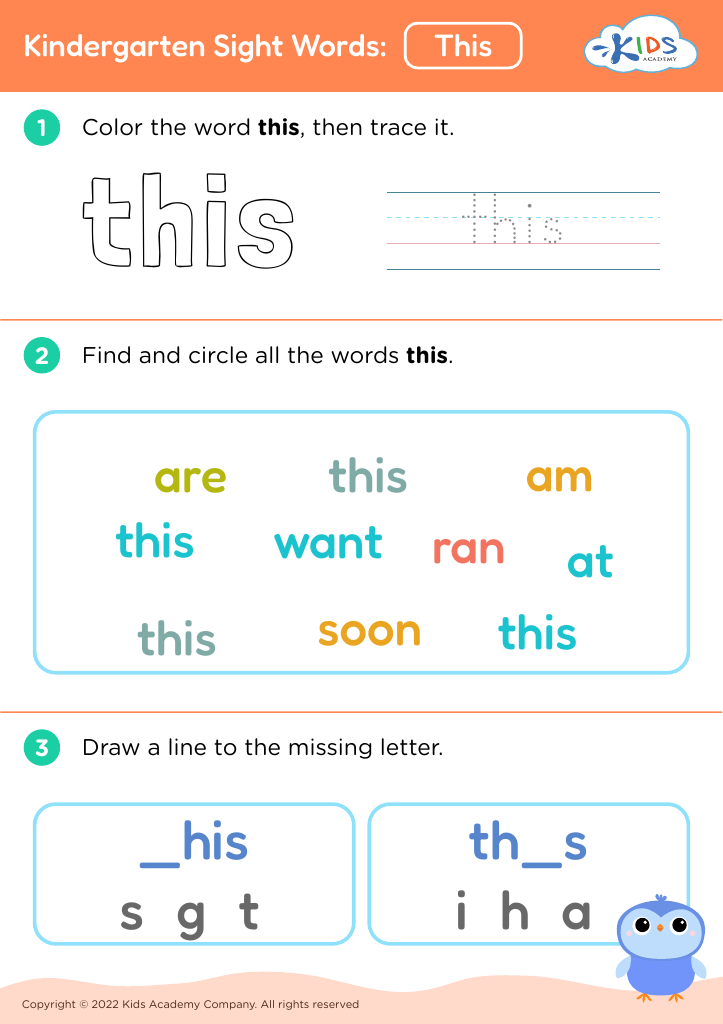
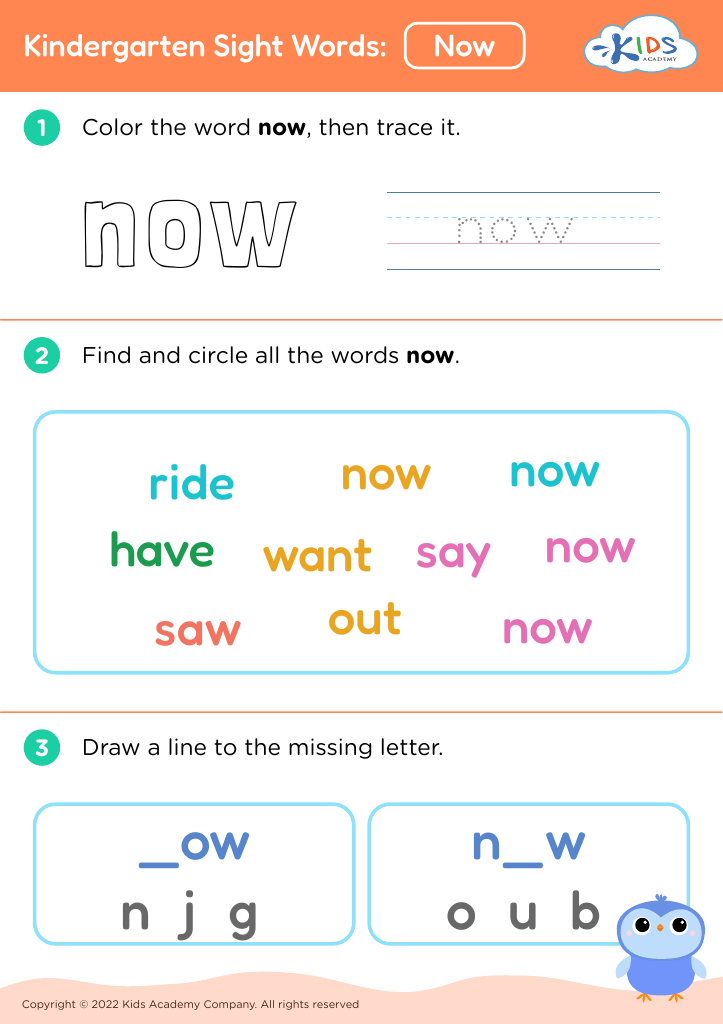
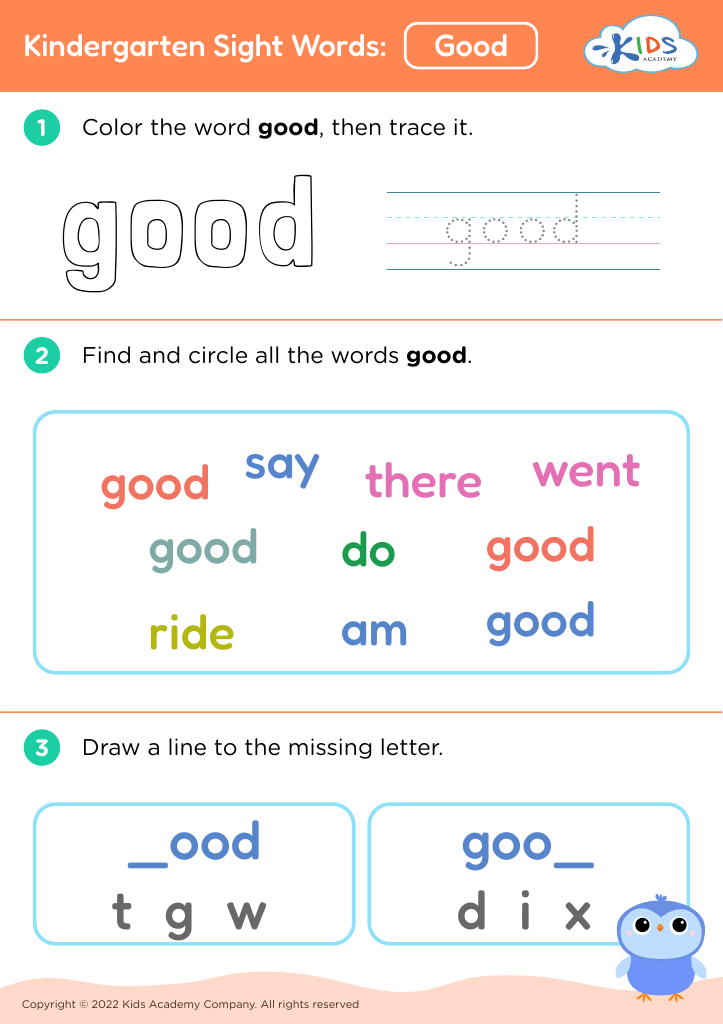
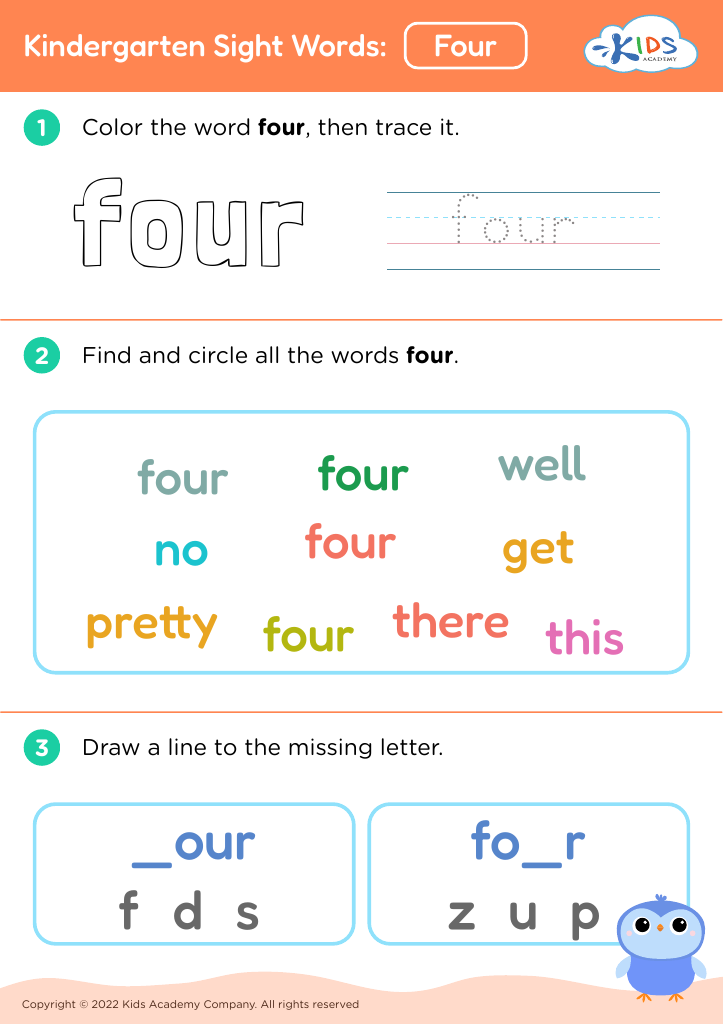
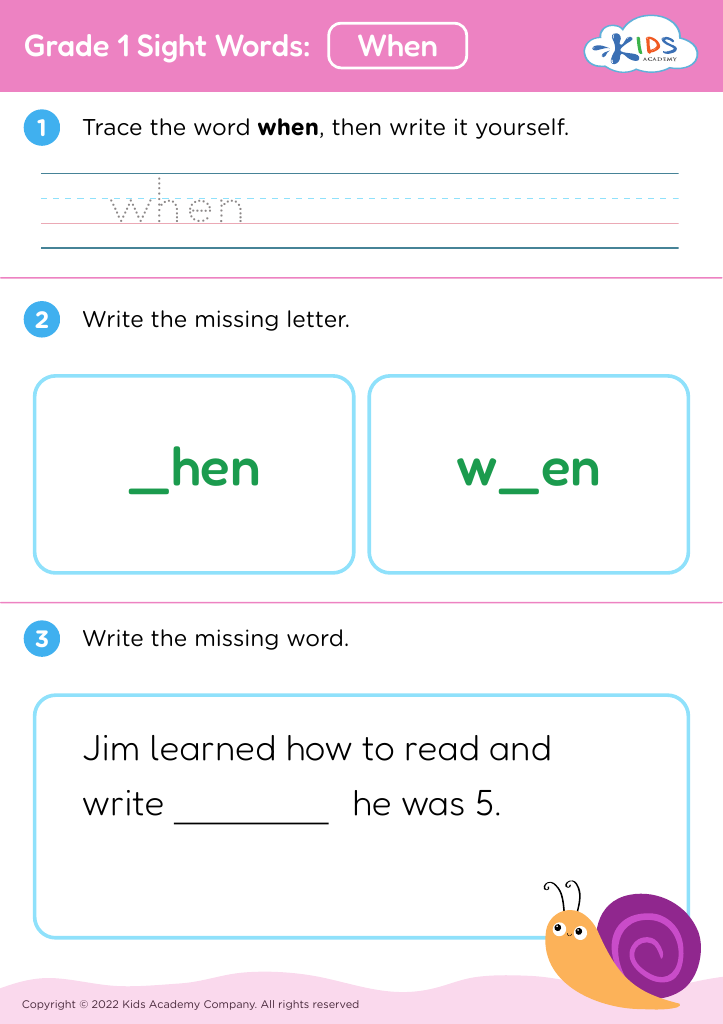






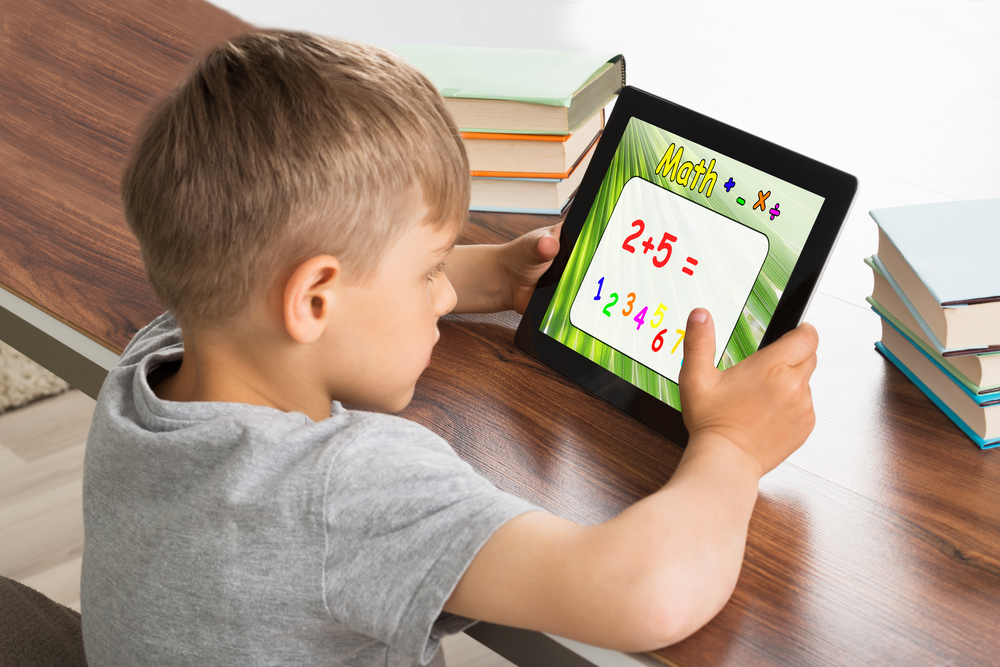
Number recognition is a foundational skill critical for young children's cognitive development, especially for those aged 4-6. At this stage, children begin their formal education, where grasping mathematical concepts sets the groundwork for future learning. Recognizing numbers aids in not only grasping basic arithmetic but also enhances logical thinking and problem-solving skills.
Parents and teachers should care about number recognition as it empowers children to engage with the world around them. When children can recognize numbers, they can count objects, understand quantities, and develop essential skills related to time, money, and measurement. These competencies are essential for daily activities, such as shopping, cooking, and planning their routines.
Moreover, number recognition fosters confidence. Children who understand numbers better are more likely to participate in class discussions, handle math-related tasks, and develop a positive attitude toward learning and mathematics in particular.
Fostering an early love for numbers also helps bridge educational gaps, making it easier for all children to reach benchmarks in math readiness. Ultimately, prioritizing number recognition lays the groundwork for academic success and lifelong mathematical understanding, emphasizing the responsibility of both parents and teachers in nurturing these critical skills.








