Introduce your young learners to the wonders of nature with our "Understanding Ecosystems Worksheets for Ages 4-6". These engaging, age-appropriate worksheets are designed to help kids explore the fascinating world of plants, animals, and habitats. Through delightful coloring pages, puzzles, matching games, and simple reading exercises, children will begin to grasp how various components of ecosystems function together. Perfect for classroom use or homeschooling, our worksheets support early science education by fostering curiosity and foundational understanding. Equip your little explorers with the knowledge they need to appreciate and protect our planet from an early age. Start exploring today!

Check out this FREE "Understanding ecosystems" Trial Lesson for age 4-6!

Animal Adaptations

Favorites
With answer key
Interactive
  • 4-6
  • Understanding ecosystems
Producer or Consumer? Worksheet

Producer or Consumer? Worksheet

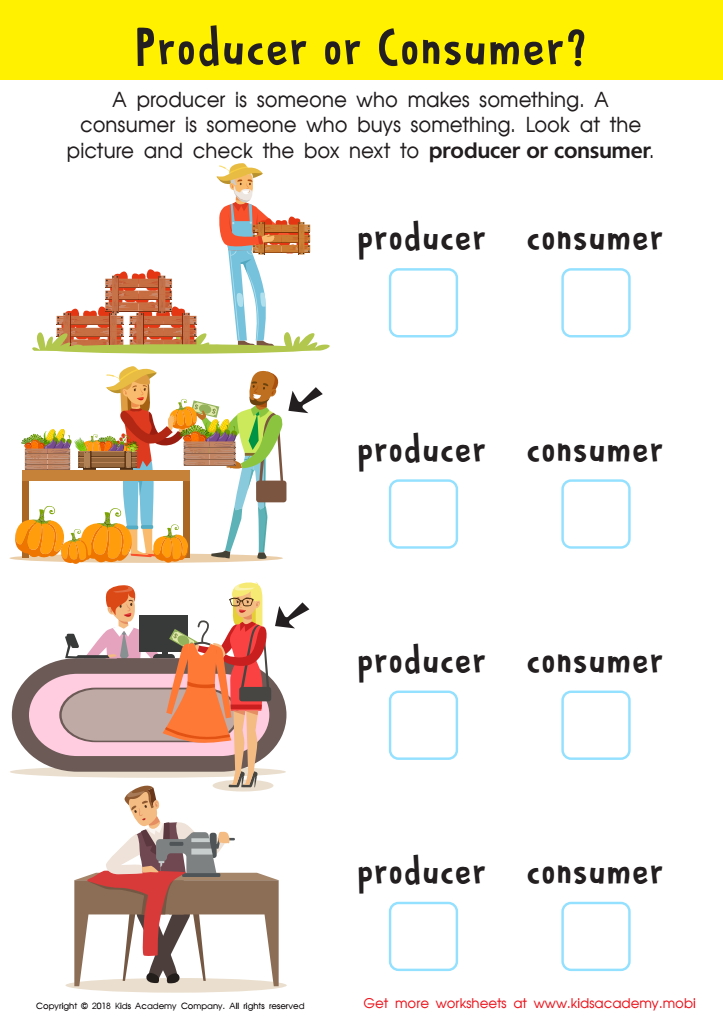
Test your child's knowledge by asking who's a producer and consumer. Explain producer makes things and consumer buys them. Use a snack example. Look at the picture with your kids and help them check the box next to producer or consumer.
Producer or Consumer? Worksheet
Worksheet
Arctic World Worksheet

Arctic World Worksheet

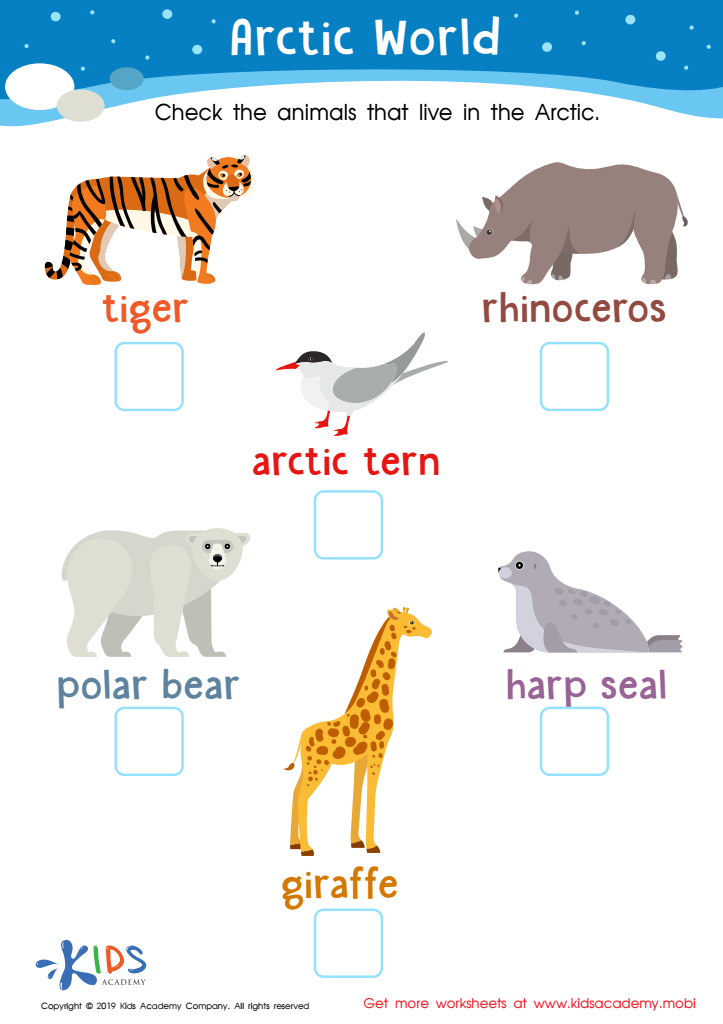
Ask your students if they know where the Arctic is located and what lives there. If not, use a world atlas to show them. The Arctic is very cold and snow-covered; native animals have adapted to survive the harsh conditions. Look at the animals in the worksheet and help your students decide which ones live in the Arctic.
Arctic World Worksheet
Worksheet
Earth and Human Activity: Assessment 2 Worksheet

Earth and Human Activity: Assessment 2 Worksheet

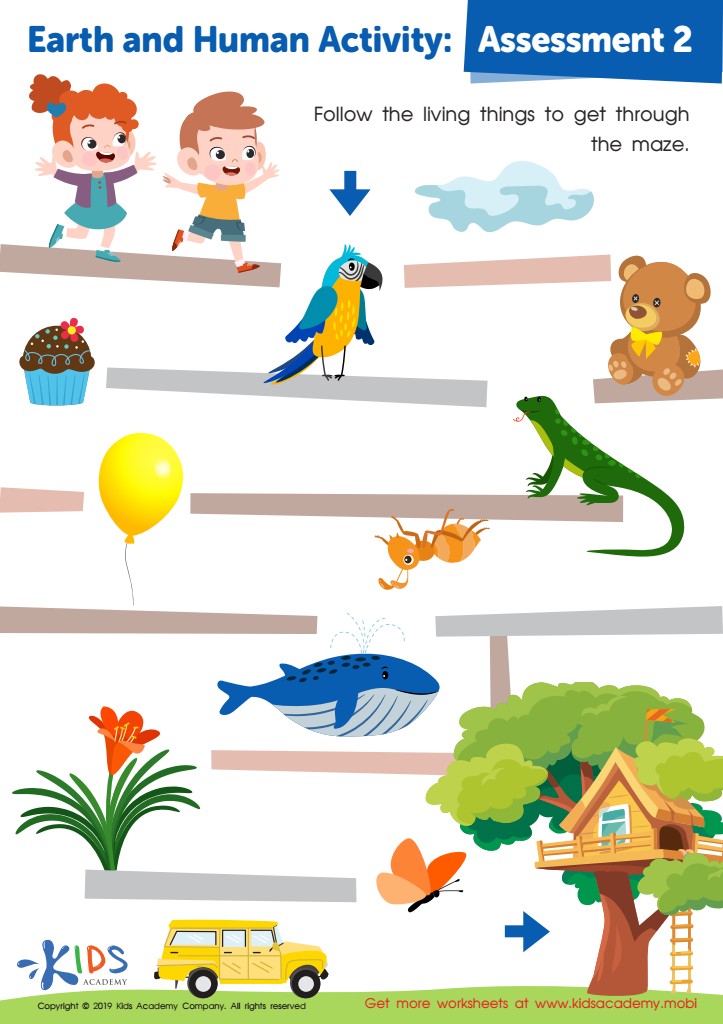
Earth is alive with birds, trees, insects, and animals. Explain to your kids that the environment on Earth supports life. Ask for examples, then use the worksheet pictures to help them identify living things and complete the maze.
Earth and Human Activity: Assessment 2 Worksheet
Worksheet
Earth and Human Activity: Assessment1 Worksheet

Earth and Human Activity: Assessment 1 Worksheet
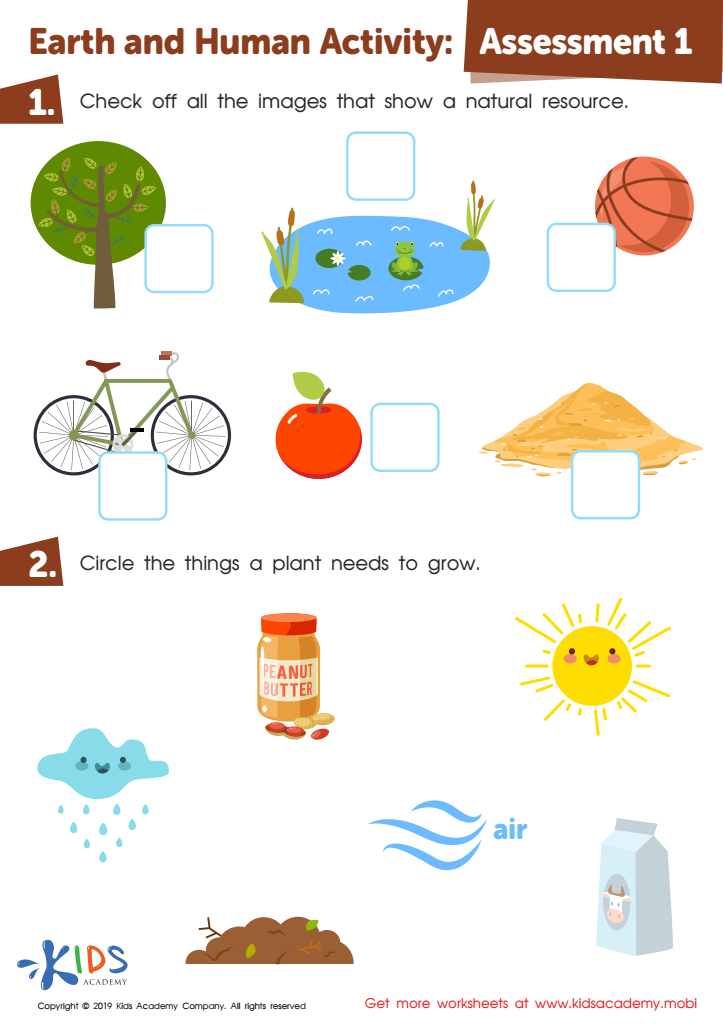
Natural resources are gifts from Mother Nature that exist without man-made intervention. We use them to make essential items we use daily. Ask your kids for examples and have them check off images of natural resources on this worksheet.
Earth and Human Activity: Assessment 1 Worksheet
Worksheet
Water World Worksheet

Water World Worksheet

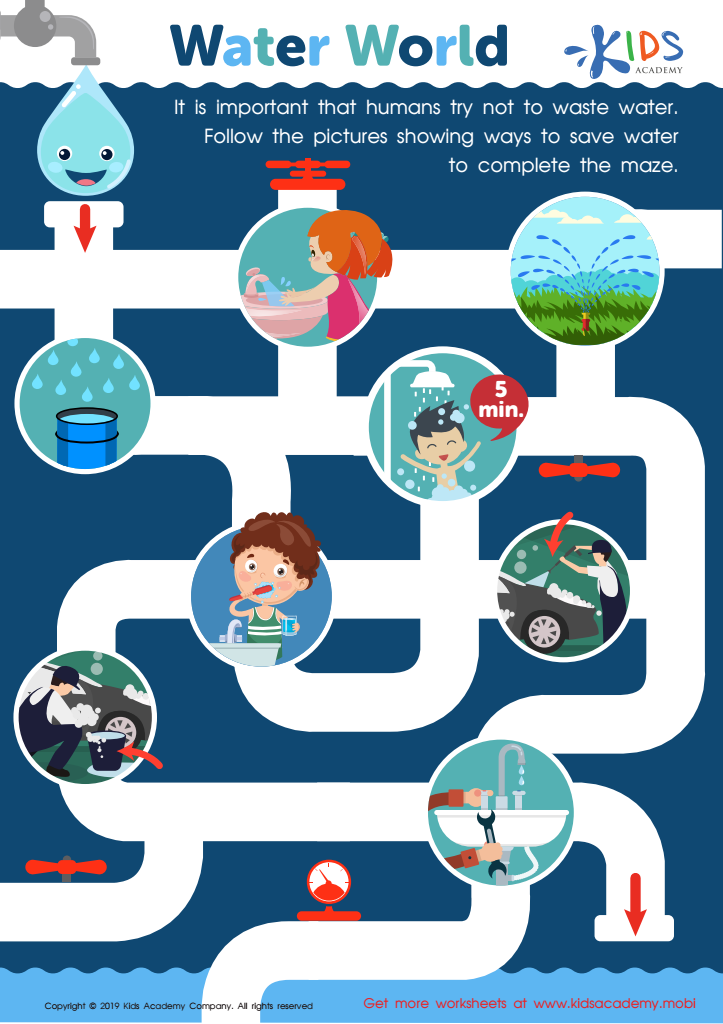
Water is a vital necessity for living. Our bodies depend on it to stay healthy and survive. When we don't drink enough water, we become thirsty and run the risk of getting sick. Luckily, our planet is full of water and natural sources to stay hydrated. To prevent water waste, use this worksheet to teach your students how to conserve it and complete the maze.
Water World Worksheet
Worksheet
Animals and Plants: Assesment 1 Worksheet

Animals and Plants: Assessment 1 Worksheet
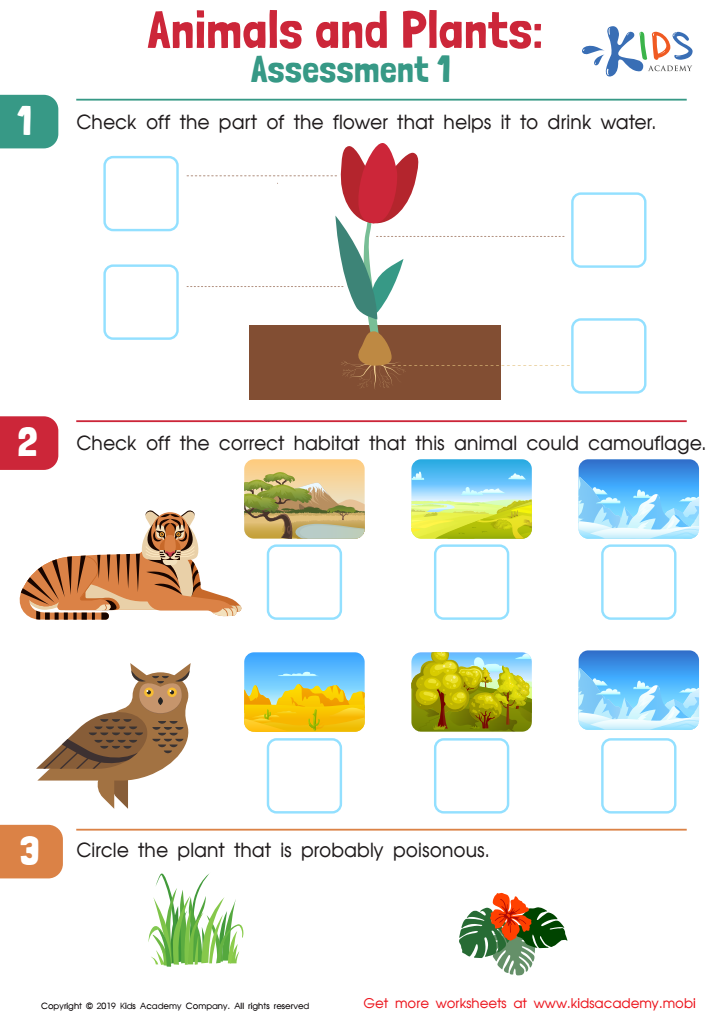
Do you want to easily assess your child's understanding of basic science concepts? This colorful PDF offers a free opportunity for them to test their knowledge about parts of a flower, poisonous plants, animal habitats and more! Bright pictures make it fun and easy for you to see what they know.
Animals and Plants: Assessment 1 Worksheet
Worksheet
Producers and Consumers: Sequencing Worksheet


Producers and Consumers: Sequencing Worksheet

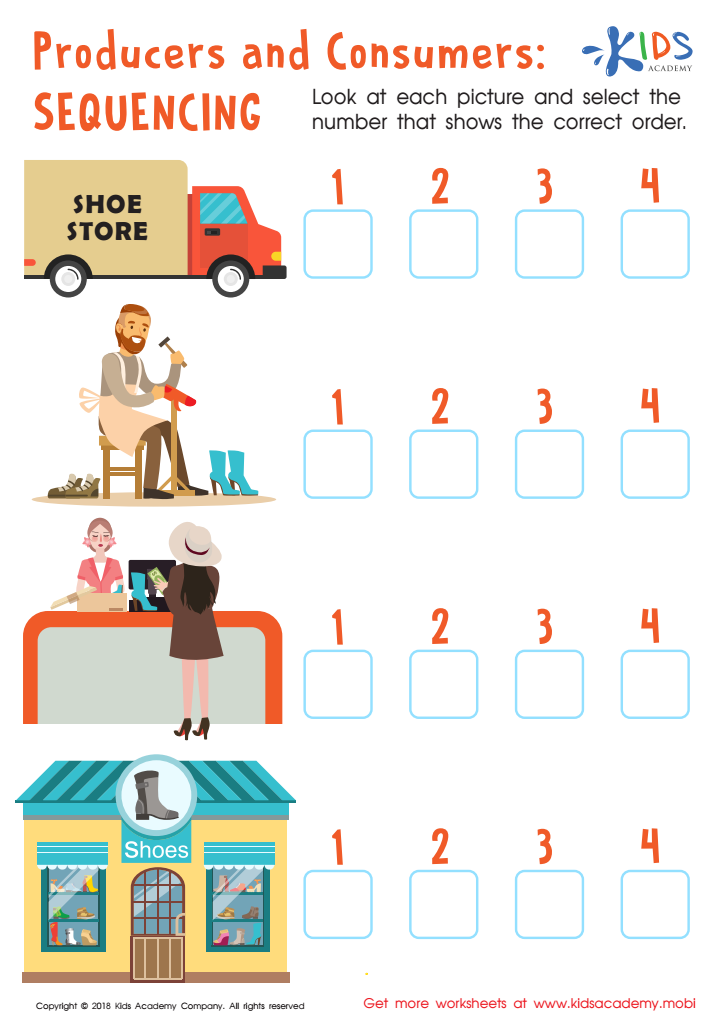
Ask your child: Who are producers? Can you give an example? Here's one: a shoe maker. What's happening in each picture? Can you arrange them in the right order? Select the number that shows the correct answer.
Producers and Consumers: Sequencing Worksheet

Worksheet


Understanding ecosystems is crucial for young children ages 4-6, as it lays the foundation for environmental awareness and responsible habits early in life. At this formative age, children are incredibly curious and eager to explore the world around them. By introducing them to ecosystems, we help foster a sense of wonder and appreciation for nature.

Learning about how plants, animals, and humans interact within an ecosystem teaches kids the interconnectivity of life. This understanding can promote empathy and responsibility, as children realize that their actions can affect living beings and natural environments. For instance, knowing how certain animals depend on clean water can make them more conscientious about water use.

Additionally, introducing ecosystems in simple, engaging ways helps develop critical thinking and observational skills. Young children learn to make connections, identify patterns, and ask questions—skills that are valuable across all areas of learning.

Lastly, nurturing an early love and respect for nature can lead to a lifelong commitment to environmental stewardship. As today's children are tomorrow's decision-makers, educating them about ecosystems can ensure a more sustainable future.

By valuing ecosystem education for ages 4-6, parents and teachers can grow mindful, knowledgeable, and caring individuals ready to protect our planet.