Visual comprehension Worksheets for Ages 4-6
10 filtered results
-
From - To
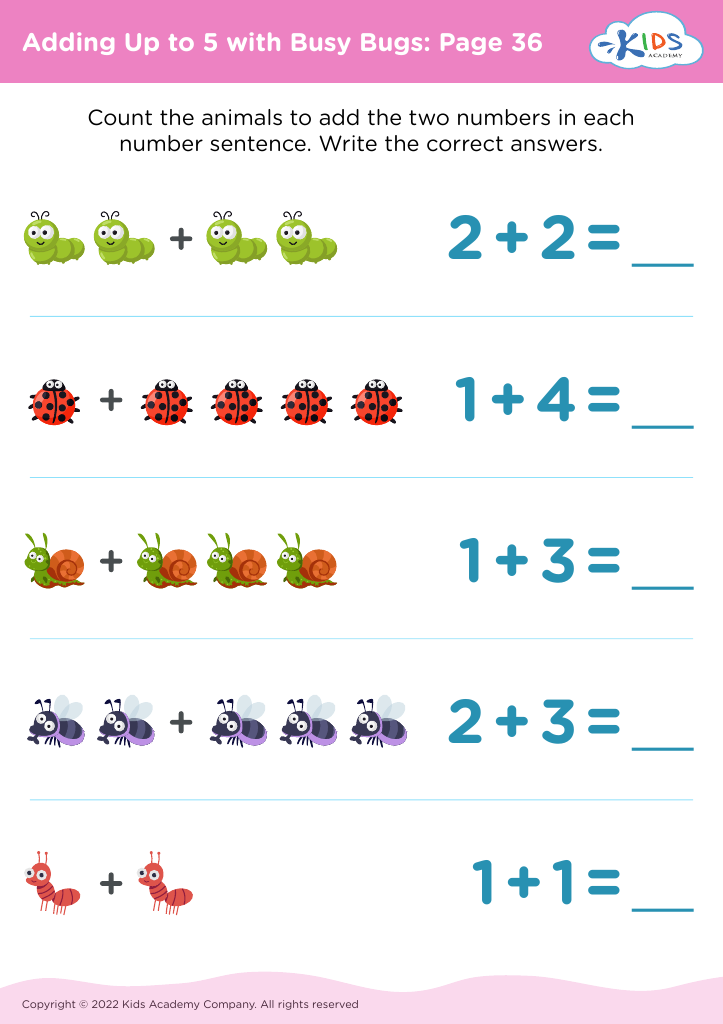
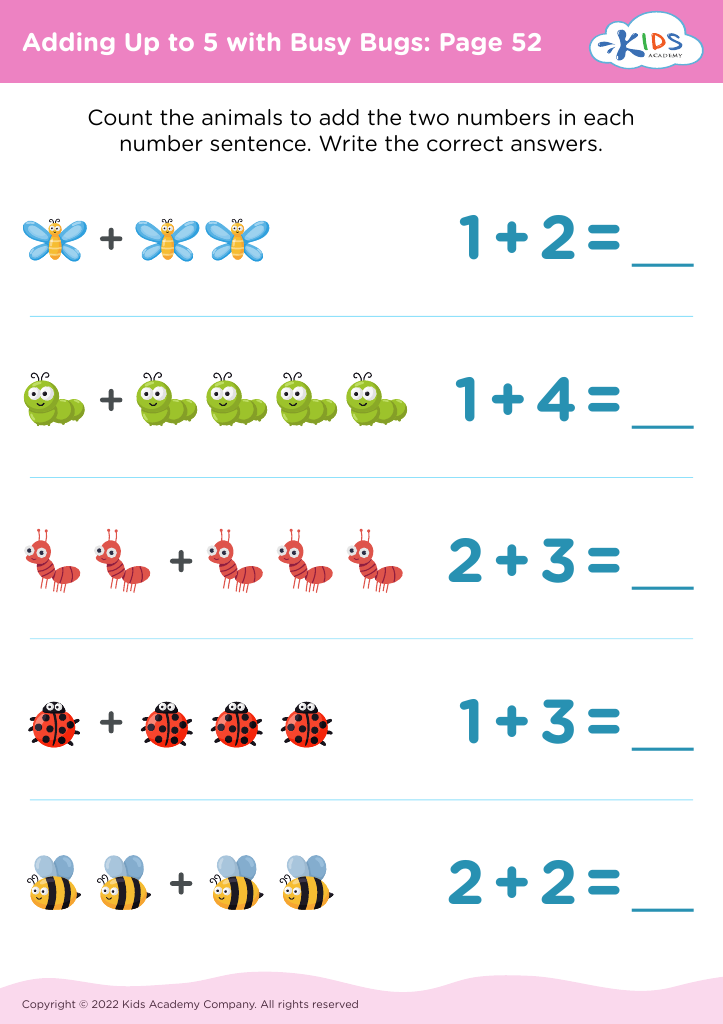
Discover our Visual Comprehension Worksheets designed specifically for children aged 4-6. These engaging resources enhance young learners' understanding and interpretation skills through colorful visuals and fun activities. Tailored to spark creativity and critical thinking, our worksheets help kids identify objects, complete puzzles, and draw connections between images, all while developing essential cognitive abilities. With varied themes and challenges, children can practice at their own pace, making learning enjoyable and effective. Perfect for homeschool or classroom settings, these worksheets support early literacy and visual recognition, setting a strong foundation for academic success. Explore our collection today and inspire your little ones!
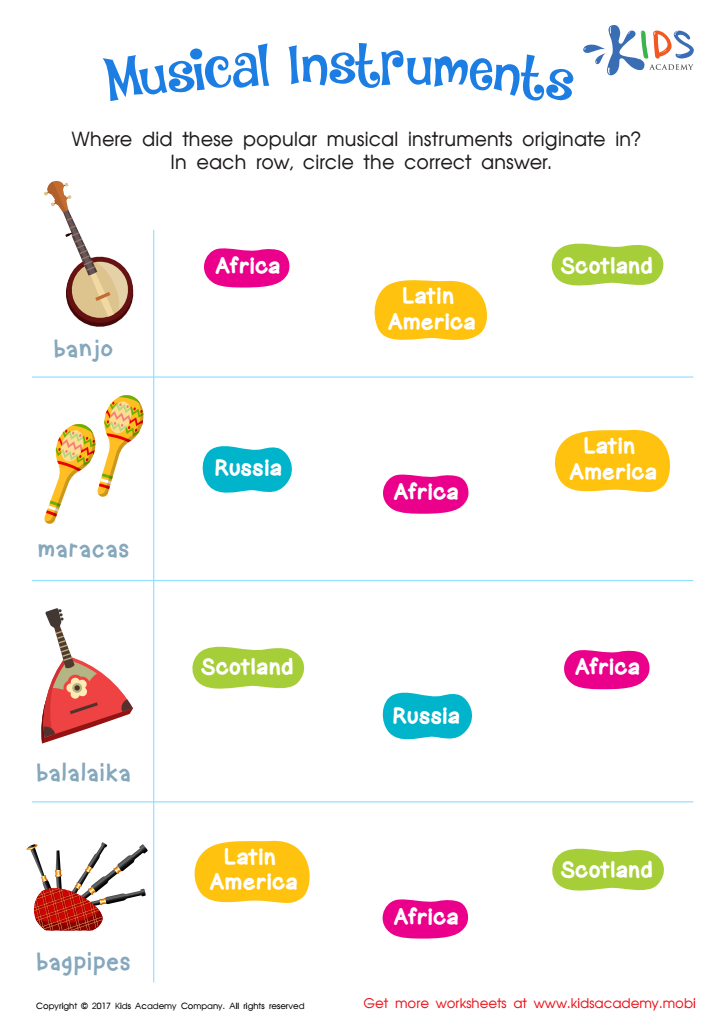
Musical Instruments Printable
 Assign to My Students
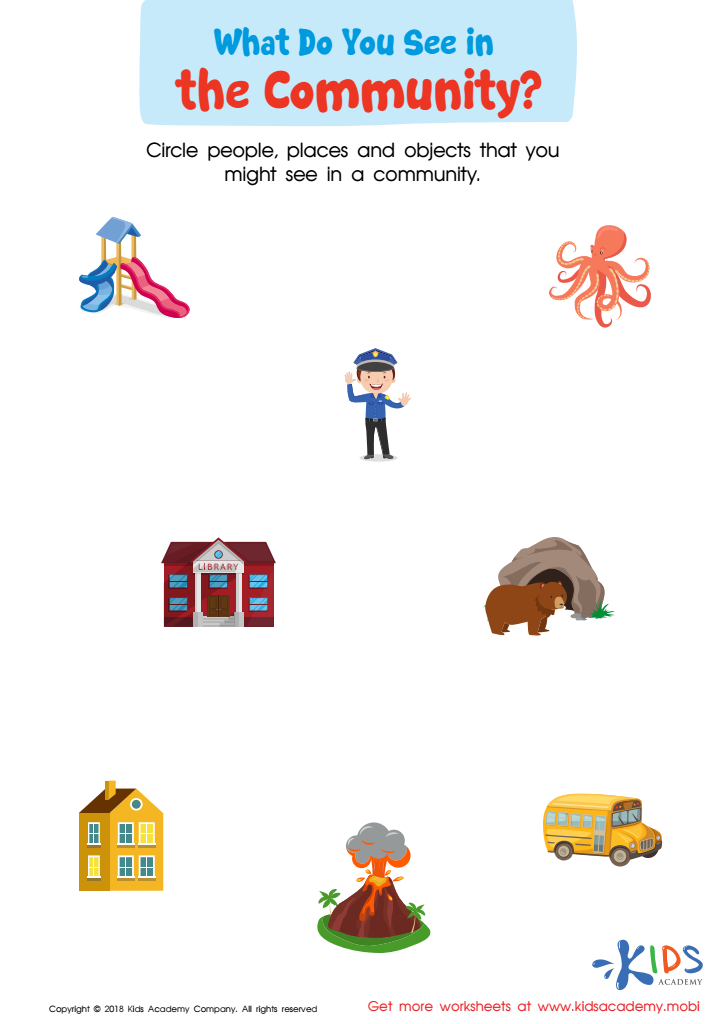
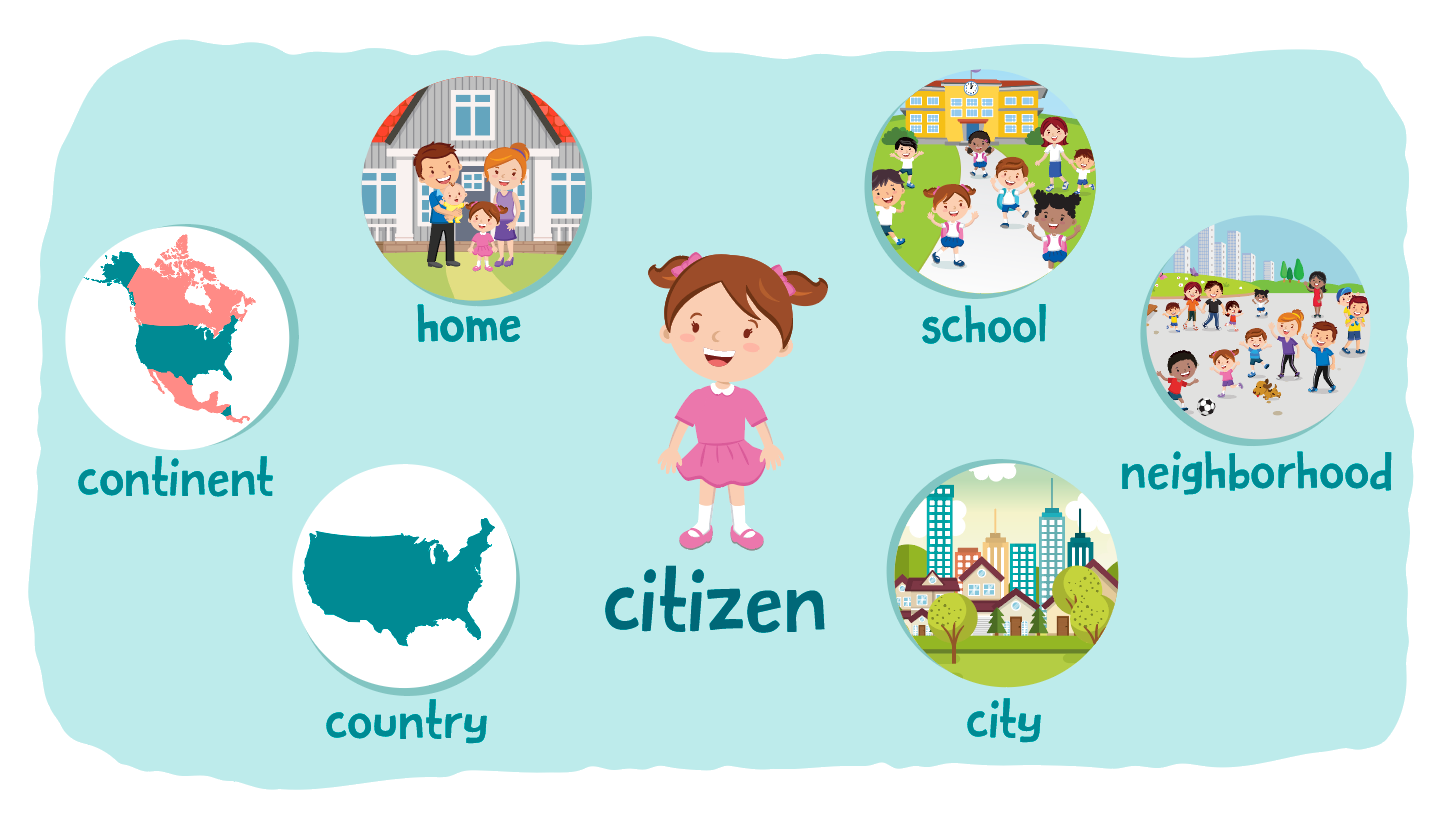
What Do You See in the Community Worksheet
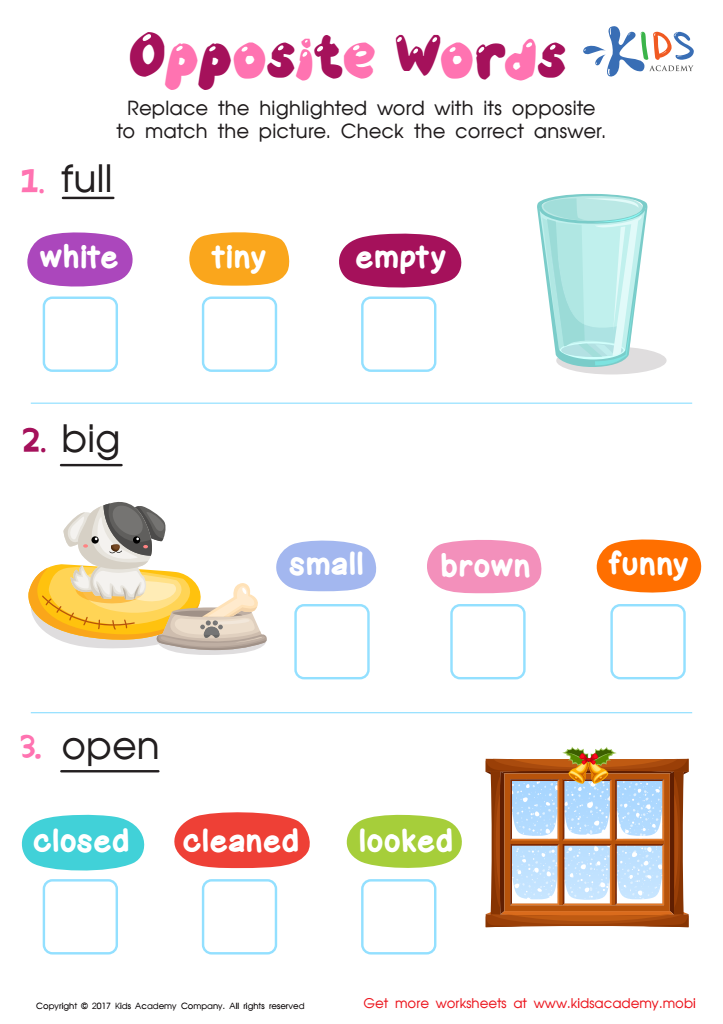
Opposite Words Worksheet
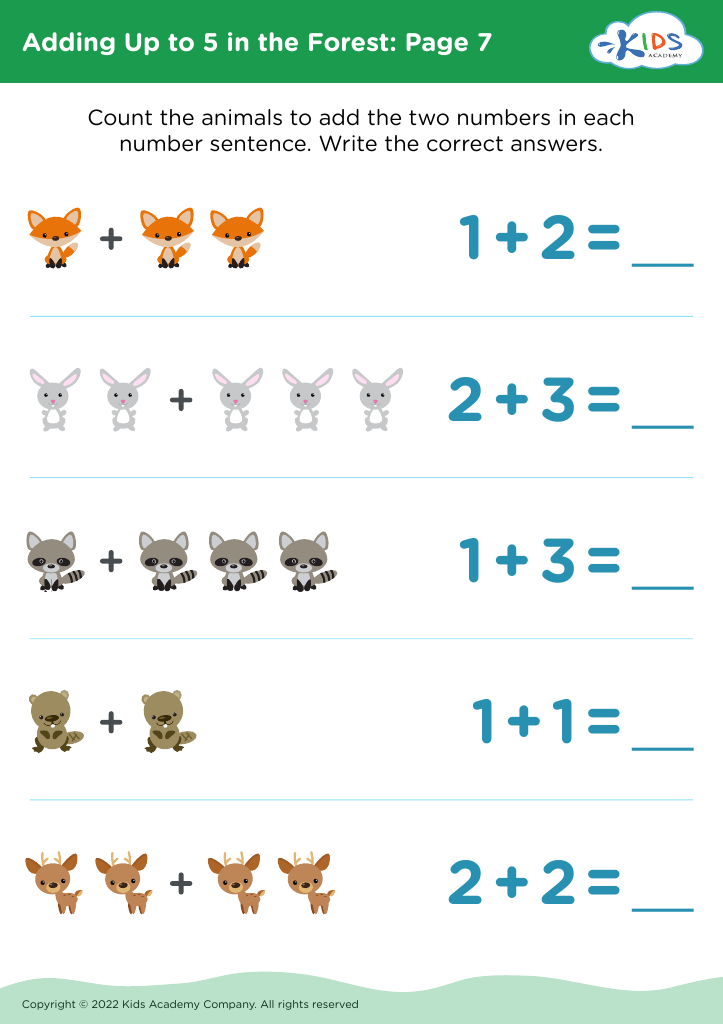
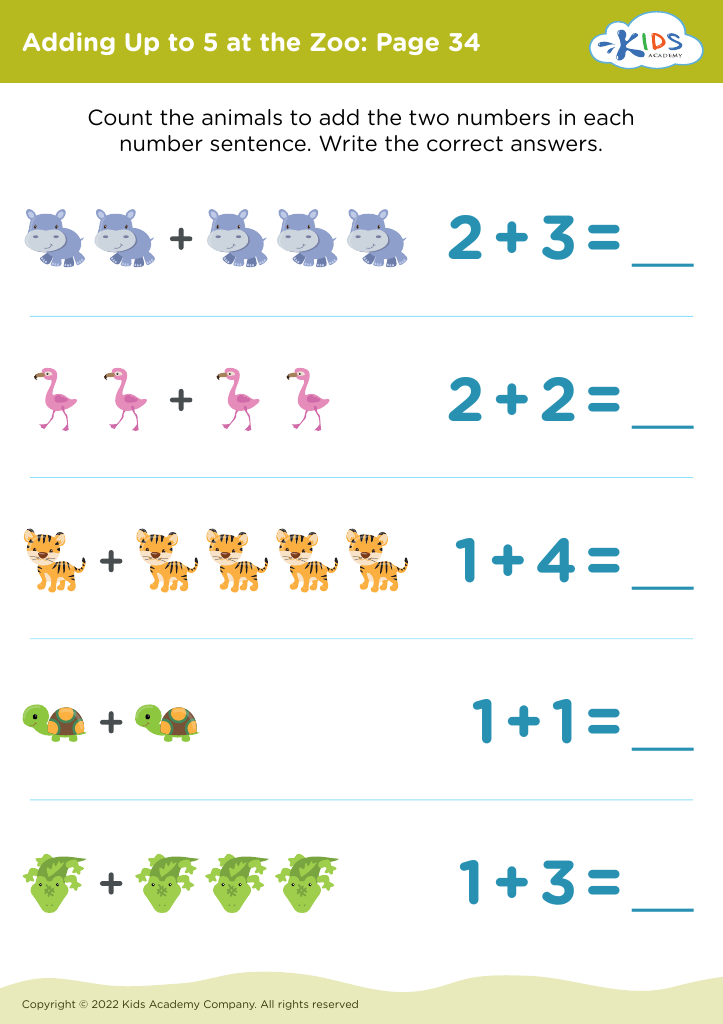
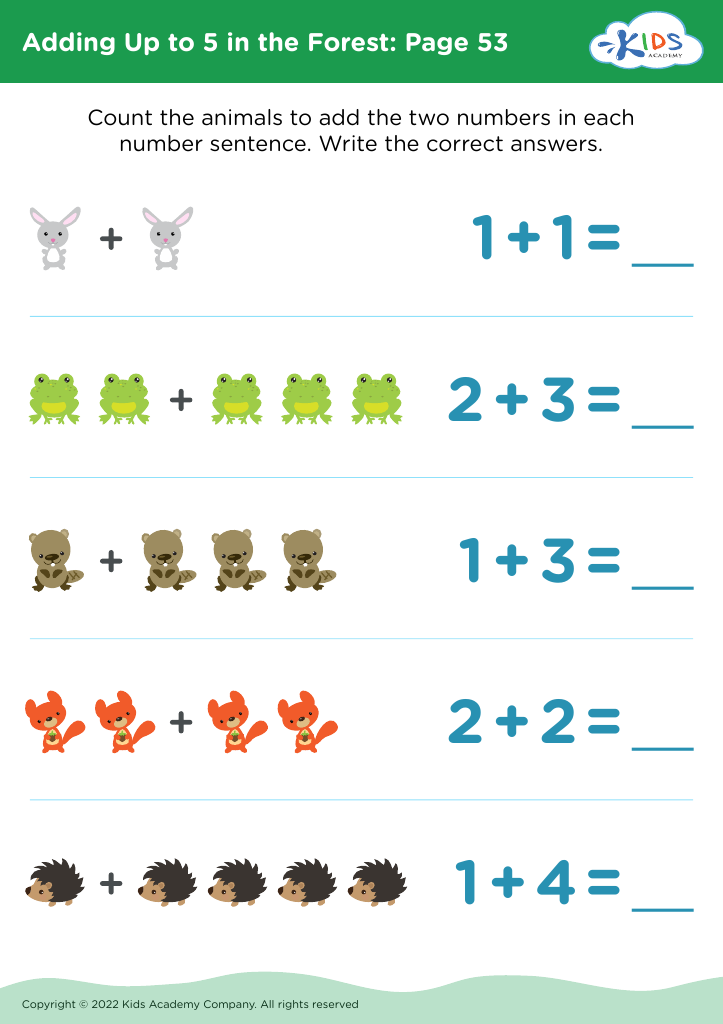



.jpg)


Visual comprehension is a crucial skill for children aged 4-6 as it forms the foundation for their overall learning and development. At this age, children are beginning to explore and interpret the world around them, often through visual means. When parents and teachers prioritize visual comprehension, they are equipping children with the ability to interpret signs, symbols, and images, which enhances their understanding of communication and storytelling.
Engaging in activities that foster visual comprehension—such as reading picture books, discussing illustrations, or using visual aids—encourages critical thinking and problem-solving skills. Children learn to make connections between images and concepts, improving their ability to process information. This skill also supports language development, as kids learn to articulate what they see, describe emotions, and recount stories.
Furthermore, strong visual comprehension skills can boost confidence in academic settings, paving the way for future learning, particularly in reading and math, which rely heavily on visual-spatial abilities. By fostering these skills early on, parents and teachers play a vital role in preparing children not only for academic success but also for effective communication and social interaction throughout their lives. Thus, promoting visual comprehension is integral to holistic childhood development.








