Hand-eye Coordination Geometry Worksheets for Ages 4-6
5 filtered results
-
From - To
Discover our engaging Hand-eye Coordination Geometry Worksheets designed for children ages 4-6! These worksheets seamlessly blend geometry concepts with fun activities to enhance hand-eye coordination. Your little learners will explore shapes, patterns, and spatial awareness through interactive exercises that involve tracing, coloring, and matching. Perfect for home or classroom use, these worksheets will help develop fine motor skills while nurturing a foundational understanding of geometry. Support your child's early cognitive development and make learning enjoyable with our thoughtfully crafted resources. Set them on a path to mastering essential skills—download our Hand-eye Coordination Geometry Worksheets today!
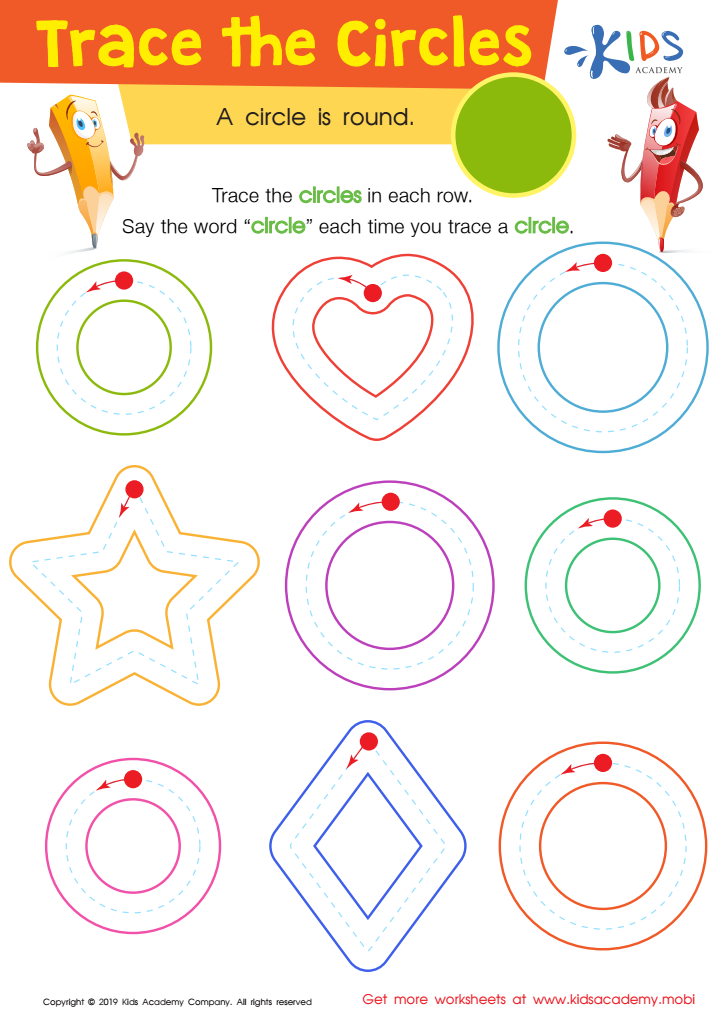
Trace The Circles Worksheet
 Assign to My Students











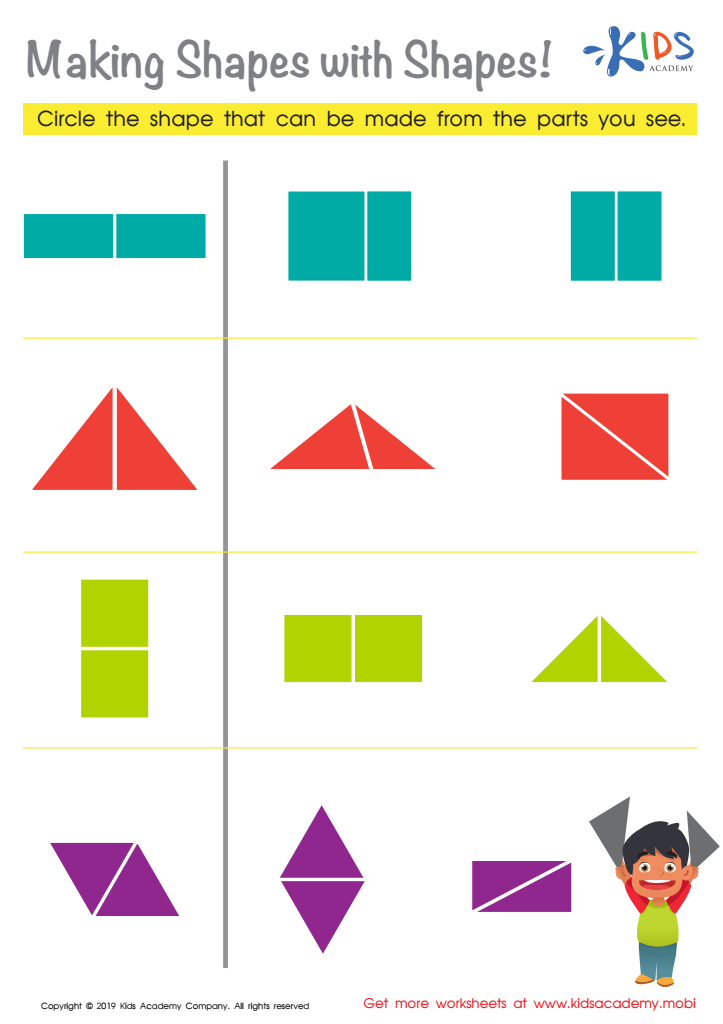
Making Shapes with Shapes Worksheet
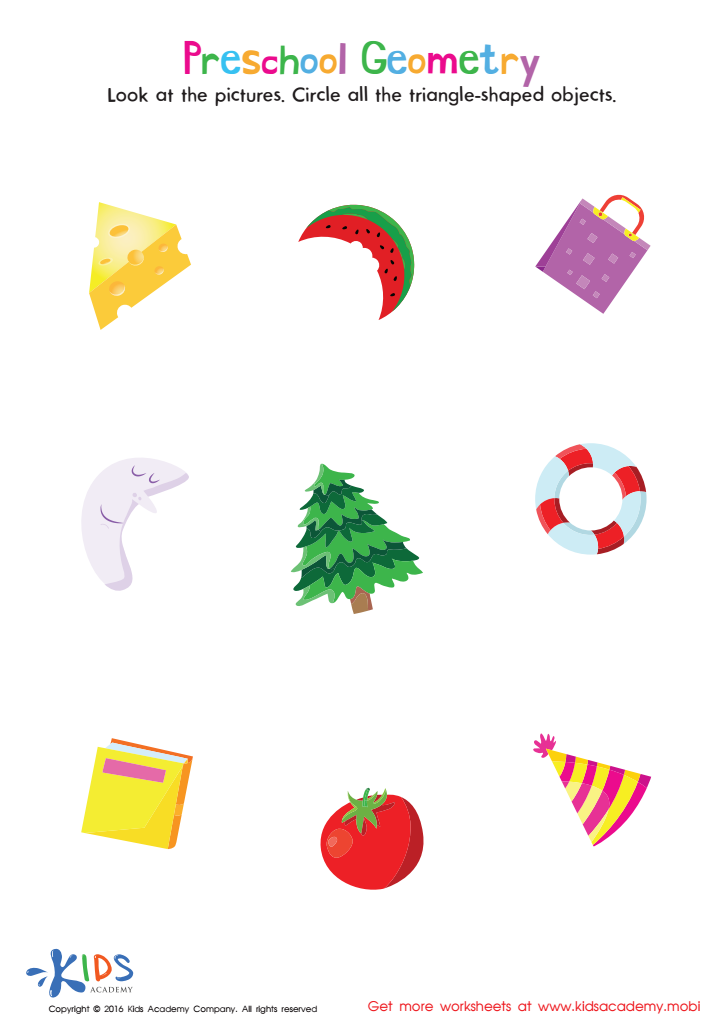
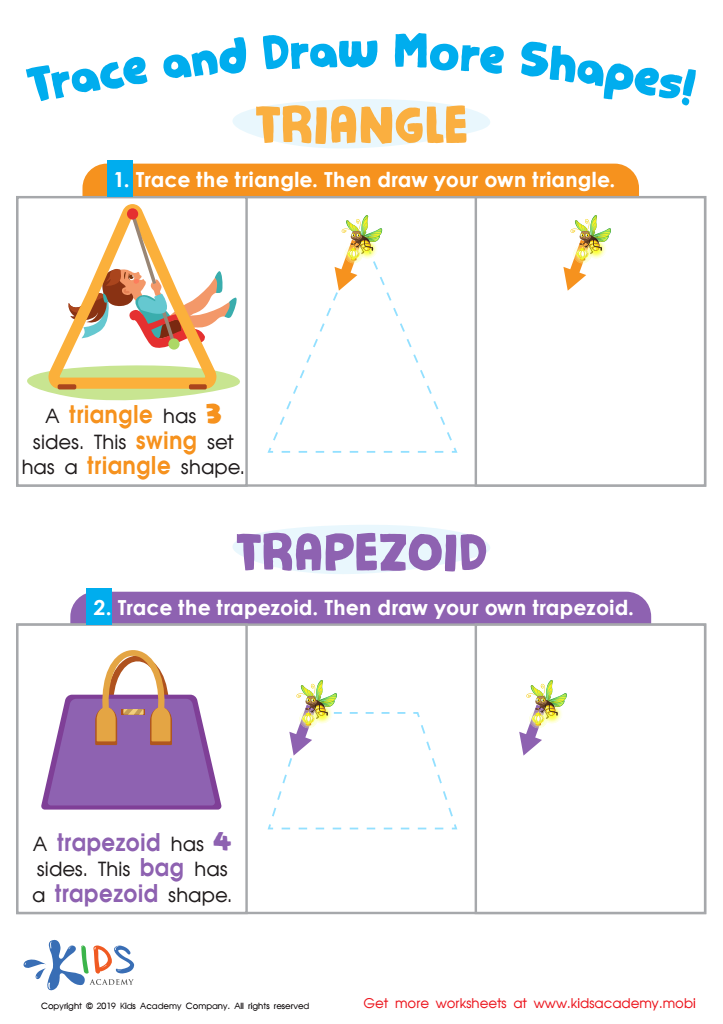
Trace and Draw More Shapes Worksheet
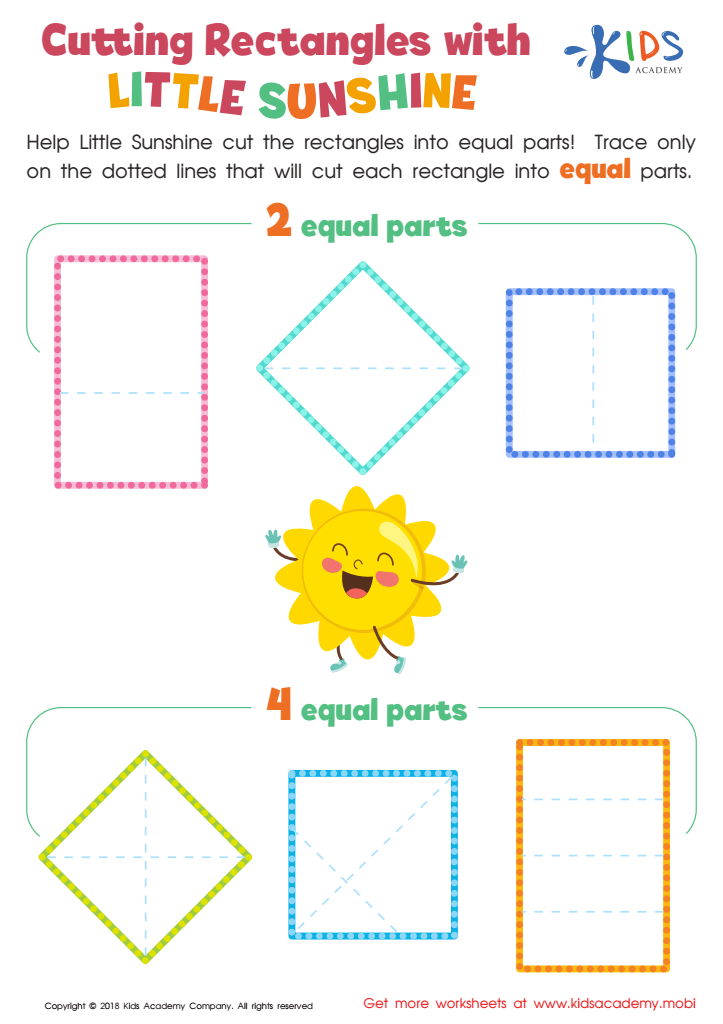
Cutting Rectangles with Little Sunshine Worksheet








Hand-eye coordination and geometry are critical components of early childhood development. At ages 4-6, children are in a prime stage for developing fine motor skills and spatial awareness, both of which are fostered through activities that enhance hand-eye coordination. Activities like building blocks, puzzles, and drawing shapes require children to coordinate their movements with what they see, helping them build a solid foundation for future learning.
Integrating geometry into these activities promotes not only mathematical thinking but also cognitive development. By recognizing shapes, sizes, and spatial relationships, children develop critical reasoning skills that are essential for problem-solving. Furthermore, these skills support later academic performance in math and science.
Teachers and parents should encourage practices that intertwine hand-eye coordination with geometric concepts, as this creates an engaging learning environment that bolsters confidence and competence. Additionally, such skills assist in everyday tasks, enhancing children's ability to navigate their surroundings and interact effectively with the world around them.
Recognizing the importance of hand-eye coordination and geometry at this age sets the stage for lifelong learning and fosters a love for inquiry, exploration, and creativity. In essence, investing time and resources in these skills can have significant long-term benefits for children's overall development.








