Basic Addition Numbers Worksheets for Ages 4-6 - Page 2
38 filtered results
-
From - To
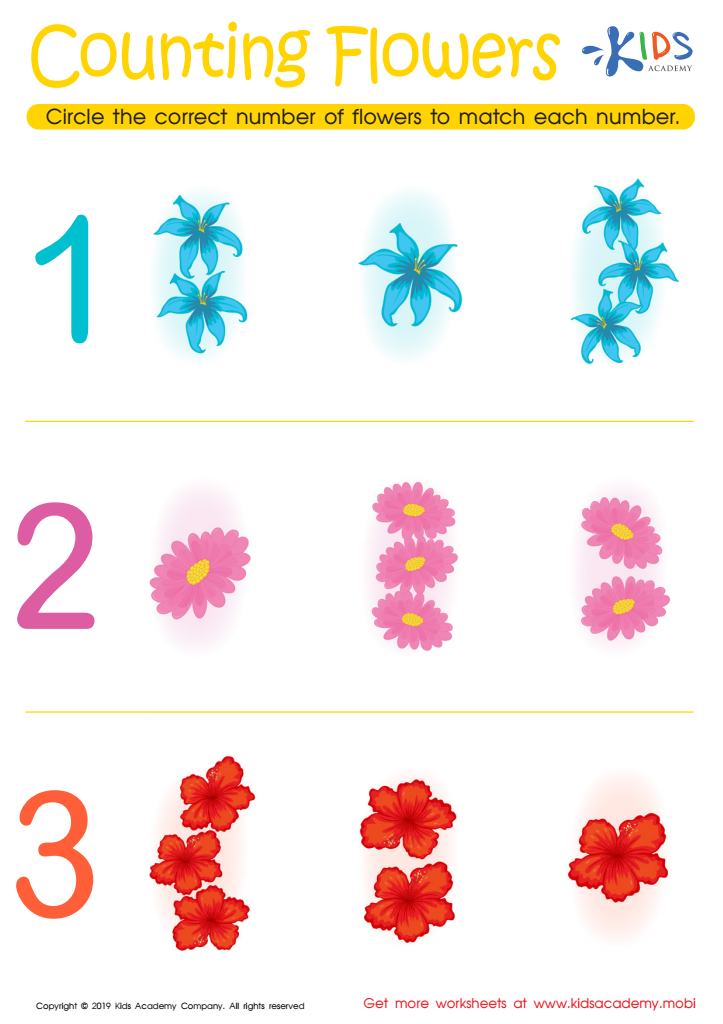
Counting Flowers Worksheet
 Assign to My Students
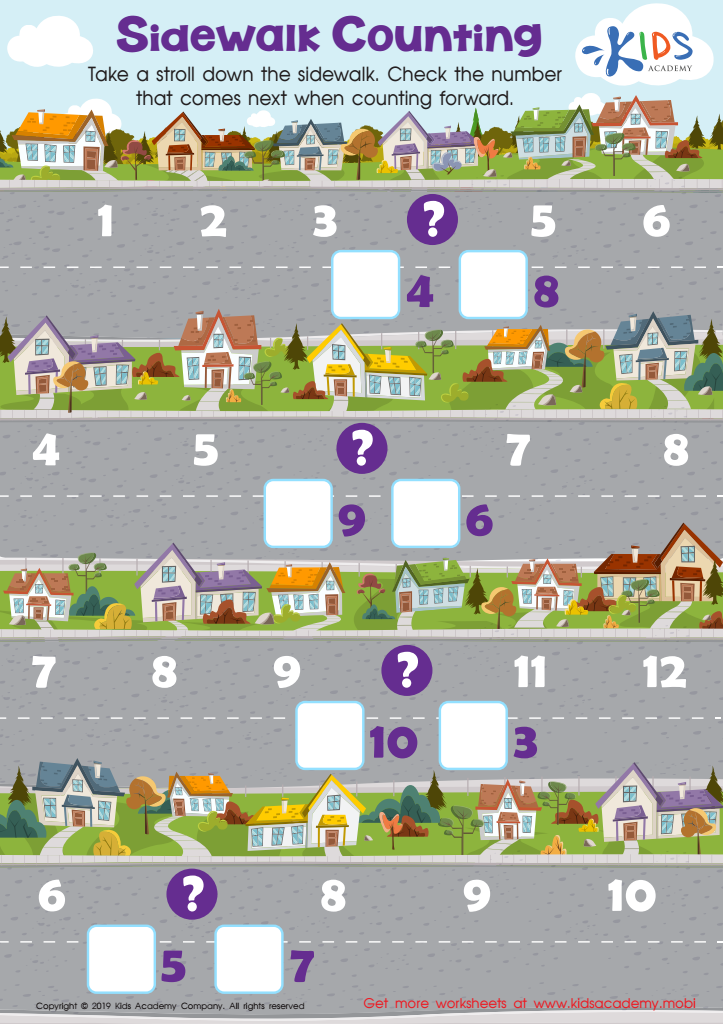
Sidewalk Counting Worksheet
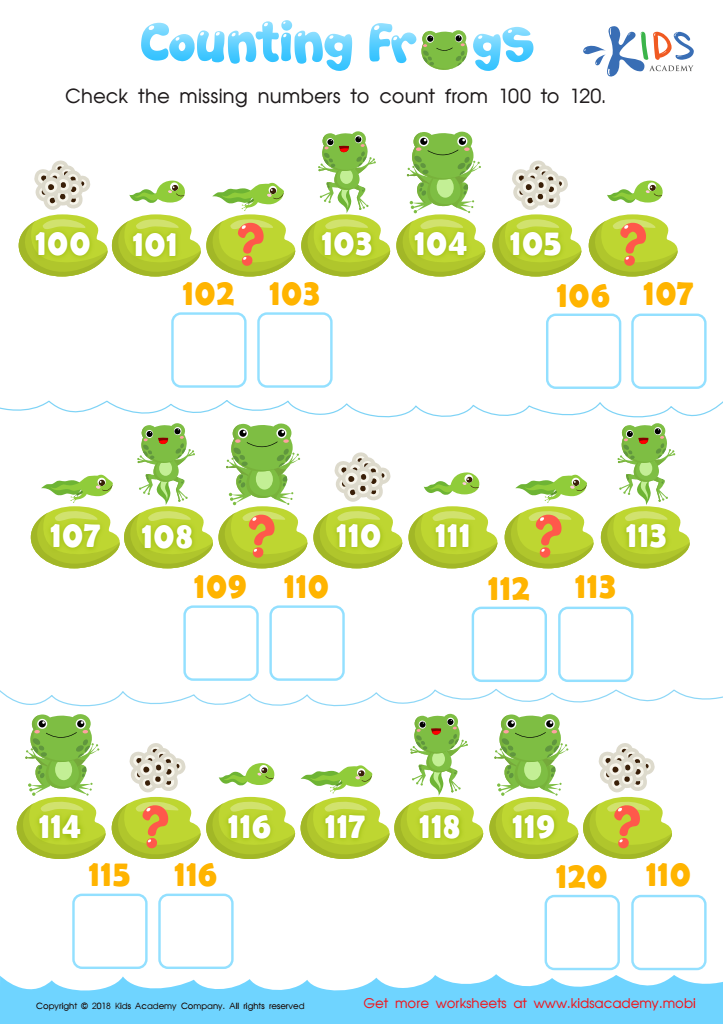
Counting Frogs Worksheet
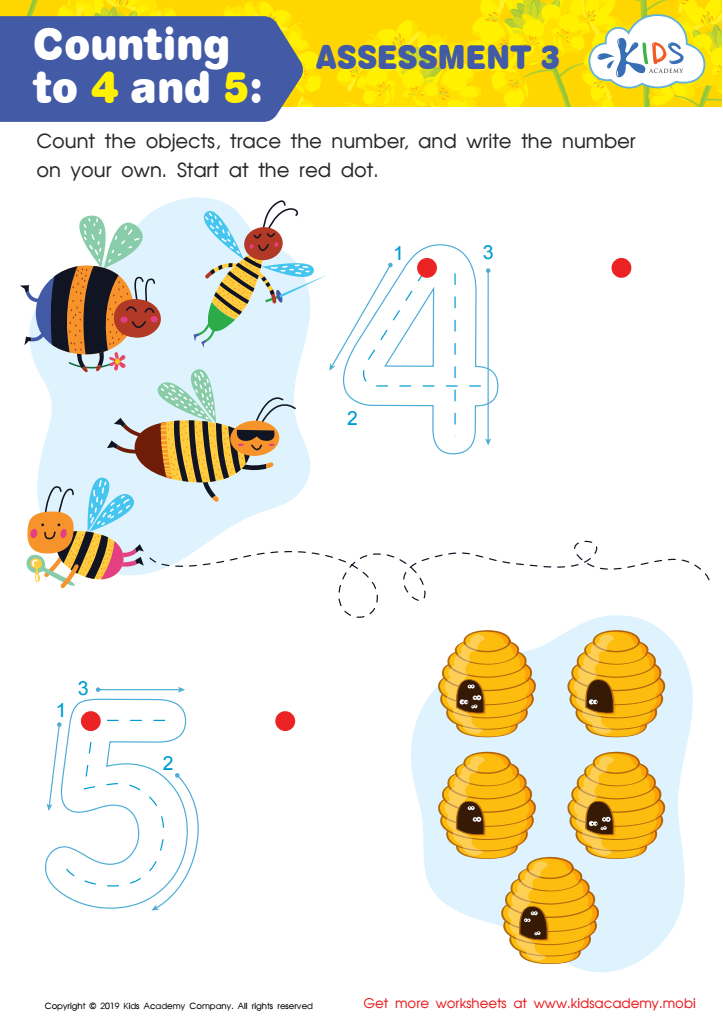
Counting to 4 and 5: Assessment 3 Worksheet
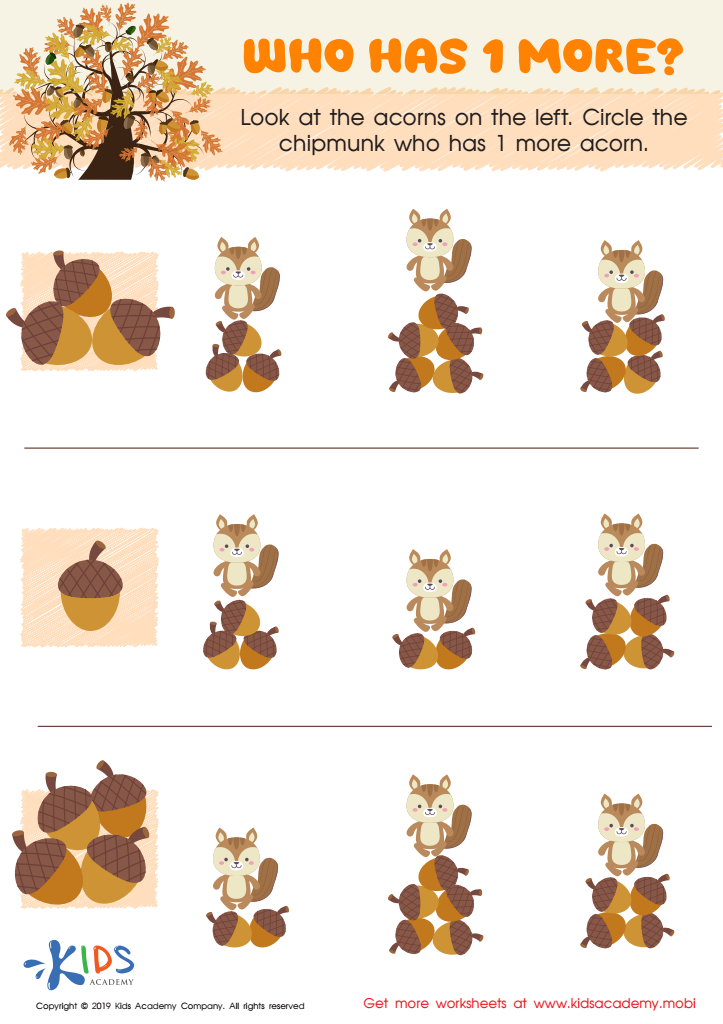
Who Has 1 More? Worksheet
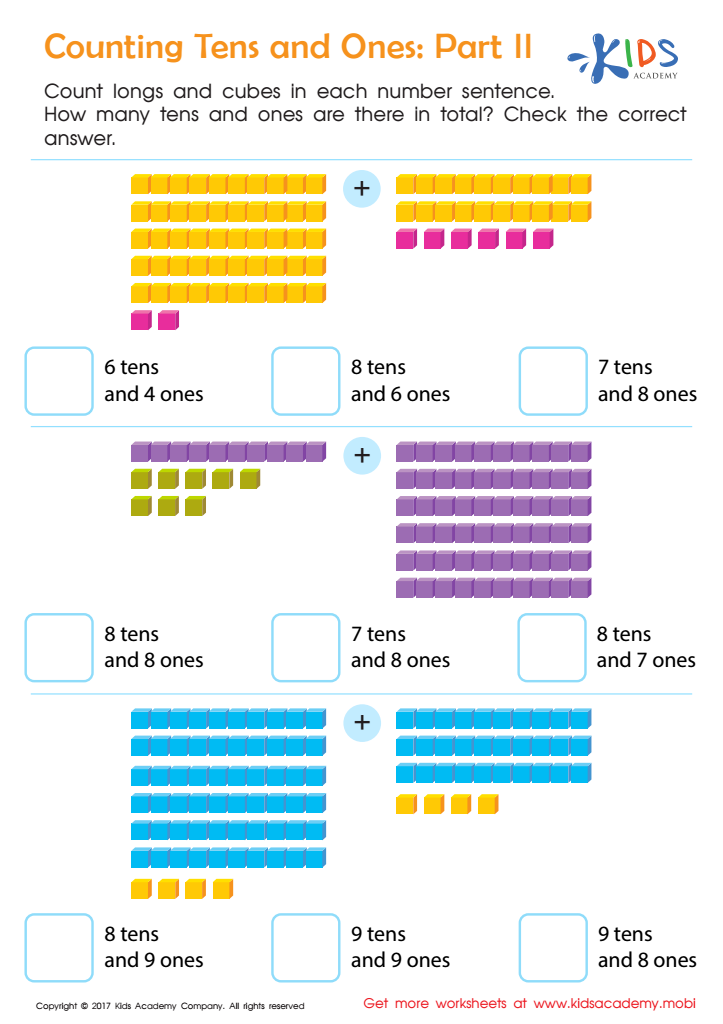
Counting Tens and Ones: Part 2 Worksheet
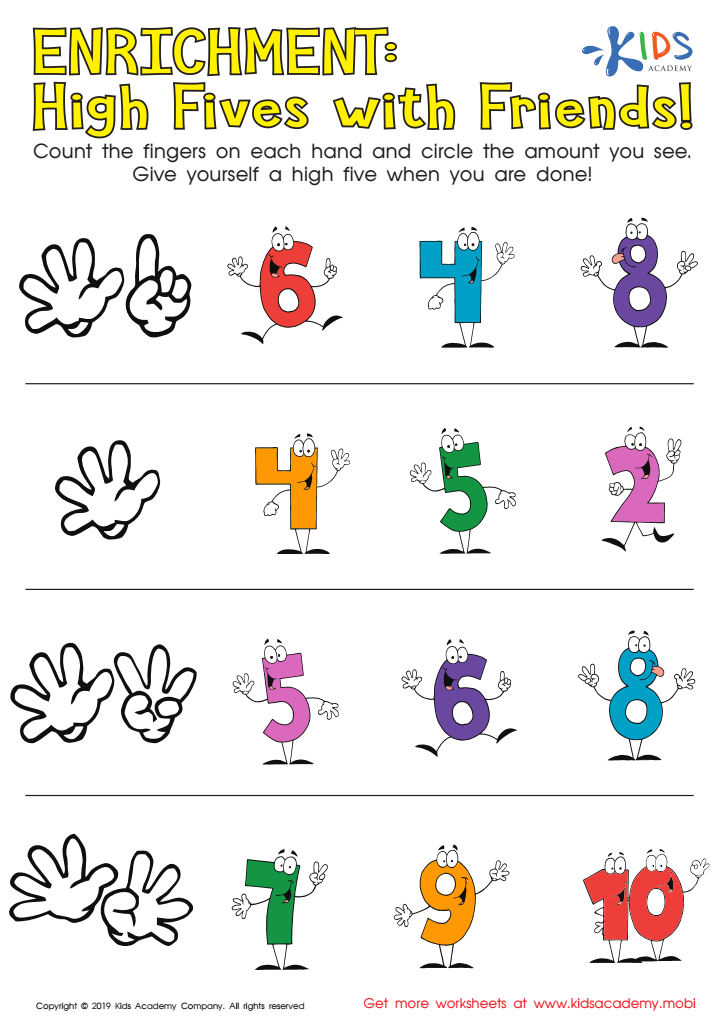
Enrichment: High Fives with Friends! Worksheet
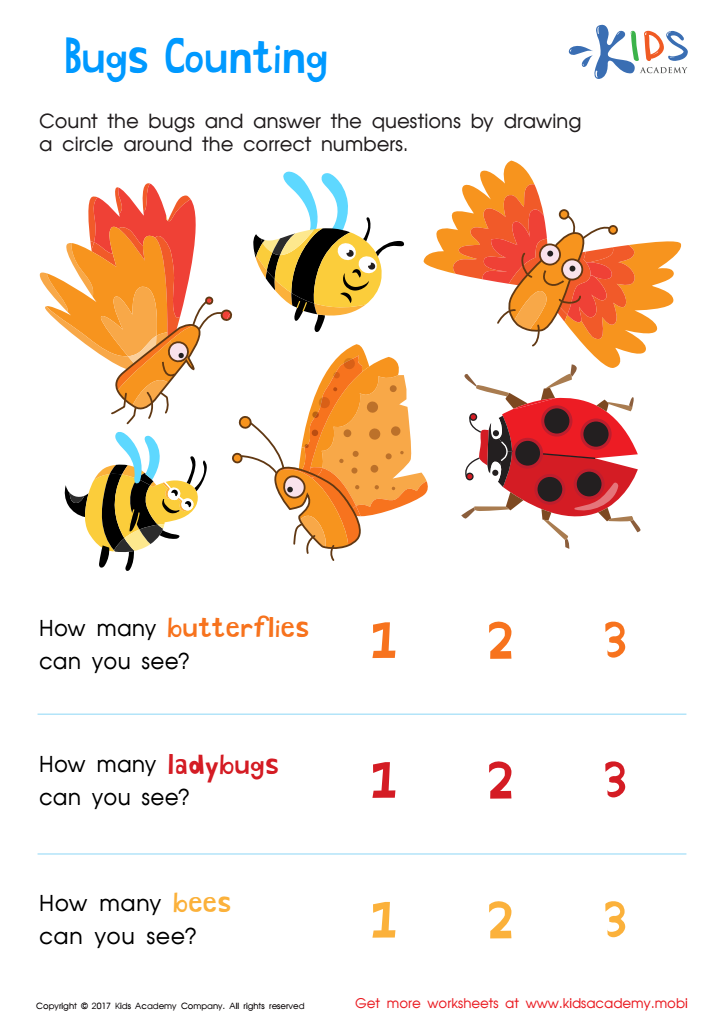
Bugs Counting Worksheet
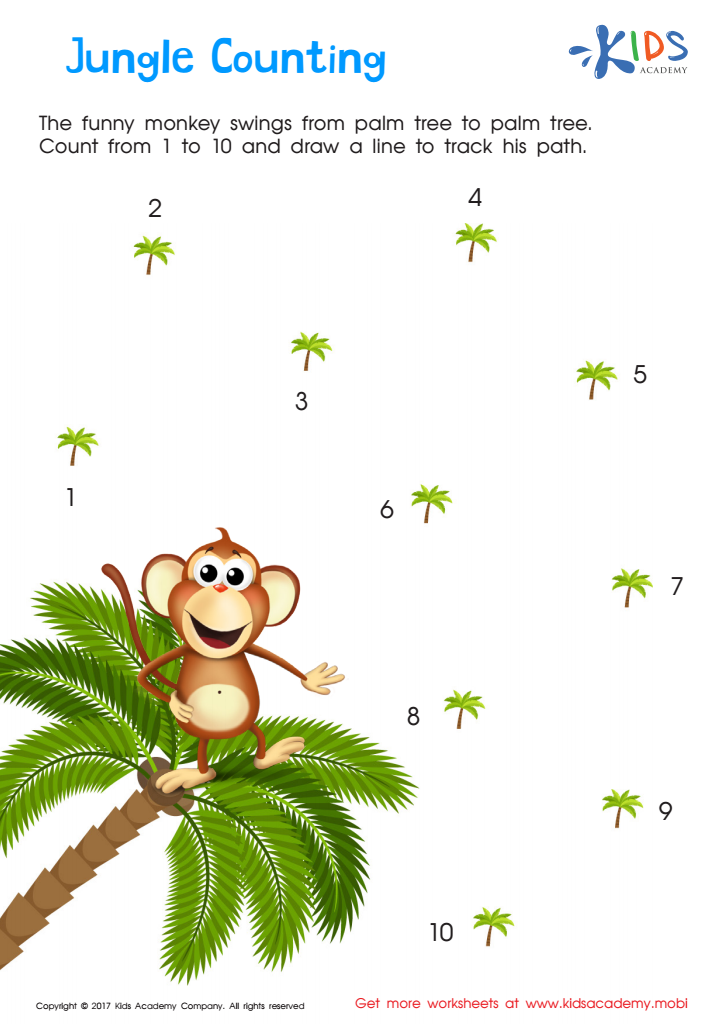
Jungle Counting Connect Dots Worksheet
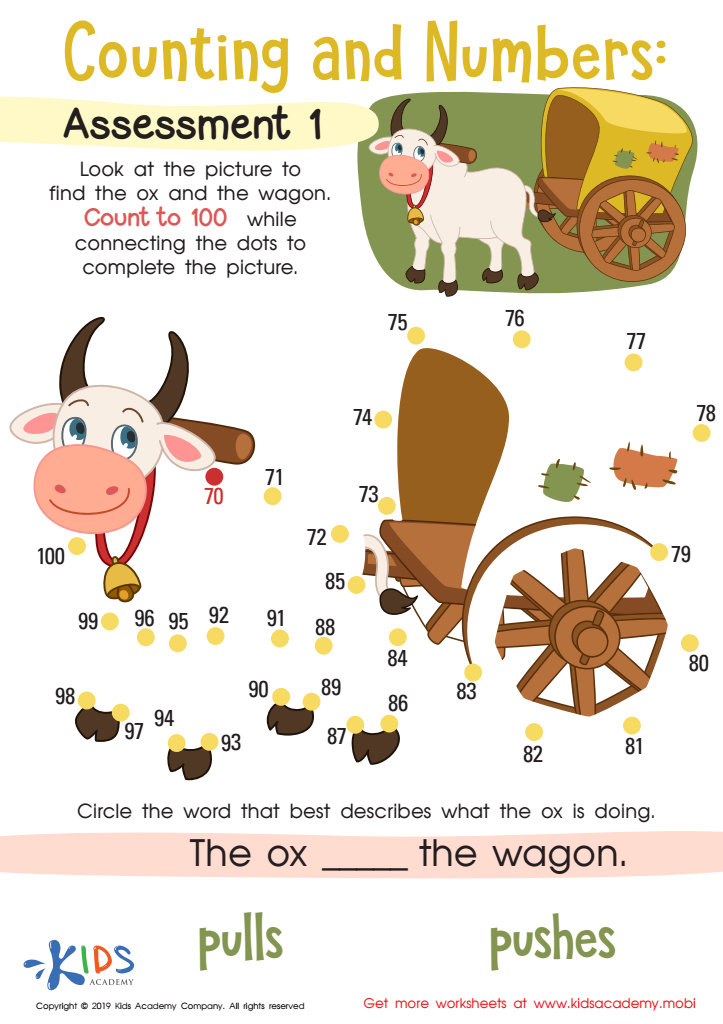
Counting and Numbers: Assessment 1 Worksheet
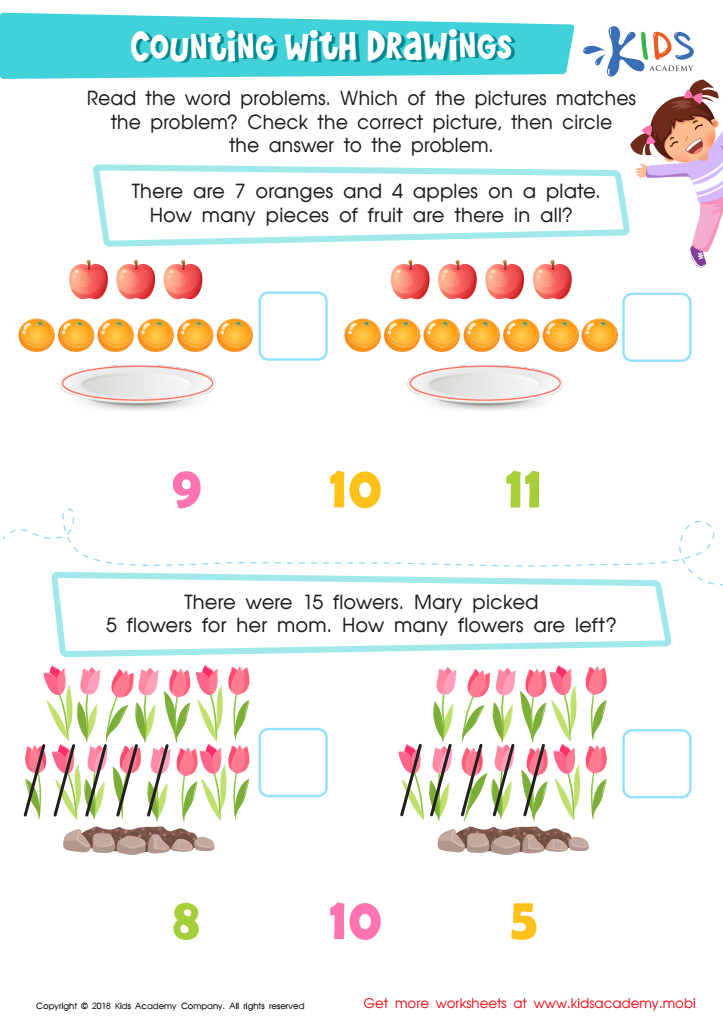
Counting with Drawings:Fruits & Flowers Worksheet
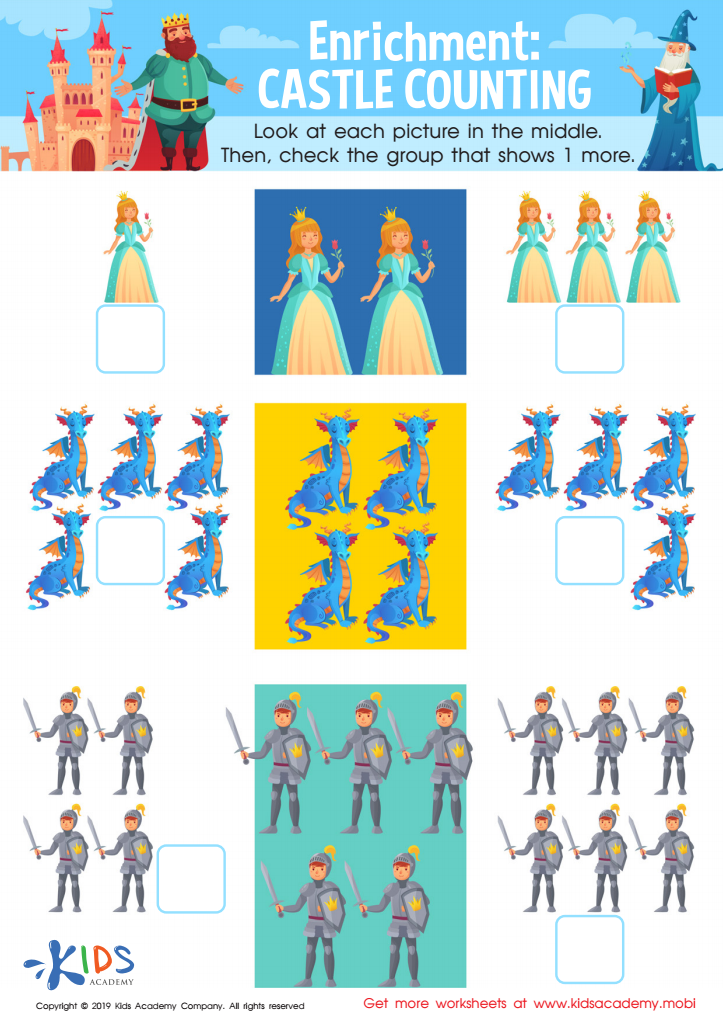
Enrichment: Castle Counting Worksheet
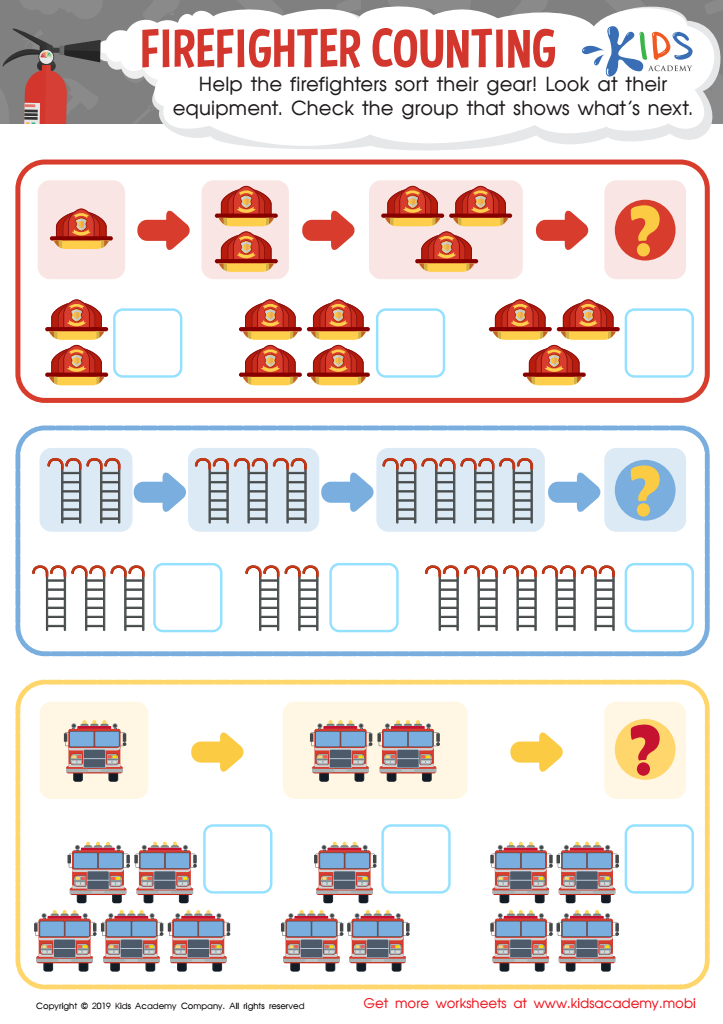
Firefighter Counting Worksheet
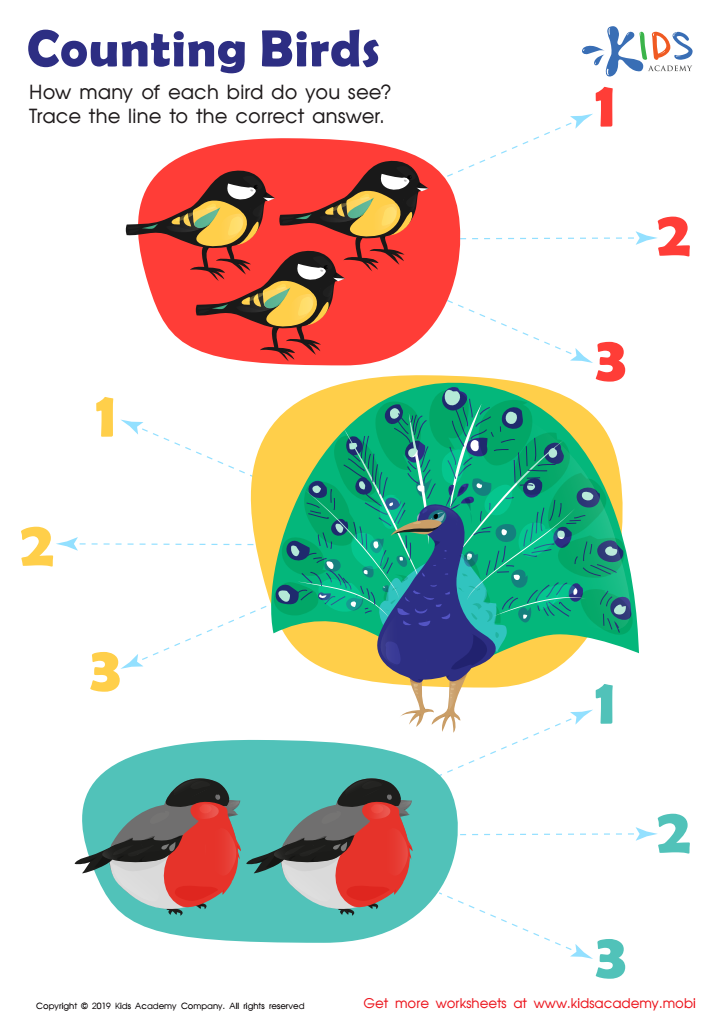
Counting Birds Worksheet


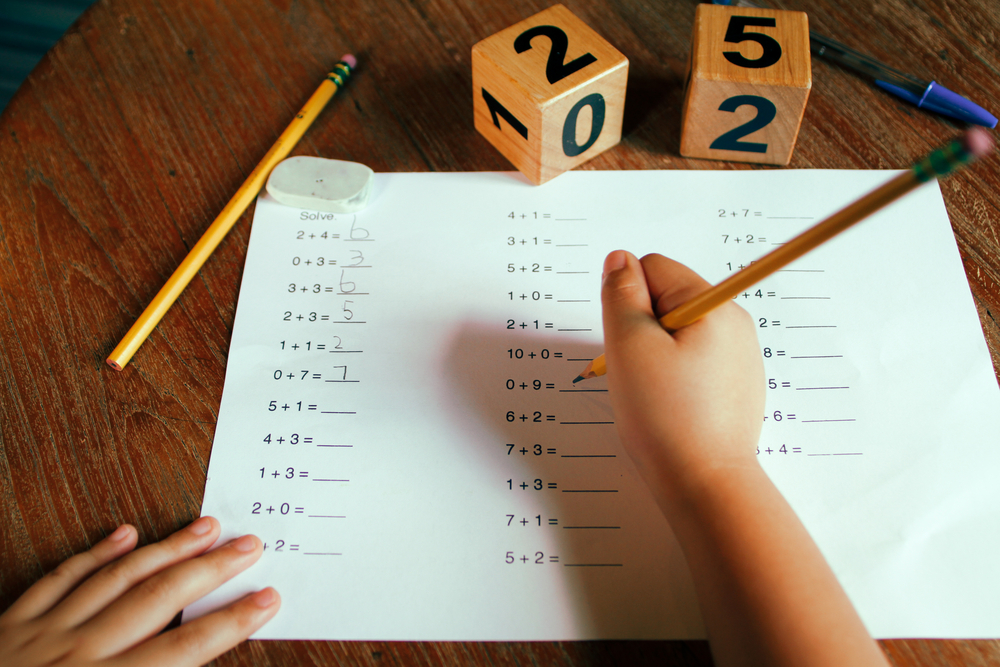




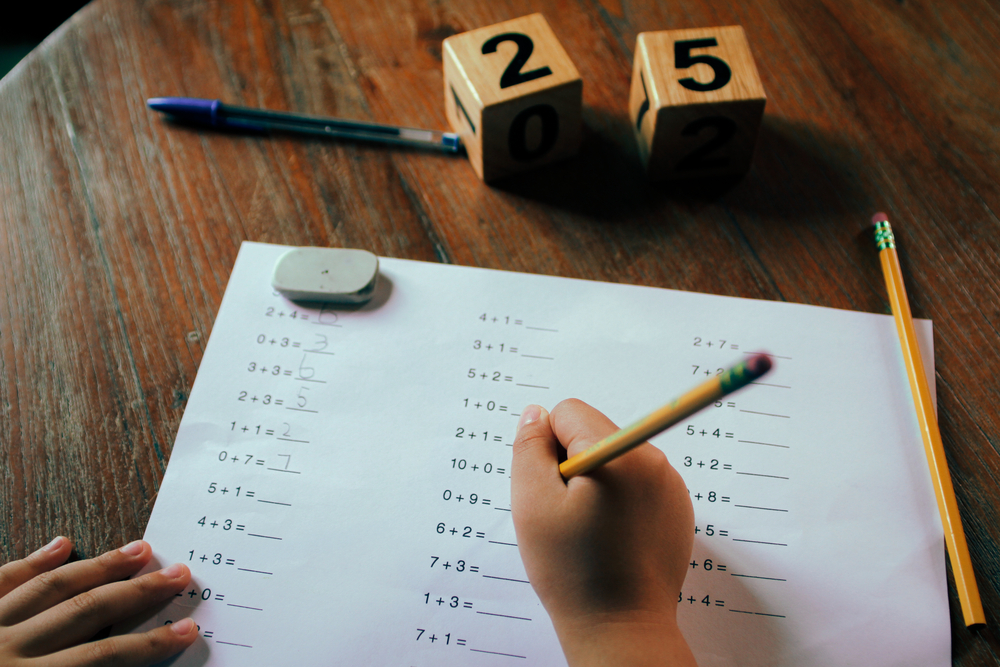
Parents and teachers should care about basic addition numbers for children ages 4-6 because this foundational skill sets the stage for a child's future academic success. During these formative years, children's brains are highly receptive to learning, making it an ideal time to introduce mathematical concepts. Understanding basic addition enhances a child’s cognitive development, as it engages their problem-solving skills and promotes logical thinking.
Learning addition helps children understand the world around them, enabling them to make sense of everyday situations, such as counting fruits, toys, or people. Moreover, achieving success in basic addition fosters confidence and a positive attitude towards math. This early mastery can alleviate future anxiety related to more complex mathematical topics.
Additionally, numeracy skills are crucial not only for academic achievement but also for everyday life situations, from budgeting to cooking. Engaging with basic addition in fun and interactive ways—through games, songs, and practical activities—can enhance learning experiences while making math enjoyable. Therefore, by prioritizing basic addition skills, parents and teachers actively contribute to a child's overall development and preparedness for future learning challenges.








