Counting practice Numbers Worksheets for Ages 4-6 - Page 2
36 filtered results
-
From - To
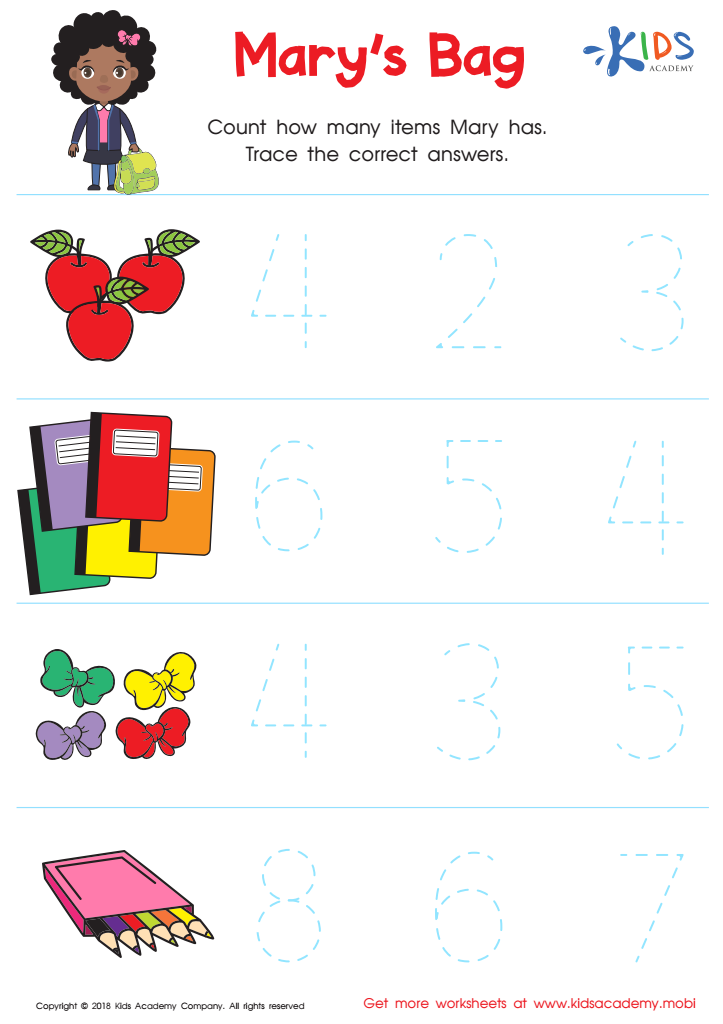
Kindergarten Number Tracing: Mary's Bag Worksheet
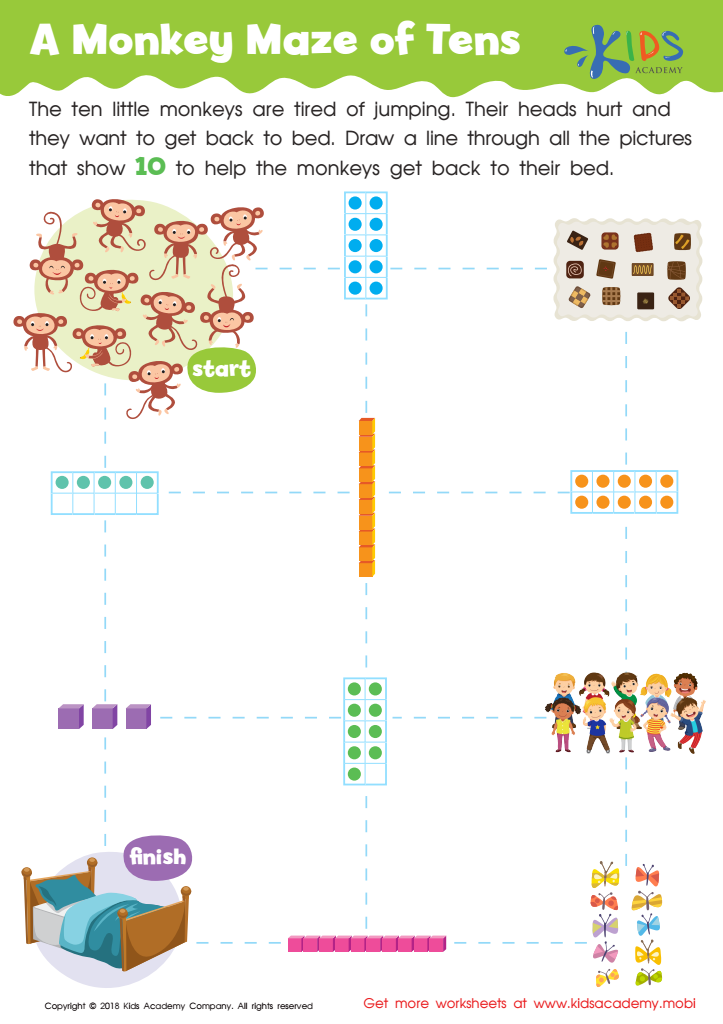
A Monkey Maze of Tens Worksheet
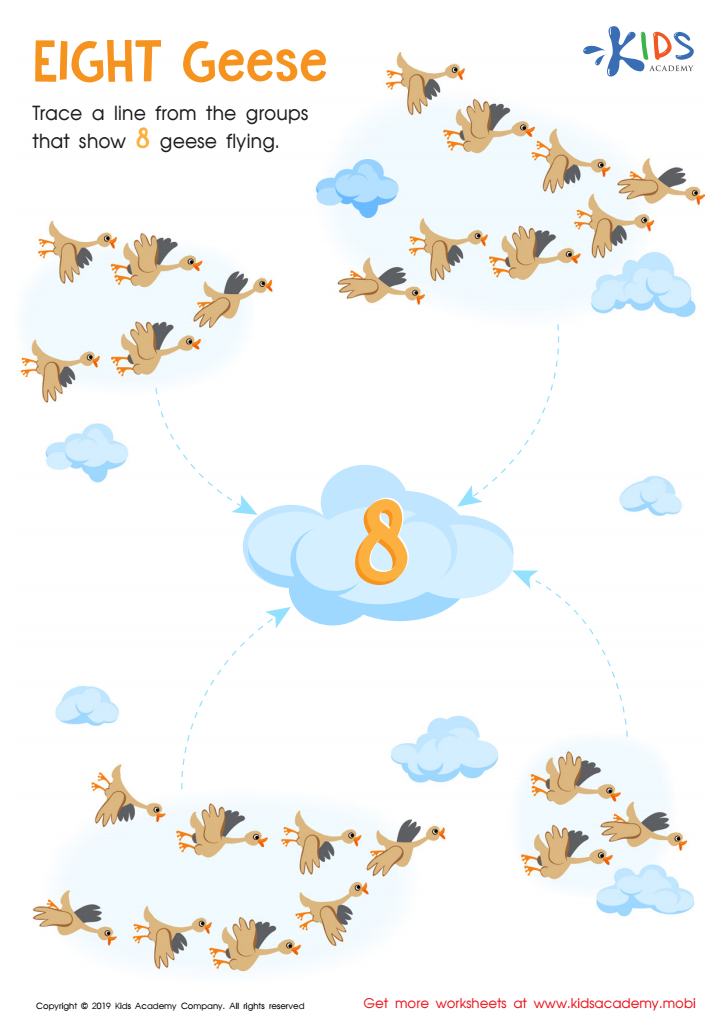
Eight Geese Worksheet
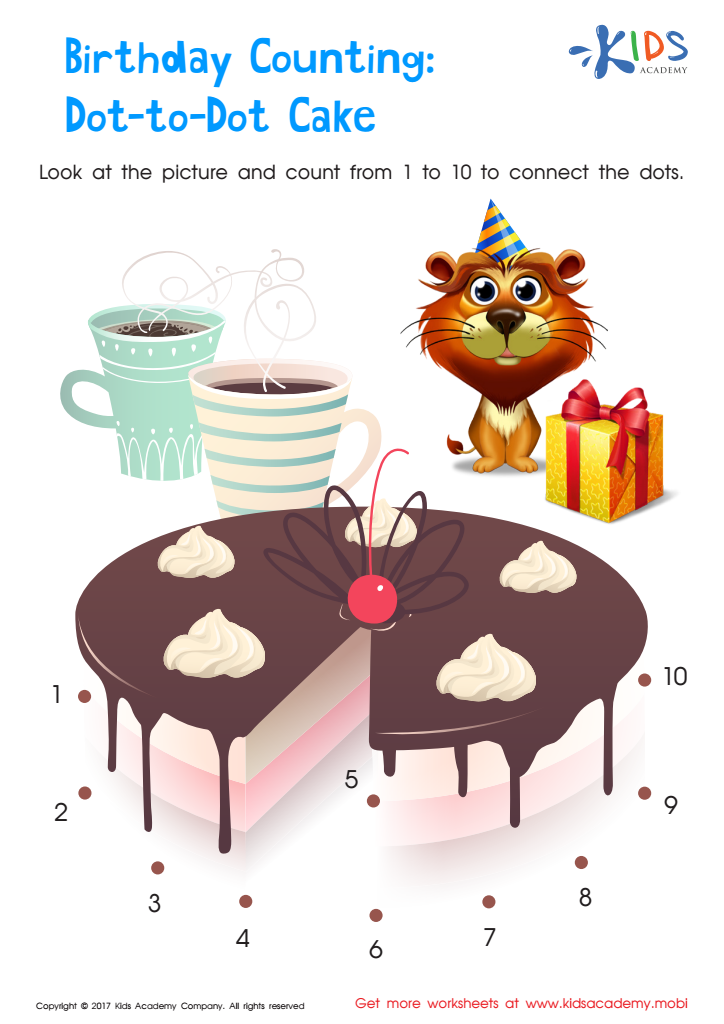
Birthday Counting Connect Dots Worksheet
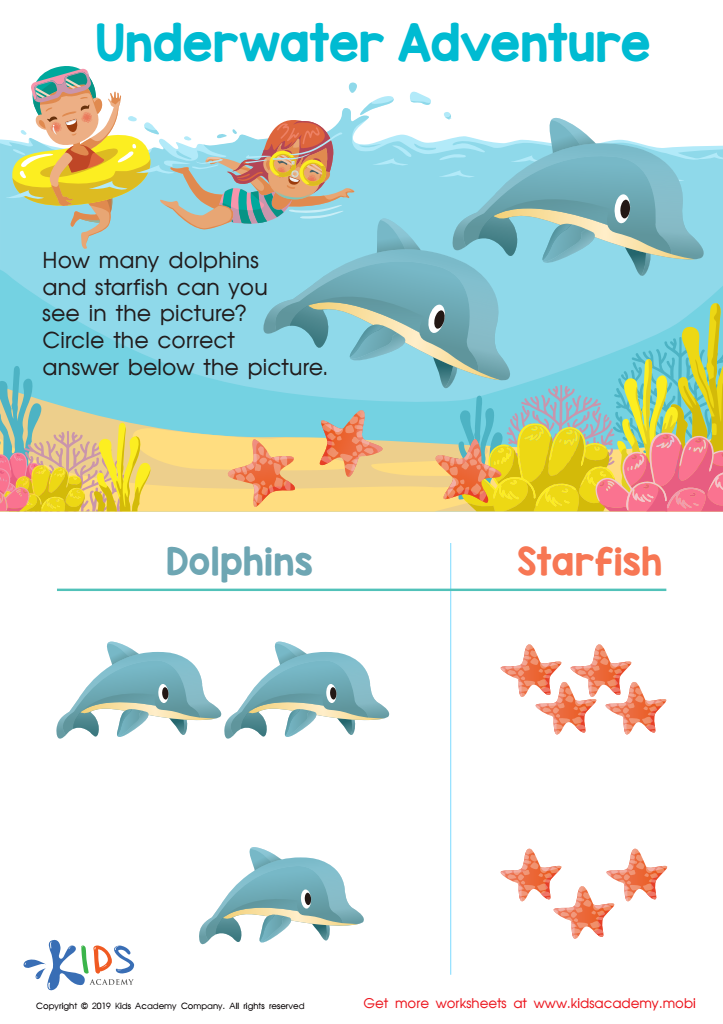
Underwater Adventure Worksheet
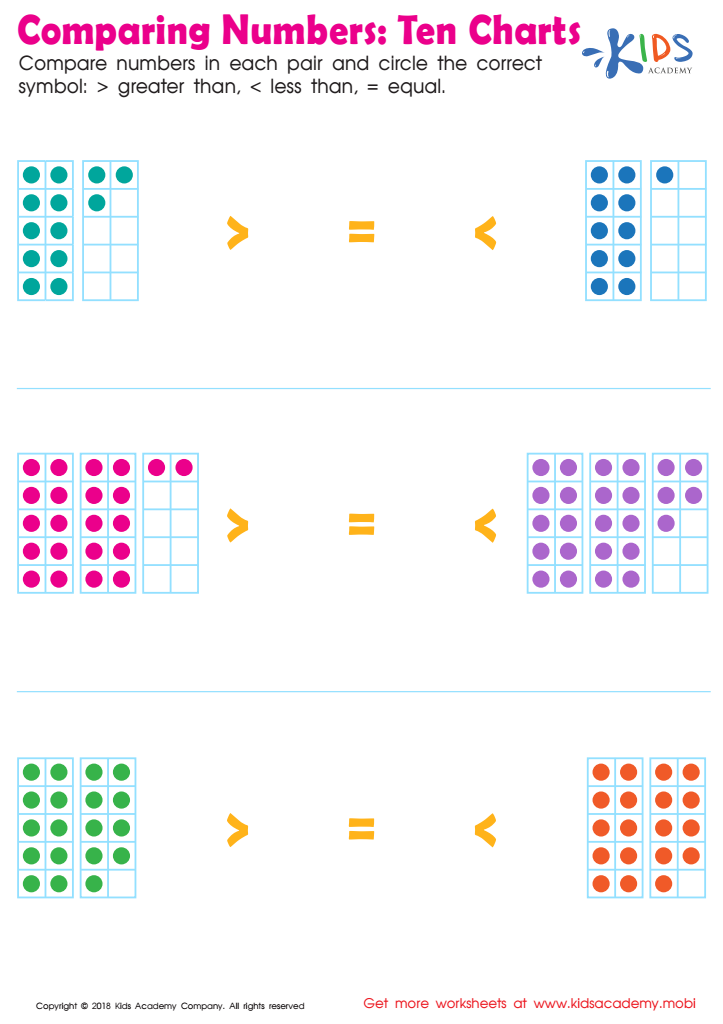
Ten Charts Worksheet
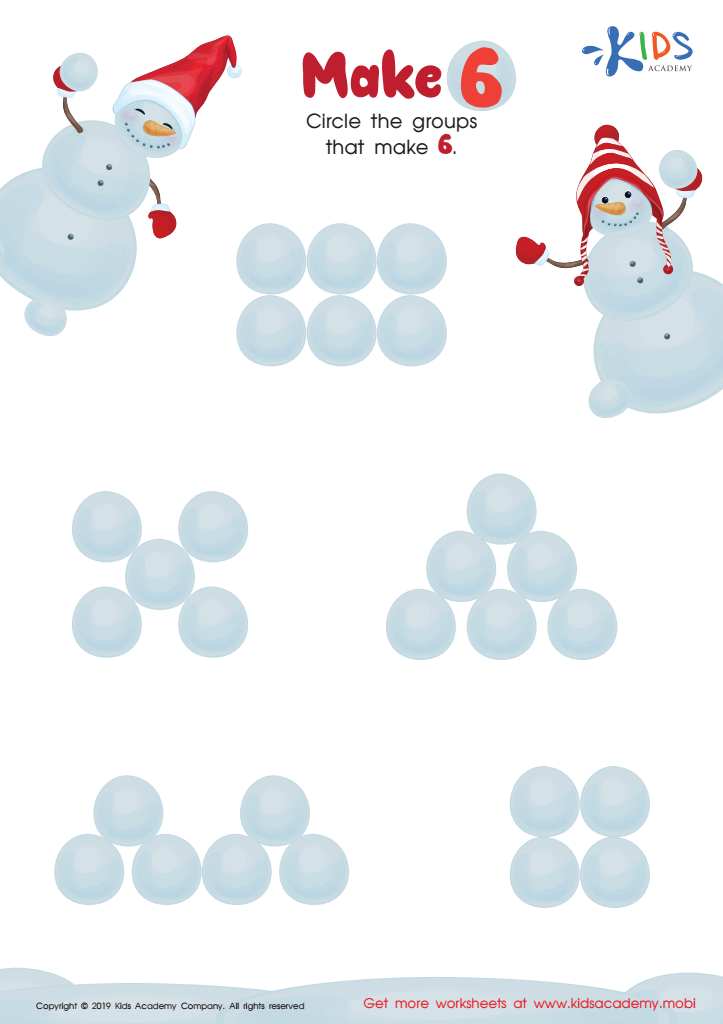
Make 6 Worksheet
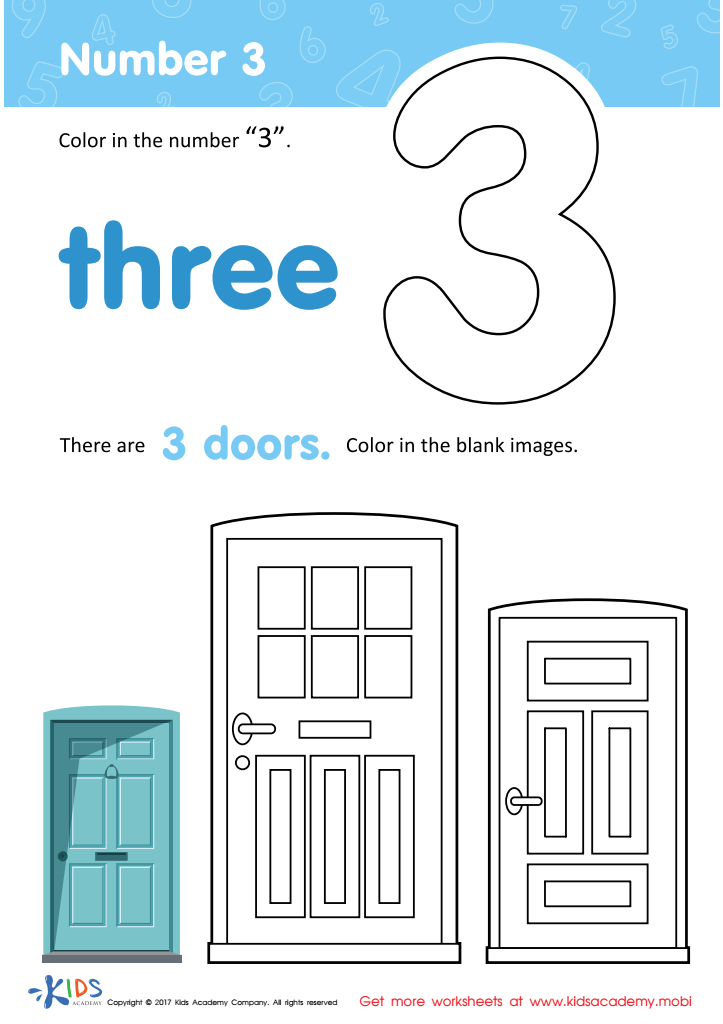
Number 3 Worksheet
 Assign to My Students
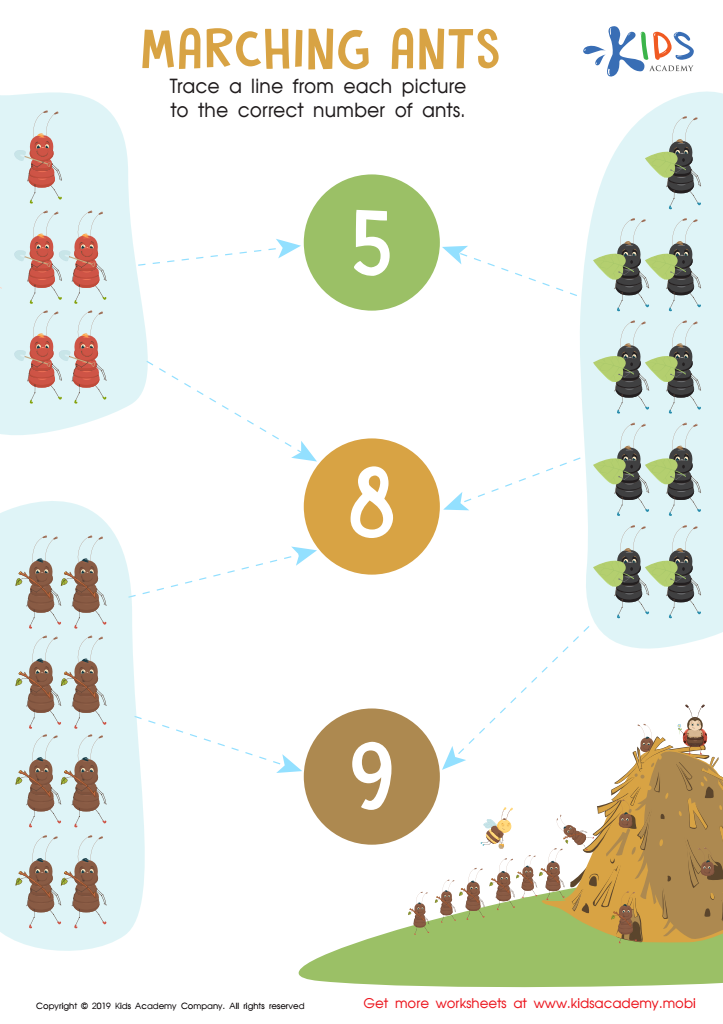
Marching Ants Worksheet
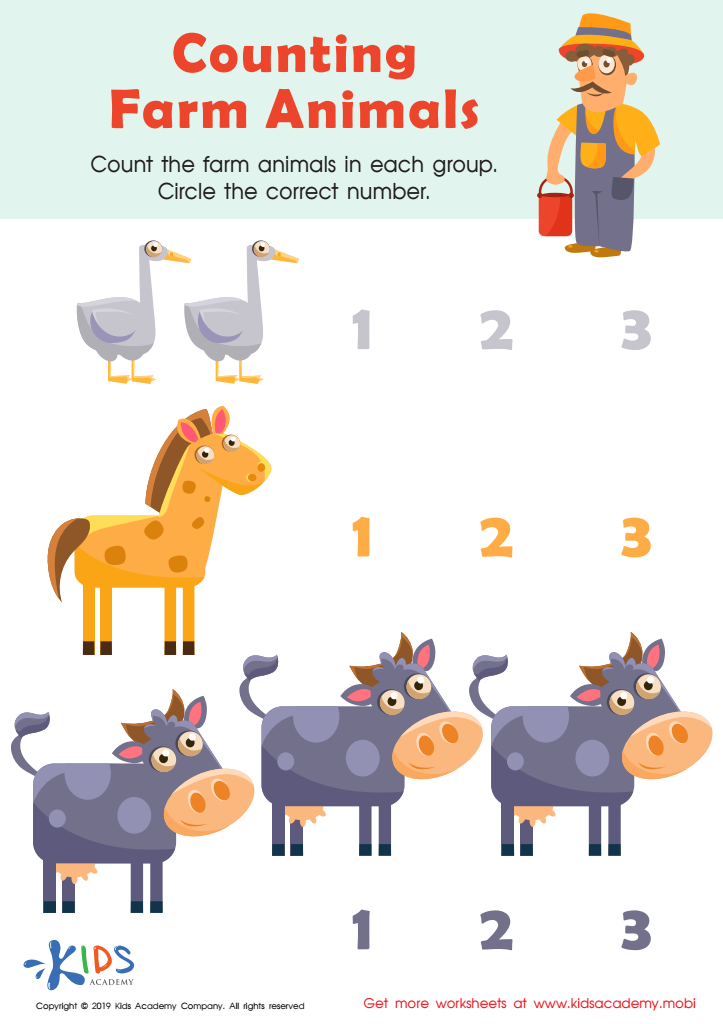
Counting Farm Animals Worksheet

Counting on the City Skyline: Dot-to-Dot Worksheet
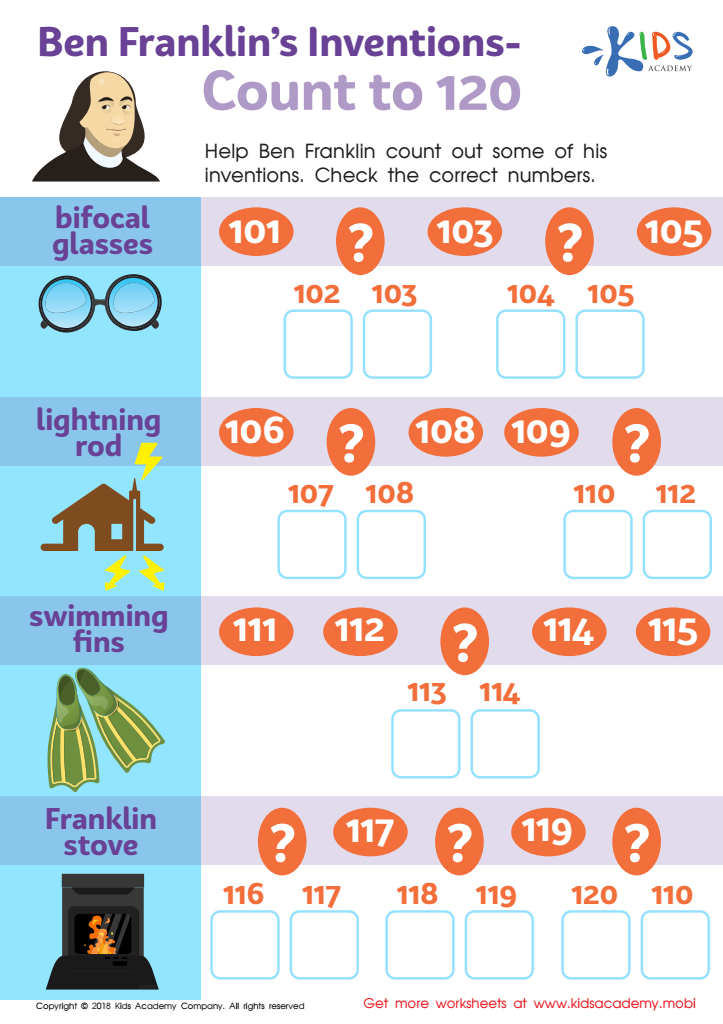
Ben Franklin’s Inventions – Count to 120 Worksheet







Counting practice for children aged 4-6 is crucial in laying a strong foundation for their mathematical skills. During these developmental years, young learners are naturally curious and eager to explore new concepts. Engaging in counting activities not only fosters numerical understanding but also enhances cognitive skills like memory and problem-solving.
For parents and teachers, prioritizing counting practice helps children develop number recognition, one-to-one correspondence, and basic addition and subtraction skills. These are fundamental concepts in math that children will build on in later years. Additionally, counting activities can be woven into everyday routines, making math relevant and enjoyable. For instance, counting toys, snacks, or steps helps children connect numbers to their real-world experiences.
Moreover, counting practice encourages social interaction and cooperation among peers, particularly during group activities. This collaborative environment nurtures communication skills and promotes a love for learning. Early exposure to counting also supports children’s confidence, making them more willing to tackle challenges.
In sum, consistent counting practice is essential for shaping a child's educational journey, setting the stage for future success in mathematics and overall academic achievement. Investing time in these activities helps create a positive learning environment that emphasizes the value of foundational skills.








