
Handwriting Skills Numbers Worksheets for Ages 4-6
5 filtered results
Difficulty Level
Grade
Age
-
From - To
Subject
Activity
Standards
Enhance early numeracy with our Handwriting Skills Numbers Worksheets designed for children aged 4-6. These engaging worksheets focus on developing fine motor skills and number recognition through fun writing activities. Our resources support kids as they practice tracing and writing numbers, promoting confidence and precision in handwriting. Each worksheet is visually appealing and tailored to young learners, making math practice enjoyable. Ideal for both classroom use and at-home learning, these worksheets foster a foundational understanding of numbers while honing essential handwriting skills. Equip your child with the tools they need for success in math and writing with our comprehensive worksheets today!
Favorites
With answer key
Interactive
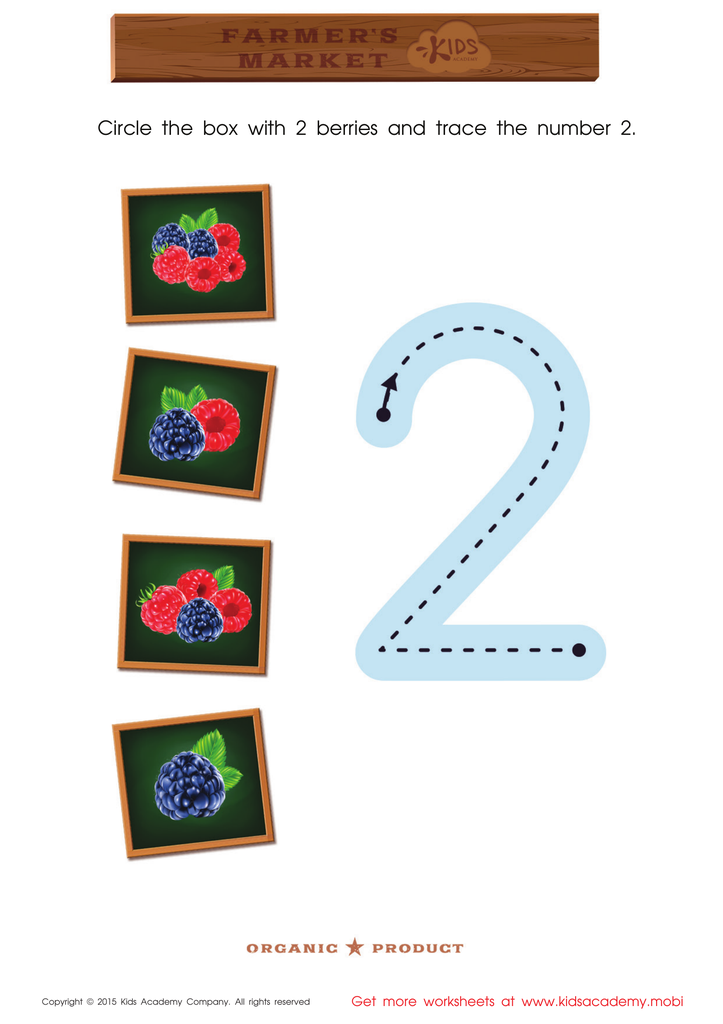
Count the Berries and Trace the Number 2 Printable
This math worksheet by Kids Academy helps kindergartners count and write number 2. Print it out and urge your kid to count the berries in the boxes, then circle the box with 2 of them. As they trace the number 2, they practice hand motions for good handwriting. More skill-building worksheets available.
Count the Berries and Trace the Number 2 Printable
Worksheet
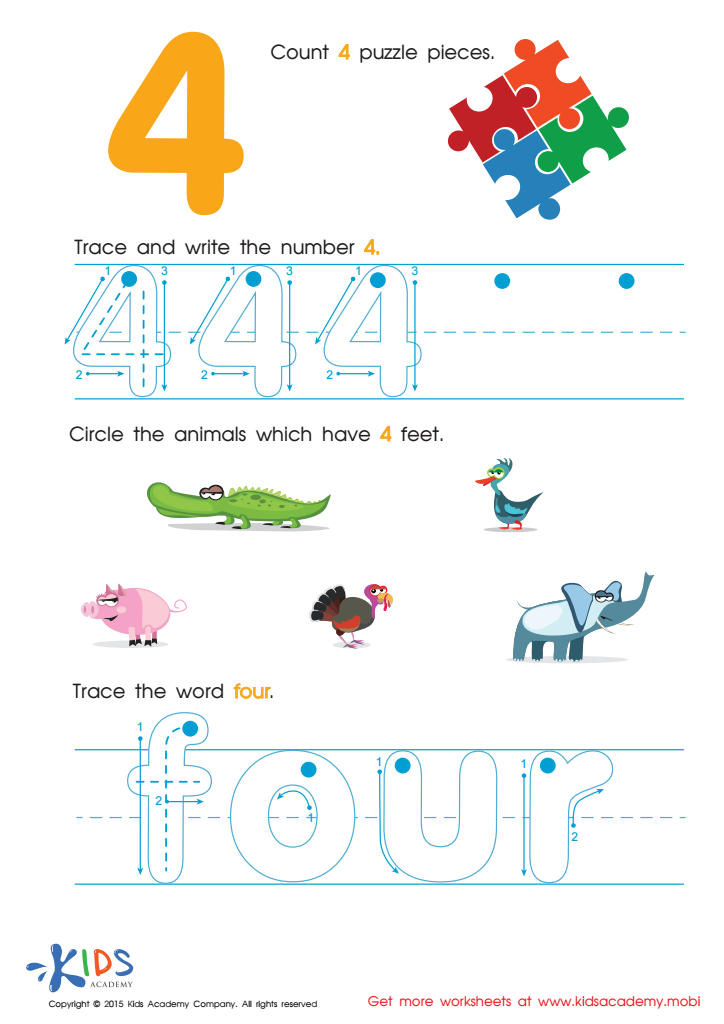
Teaching Children to Write Number 4 Worksheet
Count the pieces of the puzzle - there are four. Trace the number and write it. Circle the animals with four feet. Trace the word "four" too. Kids Academy offers tracing numbers worksheets for preschoolers, making studies easy and effective.
Teaching Children to Write Number 4 Worksheet
Worksheet
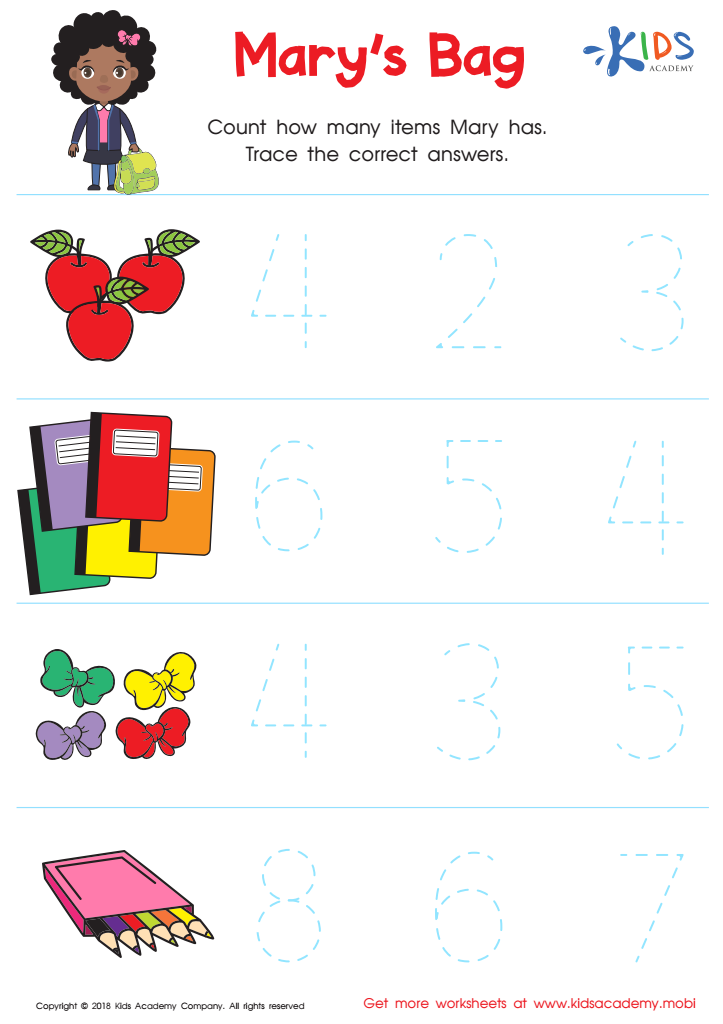
Kindergarten Number Tracing: Mary's Bag Worksheet
Counting and writing skills are honed with this kindergarten tracing worksheet. Guide Mary in counting the items in her bag then trace the correct number for each. Your child will get a great head start on essential kindergarten skills!
Kindergarten Number Tracing: Mary's Bag Worksheet
Worksheet
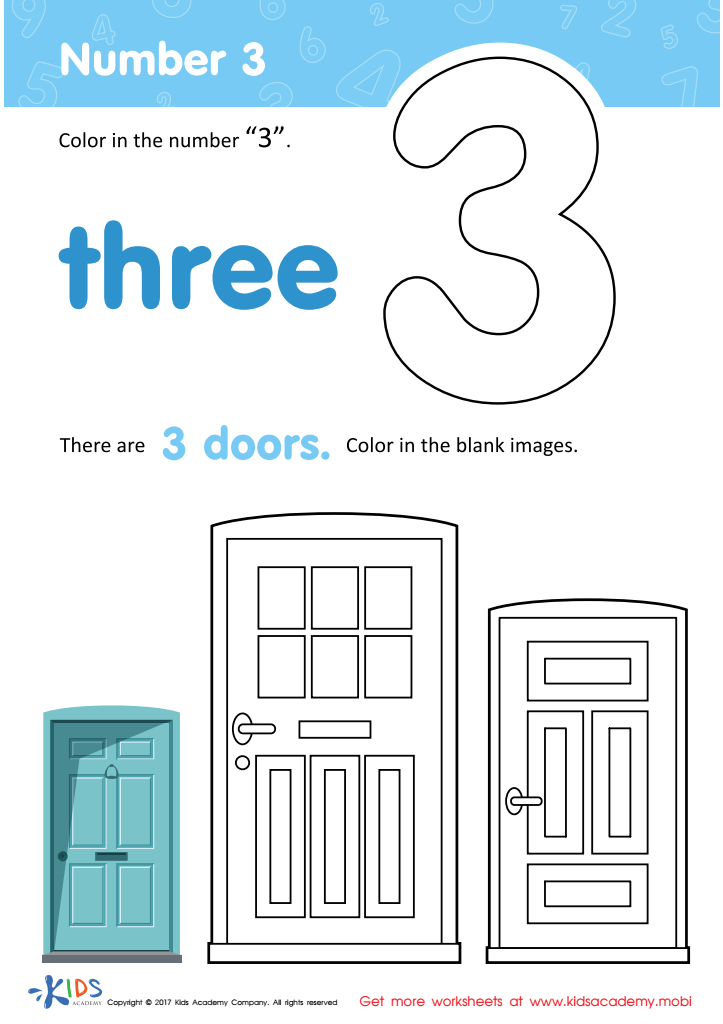
Number 3 Worksheet
Open the door to learning numbers! This counting coloring page helps kids recognize and count to 3, while using imagination and creativity to design lovely doors. It's a fun way to learn numbers!
Download (PDF)
 Assign to My Students
Assign to My Students
Number 3 Worksheet
Worksheet
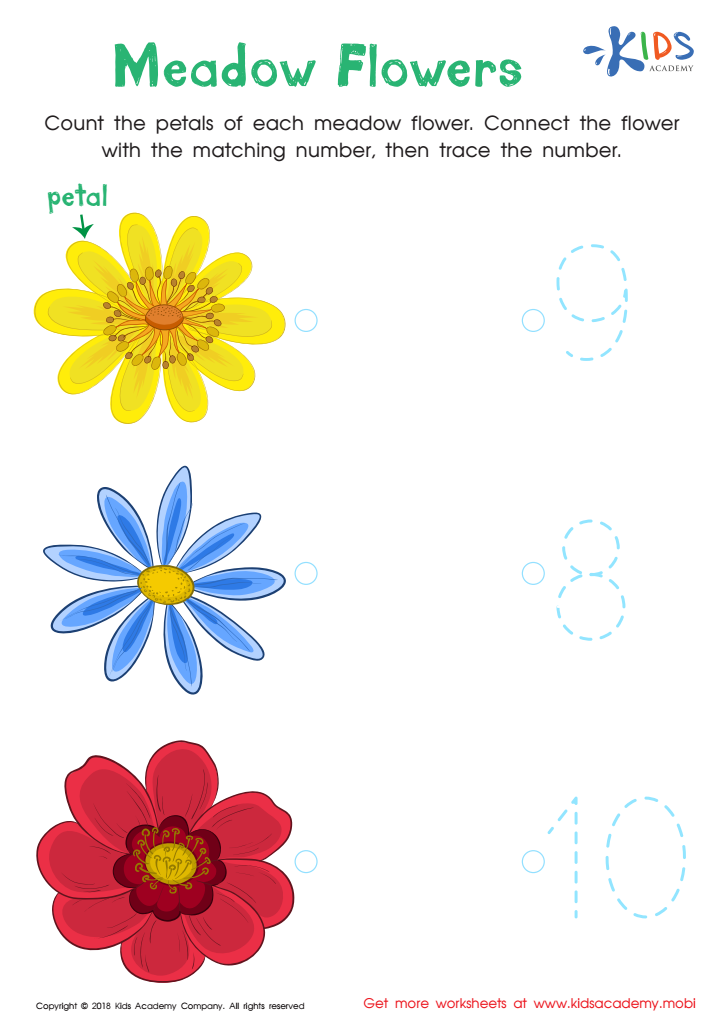
Kindergarten Number Tracing: Medow Flowers Worksheet
Take your child to the garden to count flower petals and trace numbers with this fun kindergarten PDF worksheet. They'll learn to count and write, all while enjoying the sweet scent of the flowers.
Kindergarten Number Tracing: Medow Flowers Worksheet
Worksheet
Join Kids Academy for Free
Who is primarily going to use this learning content?


%20(1).jpg)




.jpg)
Handwriting skills, particularly for numbers, play a vital role in a child's early development and overall learning experience. For children ages 4-6, the ability to correctly form numbers is not just about writing; it lays the foundation for more advanced mathematical skills. As children start to understand basic counting and number recognition, applying these skills in written form encourages cognitive development and enhances fine motor competency.
Moreover, strong handwriting skills promote self-confidence in young learners. Children who struggle with number formation often face frustration, which may lead to a negative attitude toward math. By promoting good handwriting habits early on, parents and teachers can create a more positive learning environment that fosters enthusiasm for mathematics.
Additionally, sensory experiences involved in writing reinforce memory retention. When children physically write numbers, they engage multiple senses, enhancing their understanding of quantity and numerical relationships. Early mastery of these skills can influence their academic trajectory and cultivate habits of organization and attention to detail.
In conclusion, parents and teachers should prioritize handwriting skills for numbers in young children to build a strong academic foundation, foster self-esteem, and promote a genuine interest in learning that extends beyond early education.








