Basic Math Skills Math Worksheets for Ages 4-6 - Page 4
104 filtered results
-
From - To
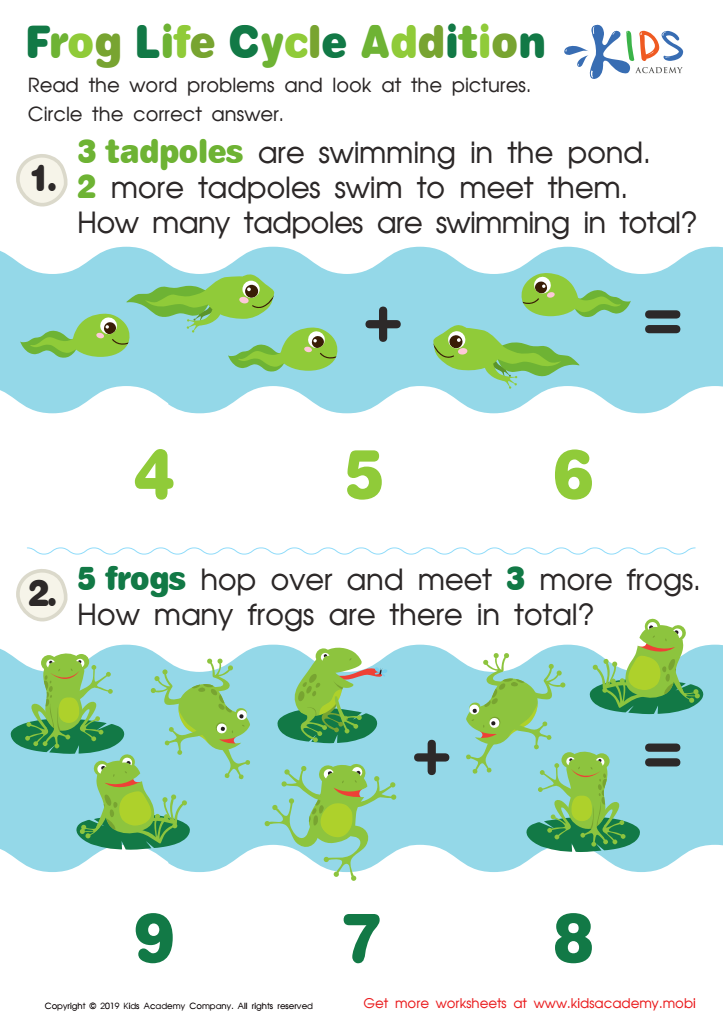
Frog Life Cycle Addition Worksheet
 Assign to My Students
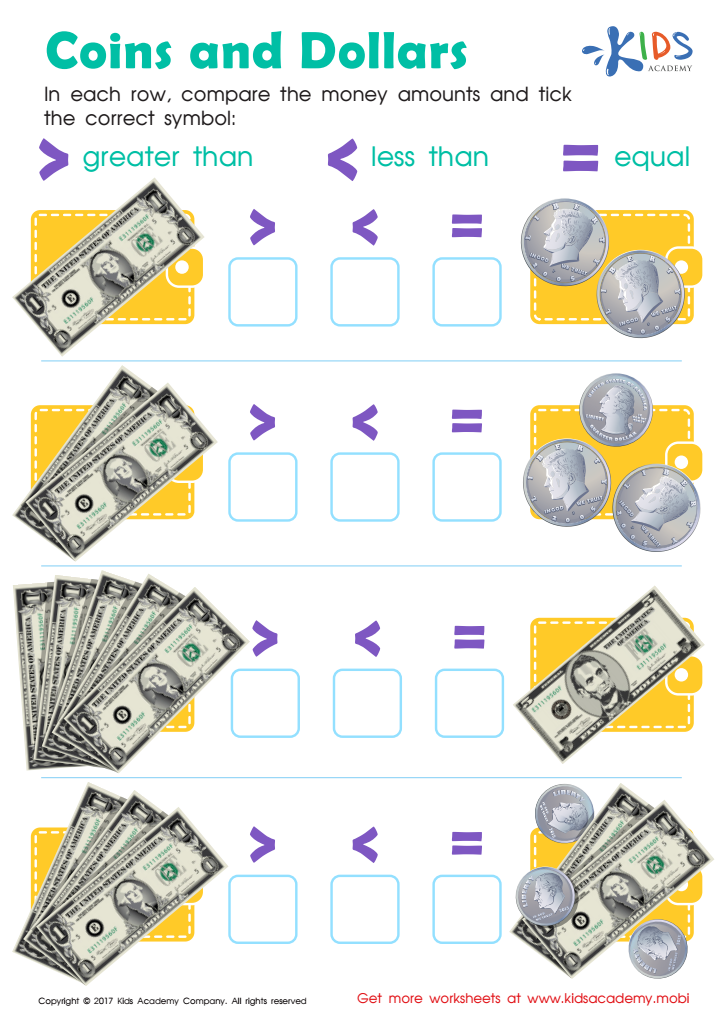
Money: Coins Dollars Printable
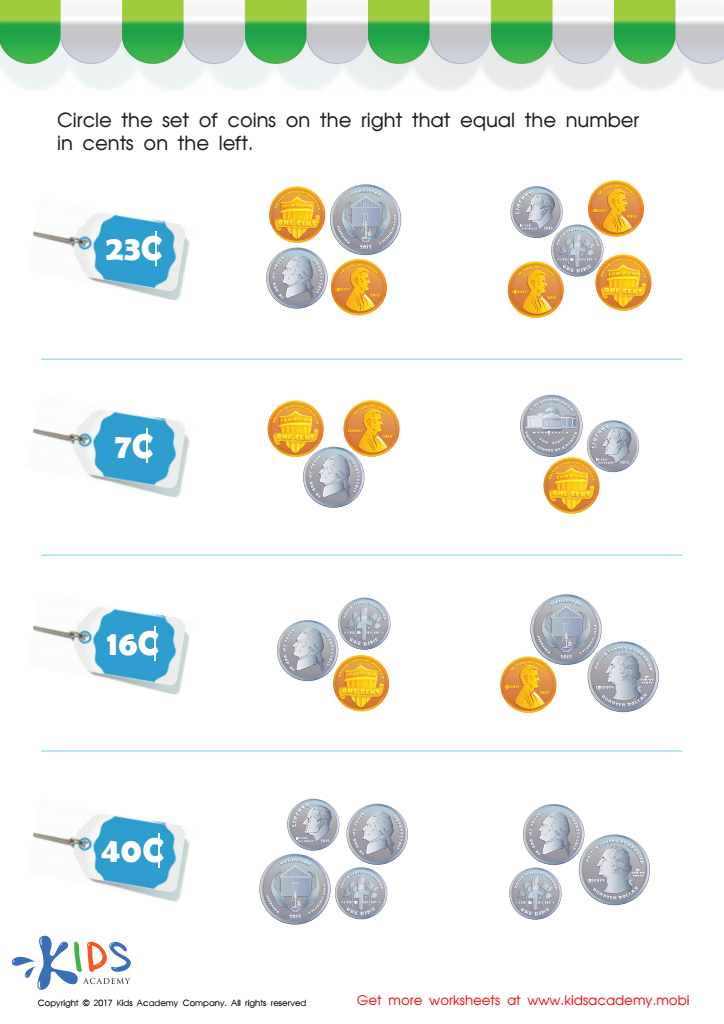
Picking the Coins You Need Money Worksheet
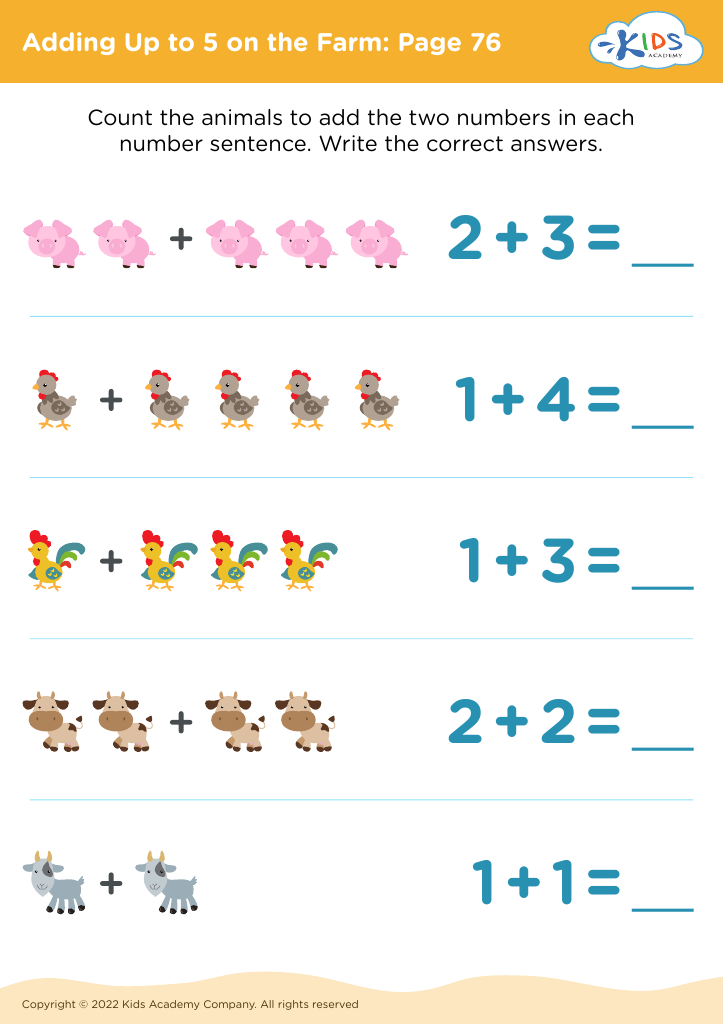
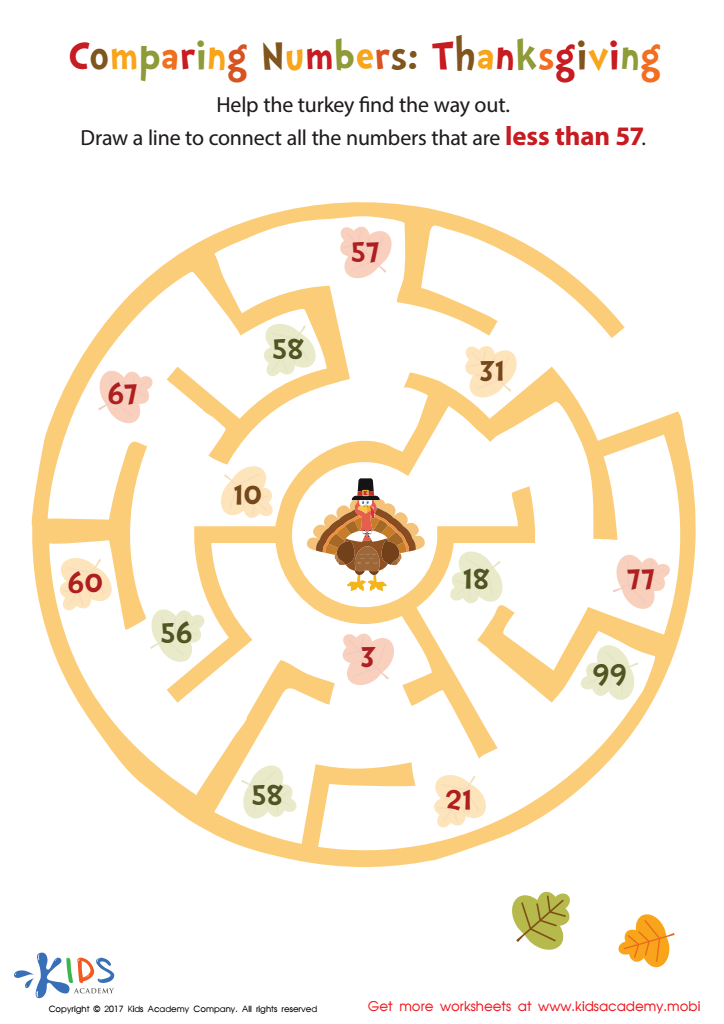
Comparing Numbers Printable
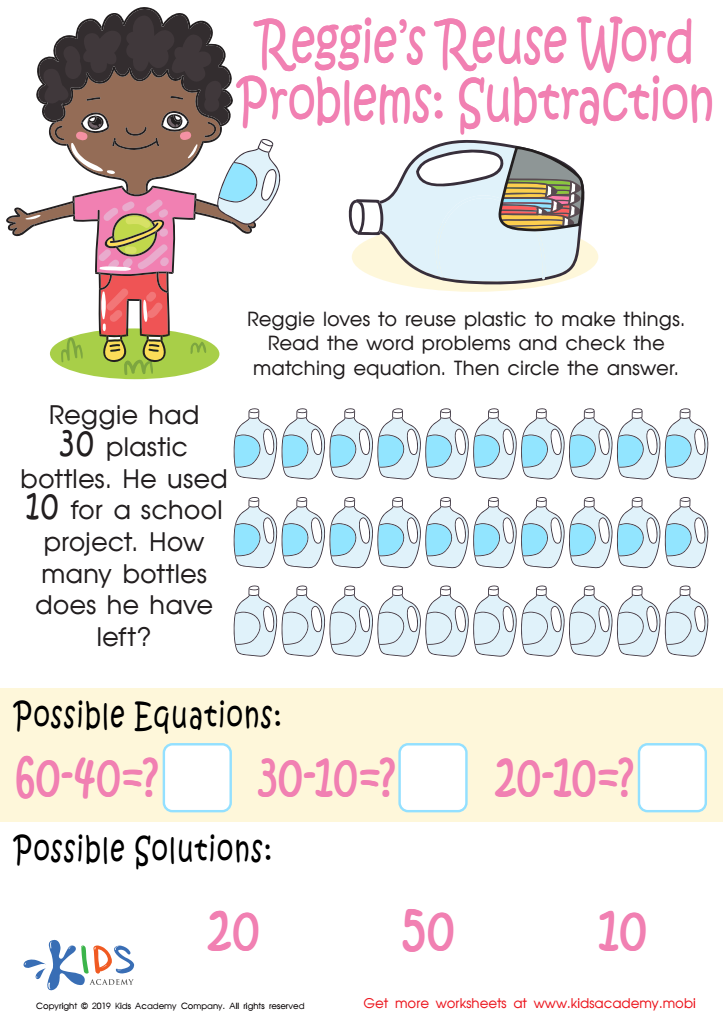
Reggie's Reuse Word Problems: Subtraction Worksheet
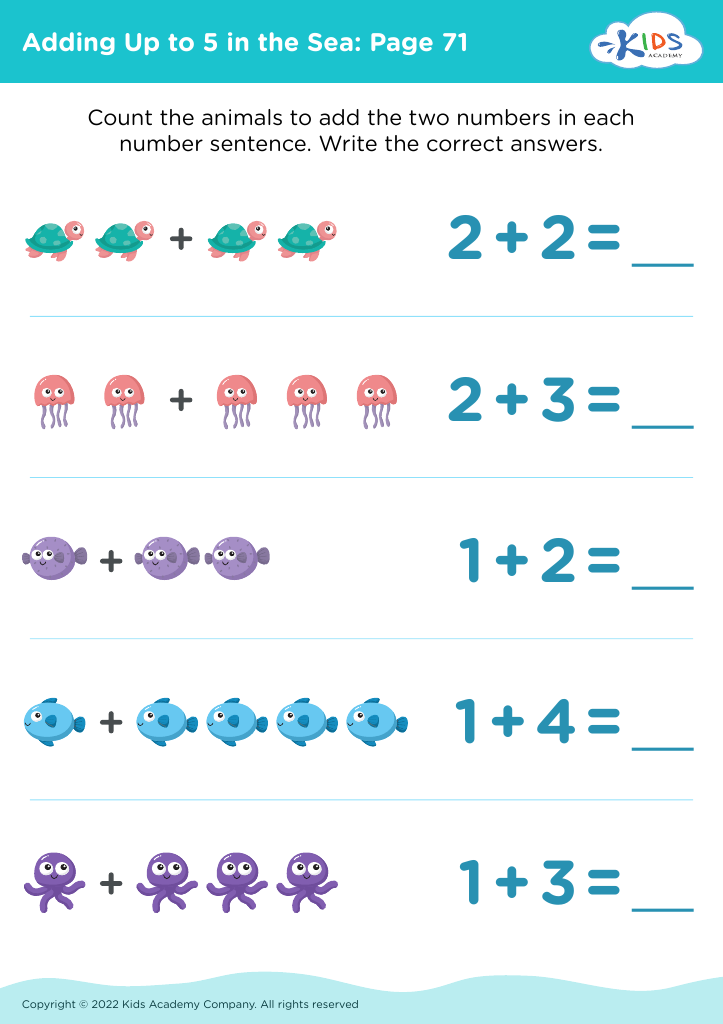
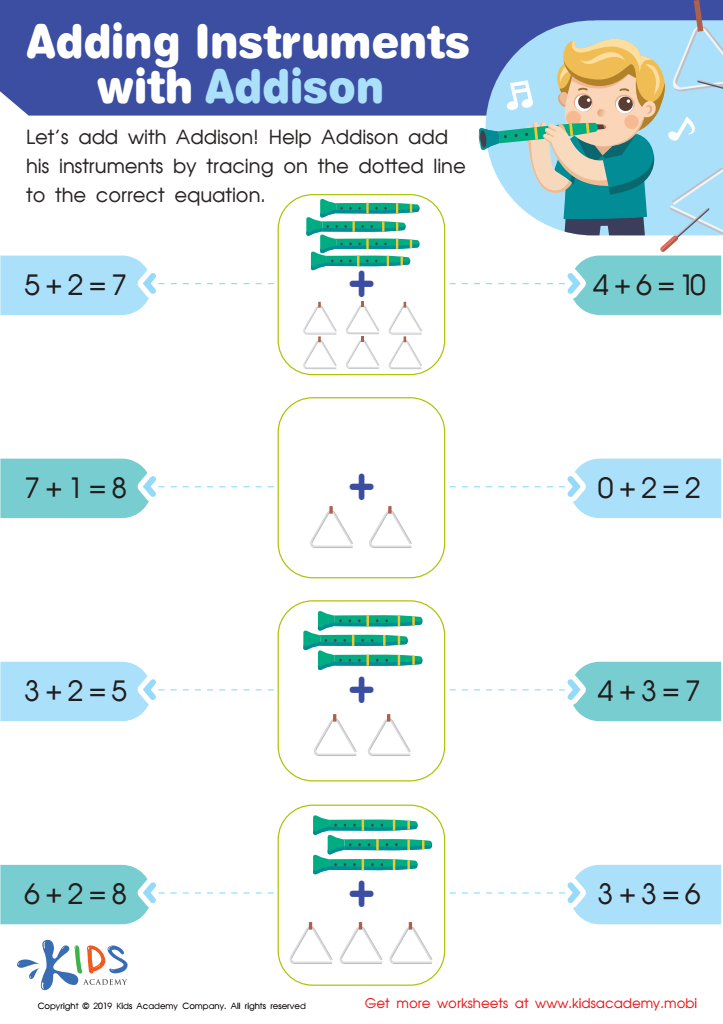
Adding Instruments with Addison Worksheet
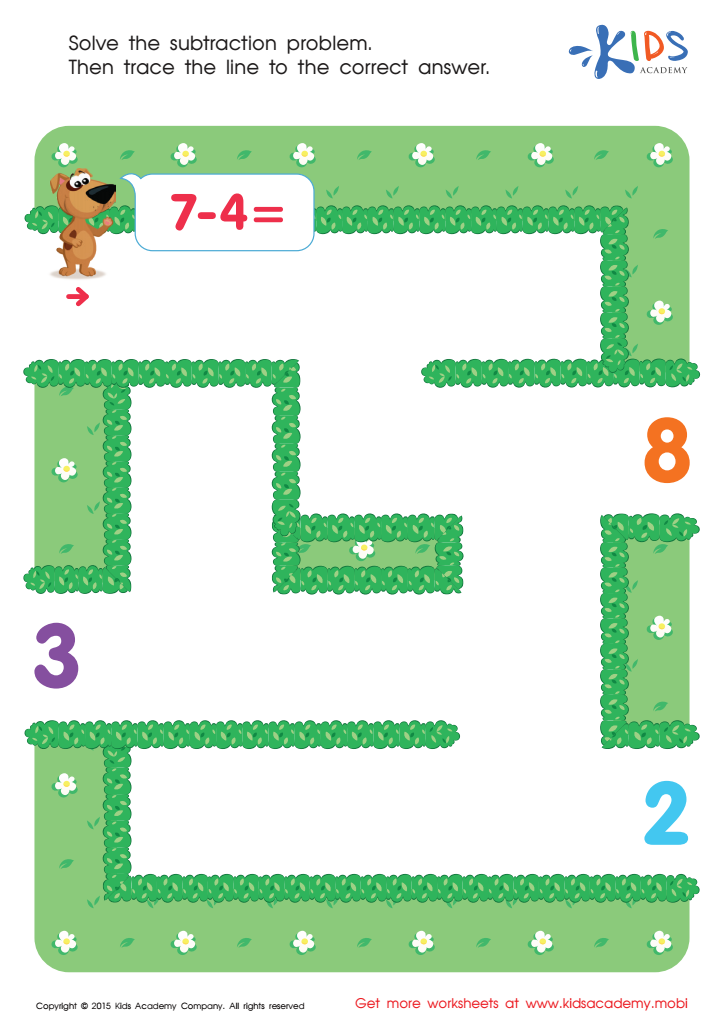
Subtraction Seven Minus Four Worksheet
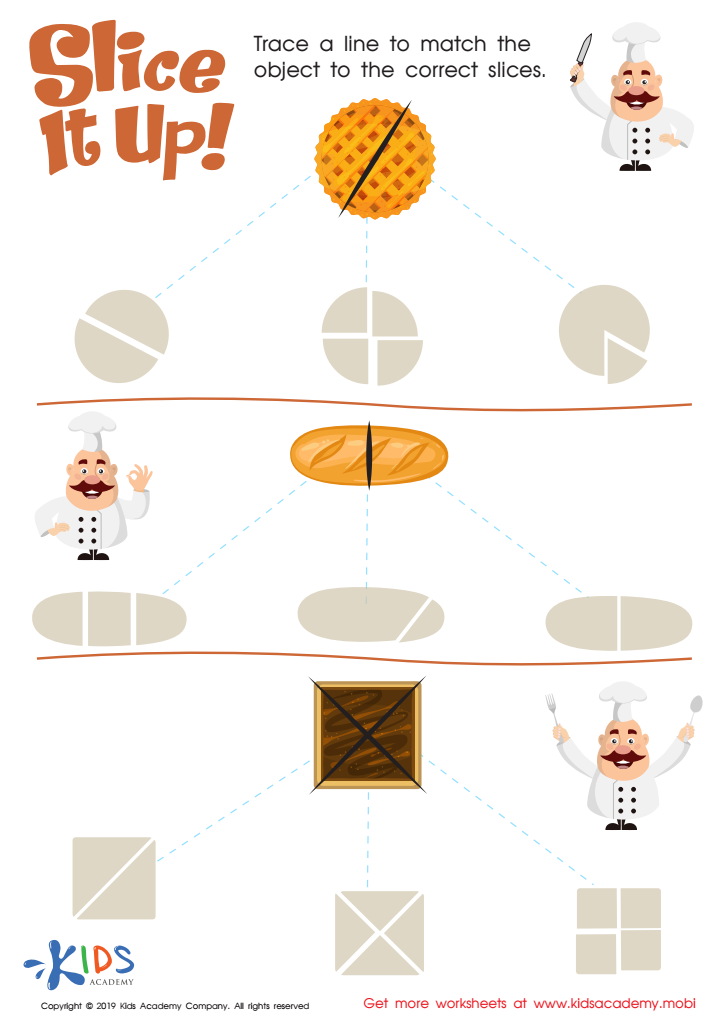
Slice It Up Worksheet
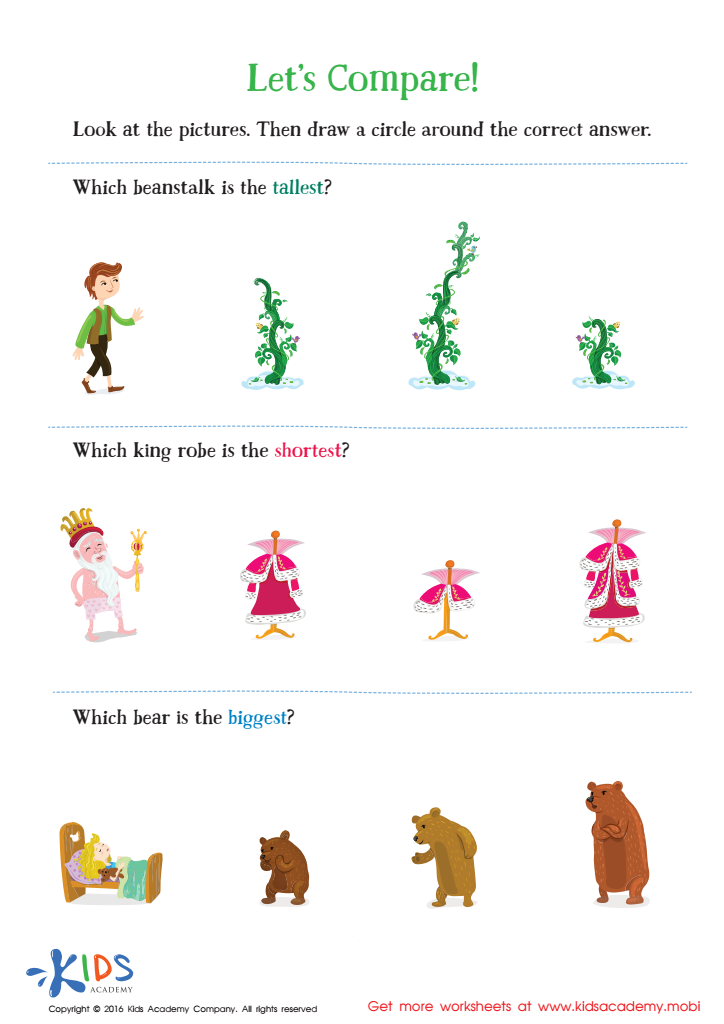
Fairy Tale Worksheet: Let's Compare
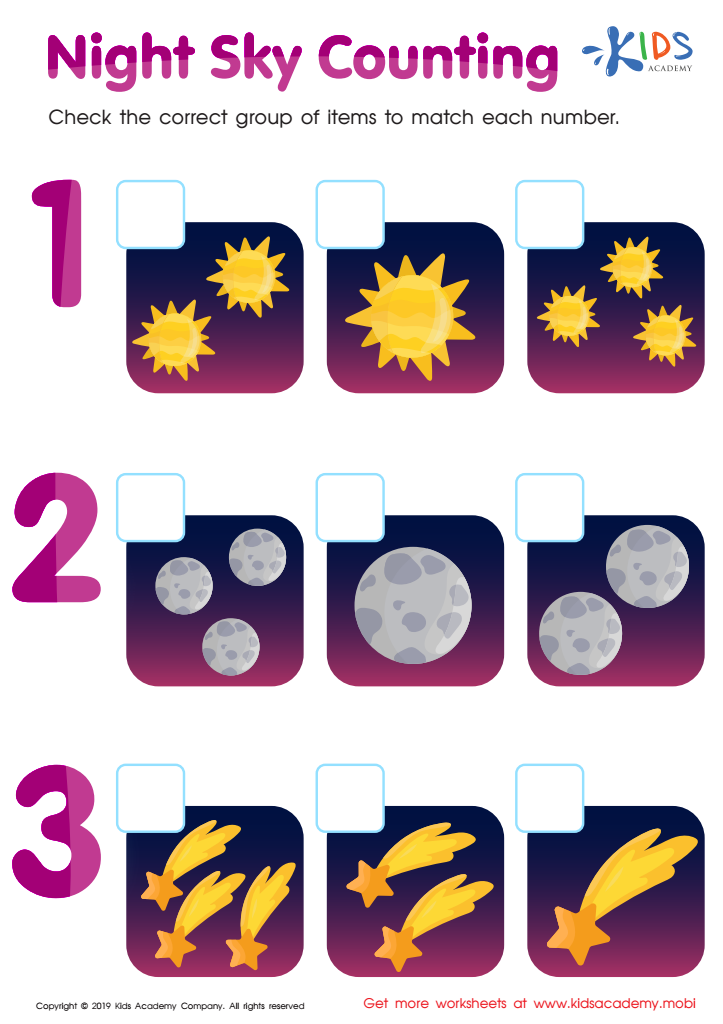
Night Sky Counting Worksheet
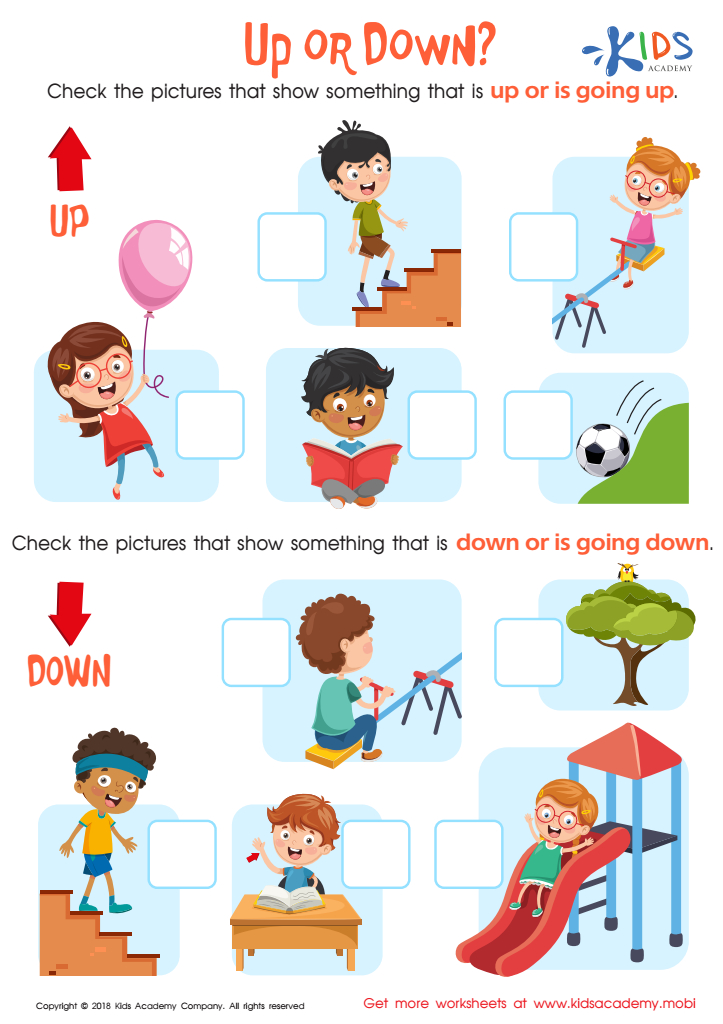
Up or Down Worksheet
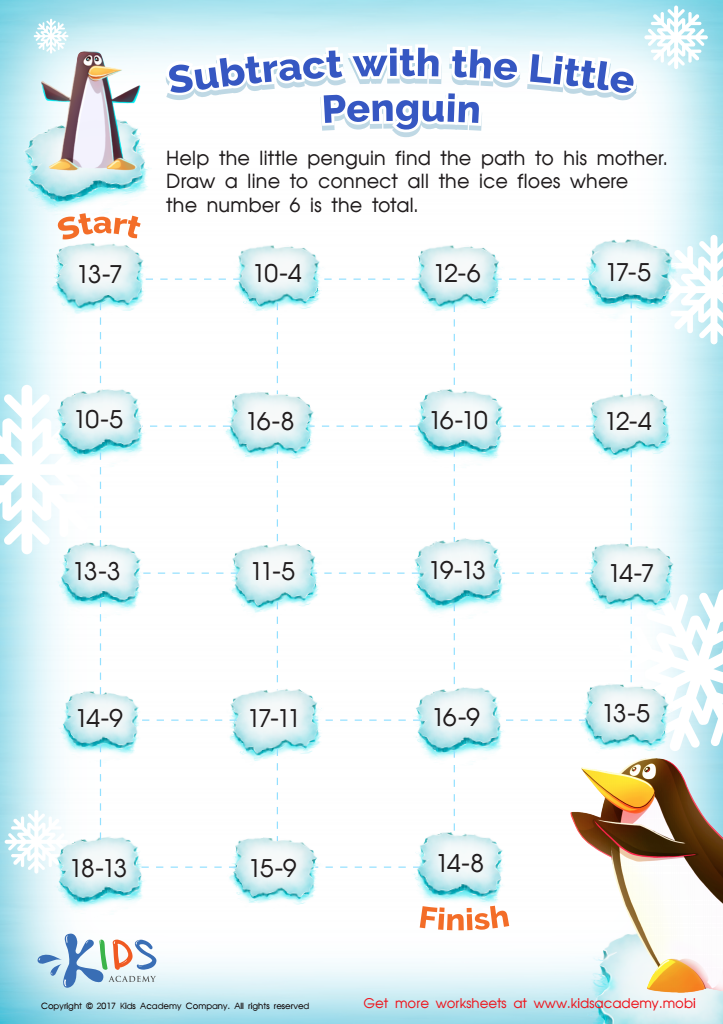
Subtract With The Little Penguin Substraction Worksheet
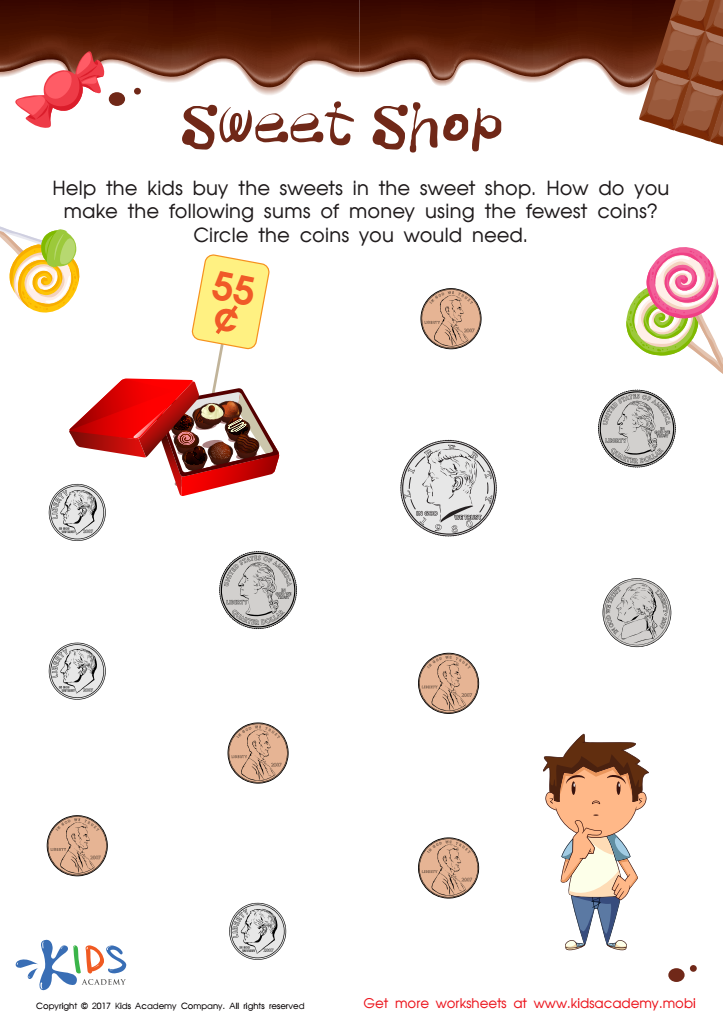
Sweet Shop – Counting Coins Worksheet
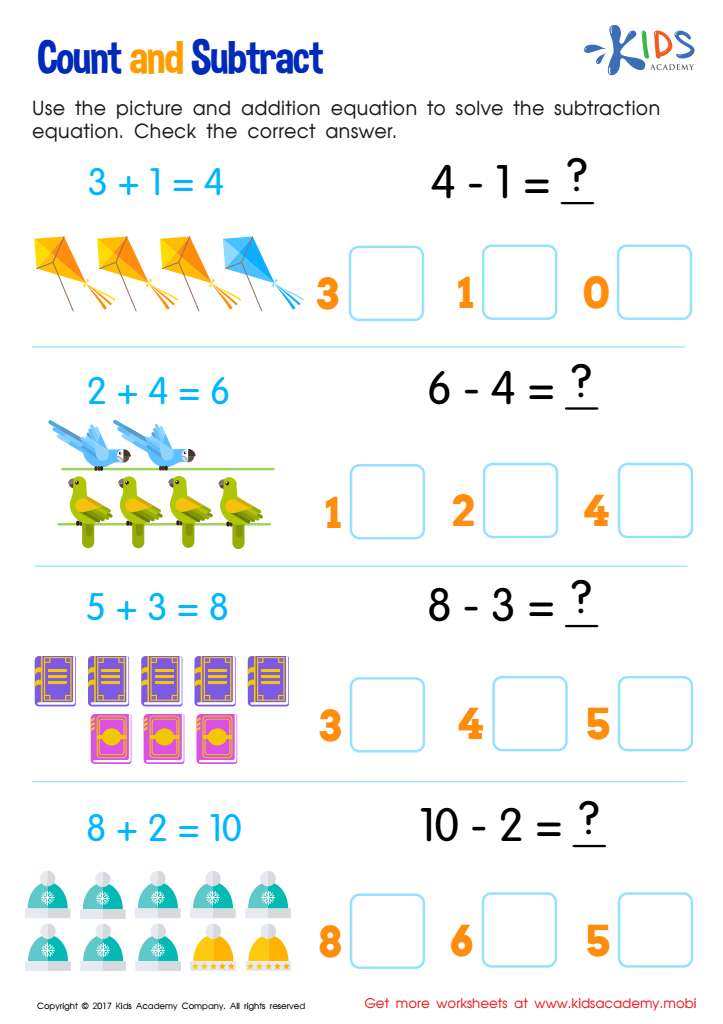
Count and Subtract Worksheet
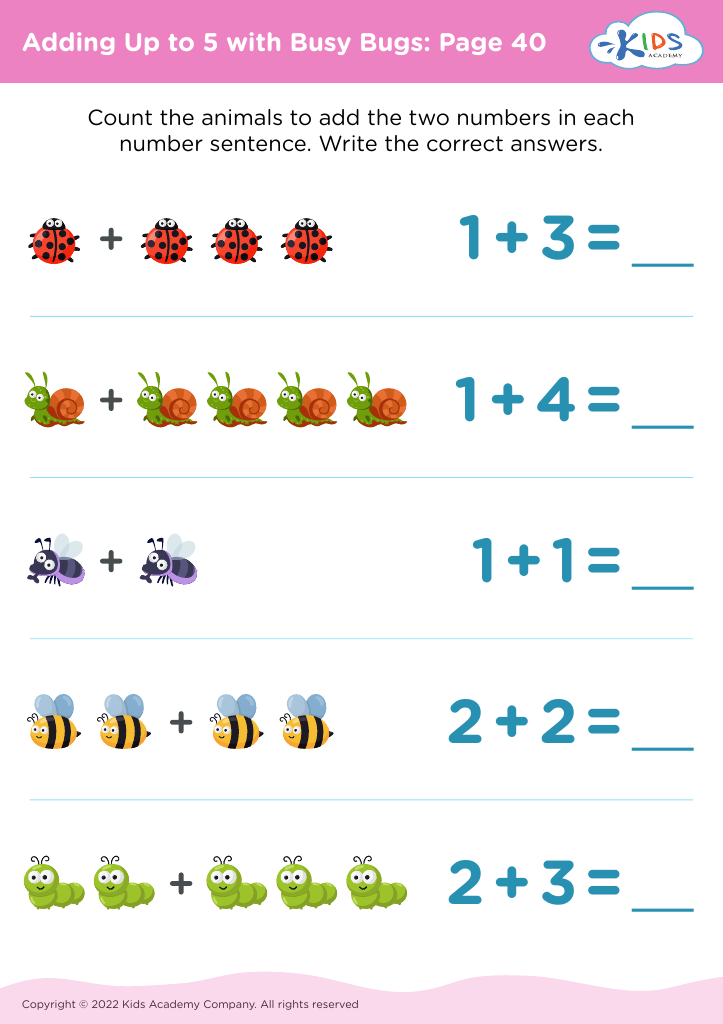
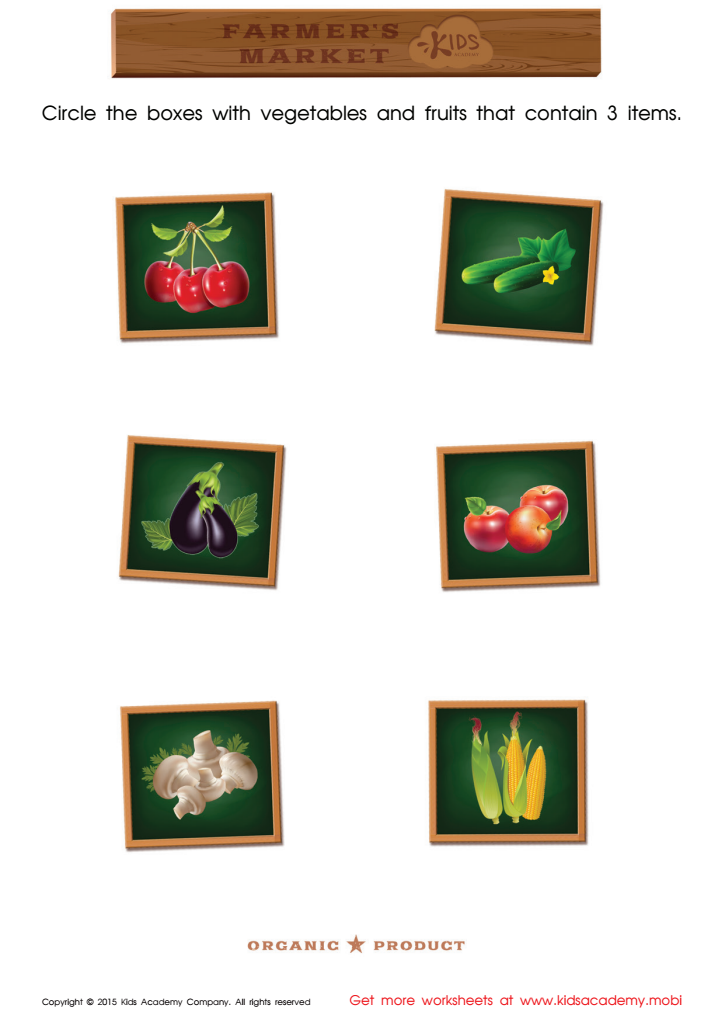
Count and Match Vegetables 1 – 5 Math Worksheet
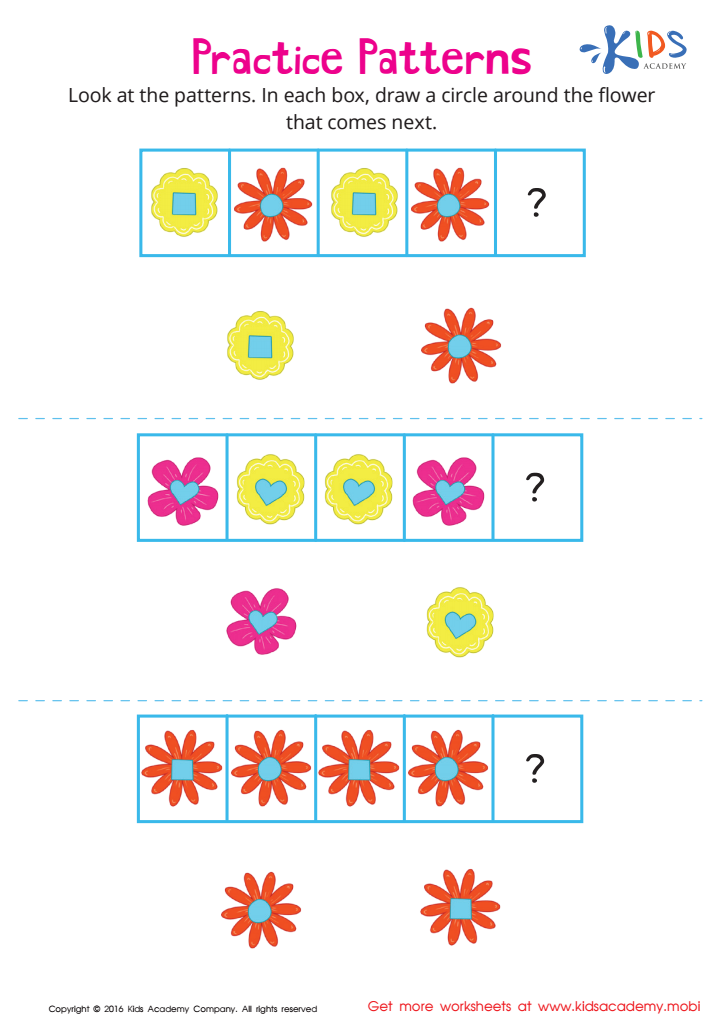
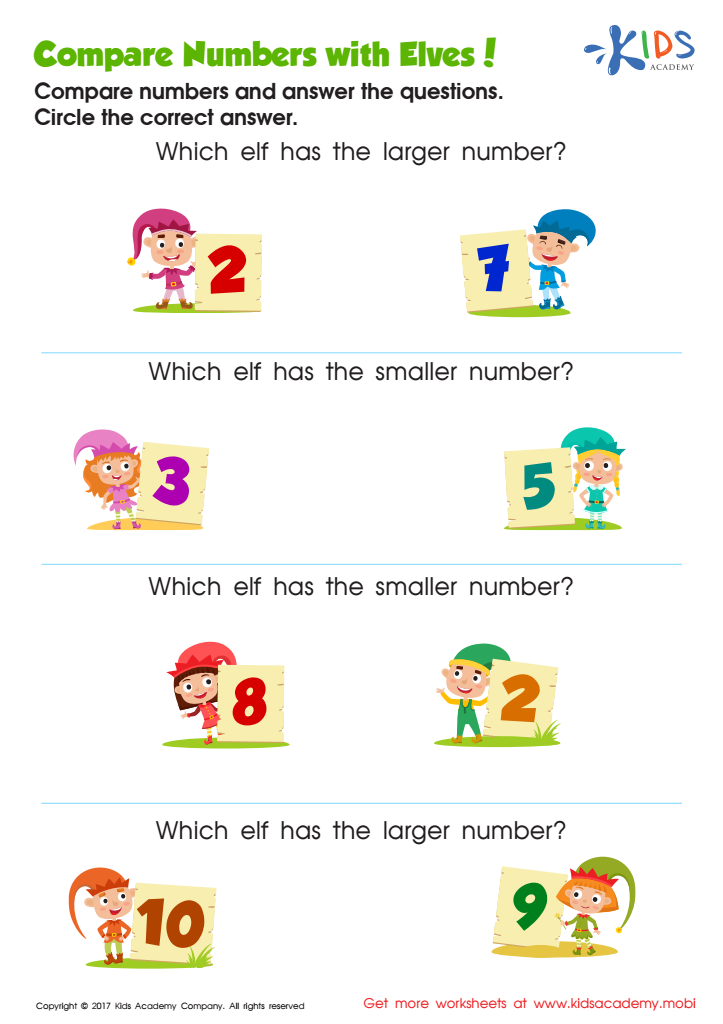
Comparing Numbers Worksheet for Kindergarten
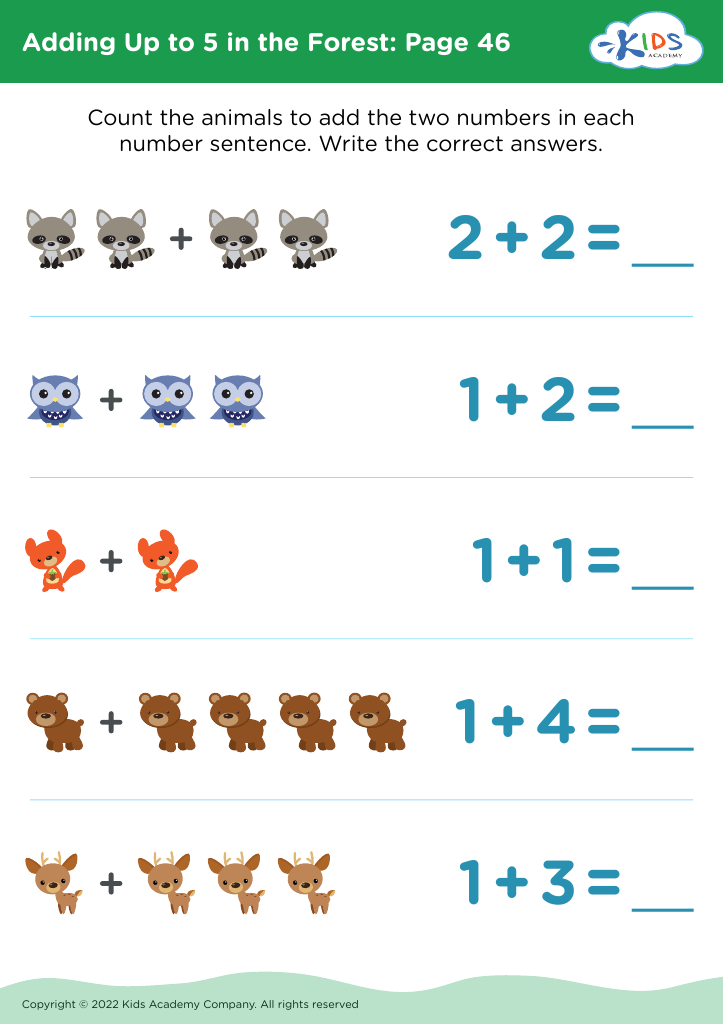
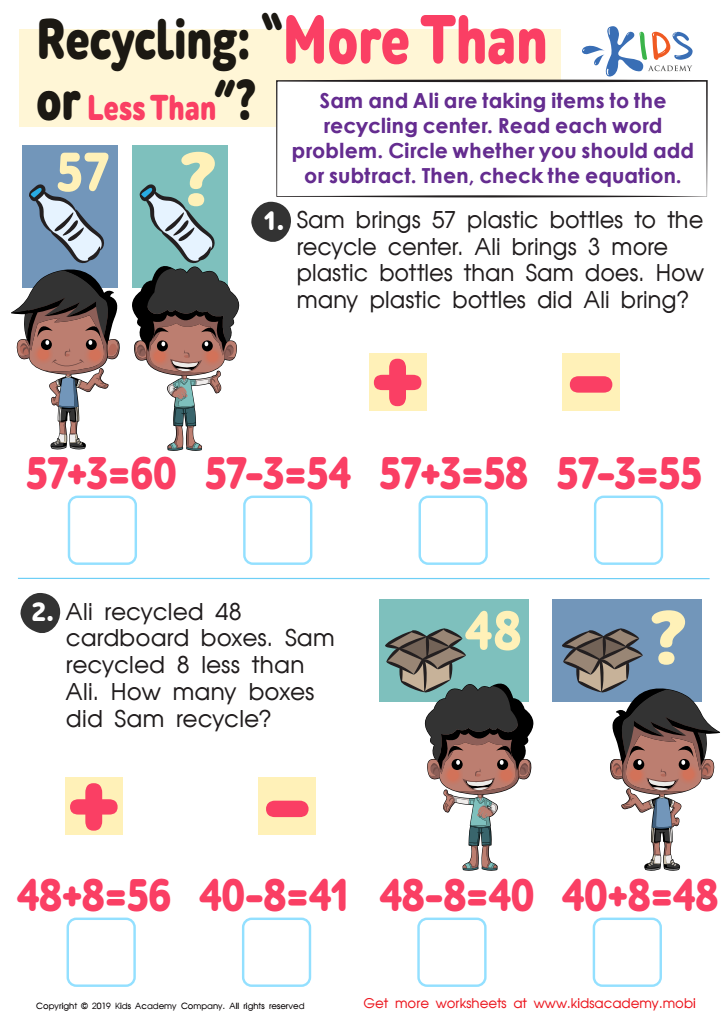
Recycling - More or Less Worksheet




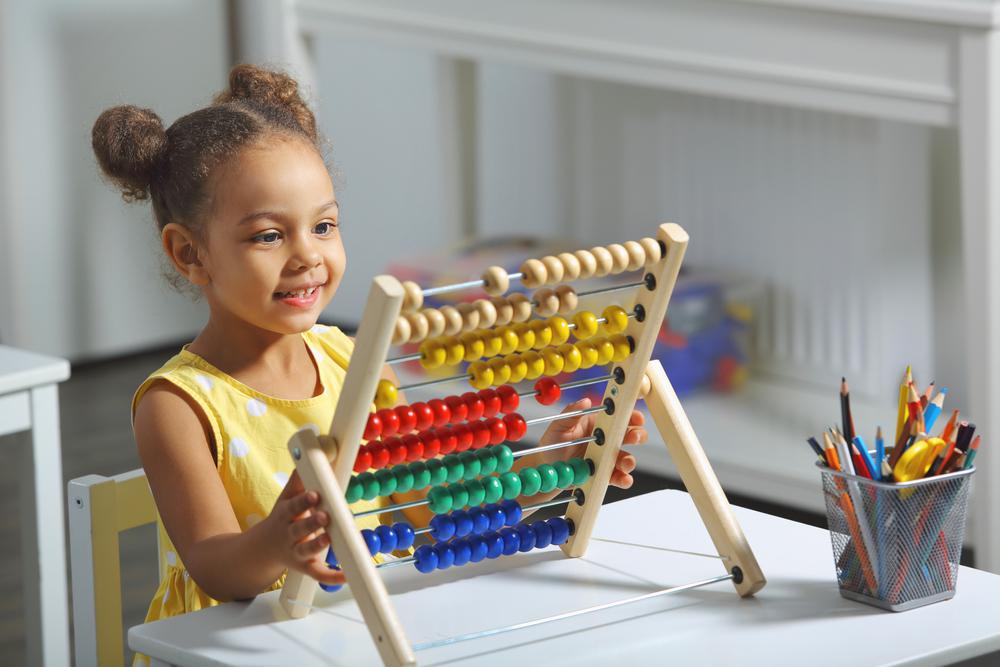


Basic math skills are foundational for children aged 4-6, and both parents and teachers play a crucial role in fostering these abilities. At this age, children are naturally curious, and engaging them in math helps develop critical thinking and problem-solving skills that are essential for later learning. Early math experiences encourage spatial awareness, number recognition, sorting, and counting, all of which are integral parts of their cognitive development.
When parents and teachers prioritize math learning, they create a positive environment that emphasizes exploration and discovery, making math enjoyable rather than intimidating. Strong foundational skills prepare children for more complex concepts later on, ensuring they are better equipped for academic success in elementary school and beyond. Furthermore, math skills are linked to everyday life, whether it’s counting money, cooking, or measuring for crafts, thus empowering children with practical abilities and enhancing their confidence.
Incorporating basic math through fun activities, games, and real-world applications engages children and makes learning relatable. By caring about and investing time in developing these skills, parents and teachers set the stage for lifelong learners who appreciate and excel in mathematics, ultimately contributing to their overall educational journey.








