Shape identification Math Worksheets for Ages 4-6
16 filtered results
-
From - To
Discover engaging Shape Identification Math Worksheets designed specifically for children ages 4-6. Our worksheets make learning fun by helping young learners recognize and differentiate between various shapes through colorful, interactive activities. Perfect for preschool and kindergarten students, these printables enhance math skills and build a solid foundation in geometry. With visually appealing designs, each worksheet captivates children's attention while nurturing their cognitive development. Parents and teachers will appreciate these expertly crafted resources for guiding kids on their educational journey. Visit Kids Academy to unlock a world of fun-filled educational adventures today!
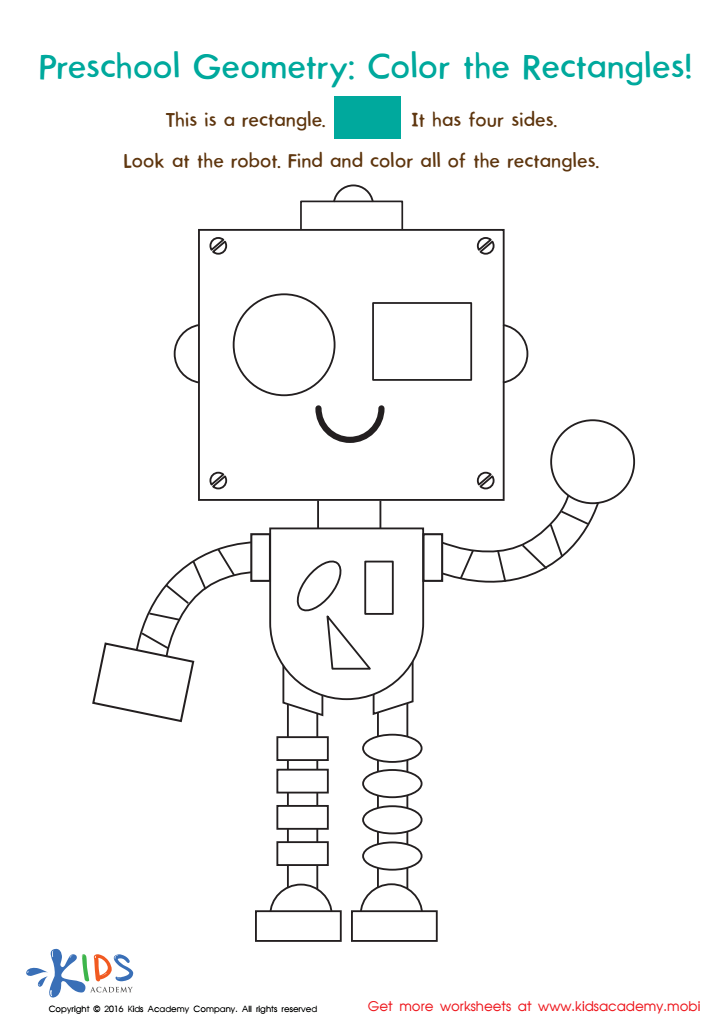
Geometry Worksheet
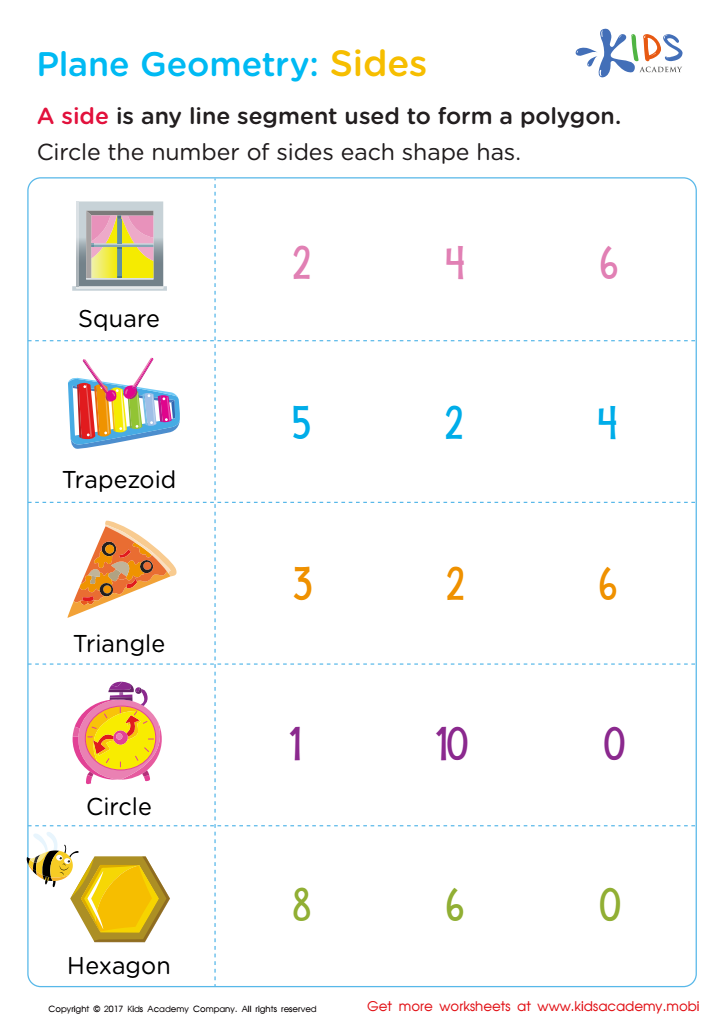
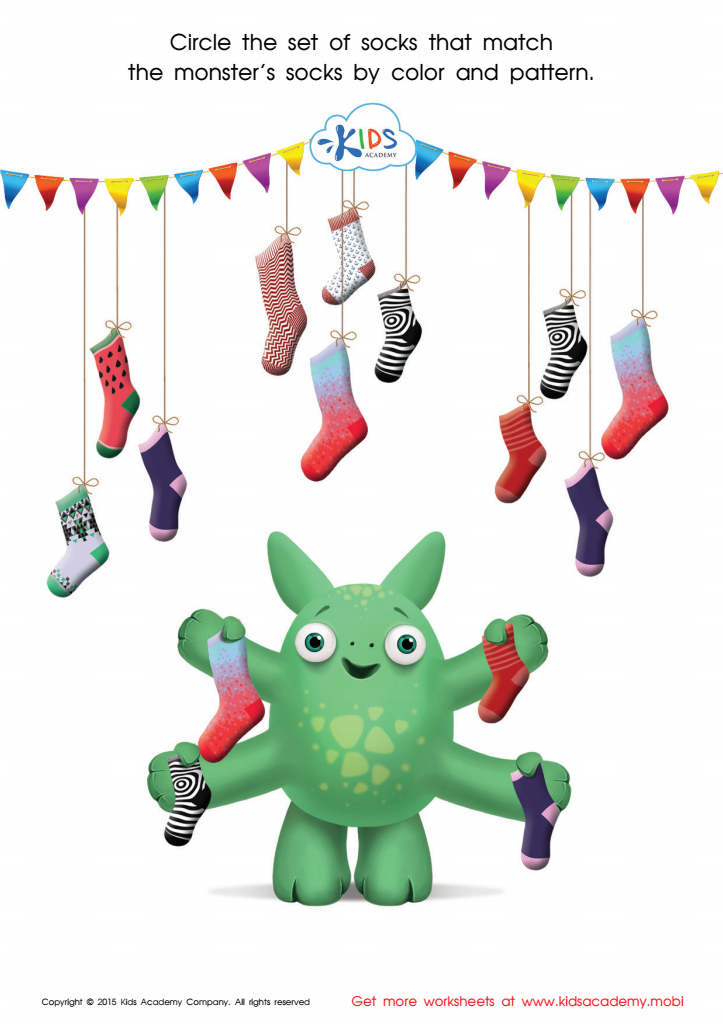
Sort the Monster's Socks Worksheet
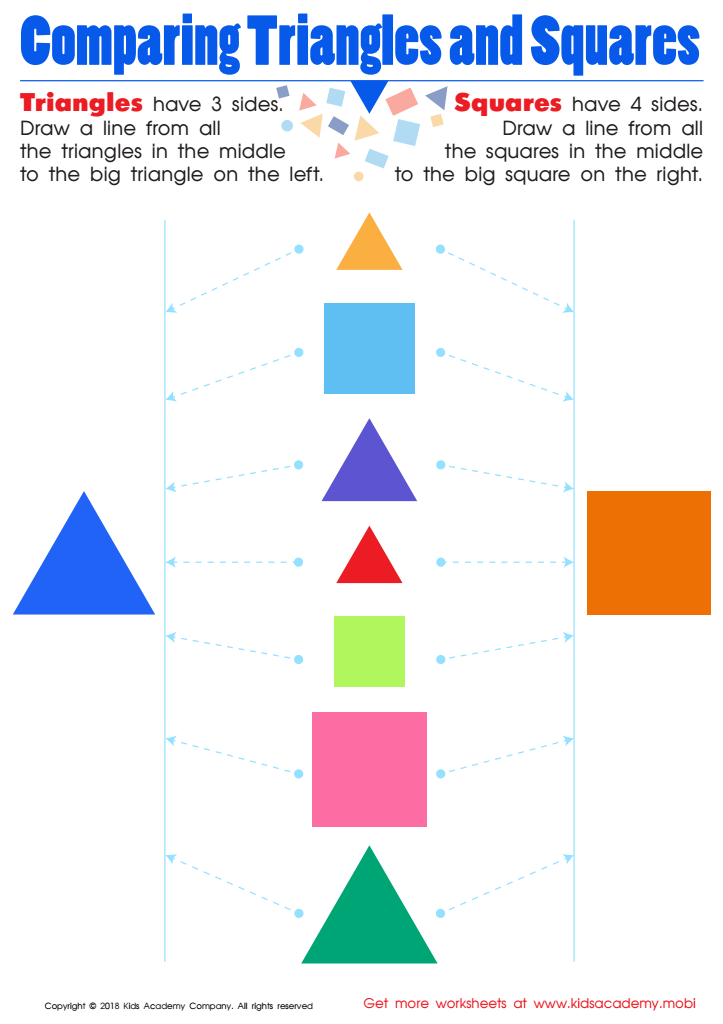
Comparing Triangles Squares Worksheet
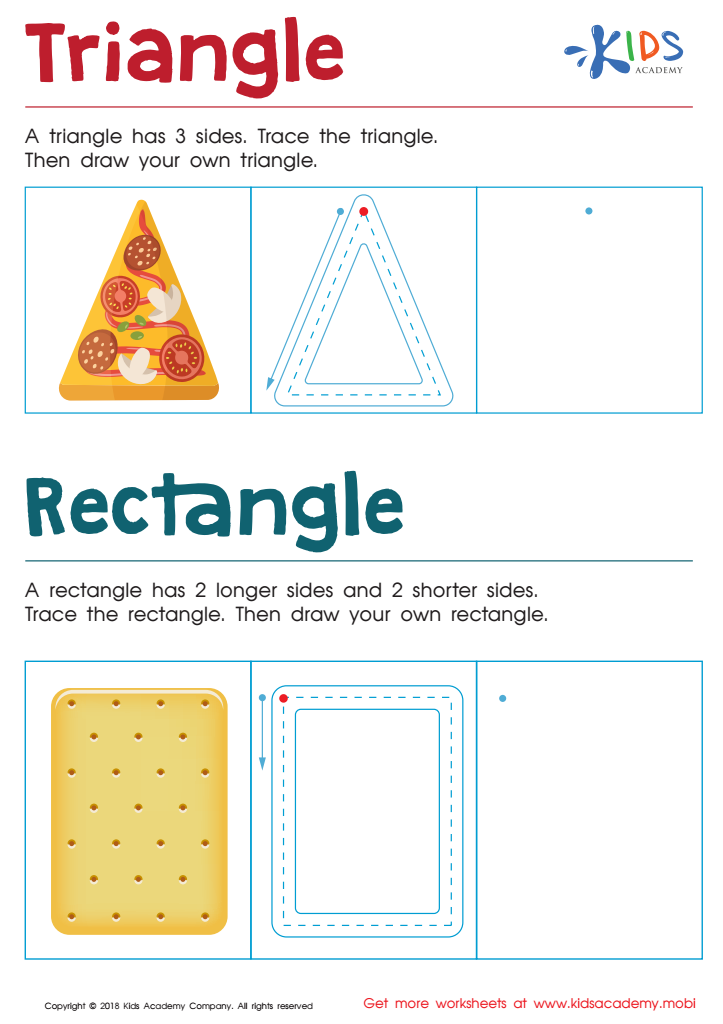
Triangle Rectangle Worksheet
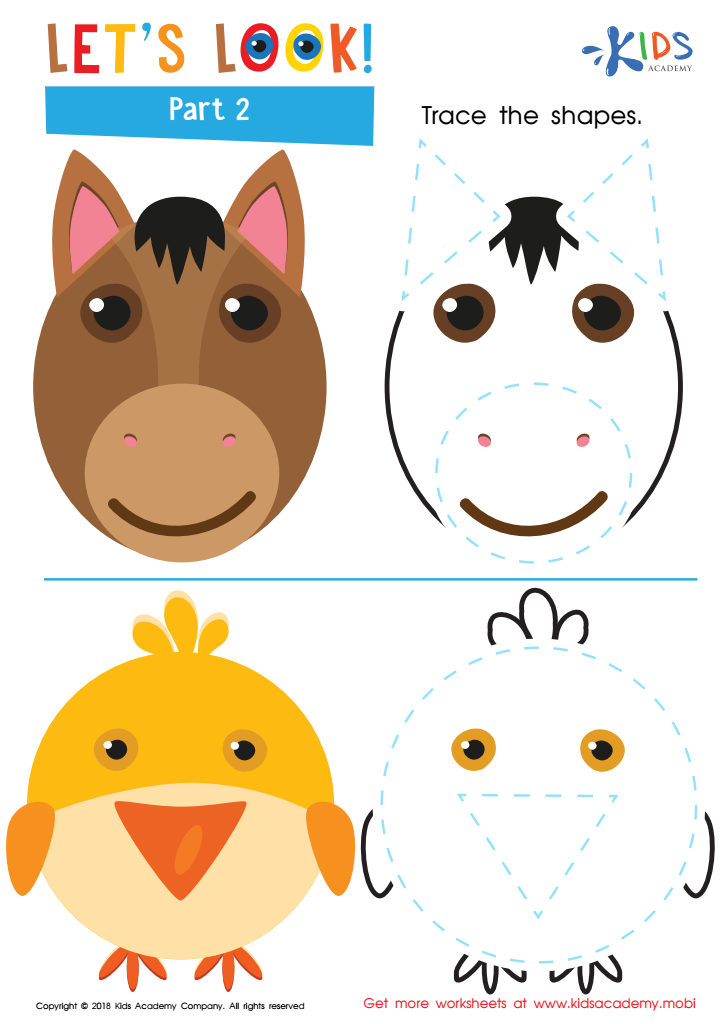
Let's Look! Part 2 Worksheet
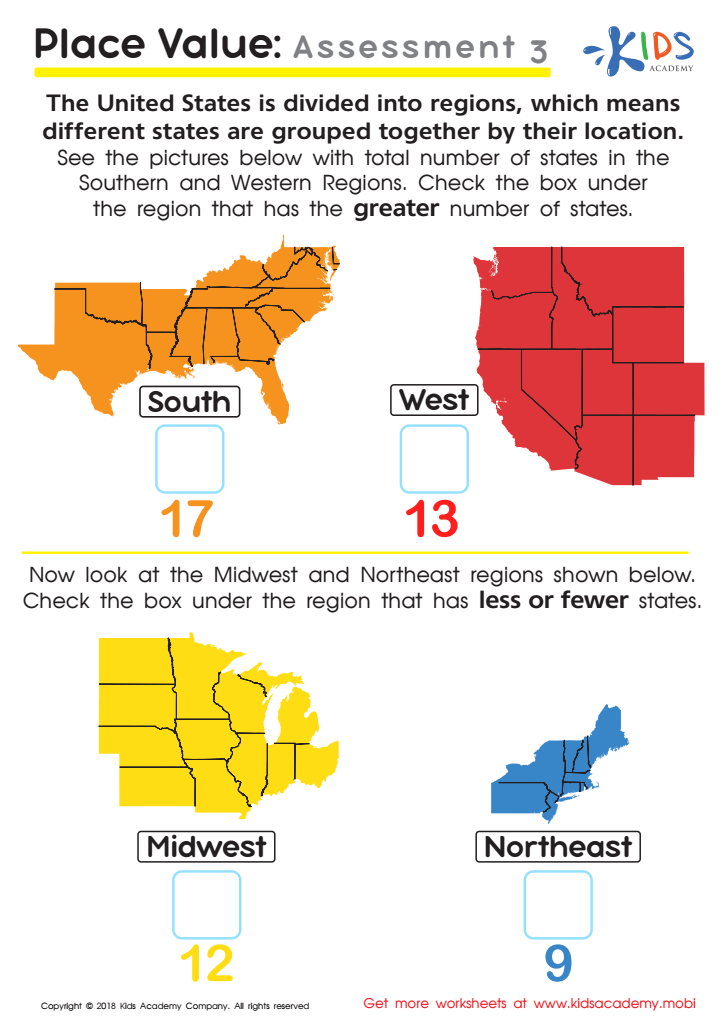
Place Value: Assessment 3 Worksheet
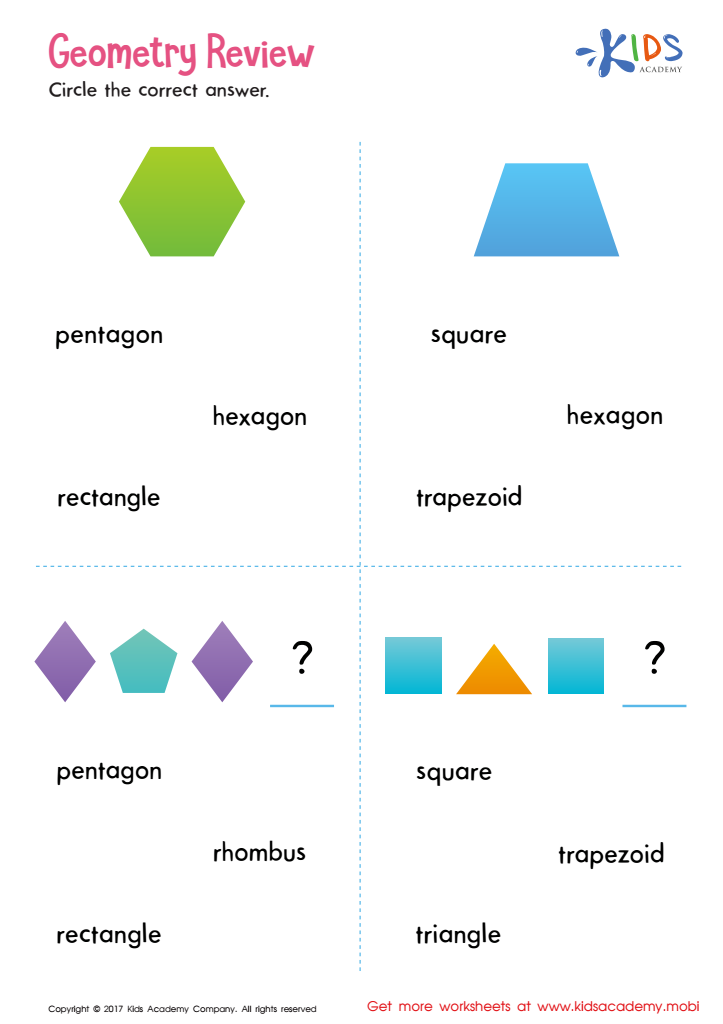
Geometry Review Printable
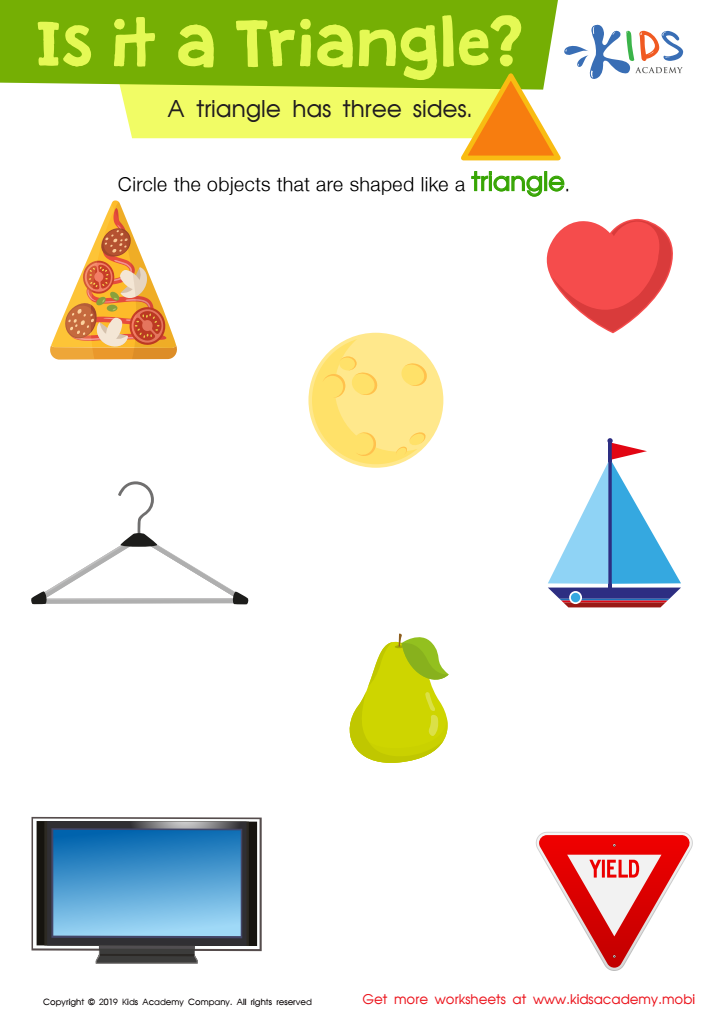
Is It a Triangle? Worksheet
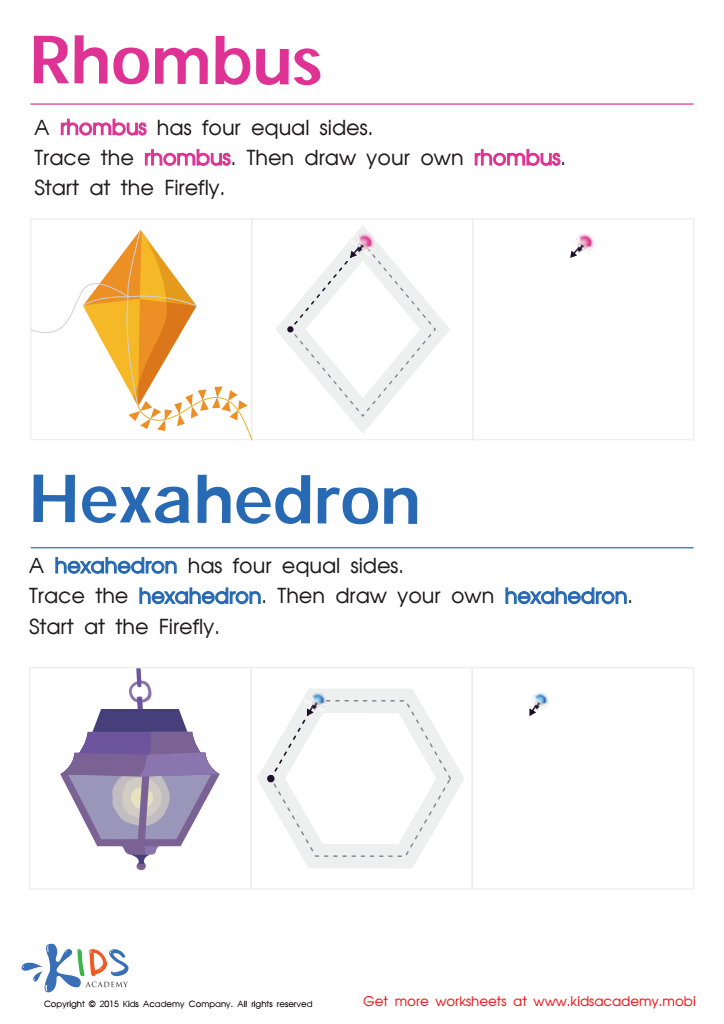
Draw a Rhombus And a Hexahedron Printable
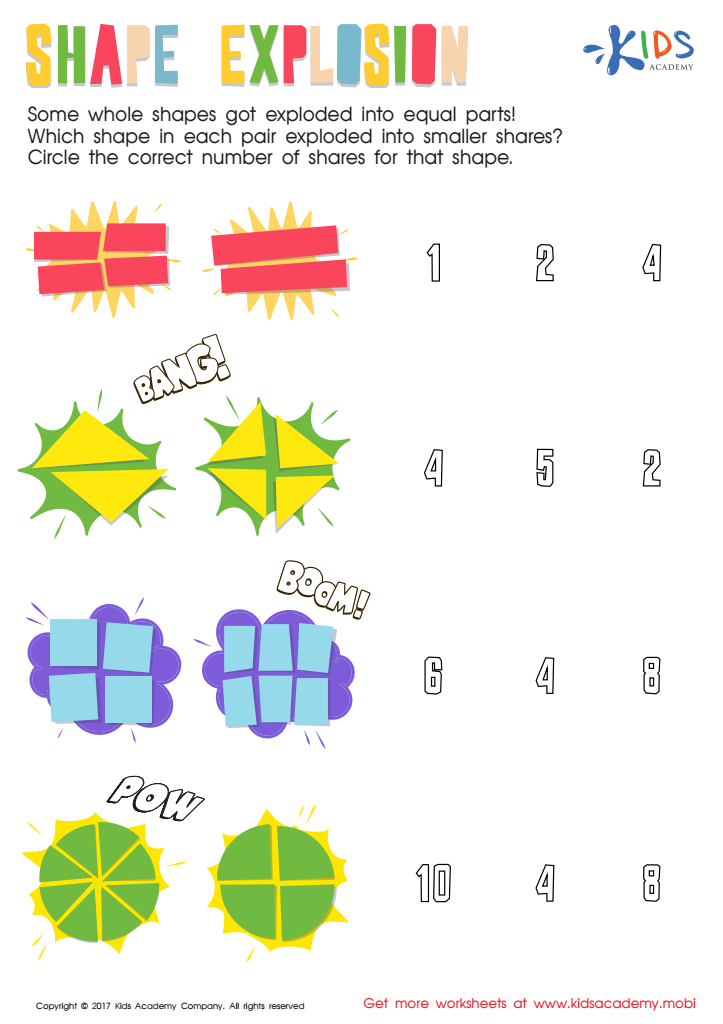
Shape Explosion Worksheet
Number 2 Printable
 Assign to My Students
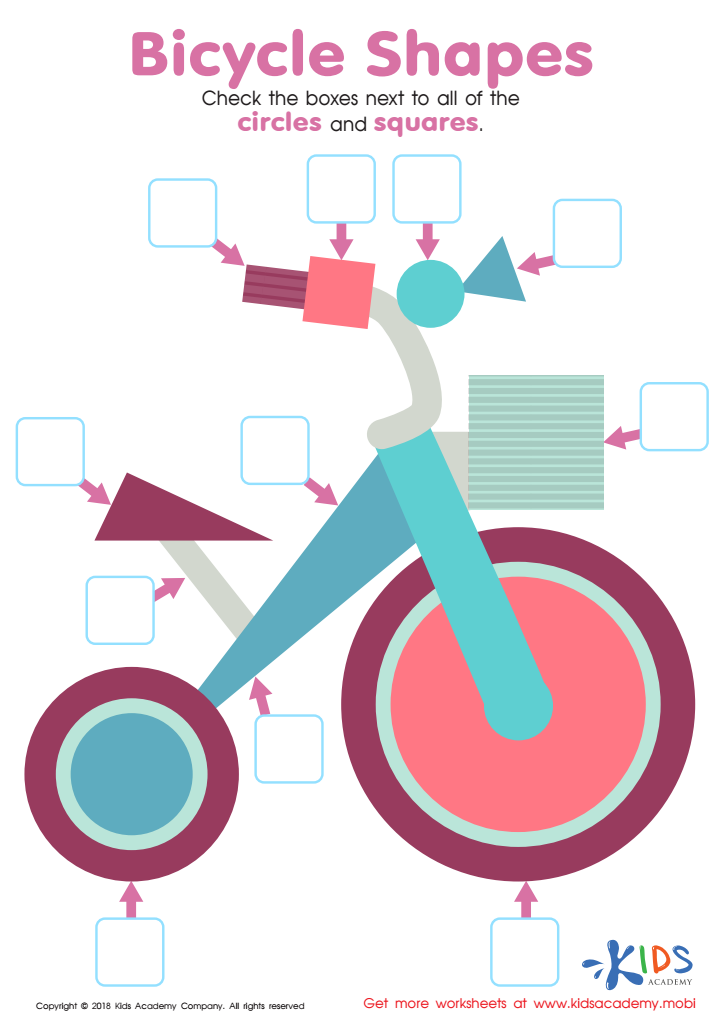
Bicycle Shapes Worksheet
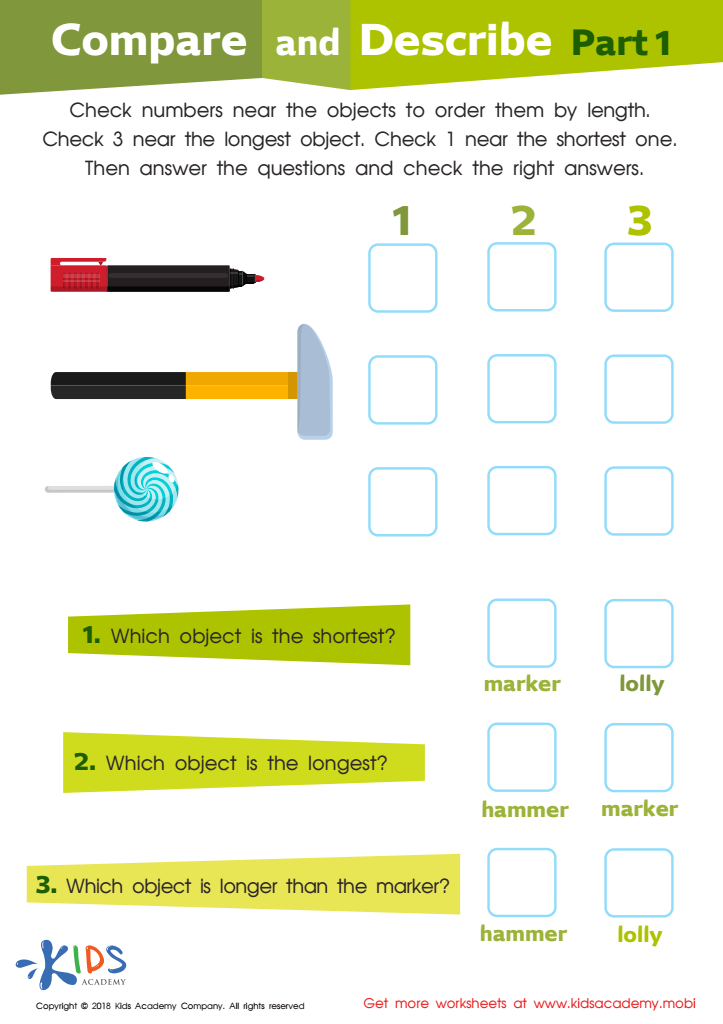
Compare and Describe: Part 1 Worksheet
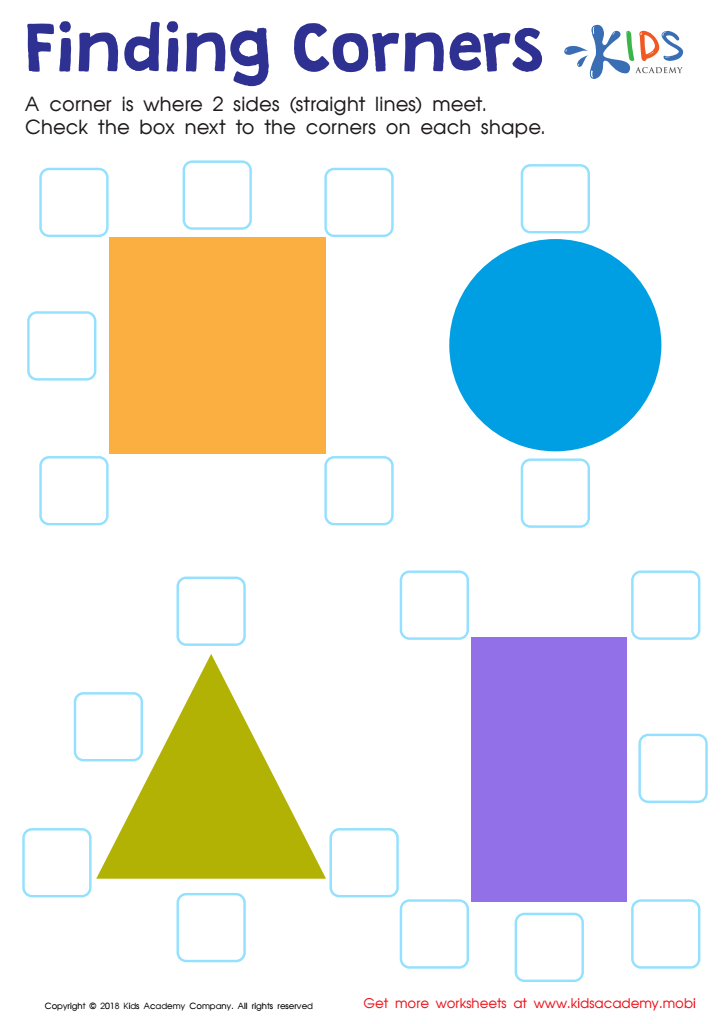
Finding Corners Worksheet
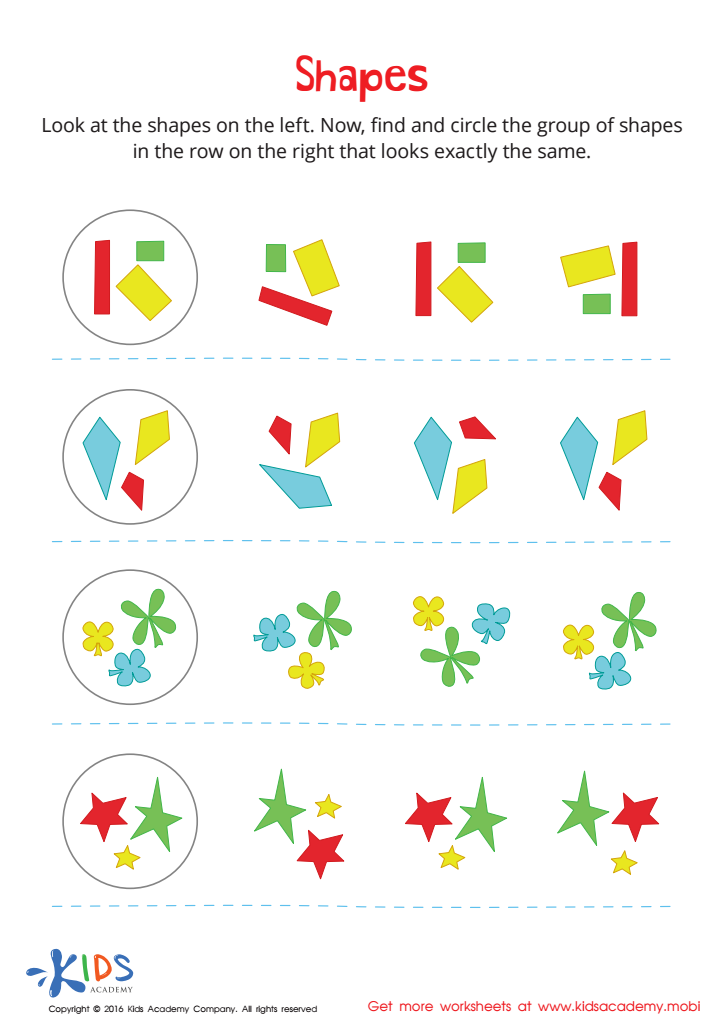
Shapes Worksheet








Parents and teachers should prioritize shape identification math for ages 4-6 because it serves as a foundational block for a multitude of important skills. Early recognition of shapes not only forms the basis of geometry but also enhances spatial reasoning, essential for understanding the world. Identifying shapes helps children categorize and organize visual information, critical for problem-solving skills.
Moreover, shapes are omnipresent in the environment, from stop signs to building structures, and early familiarity aids children in navigating their surroundings more effectively. Learning to differentiate between shapes enhances their observational skills, fostering attention to detail, which translates to better handwriting and more accurate reading later on.
At this developmental stage, children are naturally curious and receptive. Introducing shapes in a playful manner, such as using toys or drawing activities, engages their creative and cognitive faculties simultaneously. Teachers and parents can weave shape learning into daily routines seamlessly, making education a natural part of play.
Additionally, shape identification is a step toward more advanced mathematical concepts, including measurement, area, and perimeter. Instilling a robust understanding early on contributes to a smoother progression into these areas. Hence, emphasizing shape identification for young learners creates a solid educational foundation, benefiting both cognitive development and practical life skills.








