Shape Recognition Math Worksheets for Ages 4-6 - Page 3
65 filtered results
-
From - To
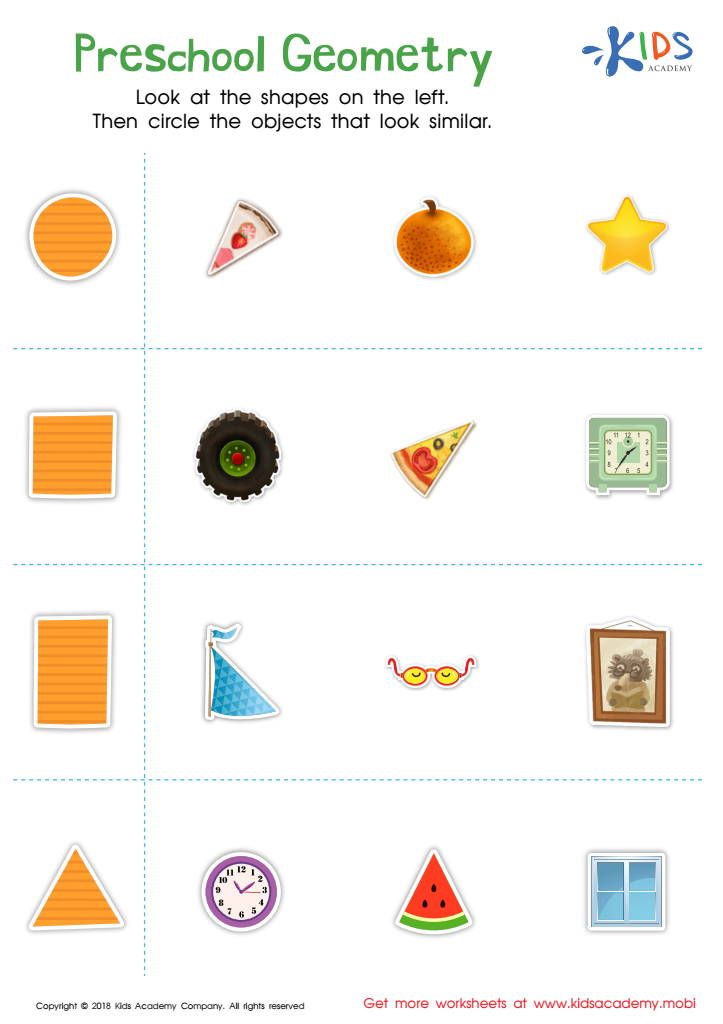
Preschool Geometry Worksheet
 Assign to My Students
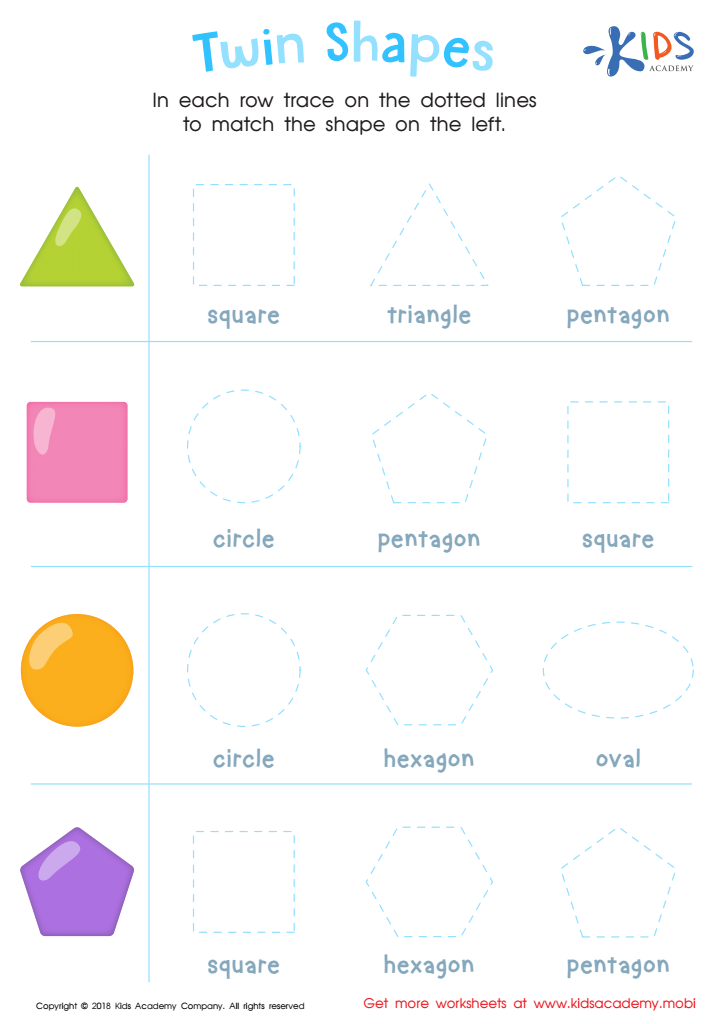
Twin Shapes Dot-to-Dot Worksheet
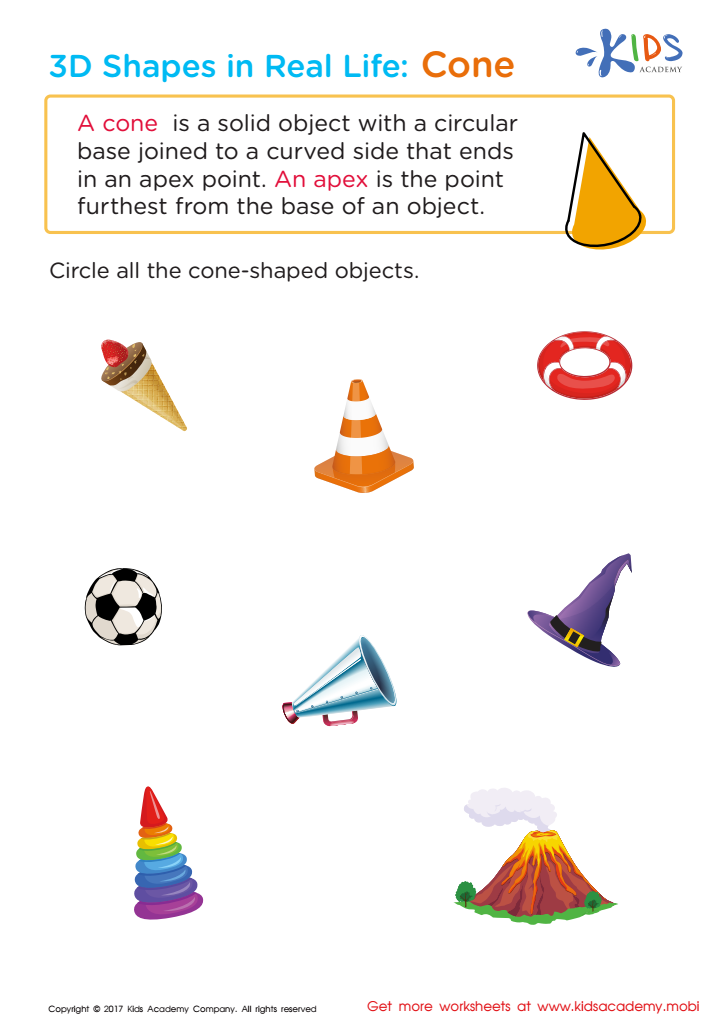
Shapes in Real Life: Cone Worksheet
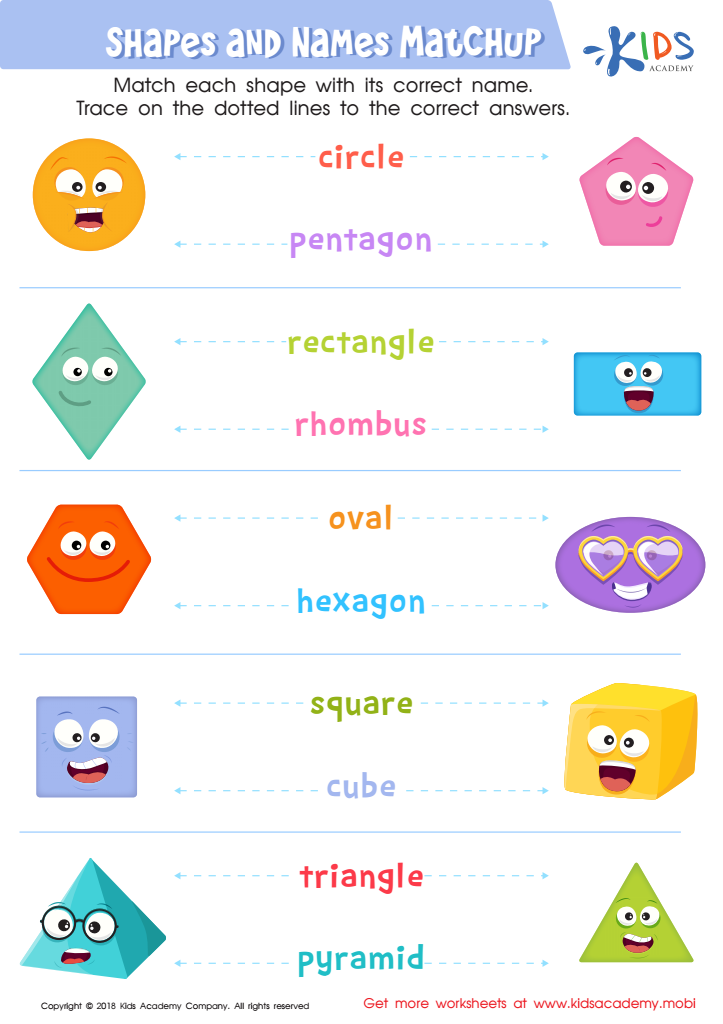
Shapes and Names Matchup Worksheet
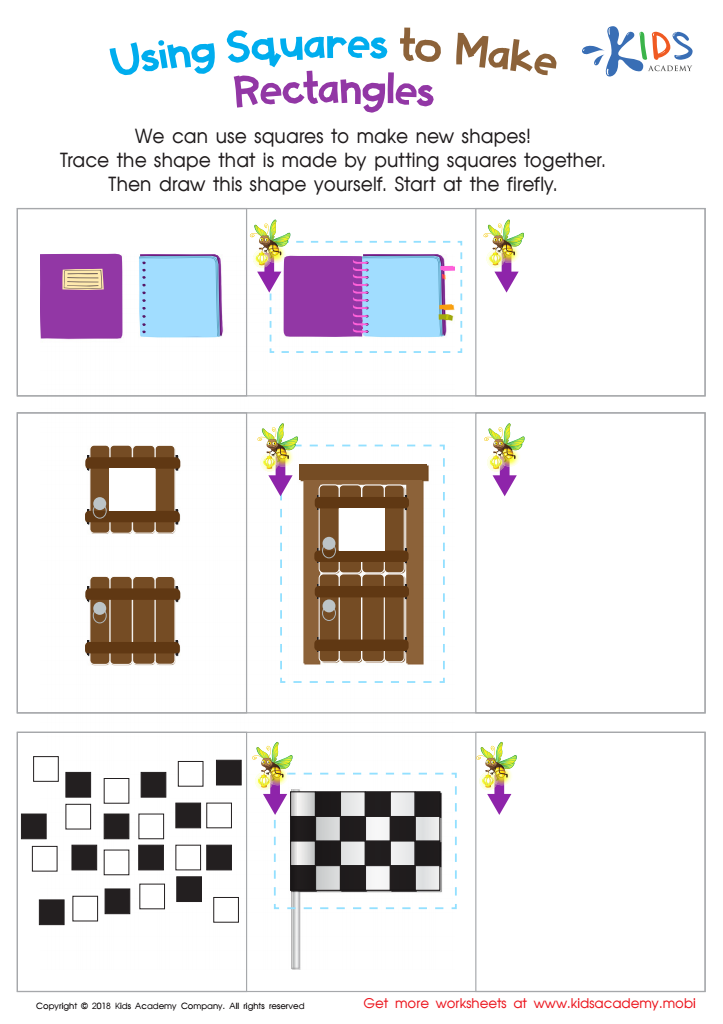
Using Squares to Make Rectangles Worksheet
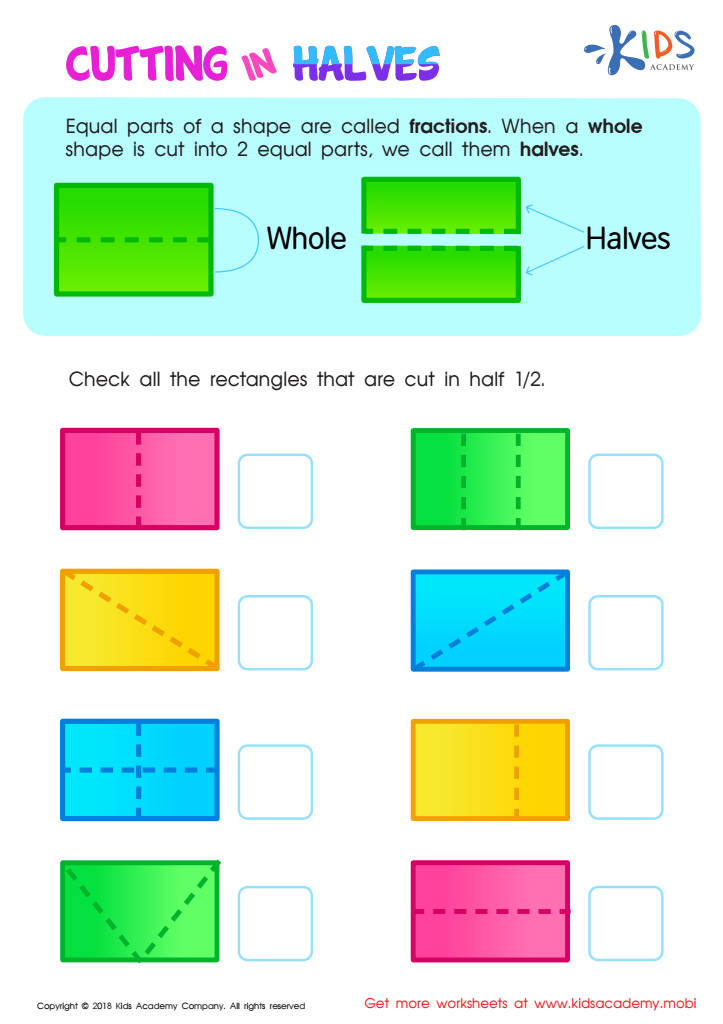
Cutting in Halves Worksheet
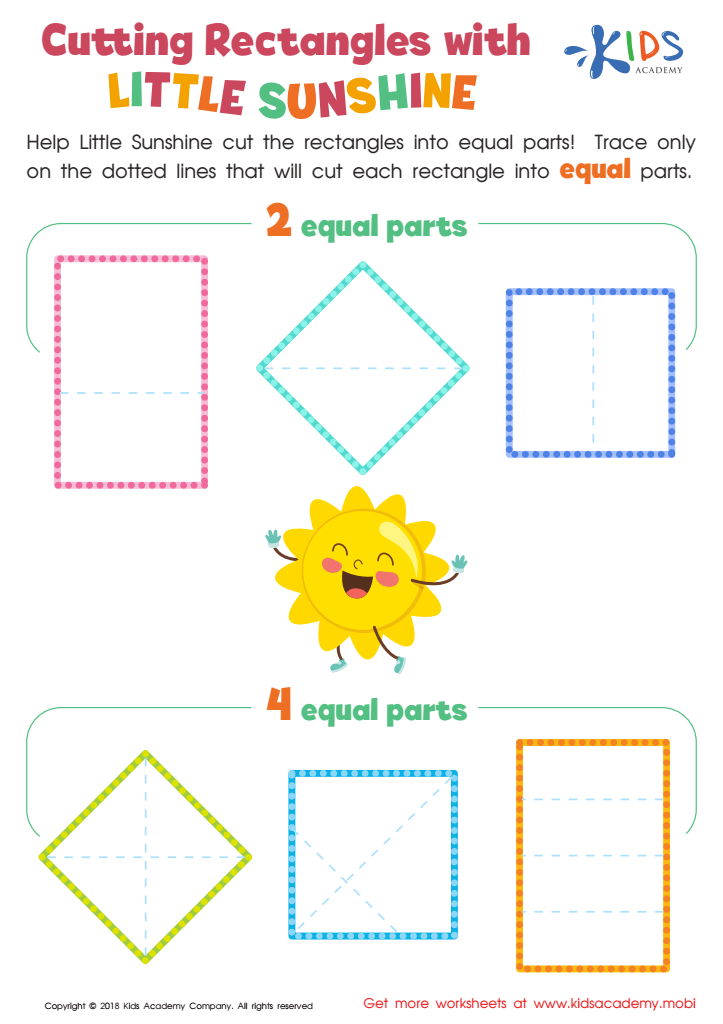
Cutting Rectangles with Little Sunshine Worksheet
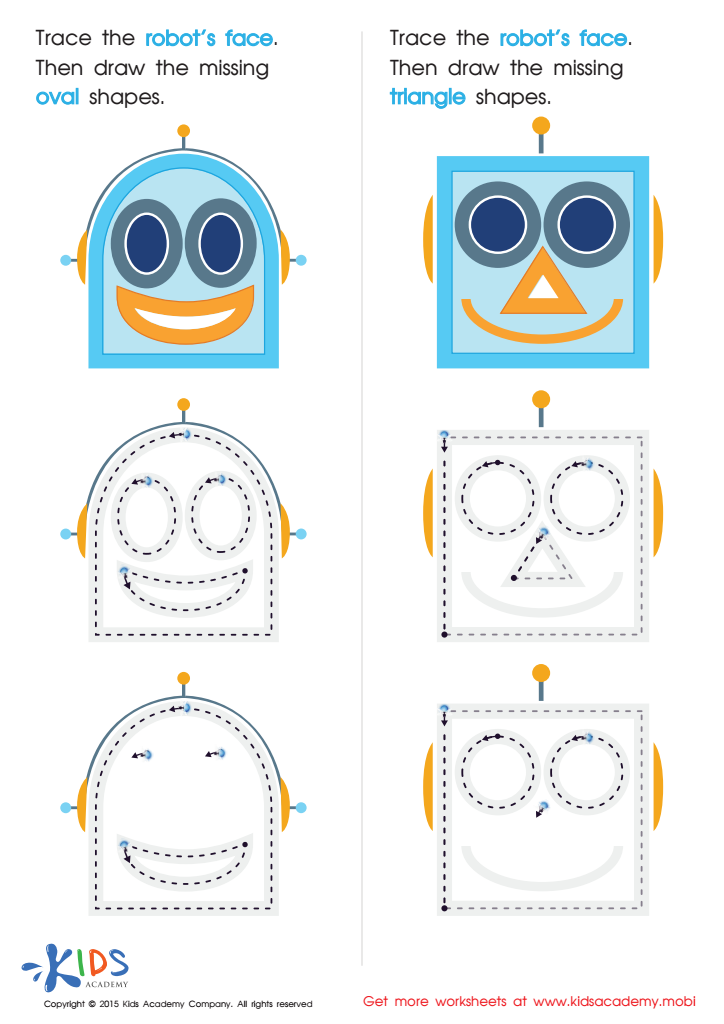
Drawing Ovals And Triangles with Fun Printable
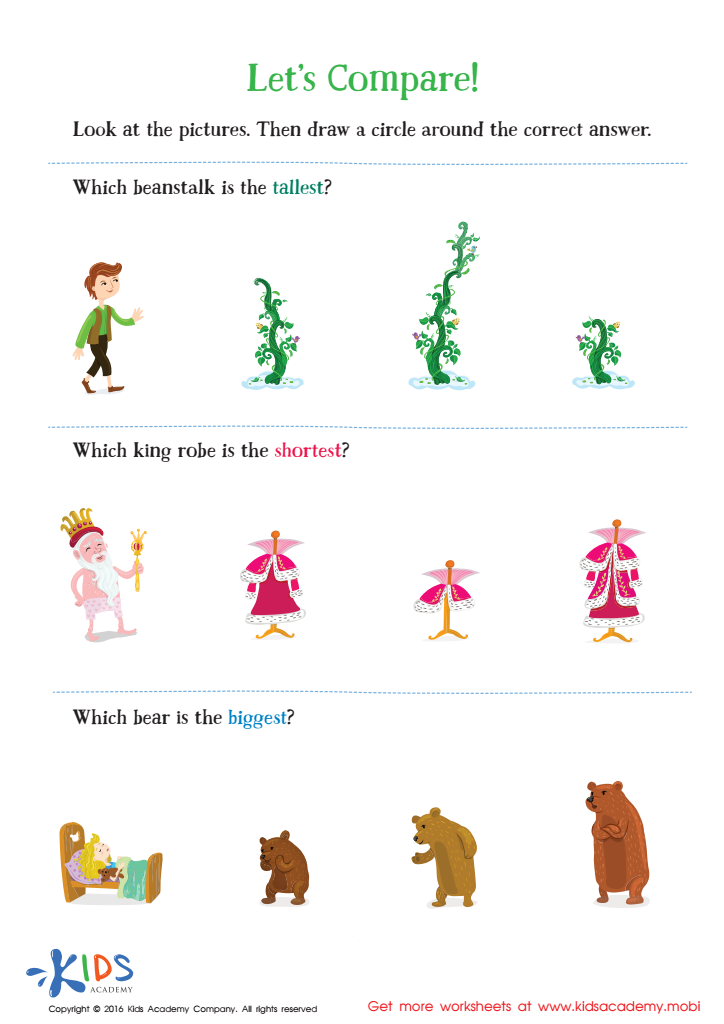
Fairy Tale Worksheet: Let's Compare
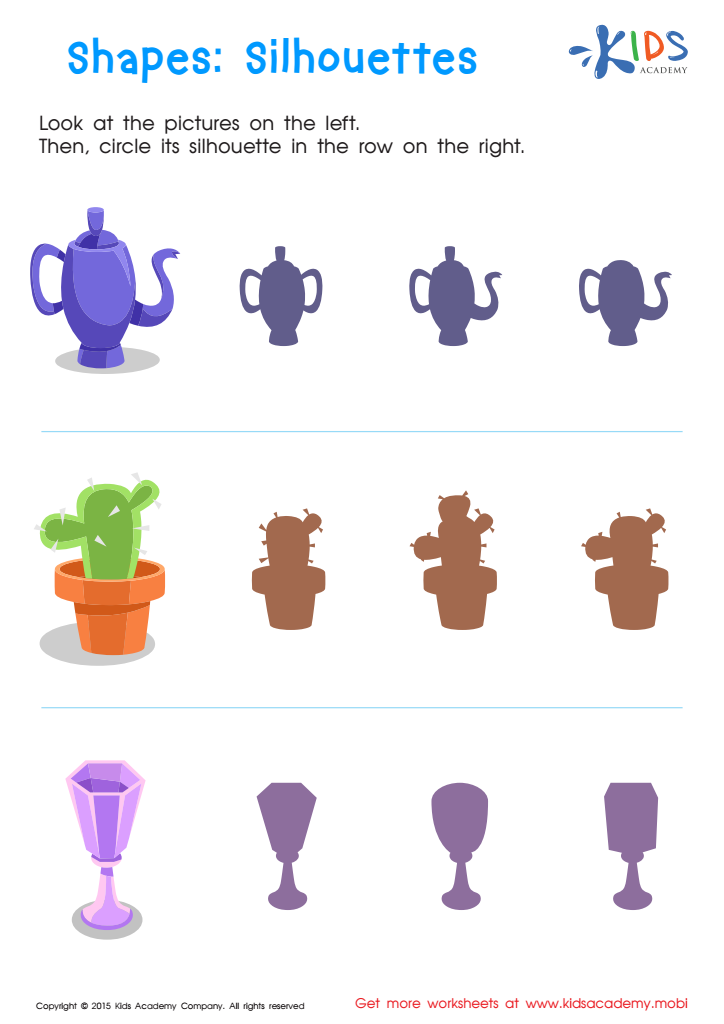
Silhouettes – Shapes Worksheet
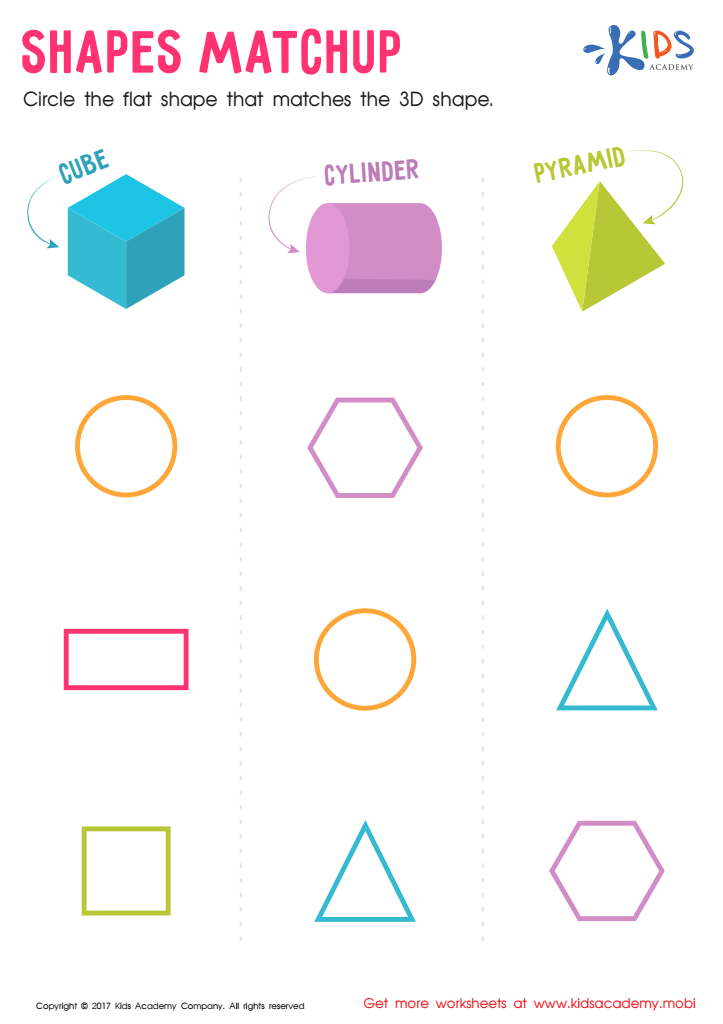
Shapes Matchup Worksheet
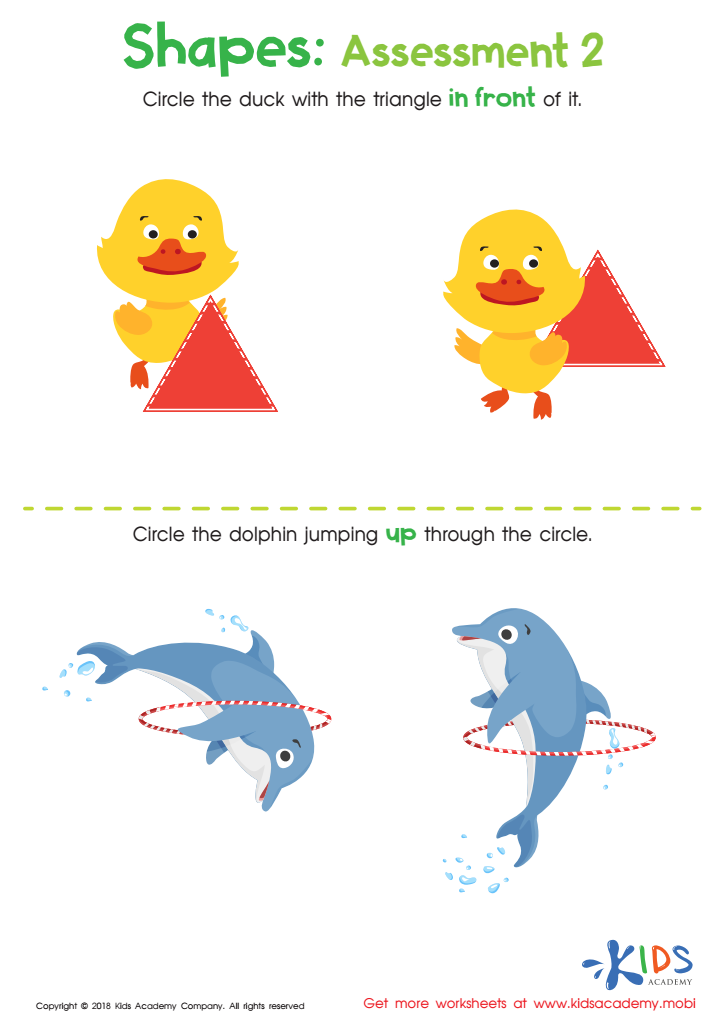
Geometry – Assessment 2 Worksheet
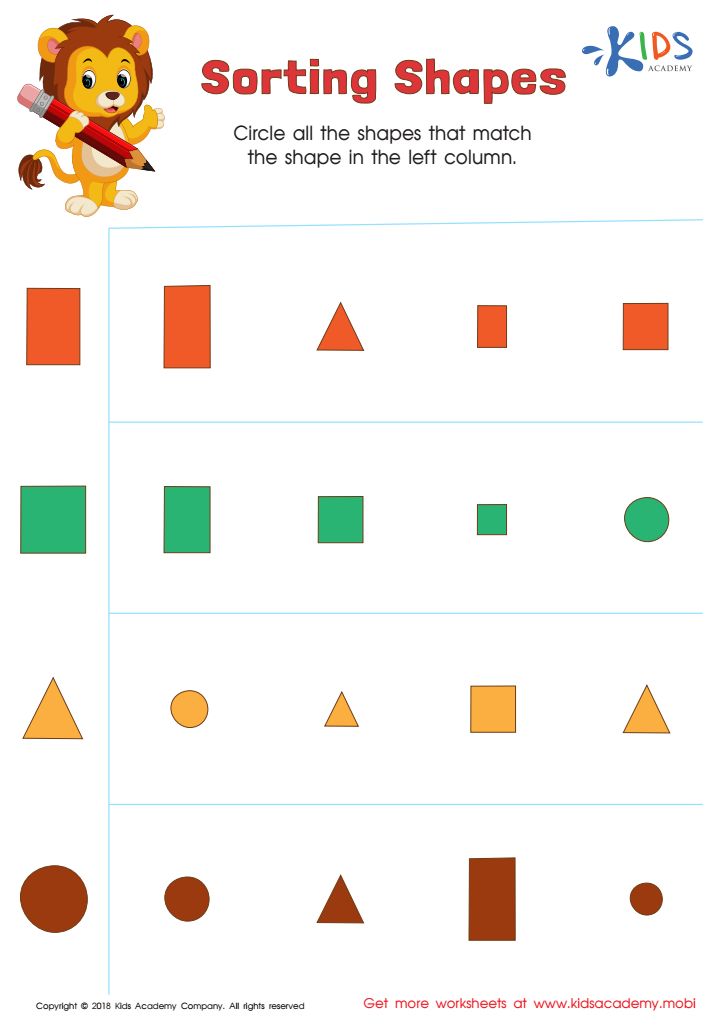
Sorting Shapes - Part 2 Worksheet
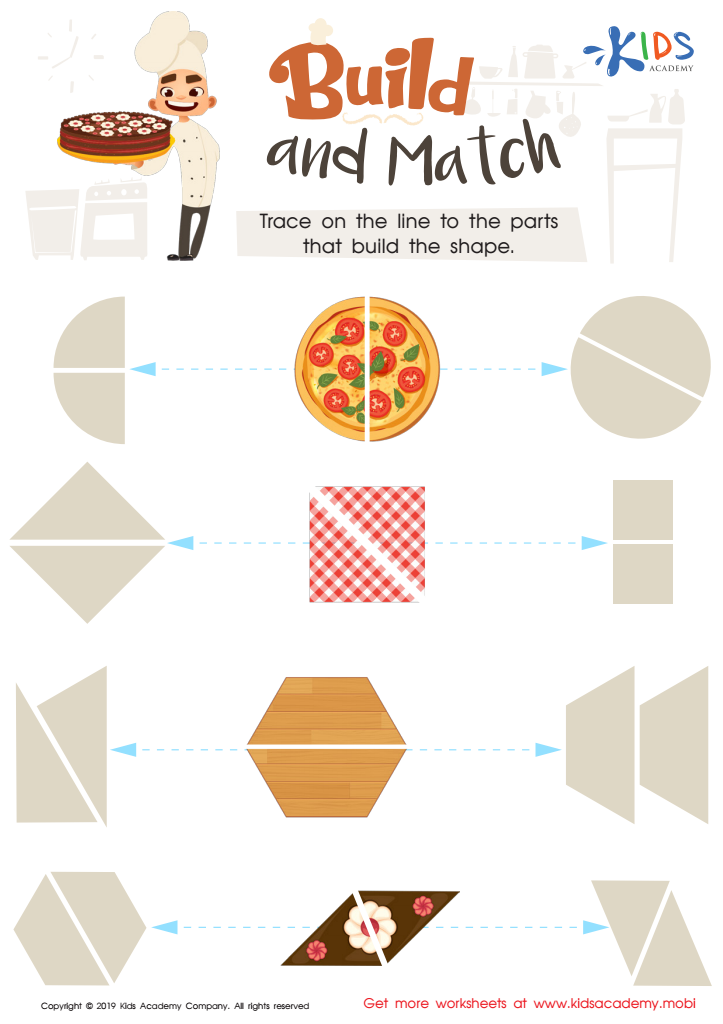
Build and Match Worksheet
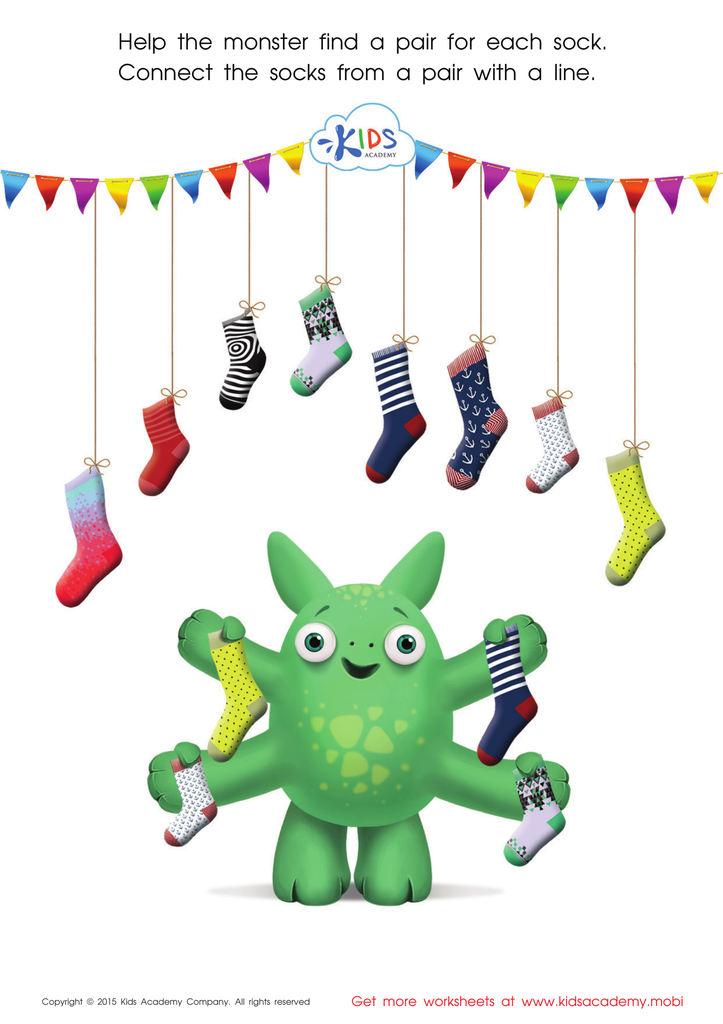
Math Matching Pairs Game: Monsterв's Socks Worksheet
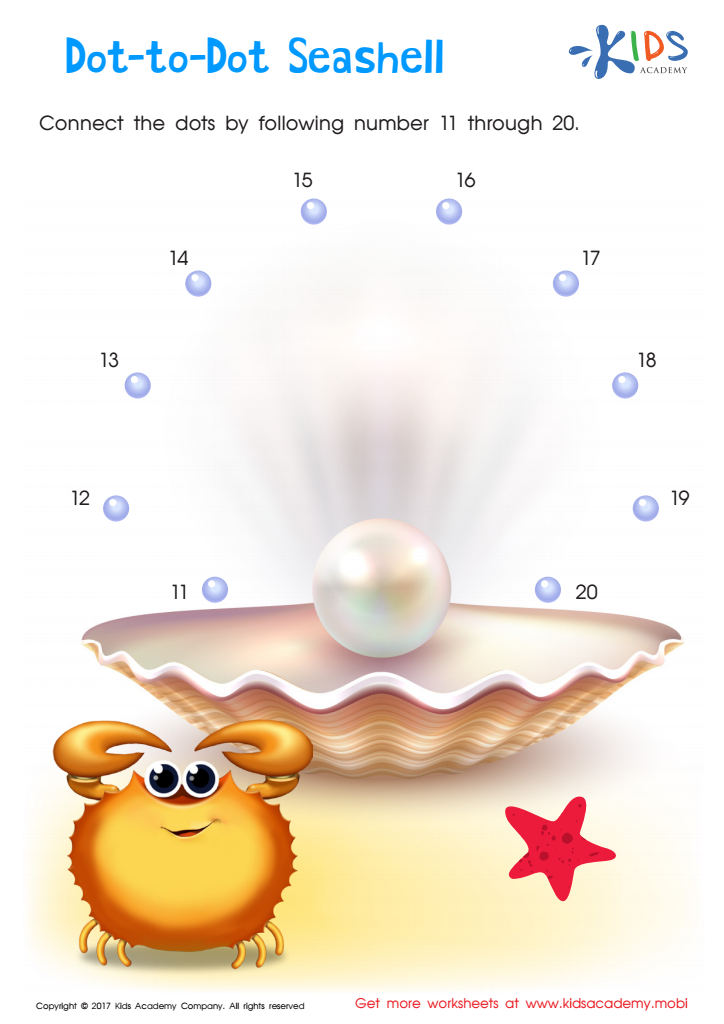
Ordering 11–20: Dot–to–dot Seashell Printable
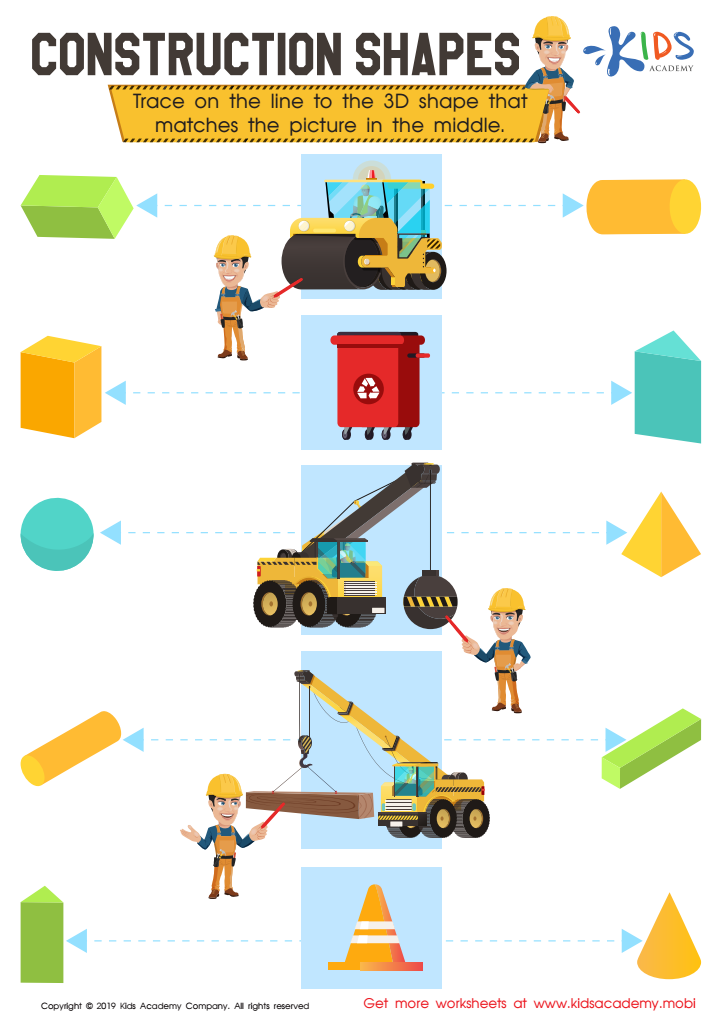
Construction Shapes Worksheet








Shape recognition is a fundamental component of early mathematics education for children ages 4-6. At this developmental stage, children are naturally curious and eager to explore their surroundings, making it an ideal time to introduce mathematical concepts. Understanding shapes lays the groundwork for essential skills such as spatial awareness, problem-solving, and critical thinking.
Parents and teachers should care about shape recognition because it enhances cognitive development and prepares children for more complex mathematical concepts later on. By identifying and categorizing shapes, children learn to observe and understand their environment, fostering creativity and imagination.
Moreover, shape recognition activities encourage collaboration and communication among peers, promoting social skills and teamwork. They also provide opportunities for hands-on learning, which helps solidify understanding through tangible experiences.
Additionally, early exposure to shape recognition can enhance literacy skills, as children learn the vocabulary associated with shapes and begin to make connections between mathematical concepts and everyday life.
In essence, prioritizing shape recognition not only equips children with foundational math skills, but also enriches their overall development, fosters a love for learning, and paves the way for future academic success. Parents and teachers play a crucial role in integrating these learning experiences into children's daily lives.








