
Story sequencing Math Worksheets for Ages 4-6
4 filtered results
Difficulty Level
Grade
Age
-
From - To
Subject
Activity
Standards
Enhance your child's learning experience with our engaging Story Sequencing Math Worksheets designed specifically for ages 4-6. These worksheets seamlessly integrate storytelling into early math concepts, helping young learners practice important skills such as counting, number recognition, and basic problem-solving. By sequencing stories, kids develop critical thinking abilities while reinforcing math fundamentals in a fun and interactive way. Our colorful and easy-to-grasp activities not only encourage creativity but also promote comprehension and logical reasoning. Perfect for homeschooling or classroom use, these worksheets make learning enjoyable, ensuring young minds stay curious and excited about math. Start your child's learning journey today!
Favorites
With answer key
Interactive
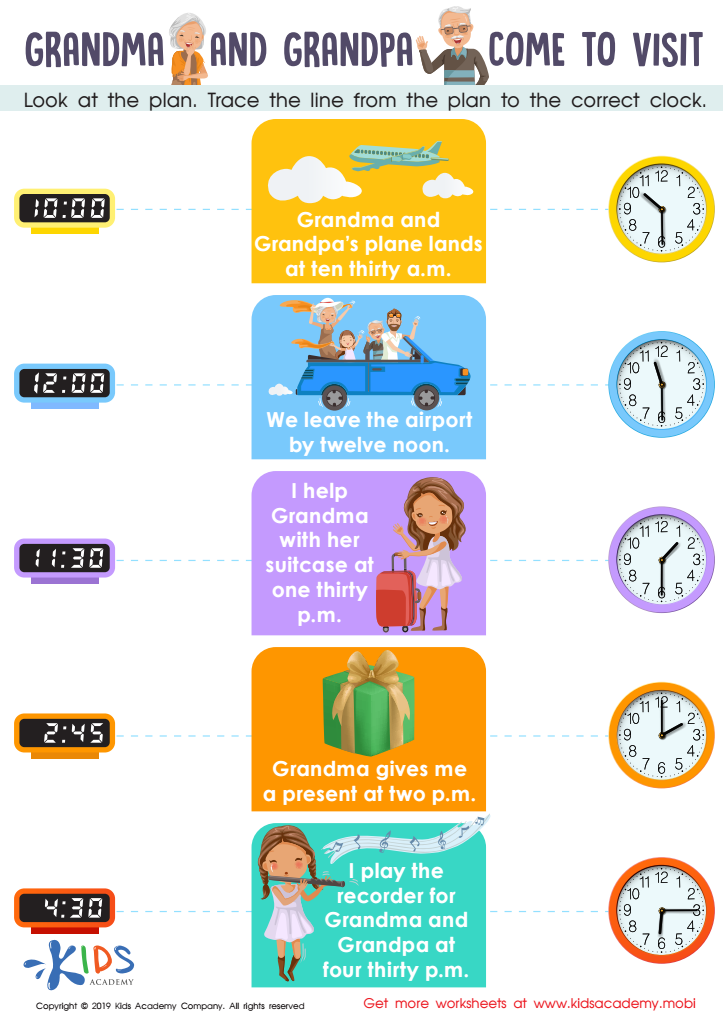
Grandpa and Grandma Come to Visit Worksheet
Have your kids learn about time using this worksheet. It contains pictures, accompanying texts and a clock, which you can use to help them trace the plan. Grandparents' visits and trips to their house are the perfect opportunity to practice this skill. Talk to your kids about the plan and watch them trace it to the correct clock.
 Assign to My Students
Grandpa and Grandma Come to Visit Worksheet
Worksheet
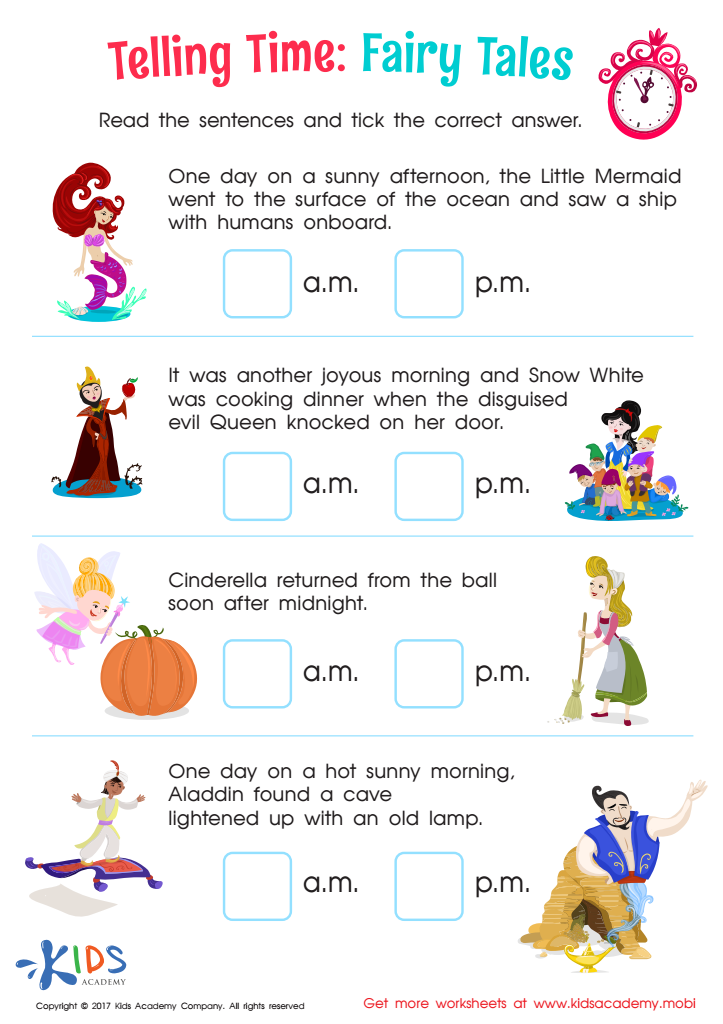
Telling Time: Fairy Tales Worksheet
Bring your child's imagination to life with classic fairy tales! This colorful telling time worksheet has it all: The Little Mermaid, Cinderella, and more! Plus, your child will have fun learning to distinguish a.m. from p.m. with this charming worksheet.
Telling Time: Fairy Tales Worksheet
Worksheet
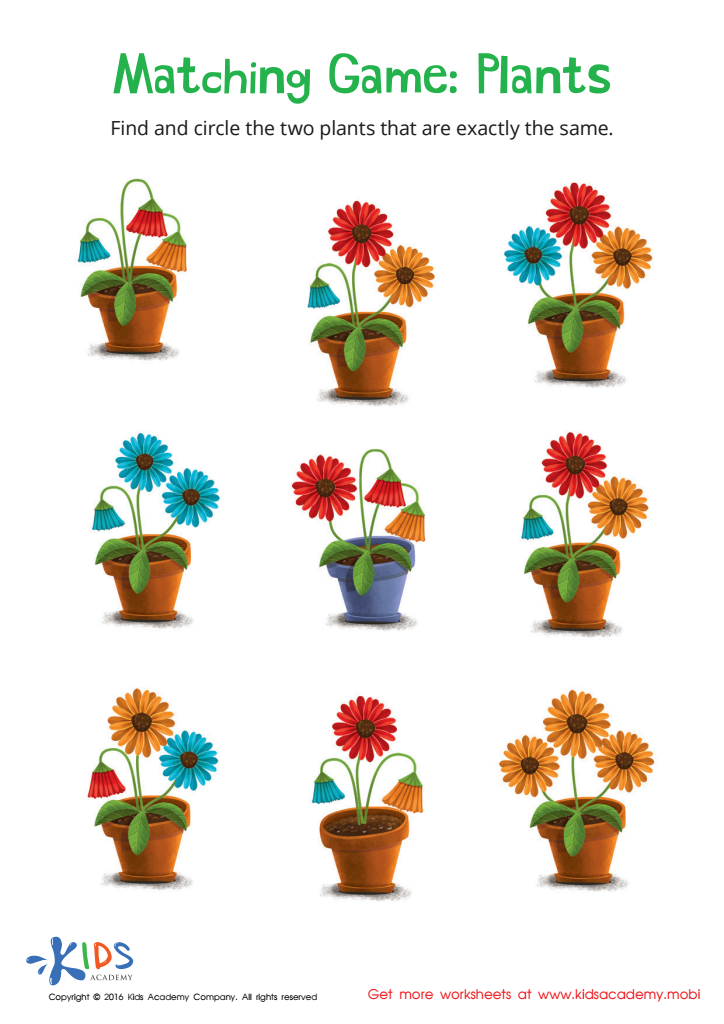
Matching: Plants Worksheet
This worksheet helps your child focus on details to build pattern recognition, problem solving and sorting/matching skills. Your child will enjoy the challenge of searching for similar images that match. Point out how small differences can exist in similar things and excite them with bright pictures and a fun challenge.
Matching: Plants Worksheet
Worksheet
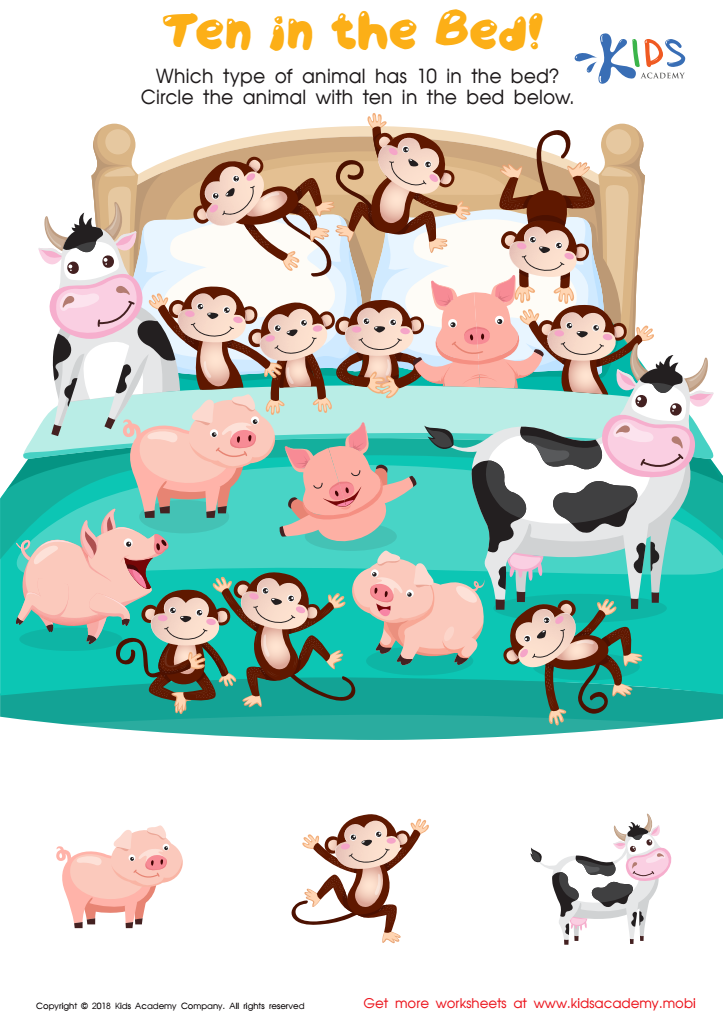
Ten in the Bed Worksheet
This fun worksheet has your kids counting and sorting friendly animal faces in a bed of ten! It's a great way for them to practice their mental math skills, like adding and multiplying more efficiently. Plus, it brings a new meaning to the classic song "Monkeys Jumping on the Bed"!
Ten in the Bed Worksheet
Worksheet
Join Kids Academy for Free
Who is primarily going to use this learning content?


%20(1).jpg)




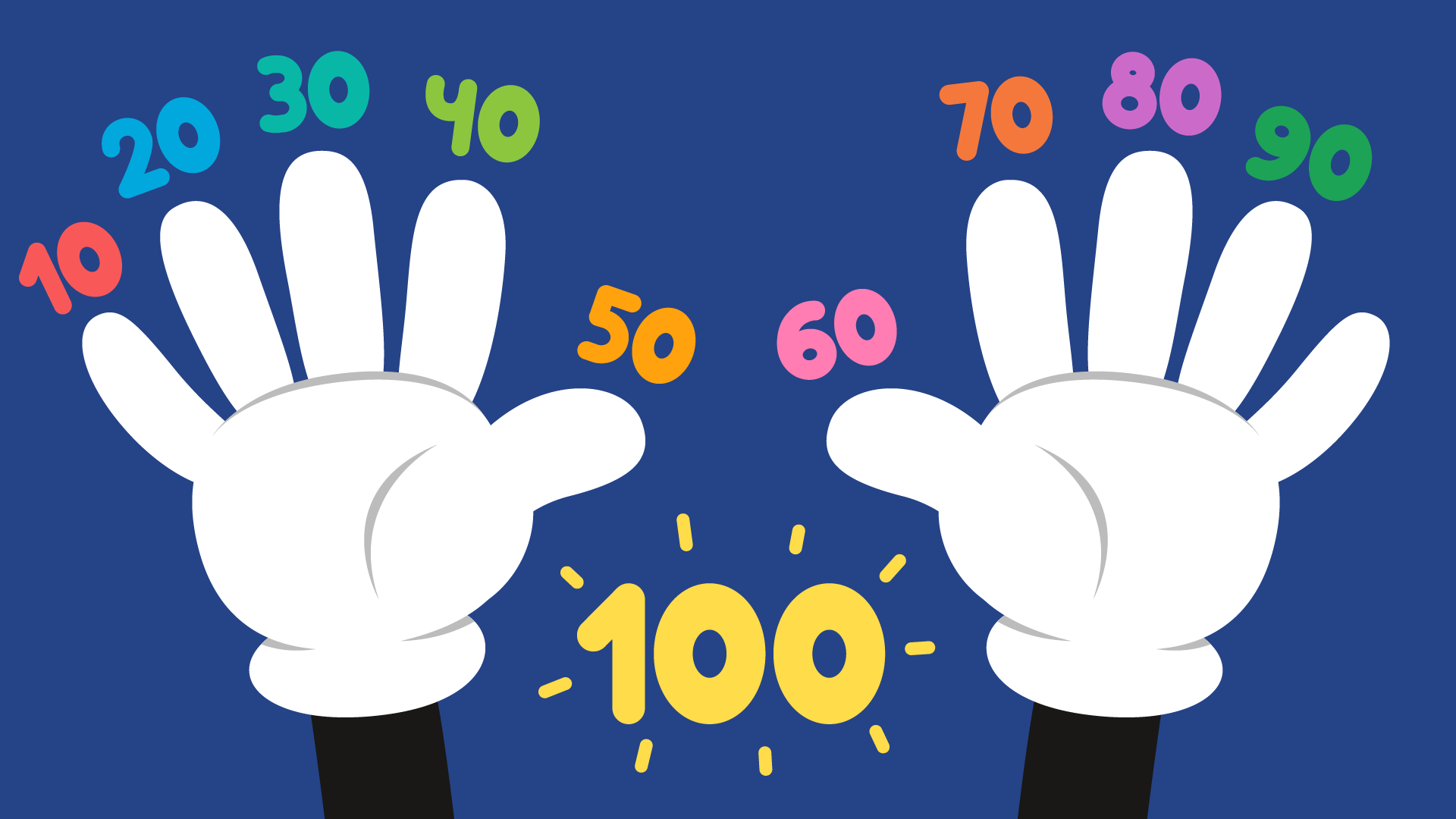
Story sequencing math for ages 4-6 is crucial for early childhood education as it develops both foundational math skills and critical cognitive abilities. At this age, children are naturally curious and enjoy narratives, making story-based learning an effective tool. By integrating math concepts into story sequencing, children learn to recognize patterns, understand order, and establish cause-and-effect relationships.
Additionally, story sequencing fosters language development, as children discuss plots and characters, enhancing their vocabulary and comprehension skills. It also promotes social-emotional learning as children engage with stories that may reflect their own experiences, encouraging empathy and emotional intelligence.
Understanding sequences helps children build essential skills that are applied not only in math but also in reading comprehension and problem-solving across subjects. Parents and teachers who focus on this integrated approach help develop a child's ability to reason and think critically, which are crucial skills for future academic success.
Investing time in story sequencing math activities also makes learning fun, capturing children's interest and encouraging a love for learning. Ultimately, this early engagement with math concepts through storytelling lays a solid foundation for lifelong skills in math and literacy.








