Understanding directions Math Worksheets for Ages 4-6
4 filtered results
-
From - To
Discover our engaging "Understanding Directions Math Worksheets" specially designed for children aged 4-6! These worksheets offer a fun and interactive way for young learners to grasp essential math concepts while enhancing their ability to follow directions. Each activity encourages kids to engage in critical thinking as they solve problems that involve directional words and concepts. Perfect for use at home or in the classroom, our resources promote both mathematical understanding and listening skills. Foster your child's confidence in navigating mathematical tasks with our colorful, child-friendly worksheets that make learning a delightful adventure. Explore now and support your child's early educational journey!
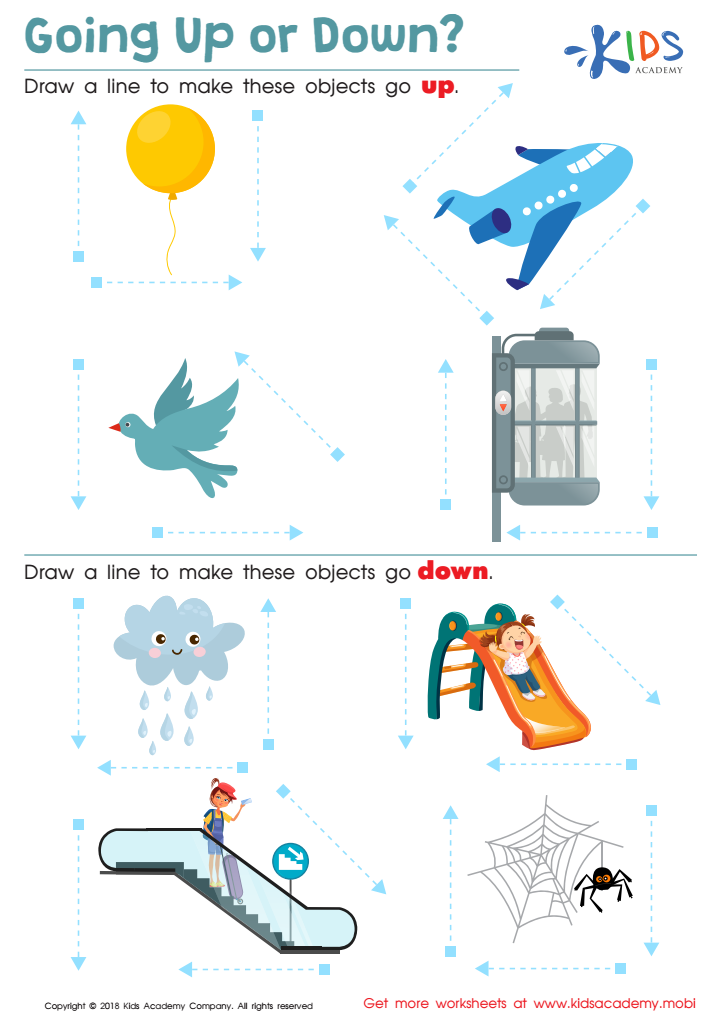
Going up or Down? Worksheet
 Assign to My Students
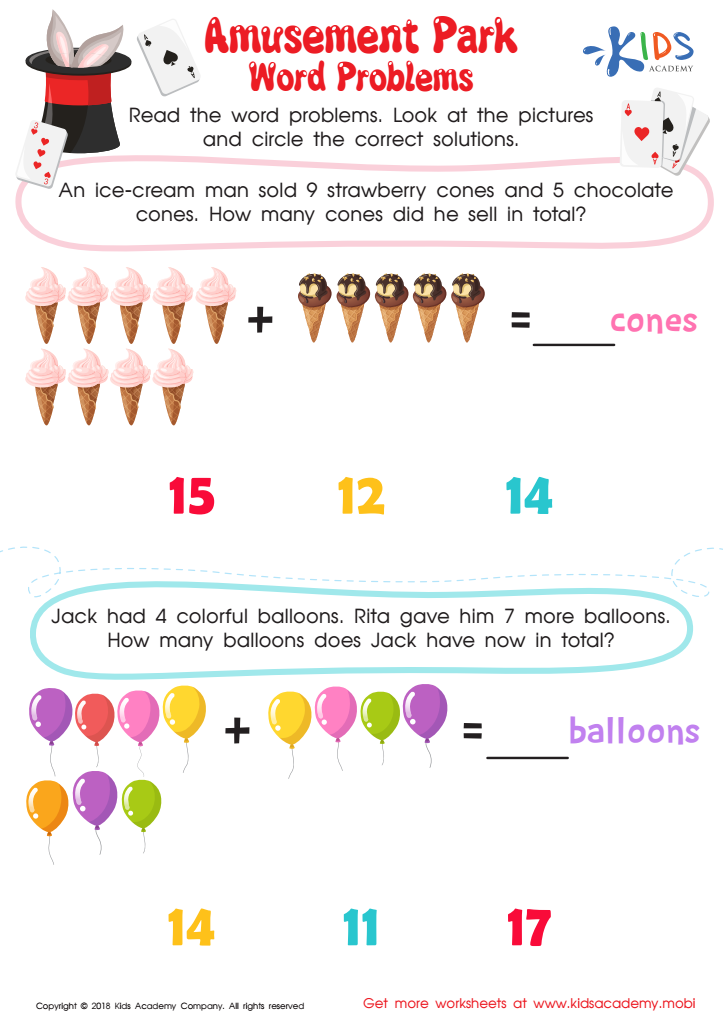
Amusement Park Word Problems Worksheet
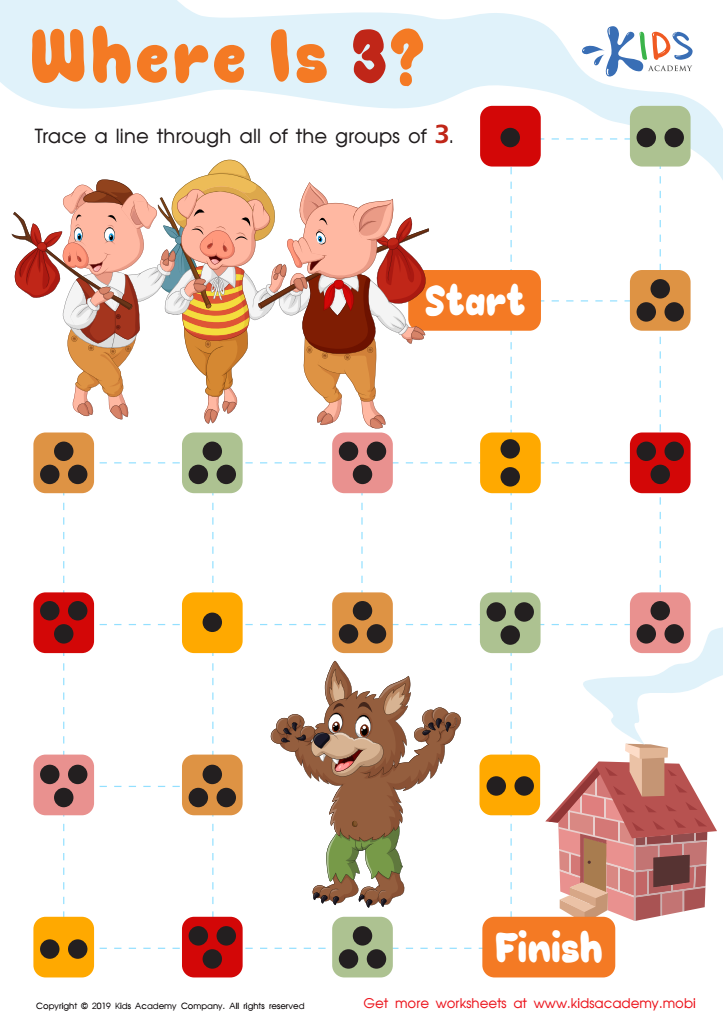
Where Is 3? Worksheet
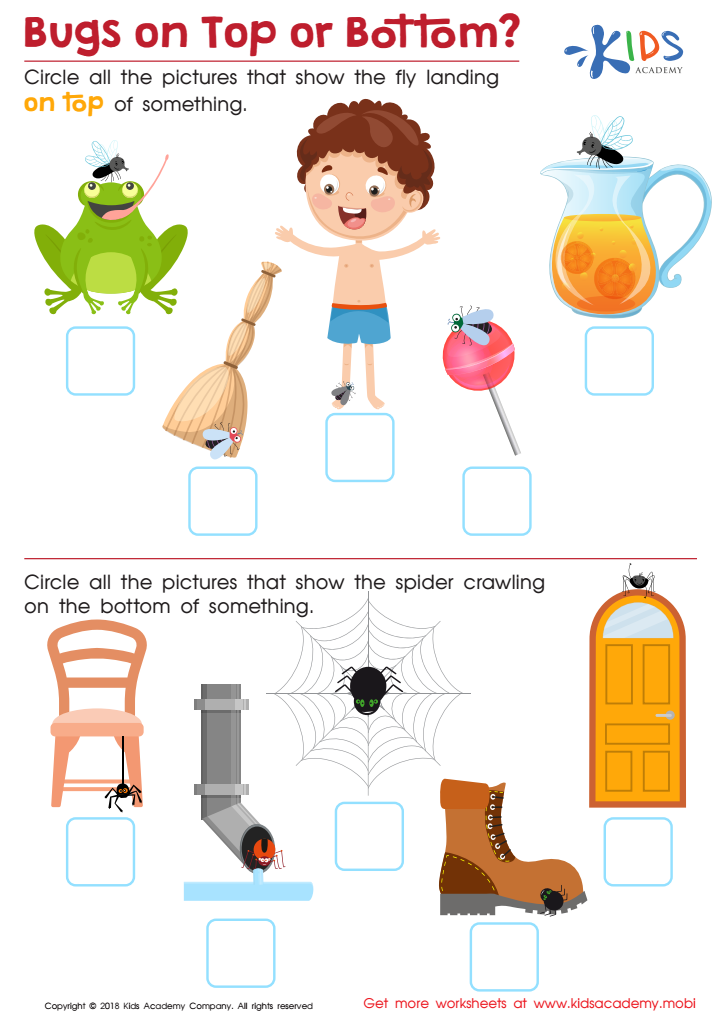
Bugs on Top or Bottom? Worksheet




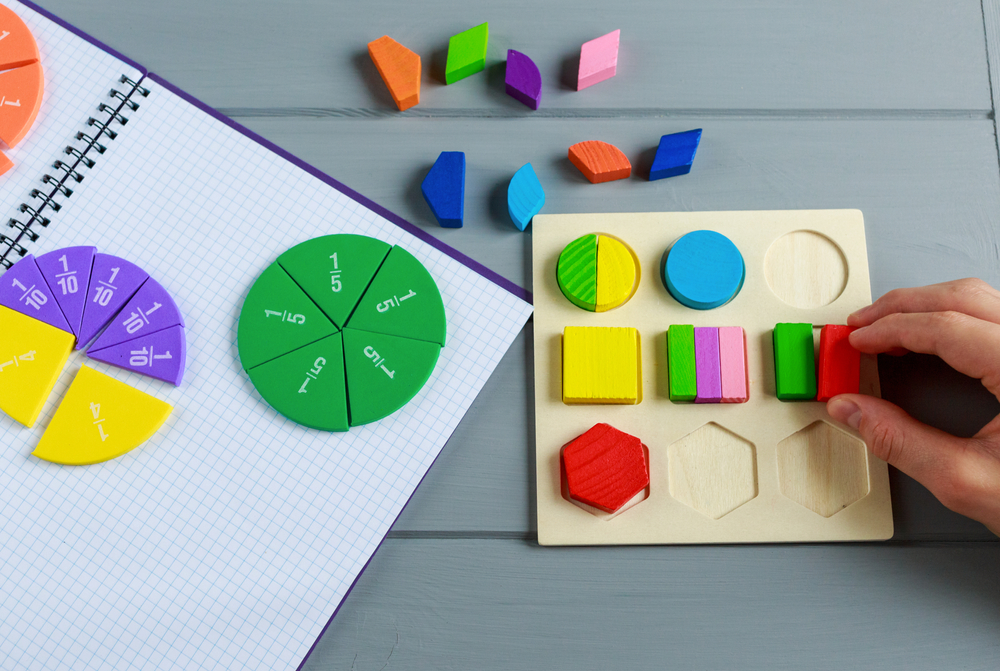



Understanding directions in math for ages 4-6 is crucial as it lays the groundwork for children's overall cognitive development and future academic success. At this stage, children are learning to navigate the world around them, and math plays a vital role in this discovery. When parents and teachers emphasize the understanding of directional concepts—like "above," "below," "left," and "right"—they enable children to grasp spatial relationships, which are essential for problem-solving and critical thinking.
Additionally, these skills help support literacy development, as children learn to follow sequences and instructions, integral in both math and reading. Moreover, math skills at this age contribute to self-confidence and independent learning, key components in early education. Encouraging directional understanding also fosters effective communication skills, as children express their thoughts and follow directions accurately.
By prioritizing math directionality, parents and teachers promote developmental milestones, instill a love for learning, and prepare children for more complex mathematical concepts in later years. This foundational understanding influences not just academic achievement, but also everyday activities, establishing a strong base for a lifetime of learning. Ultimately, caring about this aspect of early education enriches children's lives both in and out of the classroom.








