Vocabulary enhancement Math Worksheets for Ages 4-6 - Page 2
28 filtered results
-
From - To
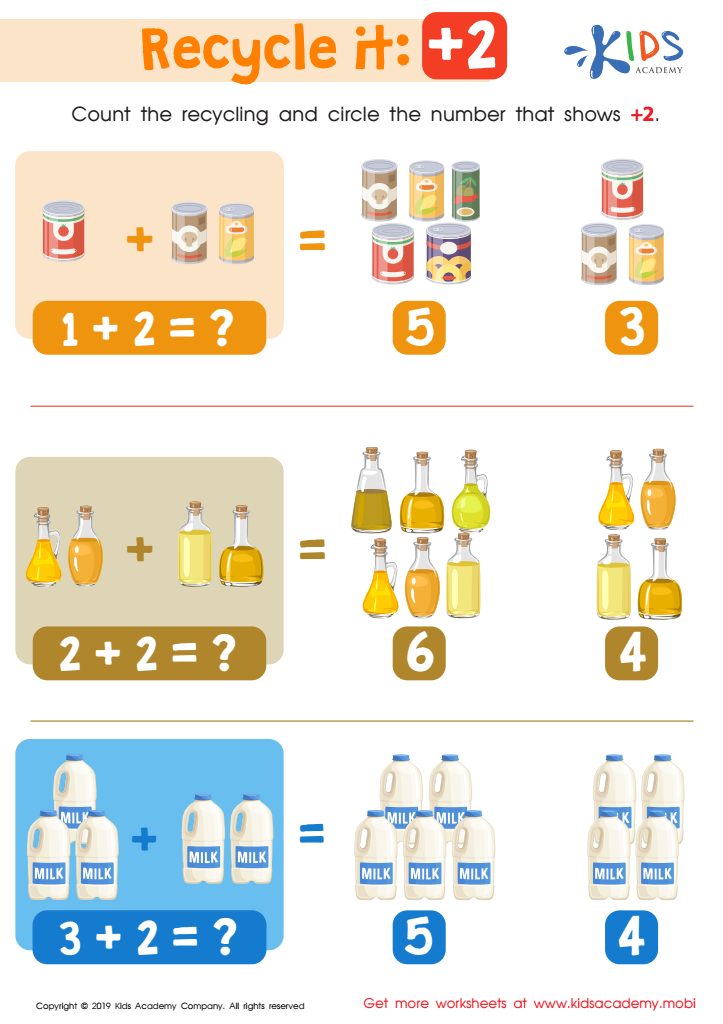
Recycle It: +2 Worksheet
 Assign to My Students
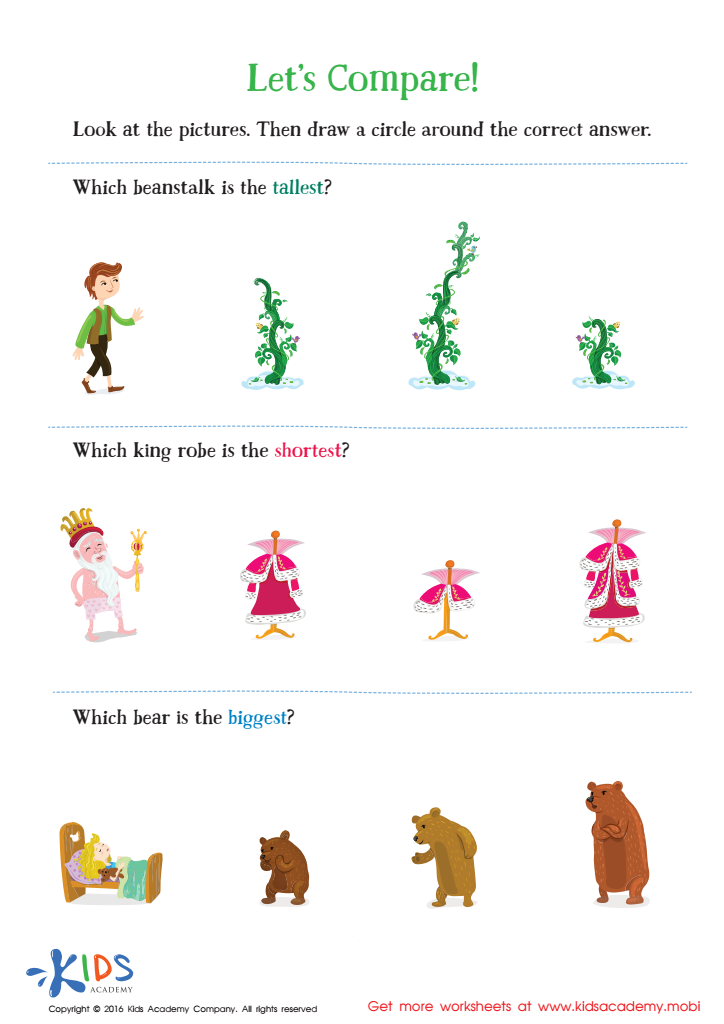
Fairy Tale Worksheet: Let's Compare
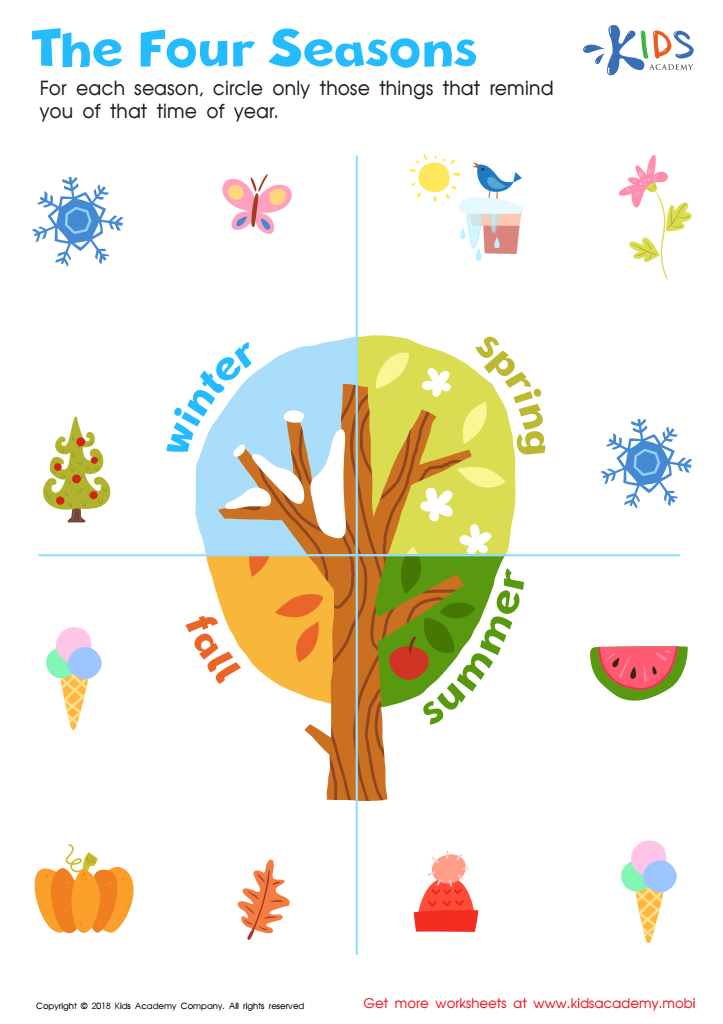
The Four Seasons Worksheet
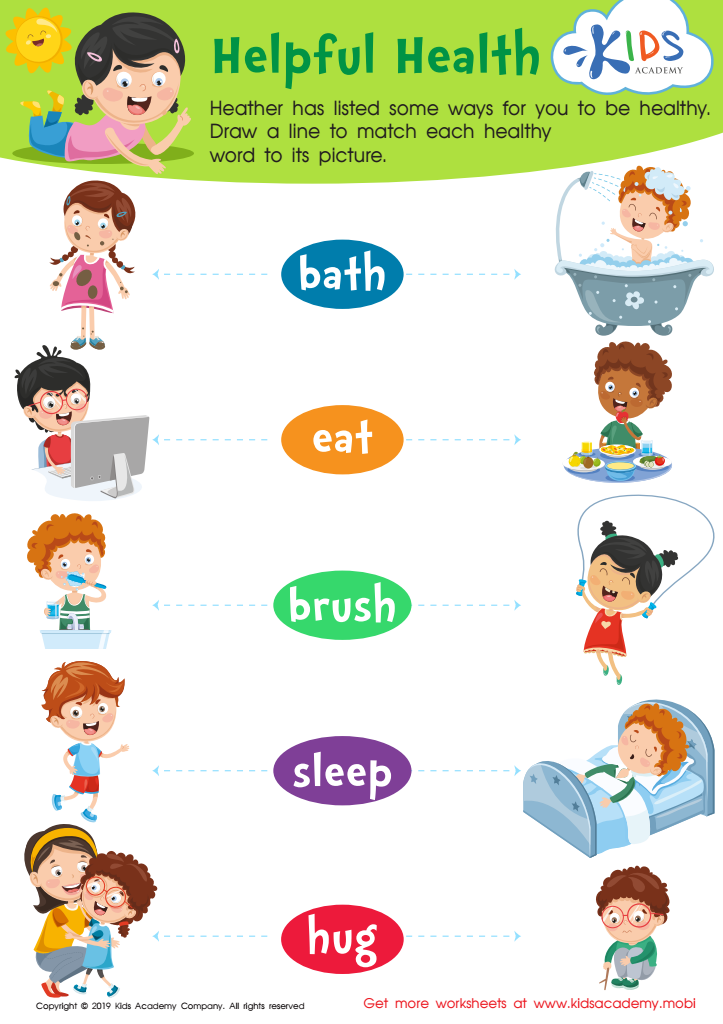
Helpful Health Worksheet








Vocabulary enhancement in math for children aged 4-6 is crucial as it lays the foundation for both mathematical understanding and overall literacy skills. During these formative years, children are beginning to grasp basic mathematical concepts such as counting, addition, and shapes. By infusing rich vocabulary in these lessons, parents and teachers foster a deeper understanding of mathematical language and concepts.
Introducing vocabulary such as “more,” “less,” “add,” “subtract,” and descriptive words for shapes helps children articulate their thoughts and observations. This not only aids in their ability to solve problems but also strengthens their communication skills. When children can express their reasoning, they build confidence, critical thinking, and problem-solving skills.
Moreover, enhancing vocabulary within a math context supports vocabulary acquisition in general. As children learn to describe quantities and patterns, they are simultaneously improving their overall language development, which is essential for reading and writing success later on.
Lastly, engaging children in mathematical vocabulary enriches their learning experience, making math more relatable and understandable. It boosts their enthusiasm for learning, setting a positive tone for future education. Involving parents in these activities can also strengthen the home-school connection essential for holistic learning.








