Basic Math Skills Matching Worksheets for Ages 4-6
5 filtered results
-
From - To
Unlock your child's potential with our engaging Basic Math Skills Matching Worksheets designed for ages 4-6. These interactive resources help young learners develop foundational math concepts through fun matching activities. Each worksheet focuses on essential skills like number recognition, counting, and simple addition, making learning both enjoyable and effective. Perfect for parents and educators, our printable worksheets encourage hands-on practice and critical thinking. Boost your child’s confidence in math while enhancing their analytical skills in a playful way. Start their mathematical journey today with our colorful, child-friendly designs that will captivate their interest and foster a love for learning!
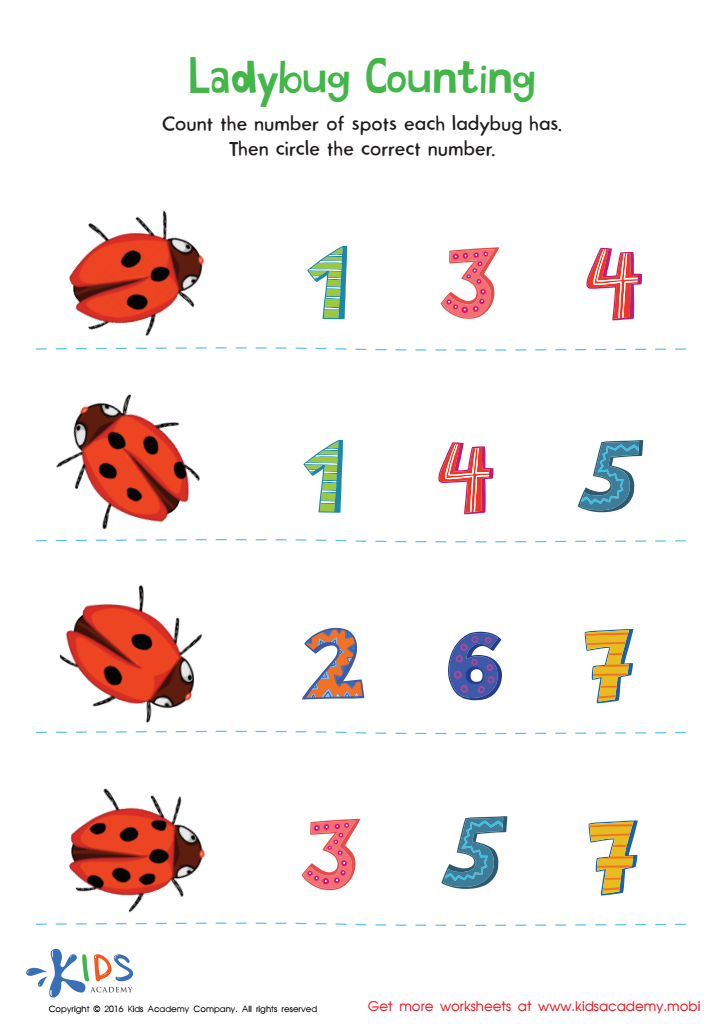
 Assign to My Students
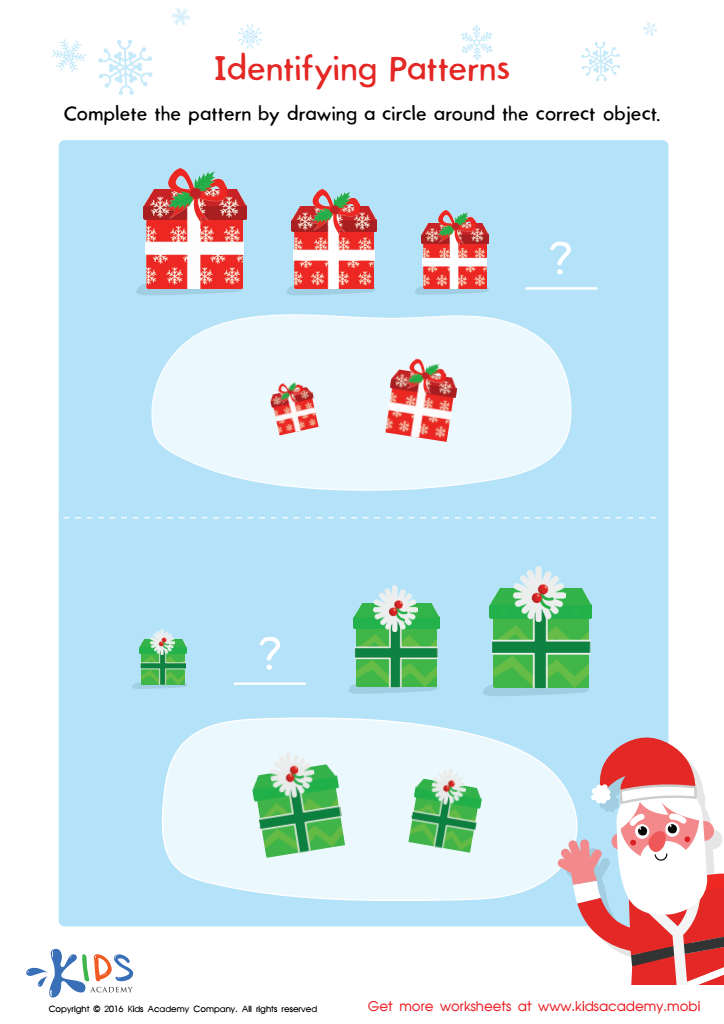
Identifying Patterns Worksheet
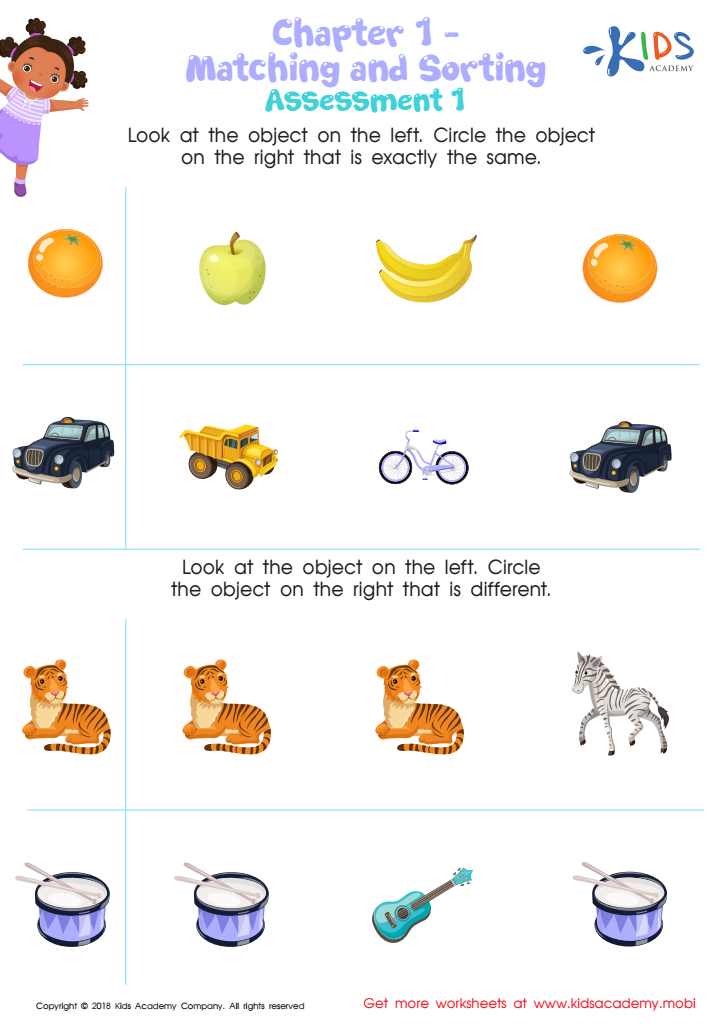
Matching and Sorting for Preschool: Assessment 1 Worksheet
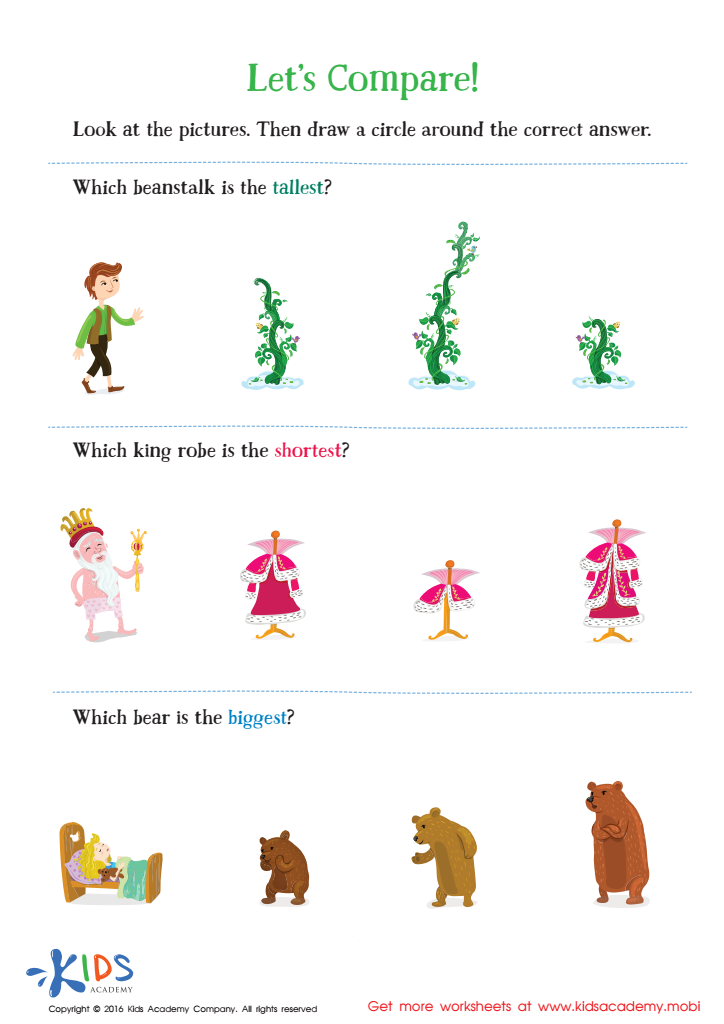
Fairy Tale Worksheet: Let's Compare
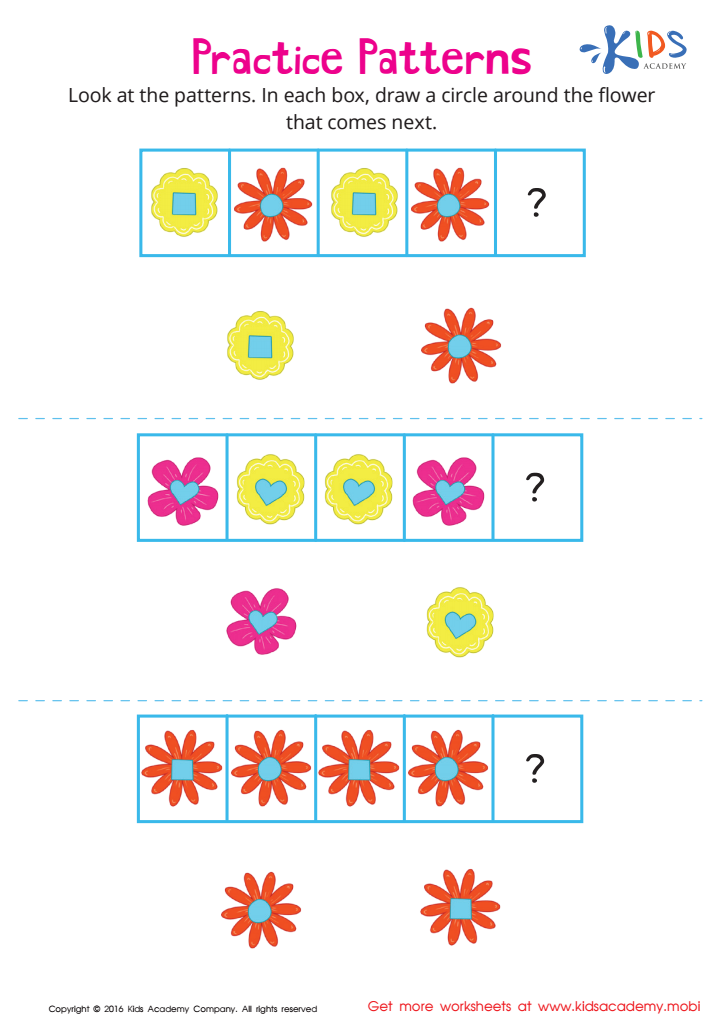



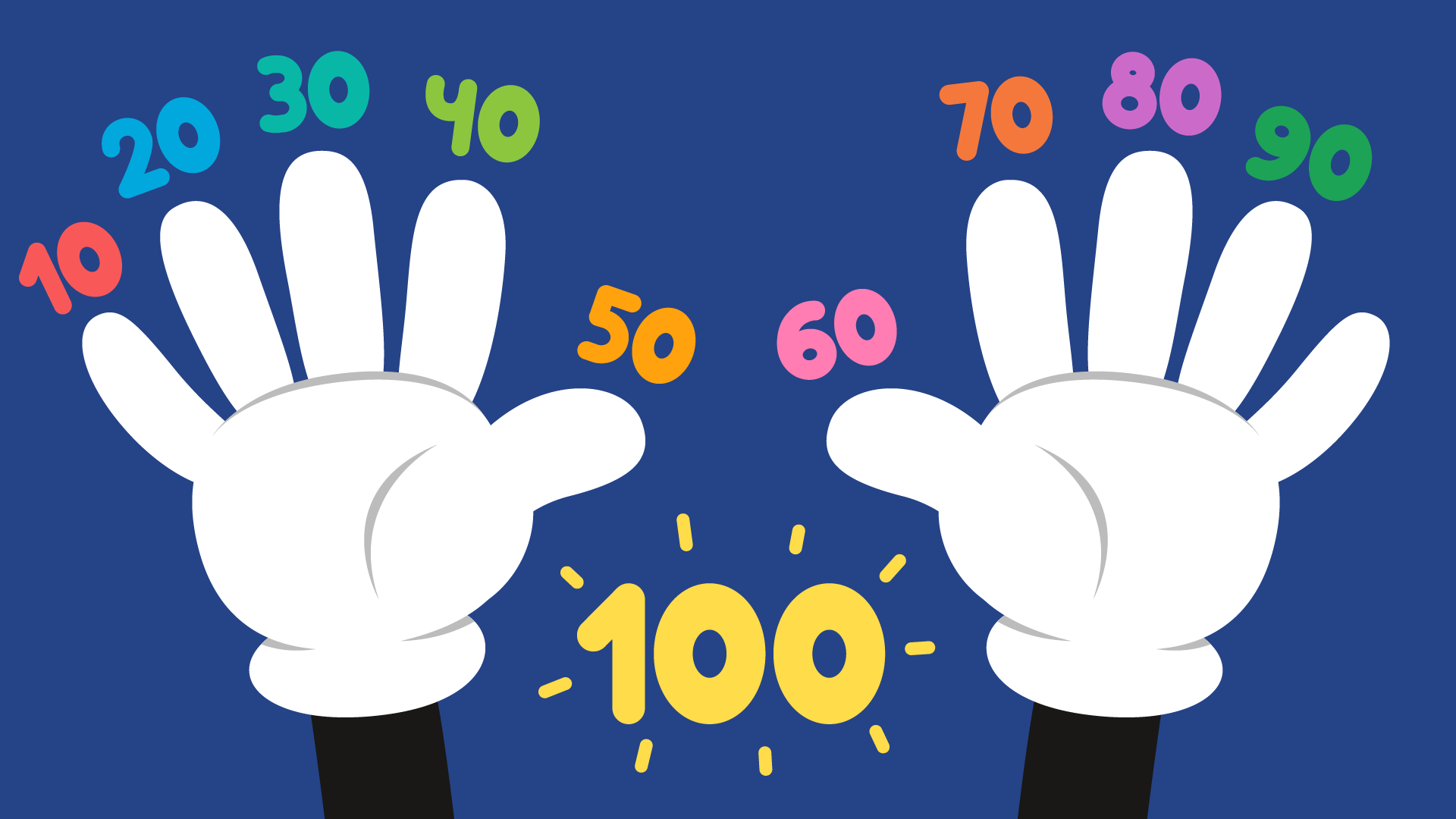




Basic math skills are foundational for children's cognitive development and future academic success. For children aged 4 to 6, mastering these skills is crucial, as it enhances their problem-solving abilities, logical reasoning, and critical thinking. Early math experiences help children understand concepts such as counting, number recognition, patterns, and simple addition and subtraction. Engaging in math during these formative years lays the groundwork for more complex mathematical concepts in later grades.
Parents and teachers should prioritize math skill matching in this age group because it encourages a fun and interactive learning environment. Games and activities focused on matching numbers and quantities promote engagement, making learning enjoyable. This active participation can help combat math anxiety, which often begins early in a child's educational journey.
Moreover, collaborating on these skills fosters valuable parent-child or teacher-student relationships. It provides opportunities for communication and support, nurturing a child's confidence. Teachers can implement strategies within the classroom, while parents can reinforce these skills at home, ensuring a consistent learning approach. Ultimately, developing strong basic math skills in young children not only supports their academic paths but also plays a significant role in their overall development and future success in all areas of life.








