
Basic Math Skills Reading Worksheets for Ages 4-6
14 filtered results
Difficulty Level
Grade
Age
-
From - To
Subject
Activity
Standards
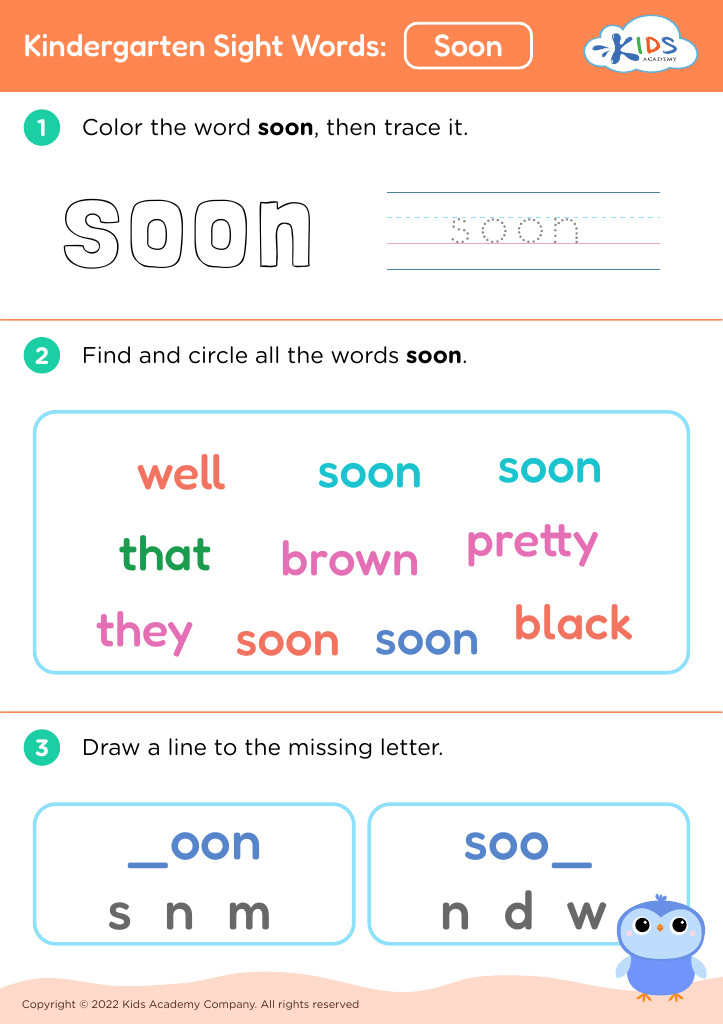
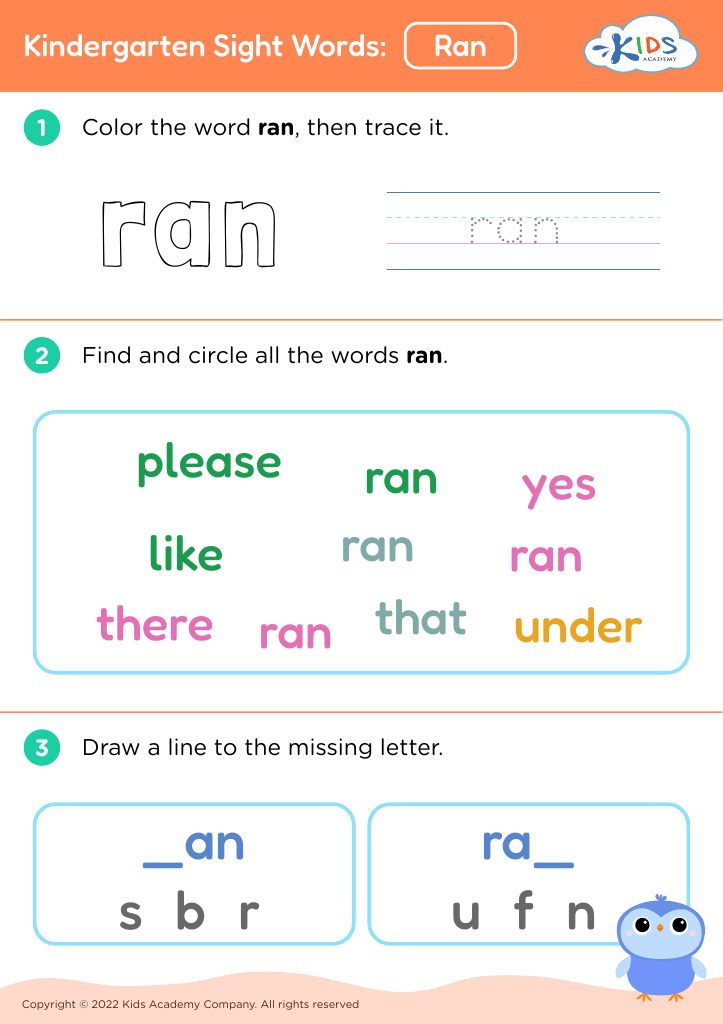
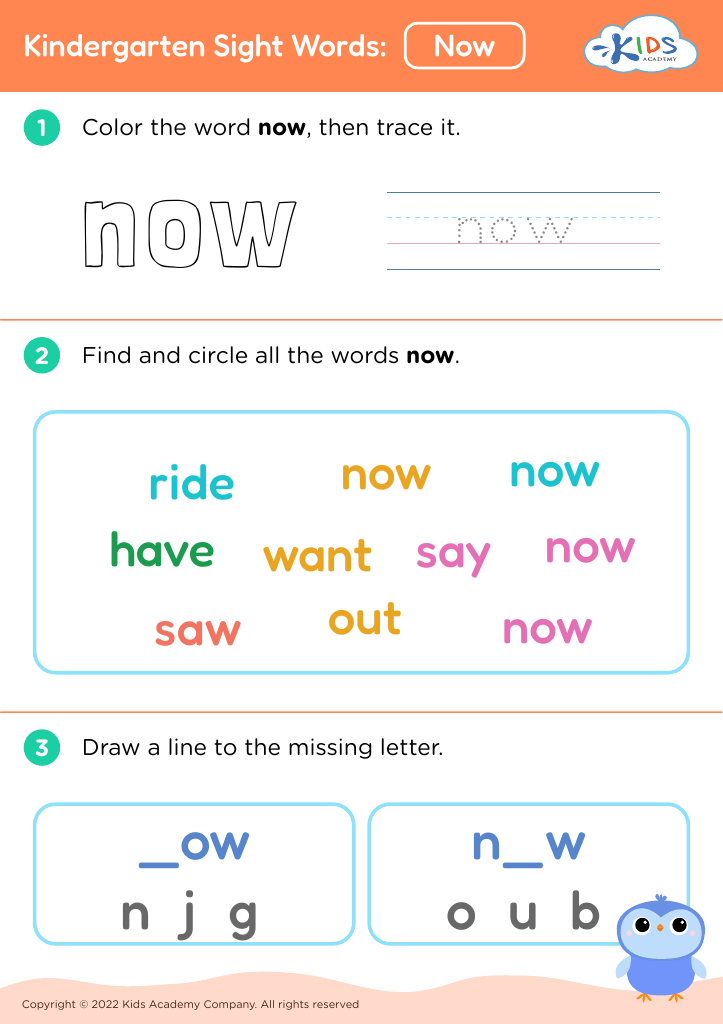
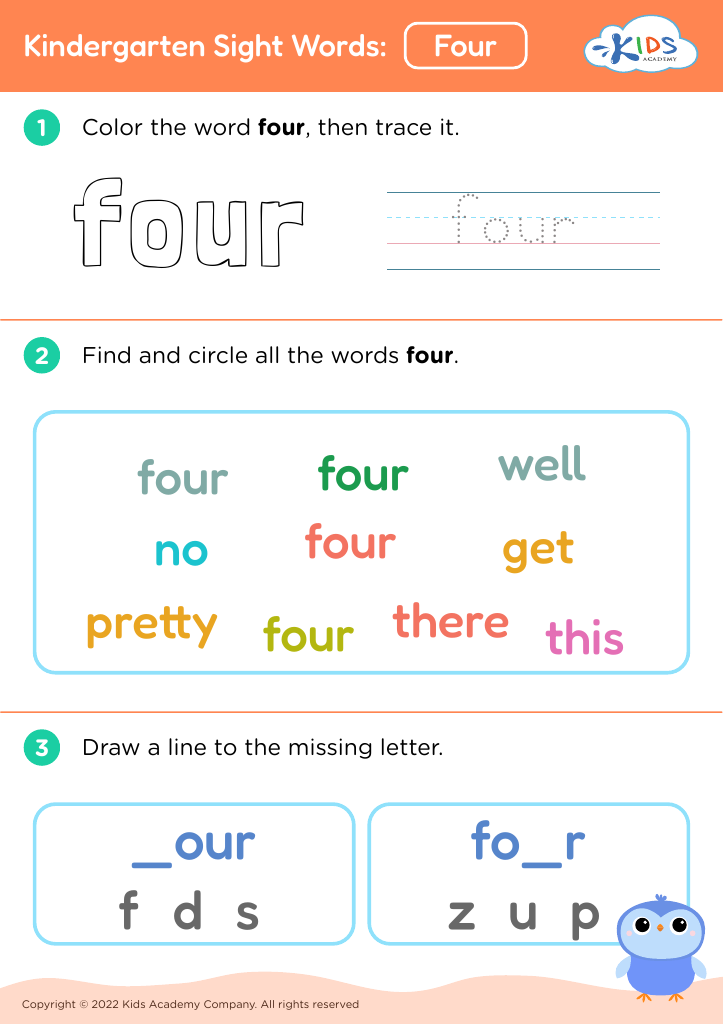
Discover our engaging Basic Math Skills Reading Worksheets designed for ages 4-6! These printable resources help young learners develop essential math concepts through fun and interactive activities. Children will explore numbers, counting, simple addition and subtraction, as well as recognizing patterns. Each worksheet provides clear instructions and colorful visuals to capture their interest and enhance comprehension. Perfect for both home and classroom use, our worksheets foster a love for learning while building a solid foundation in basic math skills. Start your child's mathematical journey today with our specially crafted resources that make learning enjoyable and effective!
Favorites
With answer key
Interactive
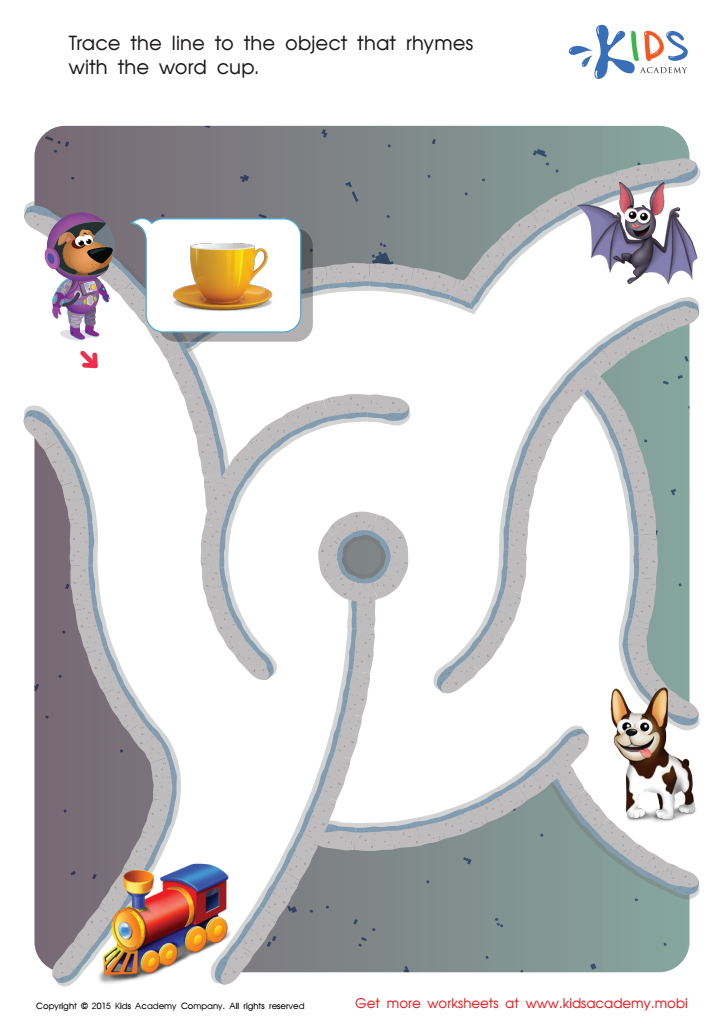
Cup Rhyming Words Worksheet
Kids Academy offers funny worksheets to help kids practice their vocabulary. Try the new one with the dog, matching objects to their rhyming words! Explore more activities and worksheets to learn English Language words and phrases.
 Assign to My Students
Cup Rhyming Words Worksheet
Worksheet
Join Kids Academy for Free
Who is primarily going to use this learning content?








Developing basic math skills and reading comprehension for children aged 4-6 is crucial for multiple reasons. First, these foundational skills provide the building blocks for future academic success. At this age, children are highly receptive to learning, and early exposure to math and reading lays the groundwork for higher-level concepts in both subjects.
Basic math skills, such as counting and recognizing shapes, help children develop critical thinking and problem-solving abilities. Likewise, early reading and literacy skills foster imagination, enhance vocabulary, and improve communication. When children learn to recognize letters, sounds, and simple words, they not only boost their comprehension but also cultivate a love for reading.
Furthermore, engaging parents in teaching these skills supports the development of a nurturing home environment that encourages learning. Positive interactions while exploring math and reading provide emotional support, strengthen bonds, and build a child’s confidence.
Overall, emphasizing basic math and reading skills in early education shapes well-rounded individuals equipped to tackle academic challenges, develop essential life skills, and engage effectively with the world around them. Thus, both parents and teachers play vital roles in fostering this essential growth and enrichment during these critical early years.








