Critical thinking skills Reading Worksheets for Ages 4-6
4 filtered results
-
From - To
Enhance your child's reading experience with our engaging Critical Thinking Skills Reading Worksheets designed specifically for ages 4-6. These worksheets foster essential analytical skills, encouraging young learners to think deeply about the stories they read. With colorful illustrations and interactive activities, your child will improve comprehension, make inferences, and develop reasoning abilities through fun exercises. Each worksheet targets key cognitive skills, promoting creative thinking and problem-solving while making reading enjoyable. Perfect for home or classroom use, our materials empower children to explore, question, and understand the world around them. Start nurturing critical thinkers today with our exciting resources!
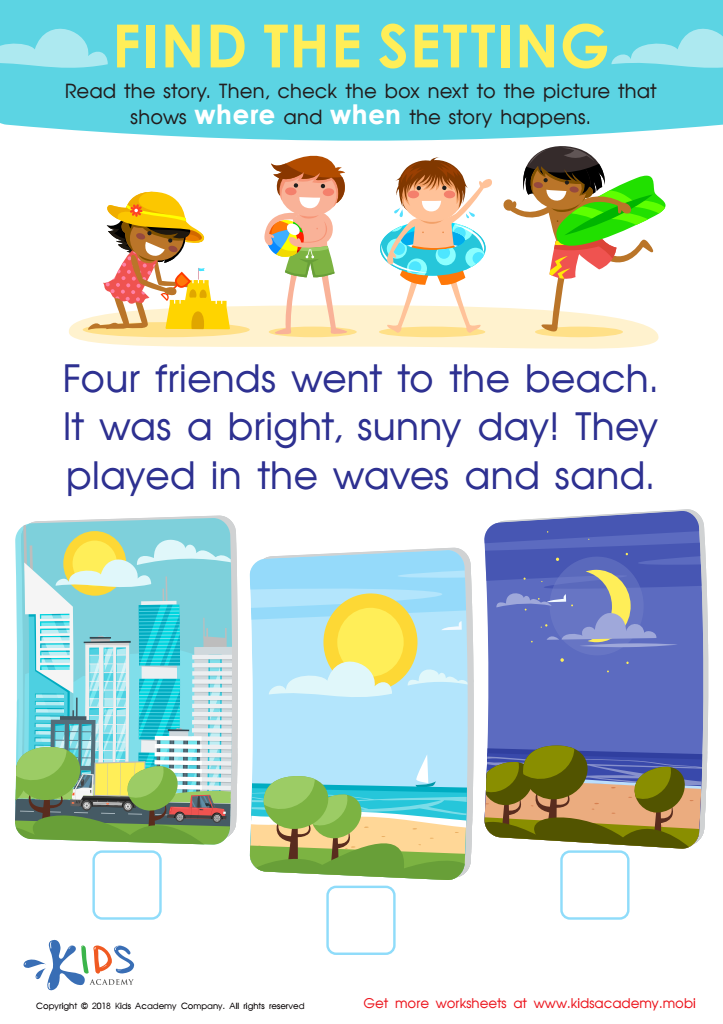
Find the Setting Worksheet
 Assign to My Students
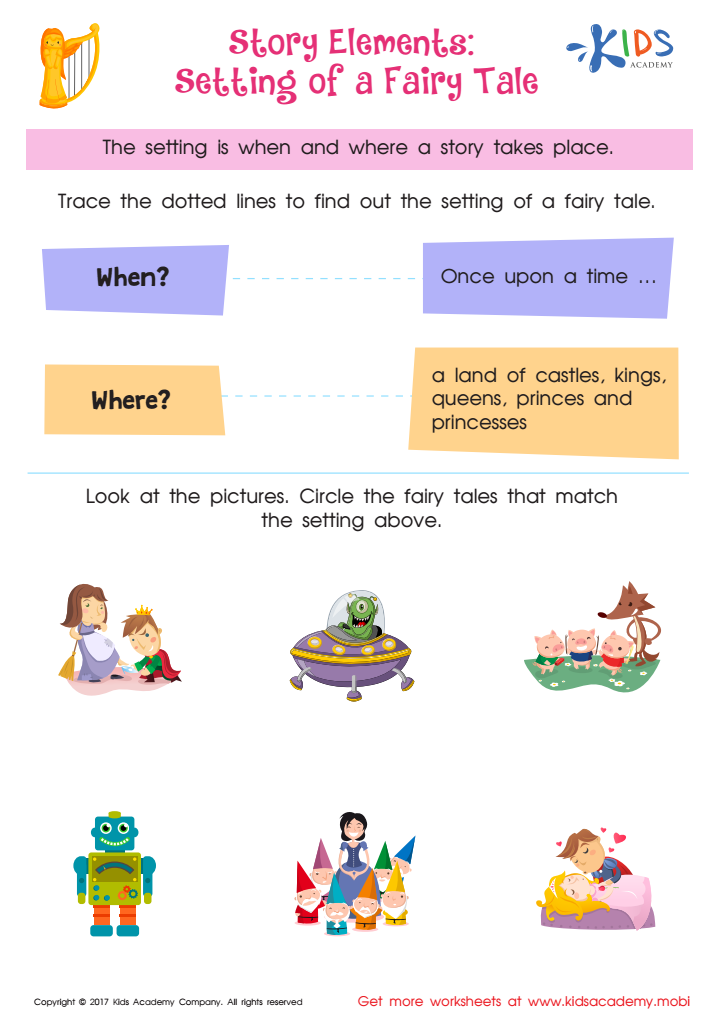
Story Elements: Setting of a Fairy Tale Printable






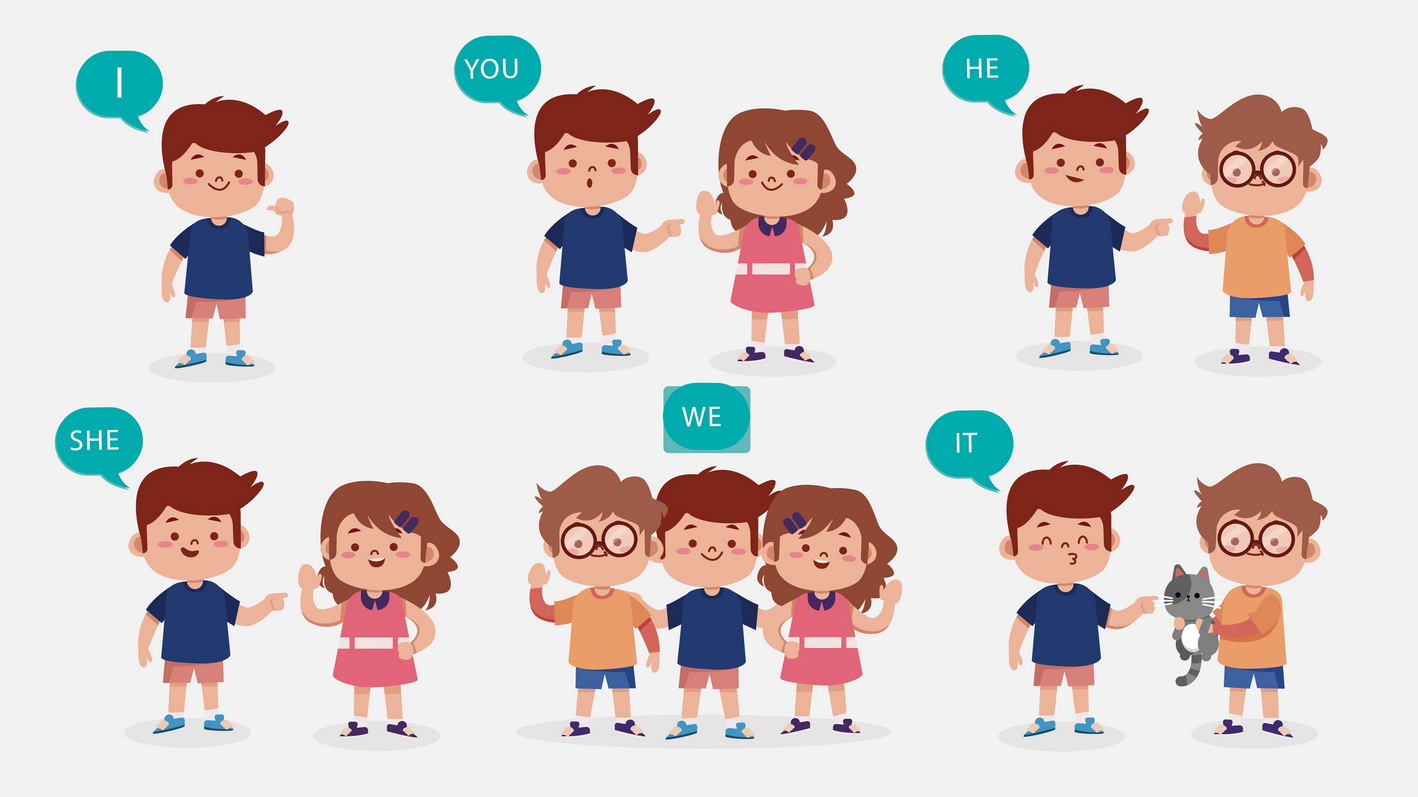

Critical thinking skills are essential for children aged 4-6, as they serve as a foundation for lifelong learning and effective problem-solving. During these formative years, children are naturally curious and eager to explore their environment. By fostering critical thinking skills through reading, parents and teachers can cultivate this curiosity into a more structured form of inquiry.
Reading not only exposes children to new vocabulary and concepts but also encourages them to reflect on what they have read. As they engage with stories, they learn to analyze characters' motivations, predict outcomes, and evaluate the resolution of conflicts. These activities enhance comprehension and stimulate cognitive processes.
Moreover, critical thinking in reading helps children to form opinions and reasoning skills at an early age. This is vital for their social interactions, as they begin to understand different perspectives and develop empathy.
Additionally, these skills set the stage for academic success in later years. By prioritizing reading and critical thinking skills, parents and teachers can equip children with the tools needed to navigate complex concepts, make informed decisions, and excel in an increasingly information-driven society. Investing in these skills early fosters independence, creativity, and resilience—attributes vital for future challenges.








