Critical Thinking Reading Worksheets for Ages 4-6 - Page 2
43 filtered results
-
From - To
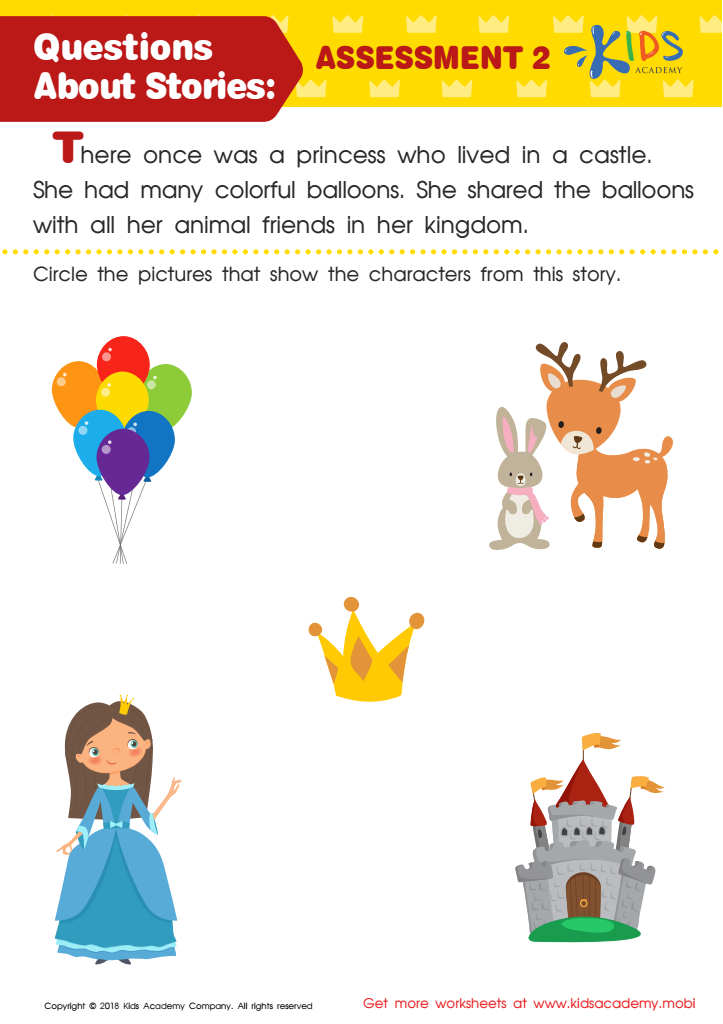
Questions About Stories: Assessment 2 Worksheet
 Assign to My Students
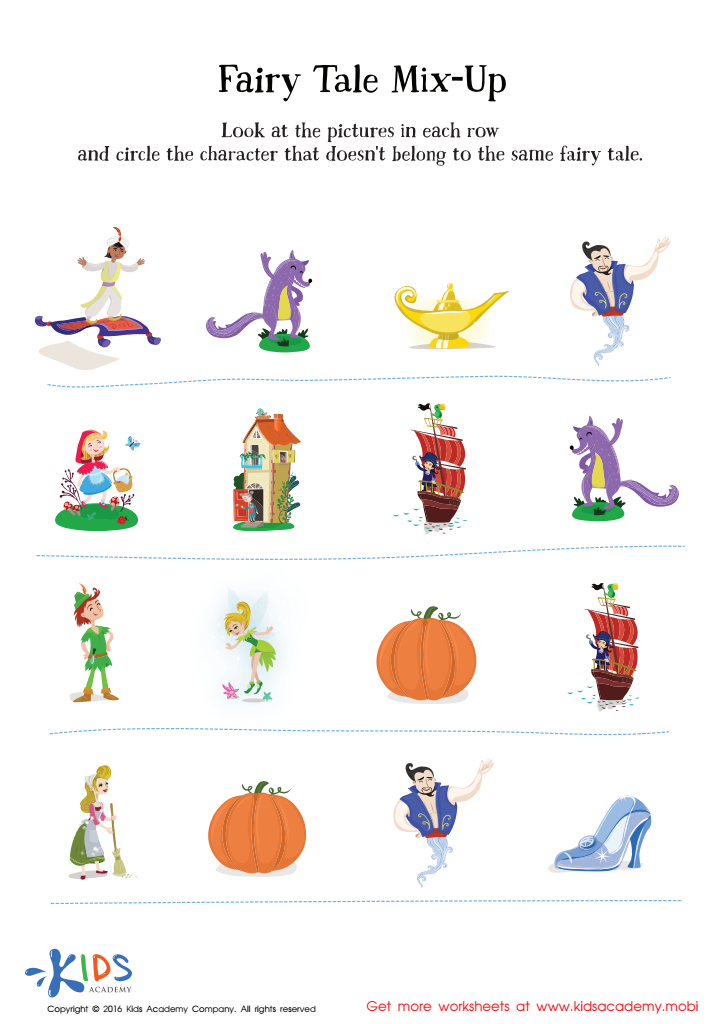
Fairy Tale Worksheet: Story Mix Up
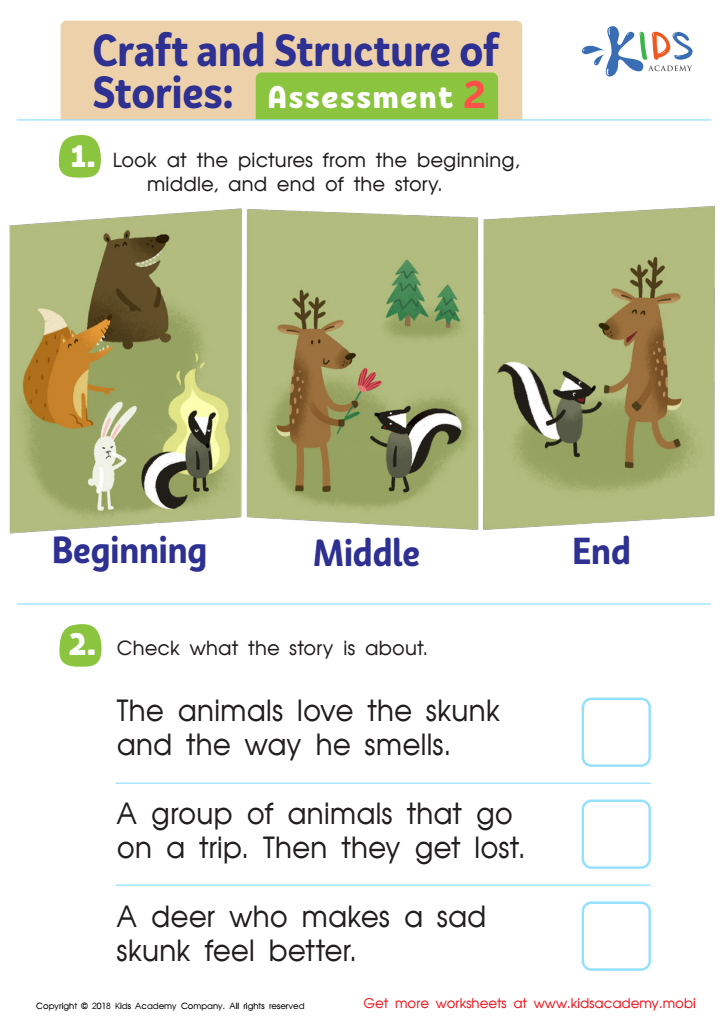
Craft and Structure of Stories: Assessment 2 Worksheet
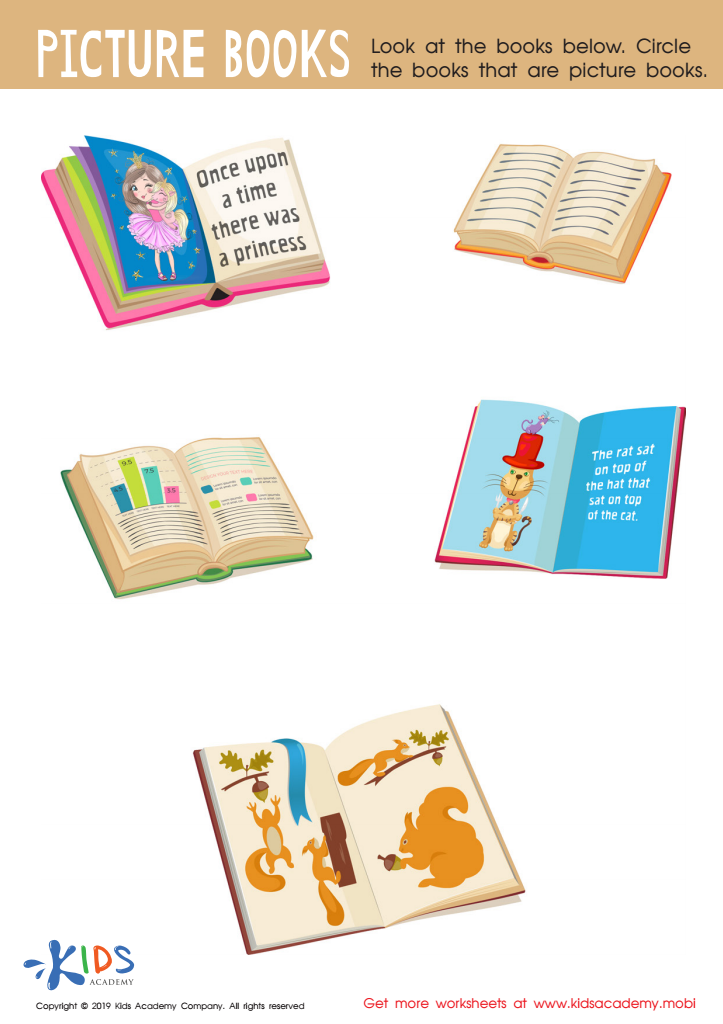
Picture Books Worksheet
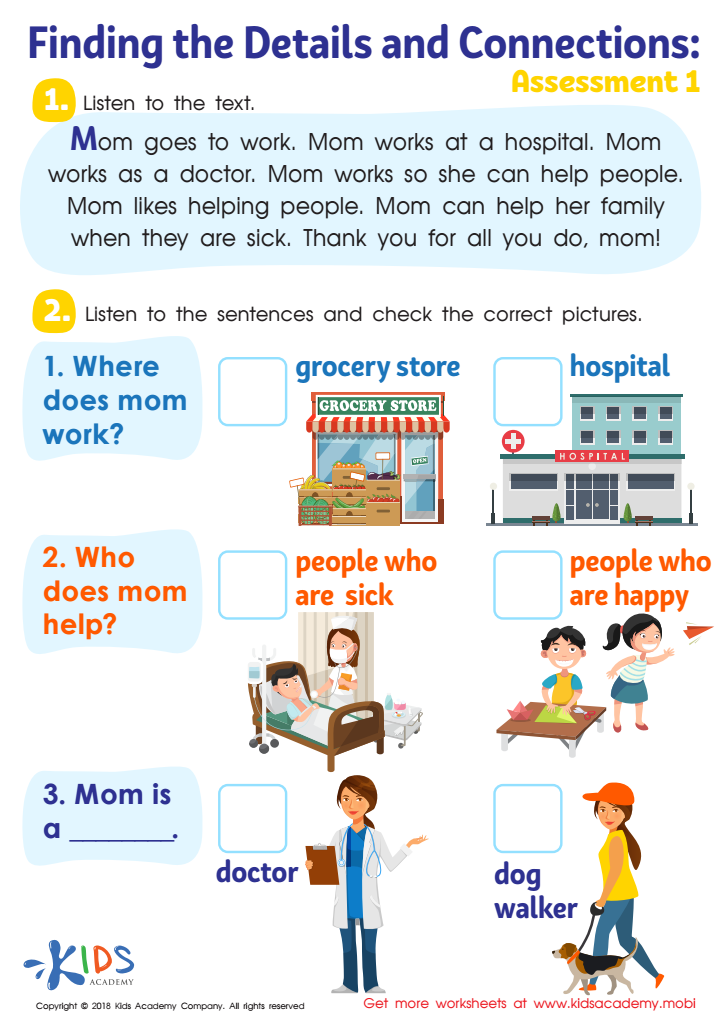
Finding the Details and Connections: Assessment 1 Worksheet
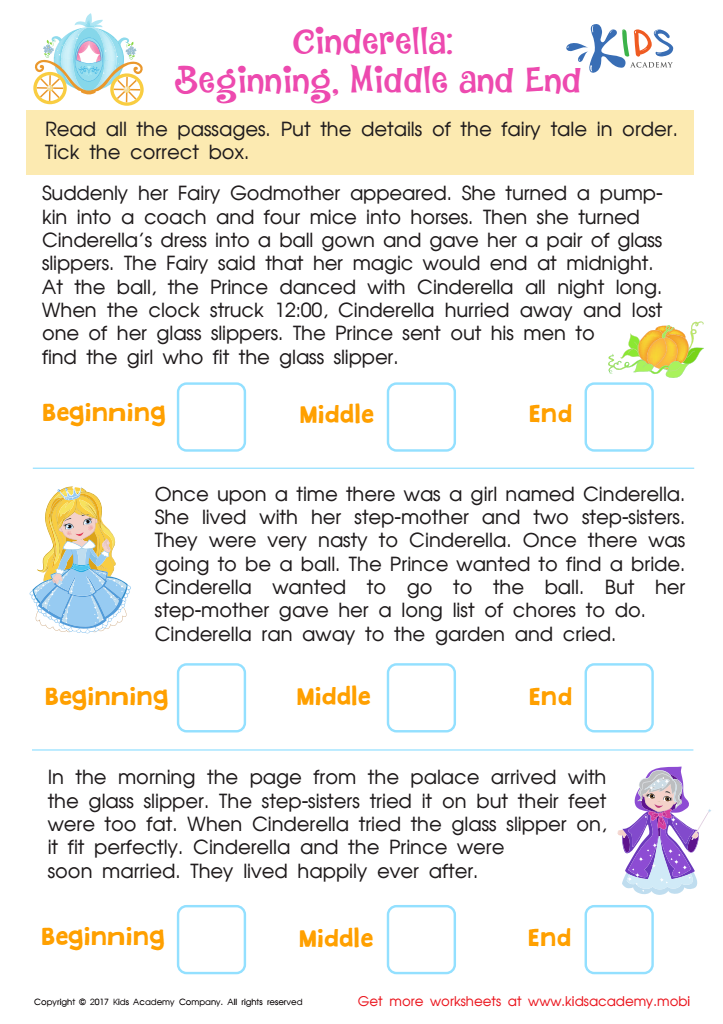
Cinderella: Beginning, Middle and End Worksheet
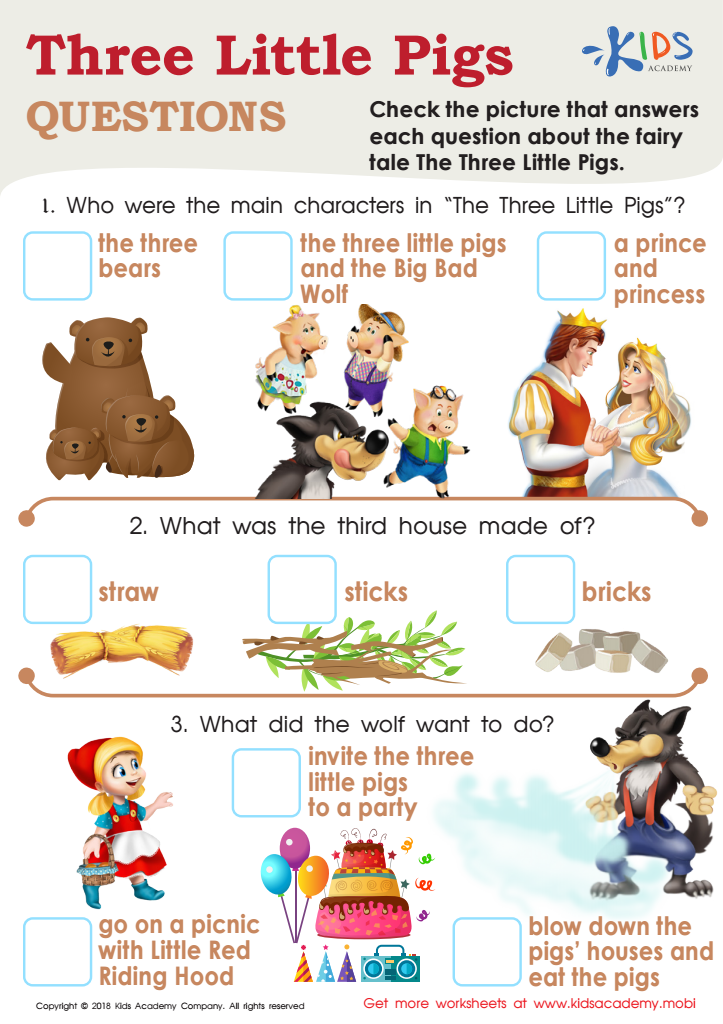
Three Little Pigs Questions Worksheet
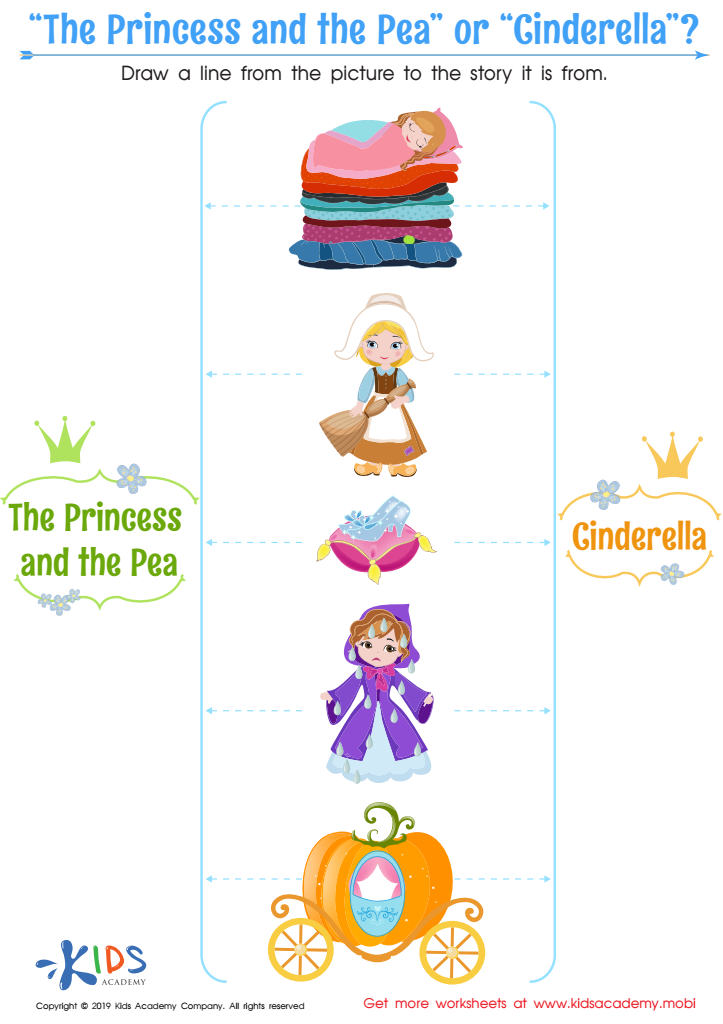
“The Princess and the Pea” or “Cinderella” Worksheet
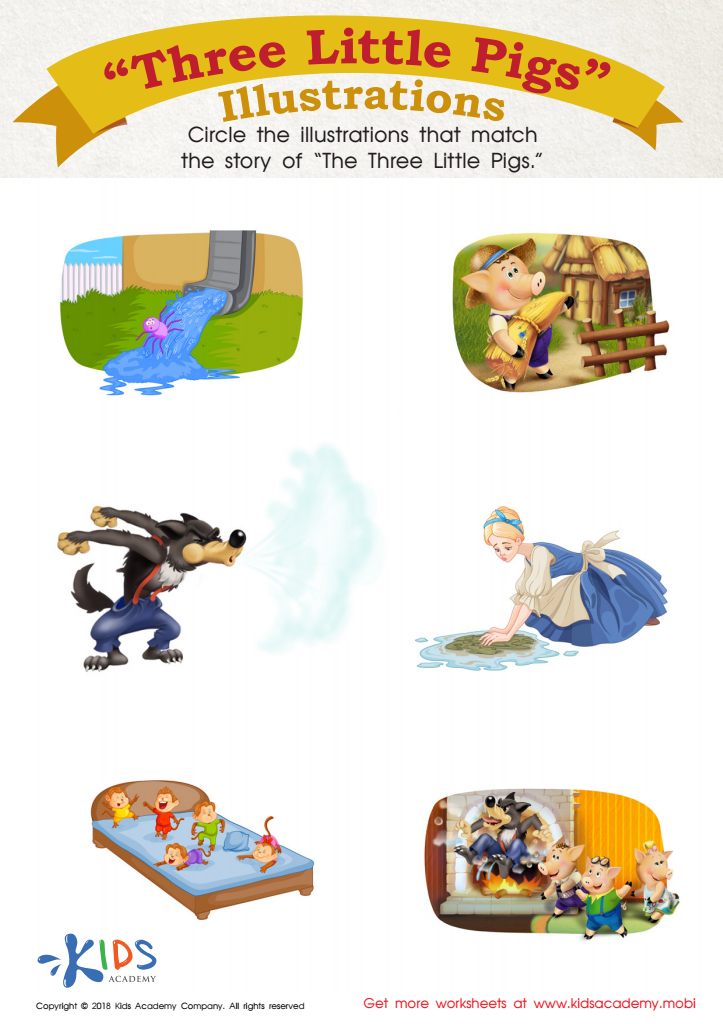
Three Little Pigs: Illustrations Worksheet
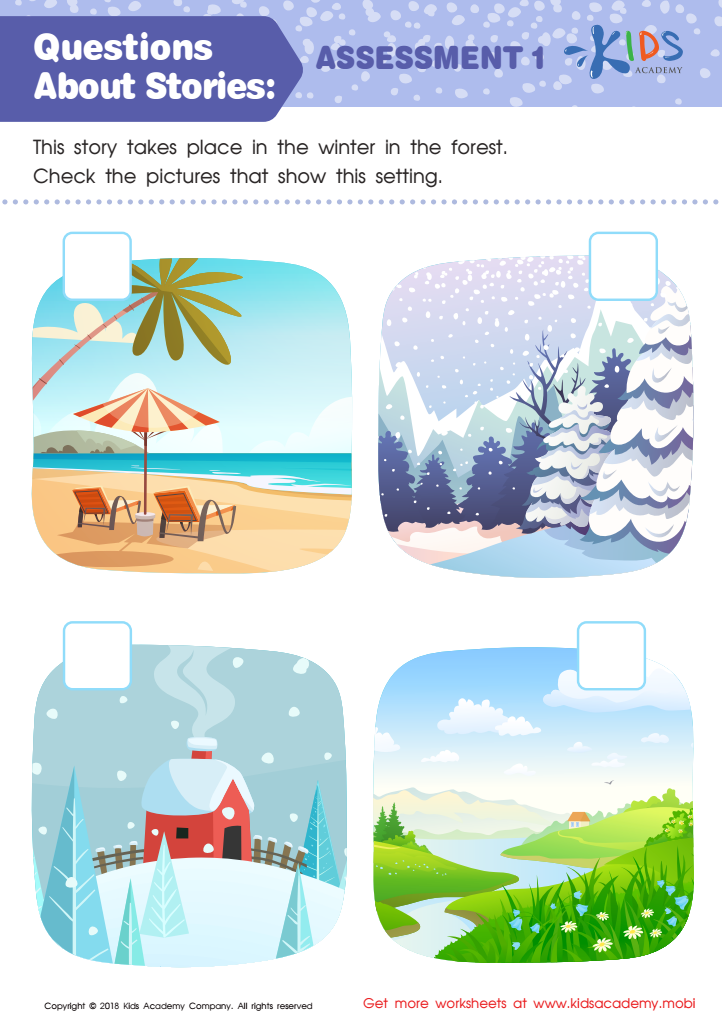
Questions About Stories: Assessment 1 Worksheet
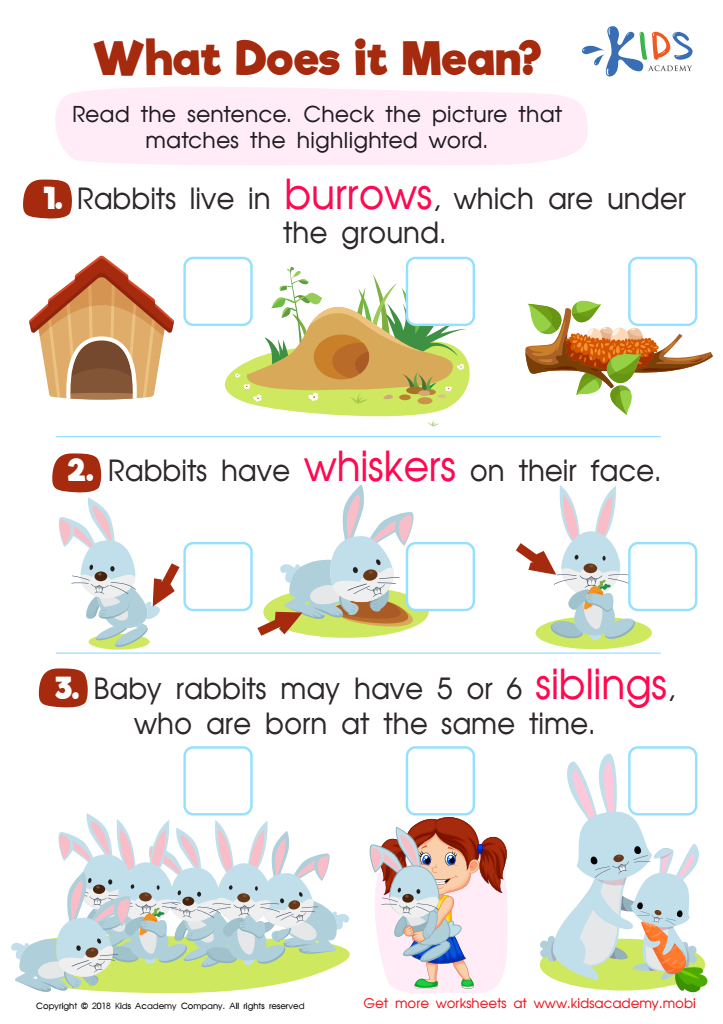
What Does It Mean? Worksheet
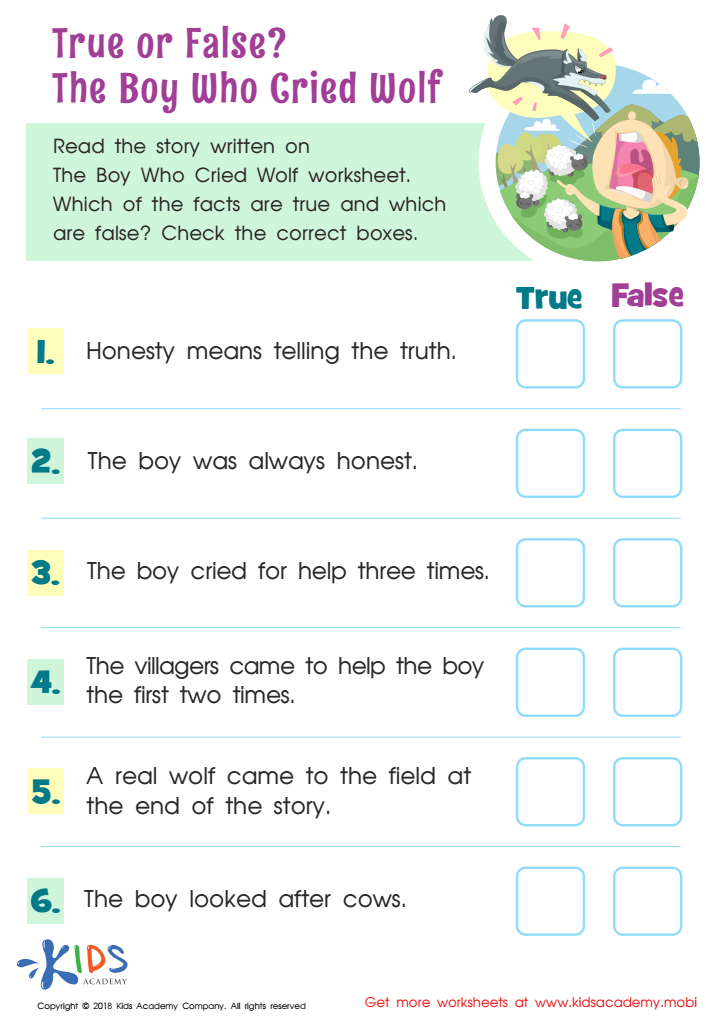
True or False? The Boy Who Cried Wolf Worksheet
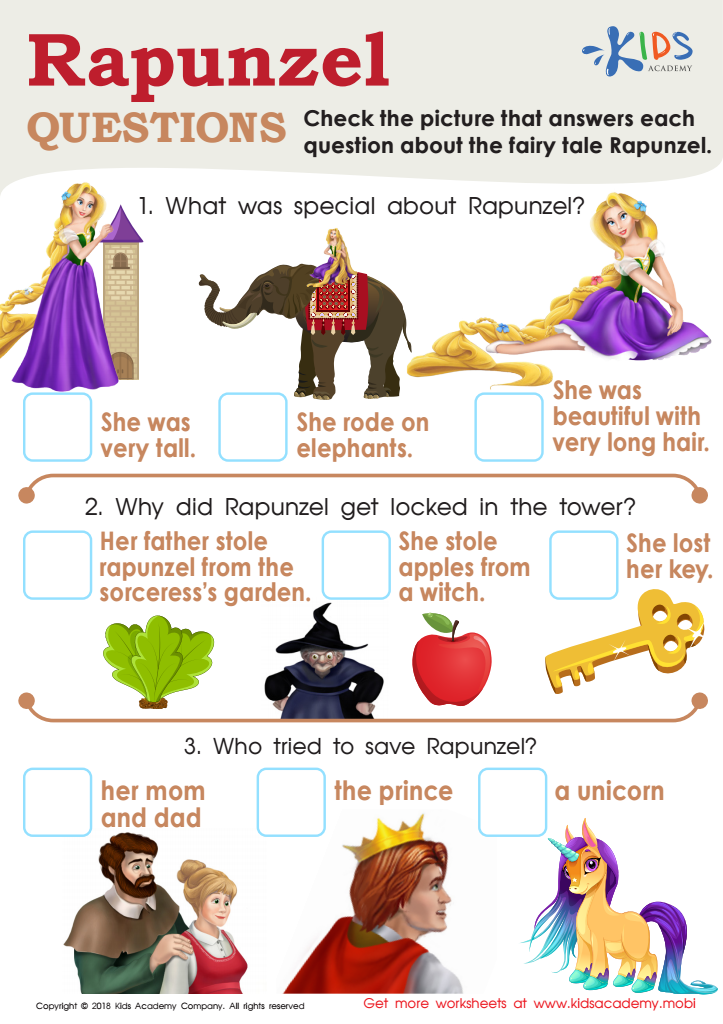
Rapunzel Questions Worksheet
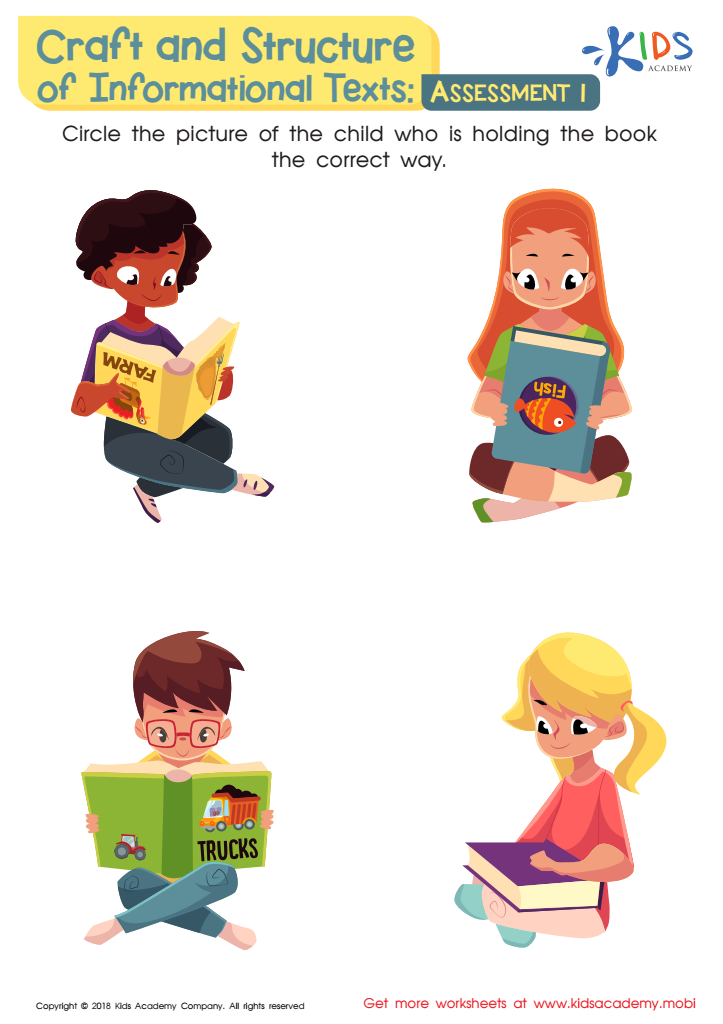
Craft and Structure of Informational Texts: Assessment 1 Worksheet
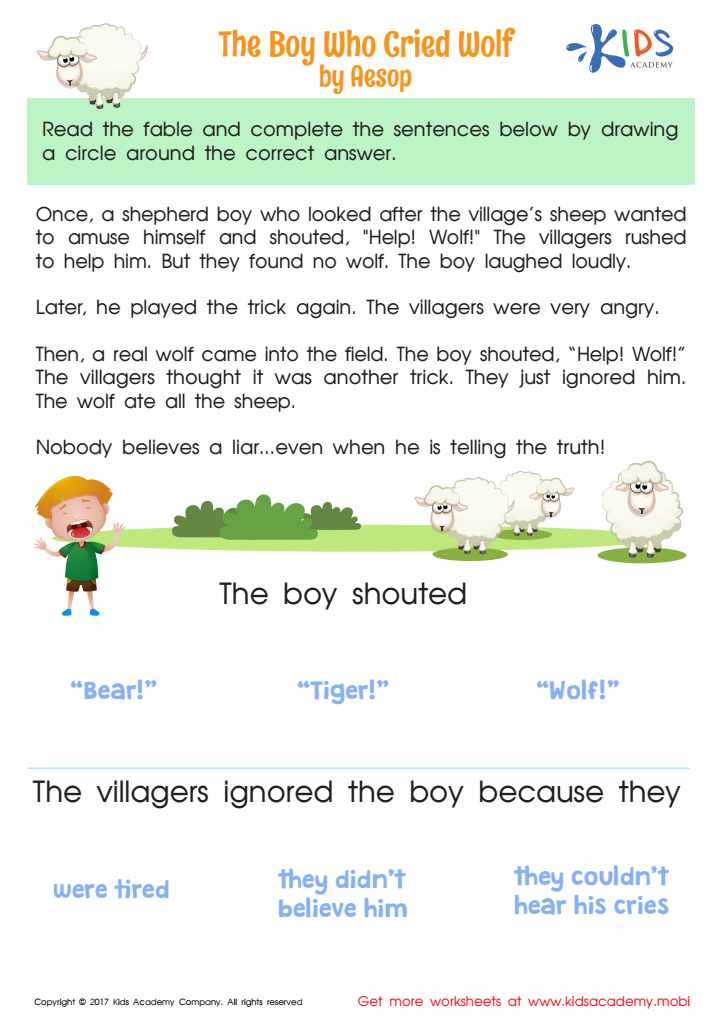
The Boy Who Cried Wolf Worksheet
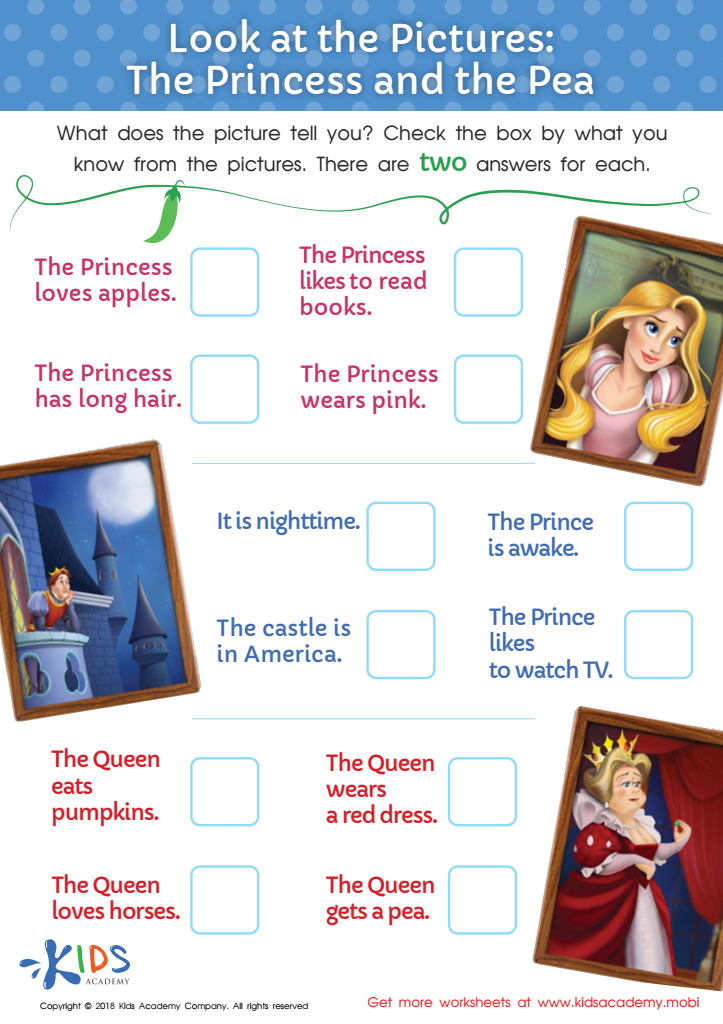
Look at the Pictures: The Princess and the Pea Worksheet
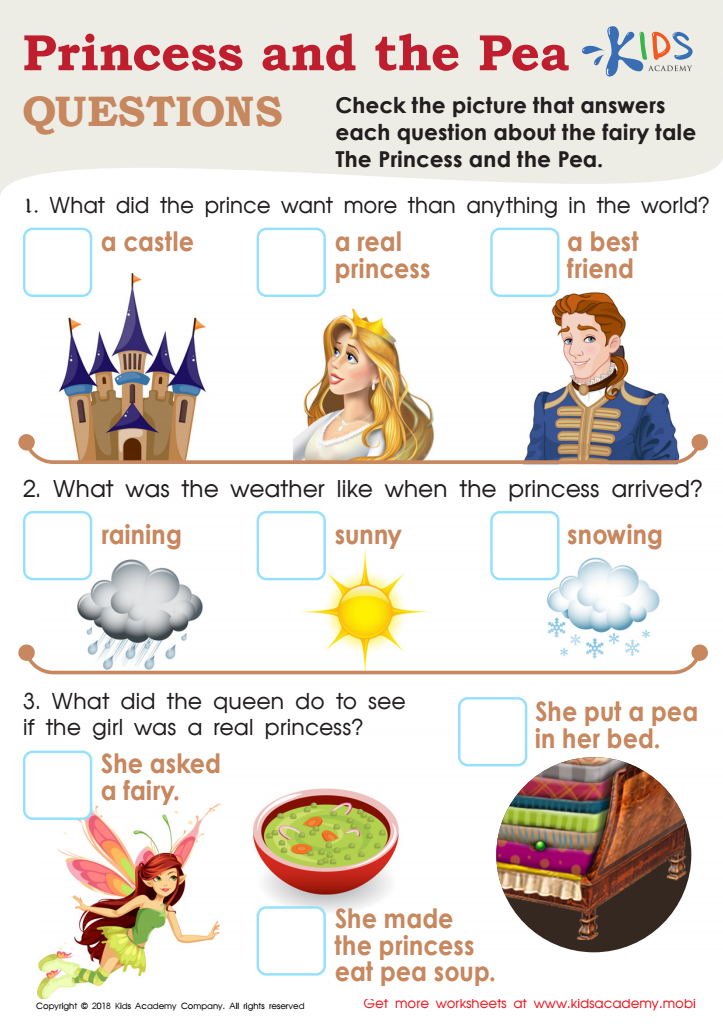
Princess and the Pea Questions Worksheet


.jpg)

.jpg)



Critical thinking reading skills are essential for children aged 4-6 as they lay the foundation for lifelong learning and cognition. At this age, children develop their ability to analyze, interpret, and evaluate information, which are key components of critical thinking. By encouraging critical thinking in reading, parents and teachers help children learn to ask questions, make connections, and develop their own opinions about the material they encounter.
Promoting critical thinking through reading enhances vocabulary development and comprehension skills. As children engage with stories and texts, they learn to predict outcomes, identify main ideas, and differentiate between fact and opinion. These skills are crucial as children progress in their education, enabling them to tackle more complex texts later on.
Moreover, critical thinking reading fosters creativity and curiosity. When children are encouraged to explore various perspectives and ask “why” and “how,” they become more engaged and invested in their learning. By nurturing these skills early on, parents and teachers can create a supportive environment that not only promotes academic success but also equips children with the tools to navigate an increasingly complex world, preparing them to face challenges and make informed decisions later in life.








