Identifying shapes Reading Worksheets for Ages 4-6
7 filtered results
-
From - To
Welcome to our Identifying Shapes Reading Worksheets designed for children ages 4-6! These engaging and interactive worksheets help young learners recognize and name various shapes, fostering early literacy alongside shape recognition skills. Featuring colorful illustrations and age-appropriate activities, our resources encourage exploration and understanding of geometric concepts in a fun way. Ideal for both classroom and home use, these worksheets support foundational cognitive skills, creativity, and critical thinking. Parents and teachers will find that our printable sheets are a perfect addition to their educational toolkit, ensuring that learning about shapes becomes an enjoyable and enriching experience for young minds. Start shaping their learning today!
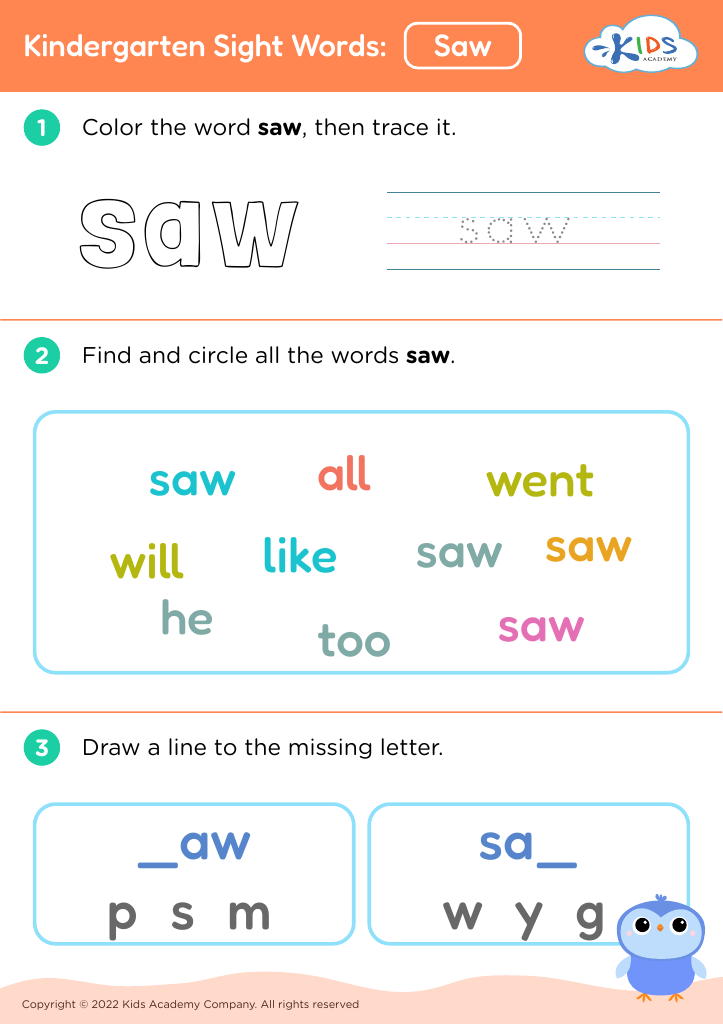
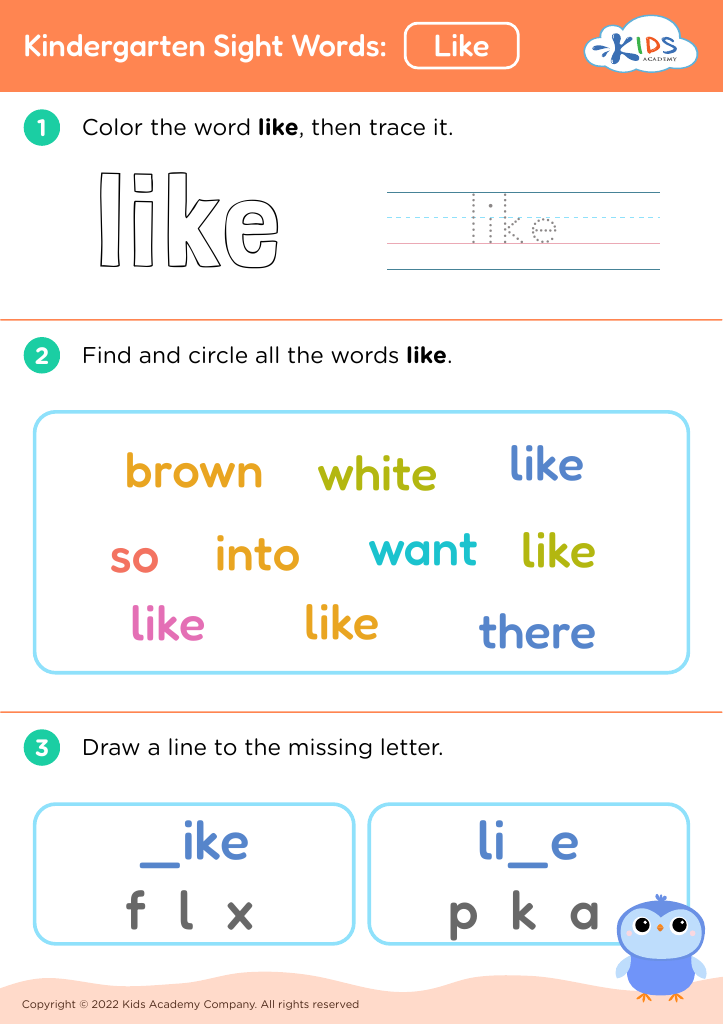
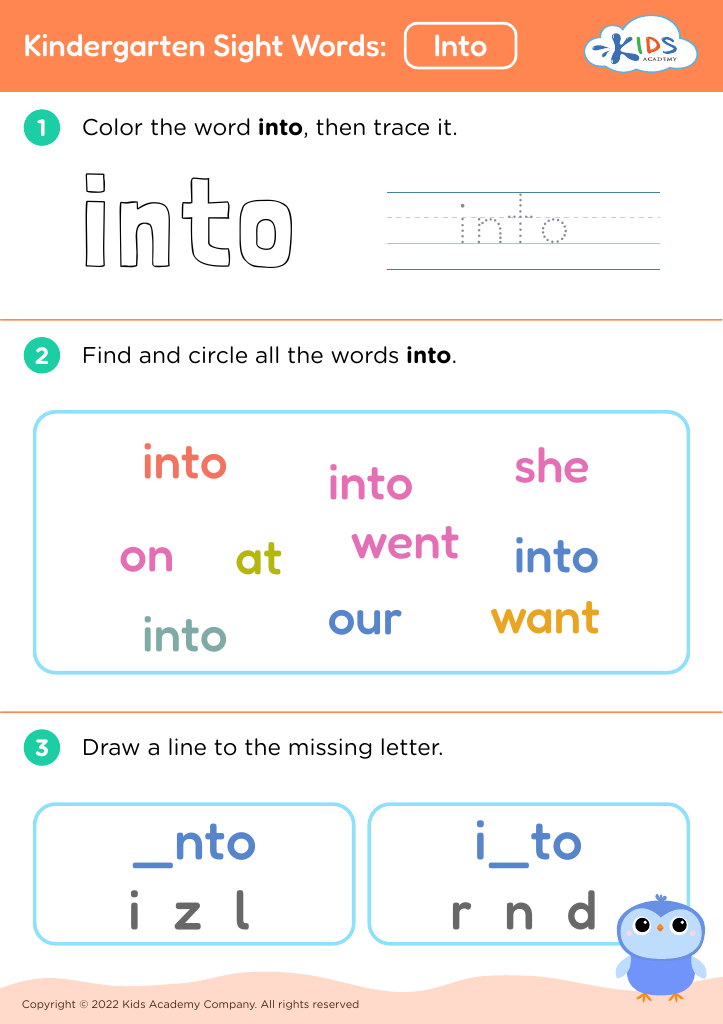







Identifying shapes is a crucial early learning skill for children aged 4-6 that goes beyond mere recognition. It lays the foundation for mathematical concepts, spatial awareness, and problem-solving skills. For parents and teachers, encouraging shape identification enhances children's cognitive development and nurtures critical thinking.
At this age, children are naturally curious and eager to explore their surroundings. Recognizing shapes helps them make sense of the world, enabling them to categorize objects, understand geometry, and develop visualization skills. Engaging activities, such as sorting, puzzles, and arts and crafts, reinforce shape learning in a fun, interactive manner, fostering a love for learning.
Moreover, shape identification promotes language development. As children describe shapes and their properties, they expand their vocabulary and communication skills. This practice builds confidence as they articulate their thoughts, further enhancing their literacy.
Incorporating shape recognition into daily activities also provides opportunities for family bonding and meaningful interactions. By prioritizing this foundational skill, parents and teachers cultivate a well-rounded educational experience that equips children for future academic success and practical life applications. Encouraging shape recognition today lays the groundwork for independent thinkers of tomorrow.








