
Mathematical reasoning Reading Worksheets for Ages 4-6
5 filtered results
Difficulty Level
Grade
Age
-
From - To
Subject
Activity
Standards
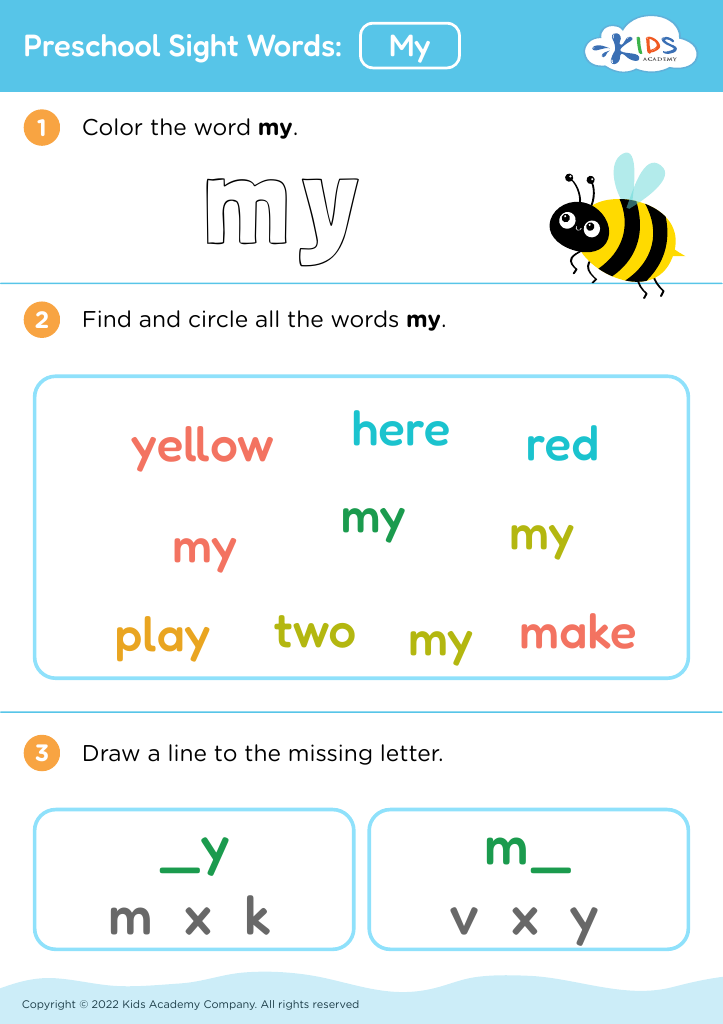
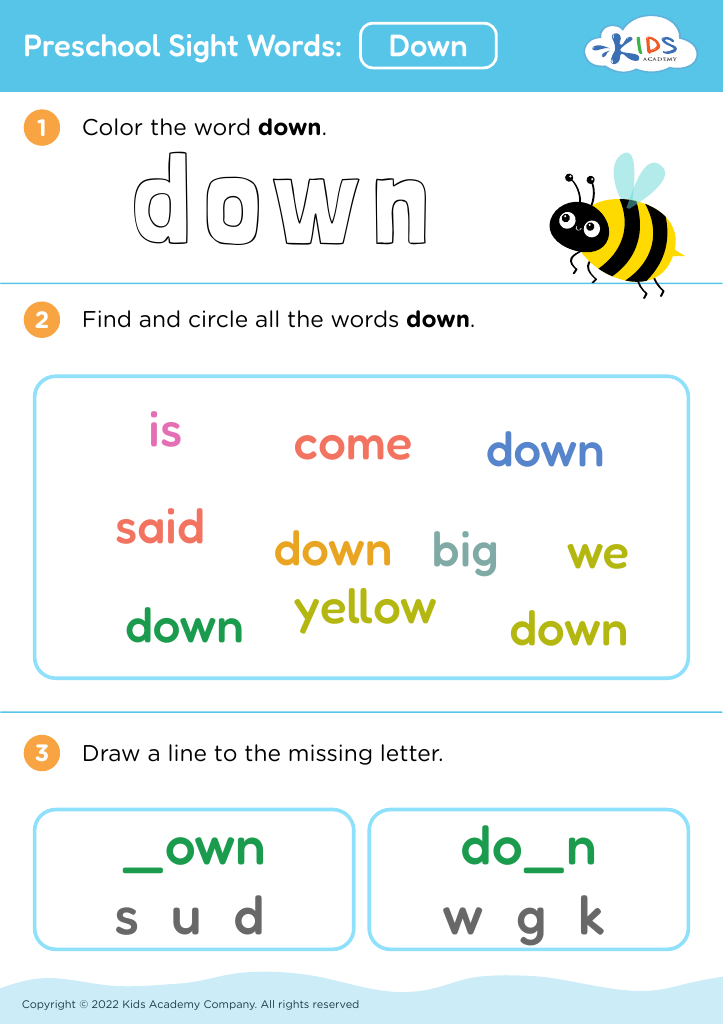
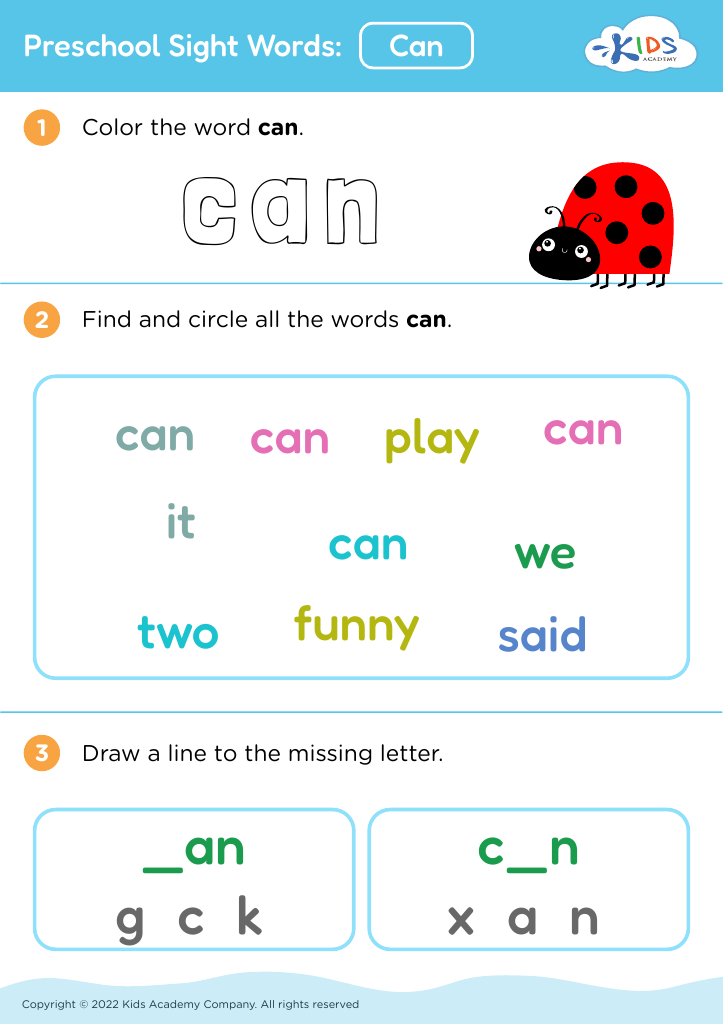
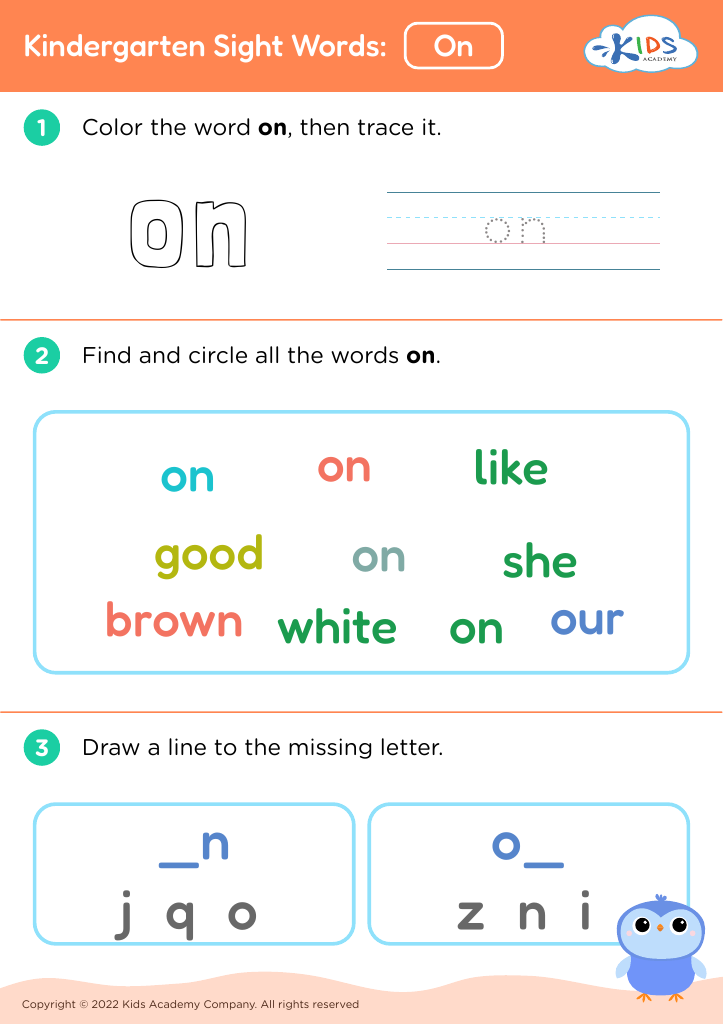
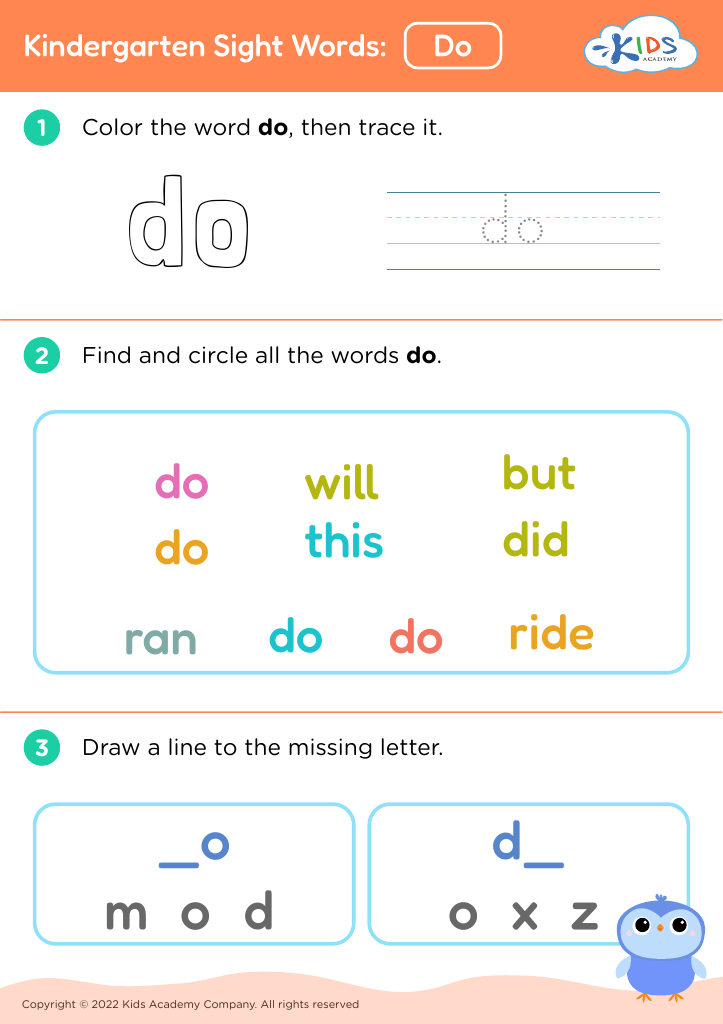
Welcome to our engaging collection of Mathematical Reasoning Reading Worksheets designed for young learners aged 4-6! These worksheets provide a fun and interactive way for children to develop essential math skills while enhancing their reading comprehension. With colorful illustrations and age-appropriate activities, kids will explore concepts such as shapes, patterns, and measurement, all while building their critical thinking abilities. Each worksheet is crafted to encourage problem-solving and enhances both mathematical and literacy skills. Perfect for homeschoolers and classroom use, our resources empower children to enjoy learning and foster a strong foundation for future success in mathematics. Discover the joy of learning today!
Favorites
With answer key
Interactive
Join Kids Academy for Free
Who is primarily going to use this learning content?





.jpg)


Mathematical reasoning and reading are two foundational skills critical for young learners aged 4 to 6. At this developmental stage, children's cognitive abilities are rapidly expanding, making it an ideal time to foster these skills. Mathematical reasoning helps children understand and manipulate numbers, shapes, and relationships, laying the groundwork for more complex math concepts in the future. Engaging in mathematical discussions encourages problem-solving, critical thinking, and logical reasoning, which are essential not only in mathematics but across all subjects.
Simultaneously, reading comprehension is vital in helping children understand math problems, fostering their ability to translate spoken or written information into mathematical concepts. When parents and teachers promote mathematical reasoning through reading, they create a rich, integrated learning environment, equipping children with the skills to approach challenges confidently.
Moreover, developing literacy in mathematics empowers students to see the relevance of math in everyday life, fostering a positive attitude towards learning. By intertwining mathematical reasoning and reading, caregivers enhance children’s overall academic performance and instill a love for learning, paving the way for future success both inside and outside the classroom. Thus, nurturing these skills collaboratively is essential for holistic development and readiness for the challenges ahead.








