Multiplication practice Reading Worksheets for Ages 4-6
4 filtered results
-
From - To
Introduce your child to the fun and excitement of learning with our "Multiplication Practice Reading Worksheets" designed for ages 4-6! Our expertly crafted worksheets make understanding multiplication concepts easy and enjoyable. Engaging illustrations and fun activities ensure your child stays interested while practicing essential skills. These worksheets not only bolster math proficiency but also enhance reading comprehension. Perfect for young learners, each worksheet promotes development in a supportive and interactive manner. Join kids all over who are building a strong educational foundation with Kids Academy's dynamic and practical tools for success. Boost your child’s learning today!
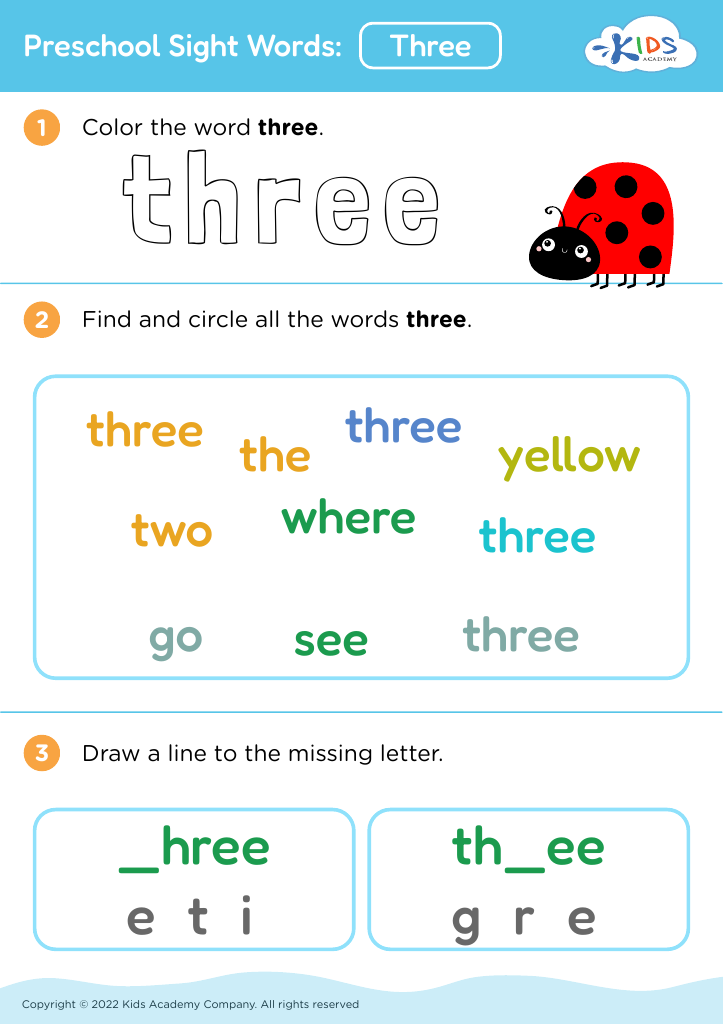
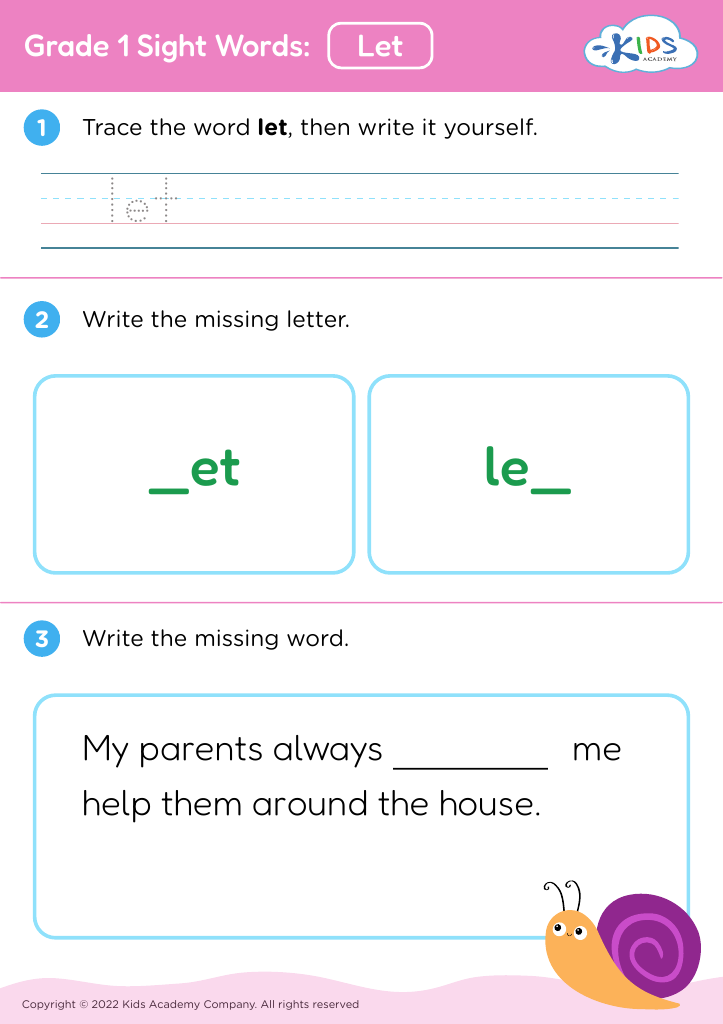
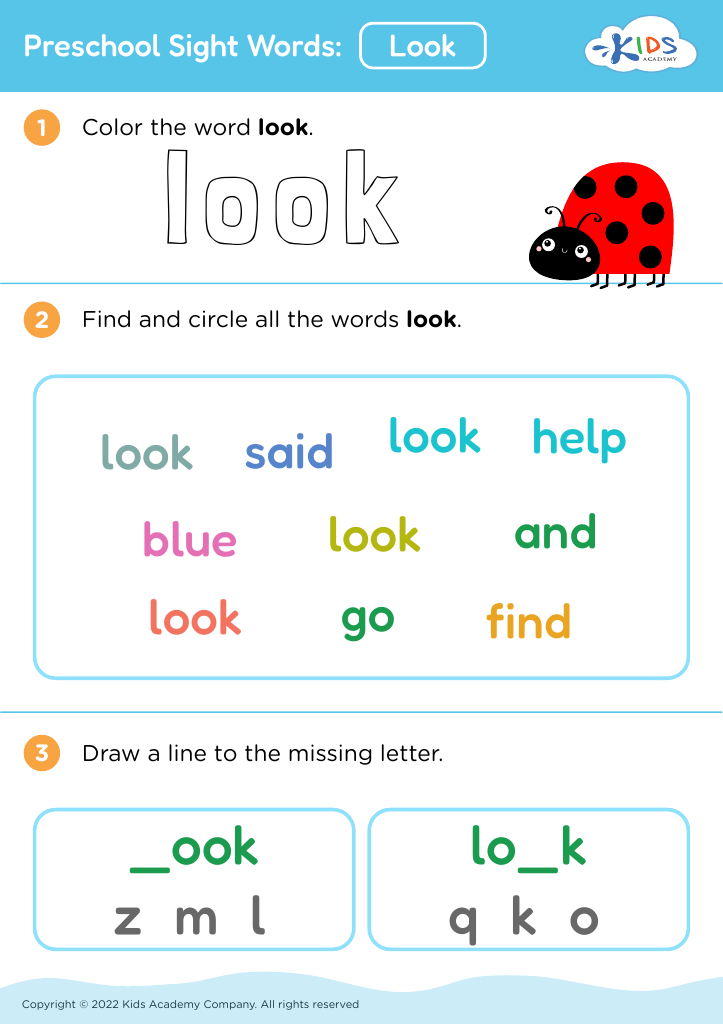
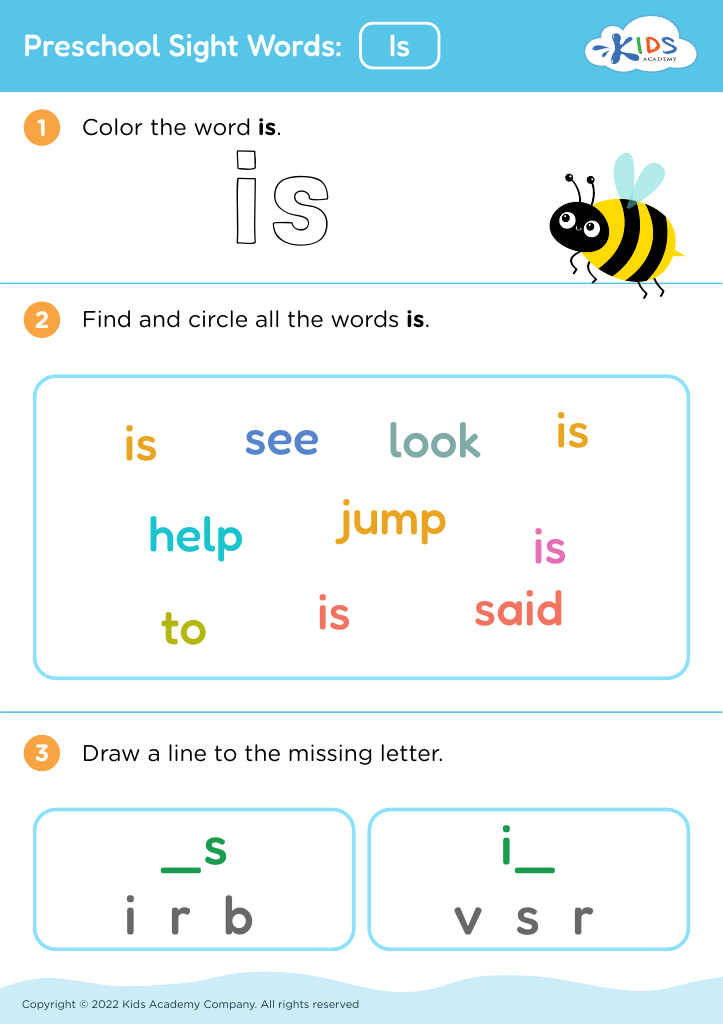




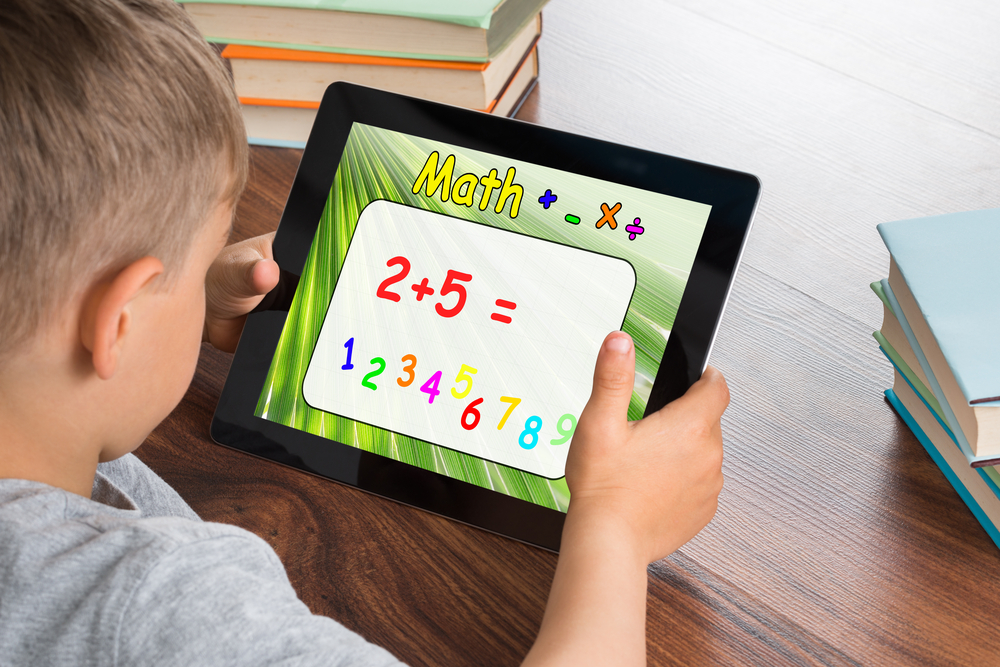

Parents and teachers of children aged 4-6 should place a strong emphasis on multiplication practice through reading activities due to the profound foundational benefits it offers. At this developmental stage, young brains are exceptionally receptive to new concepts. Integrating multiplication into reading sessions makes learning more engaging and contextual, helping children grasp mathematical ideas in a fun, relatable format.
Reading about multiplication concepts in stories or practical examples not only familiarizes children with numbers but also stimulates cognitive skills like problem-solving, reasoning, and logical thinking. These skills are critical for future academic success across disciplines, including science and technology.
Moreover, early exposure to multiplication through reading fosters a positive attitude toward math. Encouraging this association early helps mitigate math anxiety in later years, making children more confident in tackling mathematical challenges. Incorporating multiplication in reading also strengthens language skills by expanding vocabulary and comprehension as children interact with new terms and ideas within a narrative.
Finally, engaging children in multiplication reading cultivates a habit of independent learning and curiosity. This dual-focus approach supports both literacy and numeracy development, essential tools for lifelong learning. Thus, integrating multiplication practice into reading efforts at an early age is a strategic, effective method to build a strong educational foundation.








