Problem-Solving Skills Reading Worksheets for Ages 4-6 - Page 2
27 filtered results
-
From - To
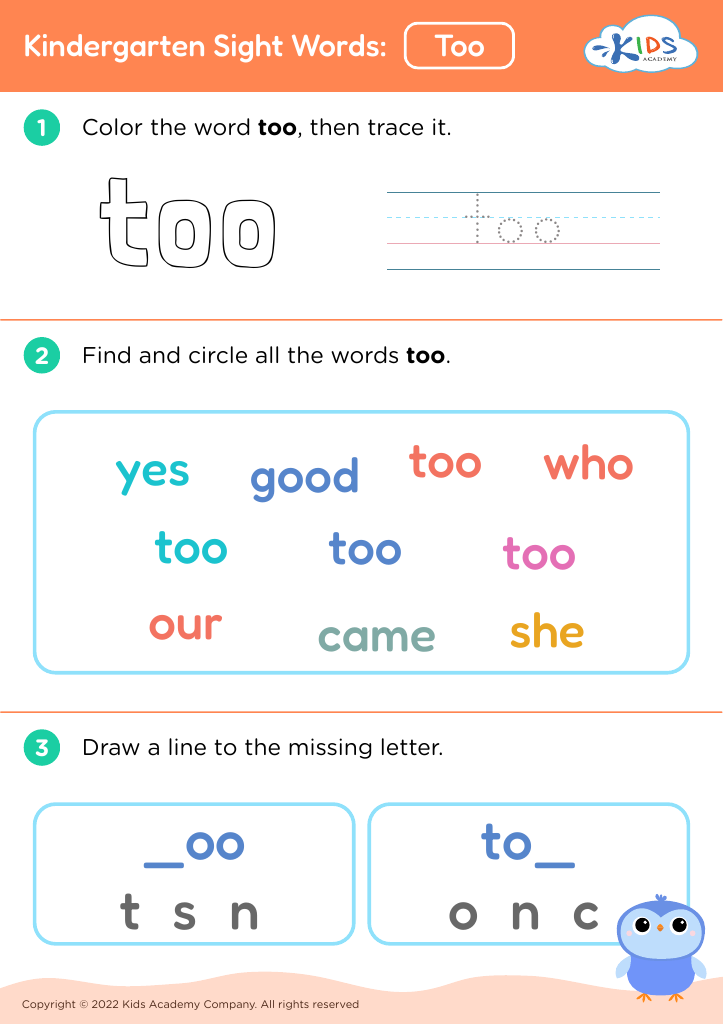
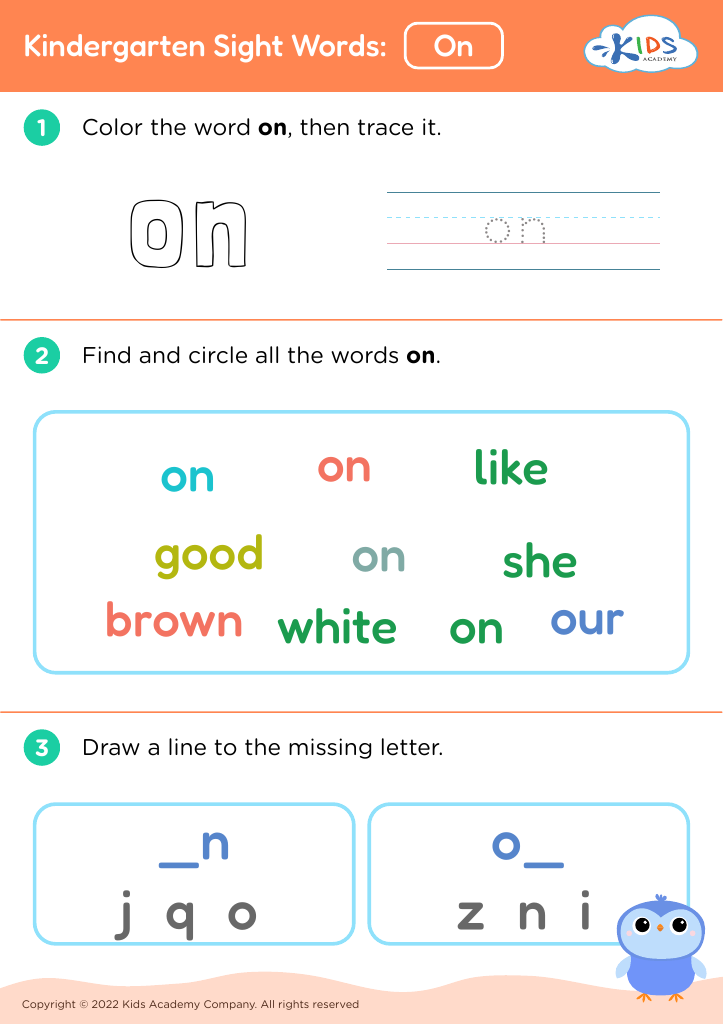
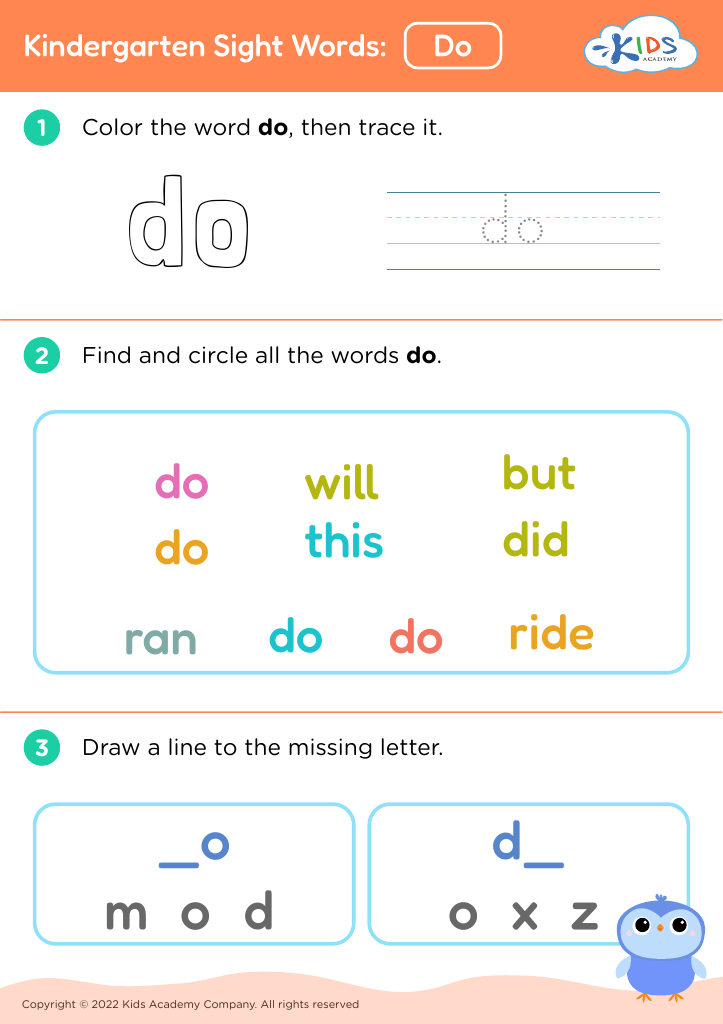








Parents and teachers should prioritize problem-solving skills in reading for children aged 4-6 because these are foundational years when young minds are exceptionally receptive. At this stage, developing problem-solving abilities through reading fosters critical thinking, comprehension, and cognitive development, which are crucial for future academic success.
Learning to read is an interactive process, and problem-solving promotes active engagement with the text. When children identify patterns, predict outcomes, or figure out the meaning of unfamiliar words, they're not just memorizing information—they're learning how to think. This active engagement helps strengthen neural pathways that support learning and cognitive flexibility.
Problem-solving skills in reading also encourage independence and resilience. As children encounter and work through challenges within a story, they build confidence in their ability to overcome obstacles both in and out of the classroom. This self-assurance is vital for personal development and helps foster a lifelong love of learning.
Moreover, early exposure to problem-solving in reading sets the stage for better communication and social skills. Children learn to articulate their thoughts, ask questions, and share ideas, preparing them for collaborative learning environments. For these reasons, nurturing problem-solving skills in reading during early childhood should be a priority for any parent or educational facilitator.








