Recognizing shapes Reading Worksheets for Ages 4-6
7 filtered results
-
From - To
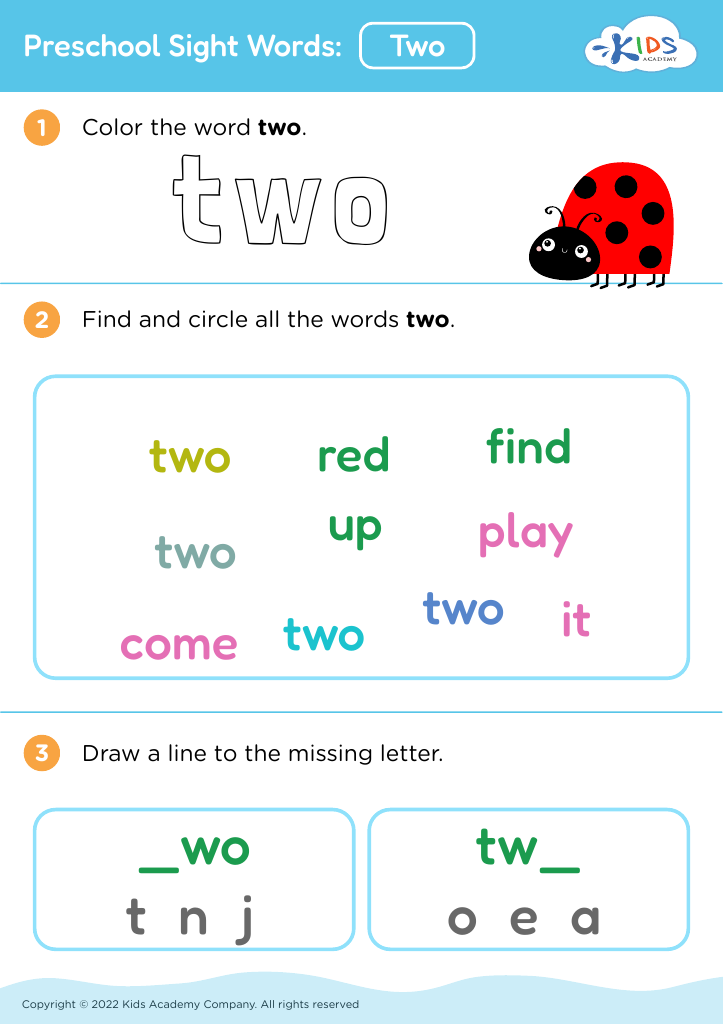
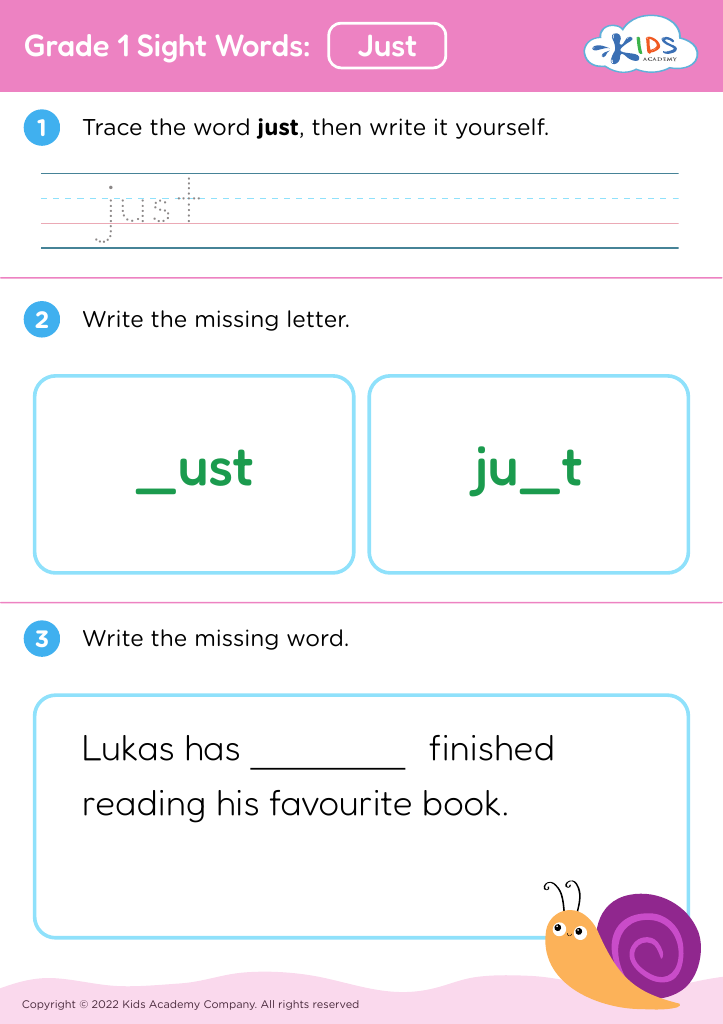
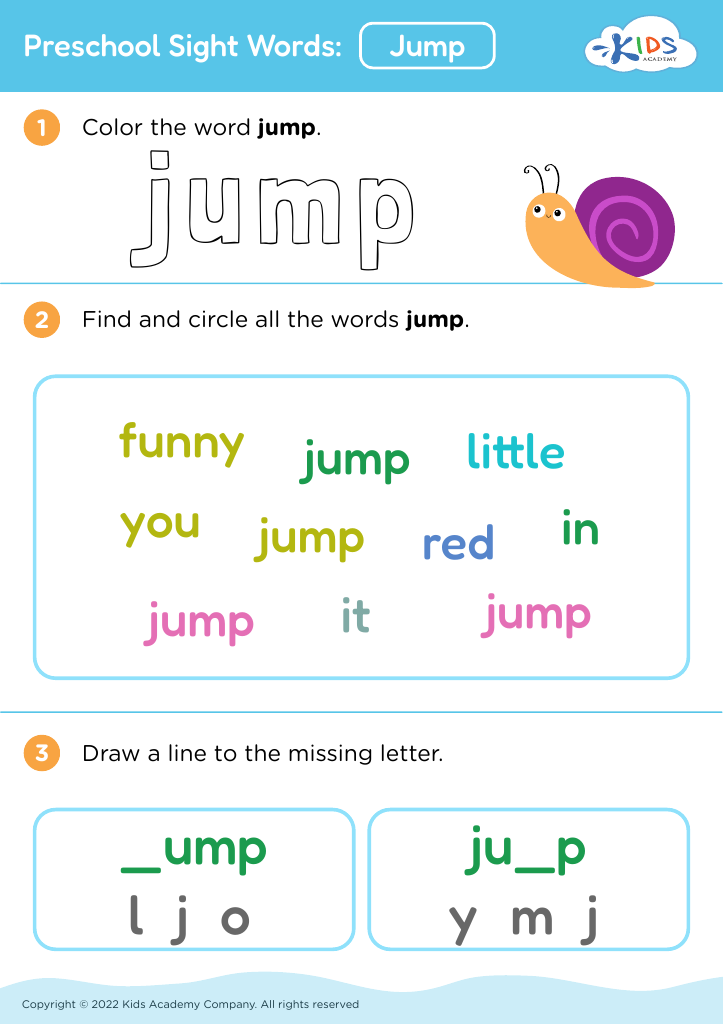
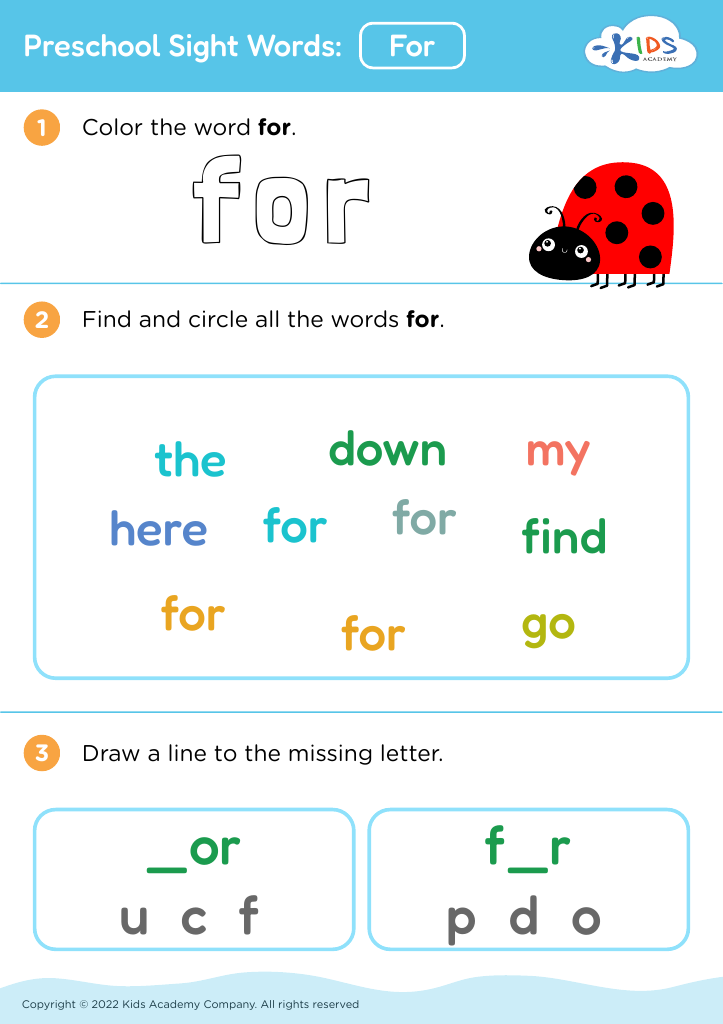
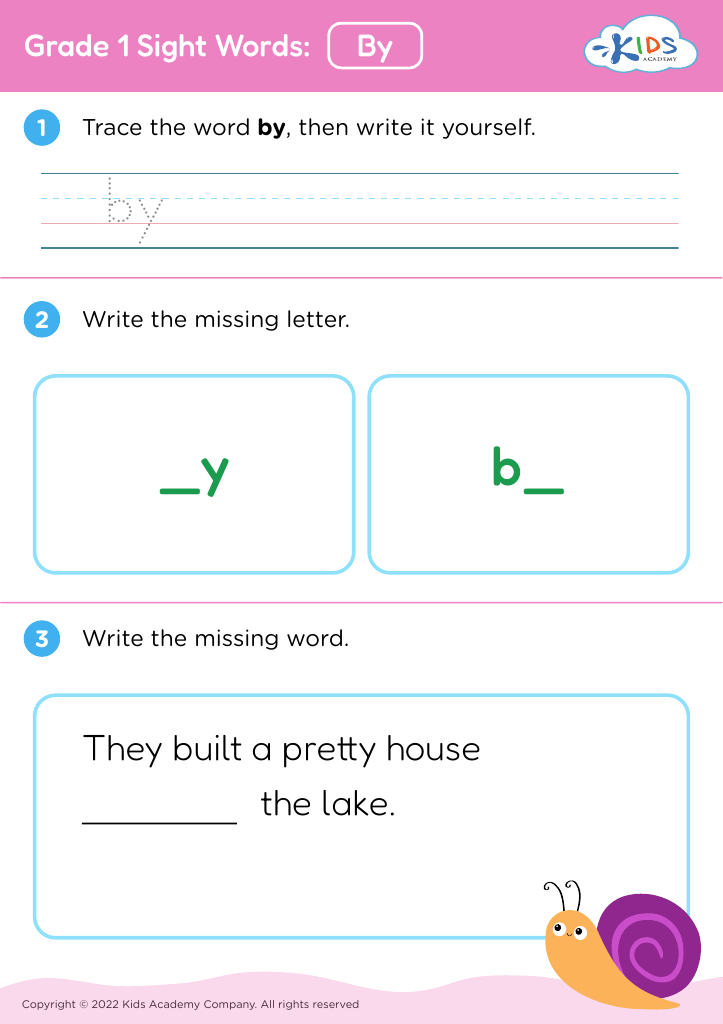
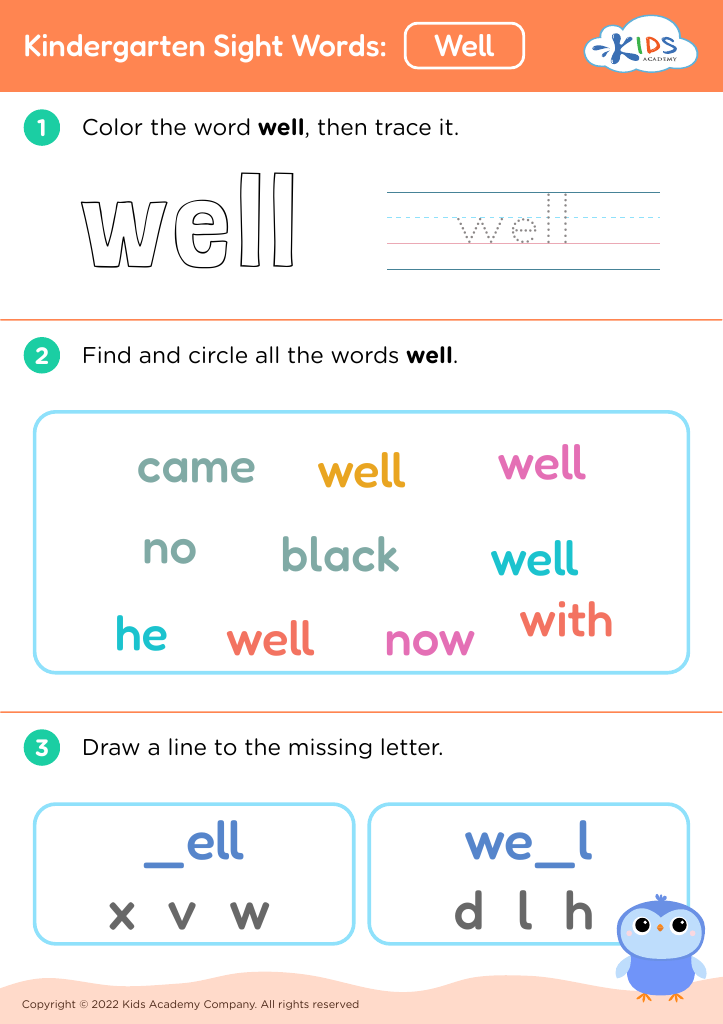
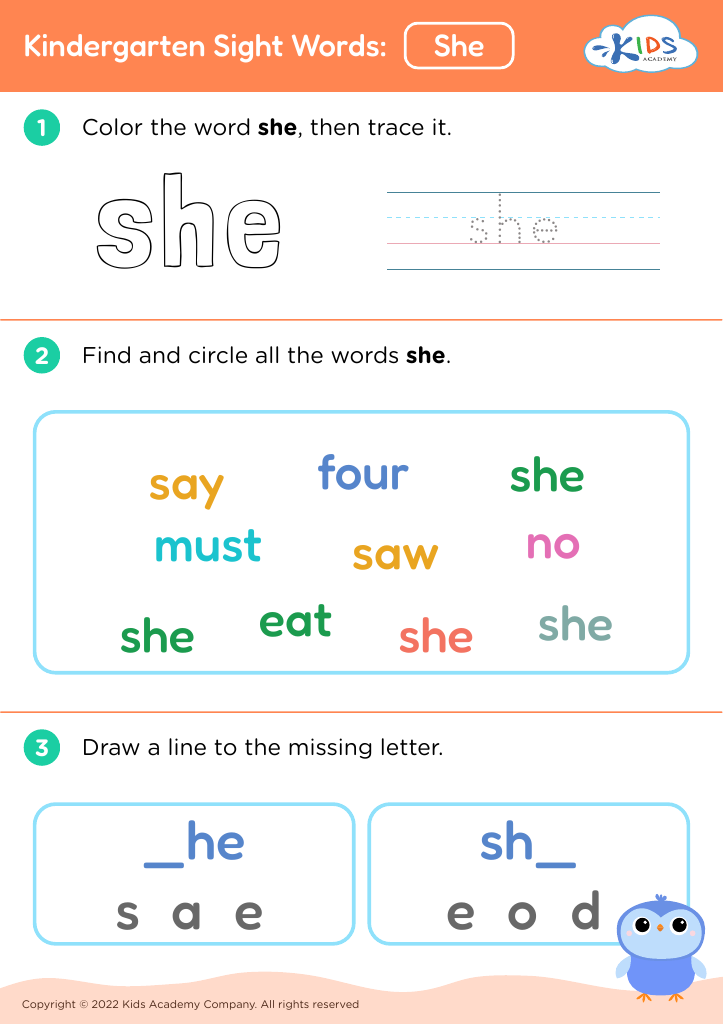
Introduce your child to the exciting world of shapes with our "Recognizing Shapes Reading Worksheets for Ages 4-6." Perfect for young learners, these engaging worksheets help kids identify, name, and color various shapes through fun, structured activities. Designed by educational experts, each worksheet fosters early reading and cognitive skills, blending colorful illustrations with easy-to-follow instructions. Boost your child's confidence and curiosity as they explore shapes in everyday objects, laying a strong foundation for future mathematical and reading success. Ideal for home or classroom use, our worksheets make learning a delightful and enriching experience.








Recognizing shapes and reading are foundational skills crucial for young children's development, particularly between the ages of 4-6. Understanding and identifying shapes aids in cognitive development, encourages problem-solving skills, and enhances spatial awareness. These shape-recognition skills are the building blocks for further mathematical concepts like geometry and are also instrumental in everyday life, from following patterns to navigating environments.
Similarly, fostering early reading skills cannot be overstated. Reading introduces children to new vocabulary, which expands their language and communication abilities. It promotes imagination, cultural awareness, and emotional intelligence by exposing children to various characters, settings, and narratives. Reading also strengthens memory, attention span, and critical thinking skills as children learn to link letters, sounds, and meanings.
Parents and teachers need to focus on both areas to provide a comprehensive foundation for learning. Combined, shape recognition and reading equip young children with the tools they need for academic success and holistic development. Early intervention in these domains ensures that children not only excel in schools but also achieve their full potential in future educational endeavors. Providing engaging, age-appropriate learning experiences fosters a love for learning that can last a lifetime.








