Simplifying Fractions Reading Worksheets for Ages 4-6
4 filtered results
-
From - To
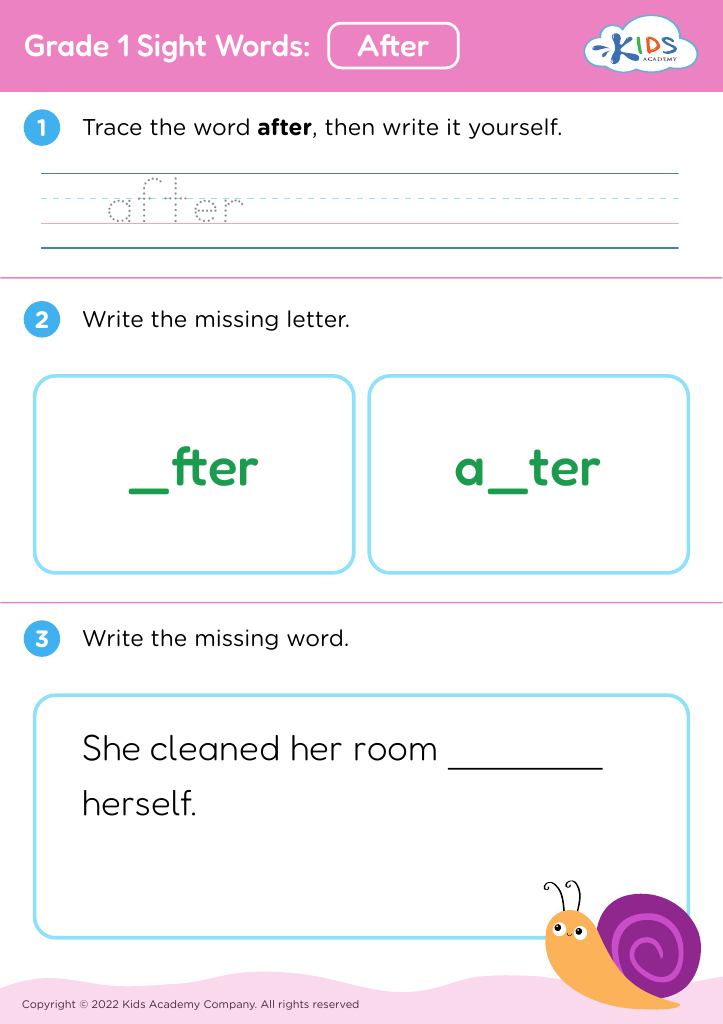
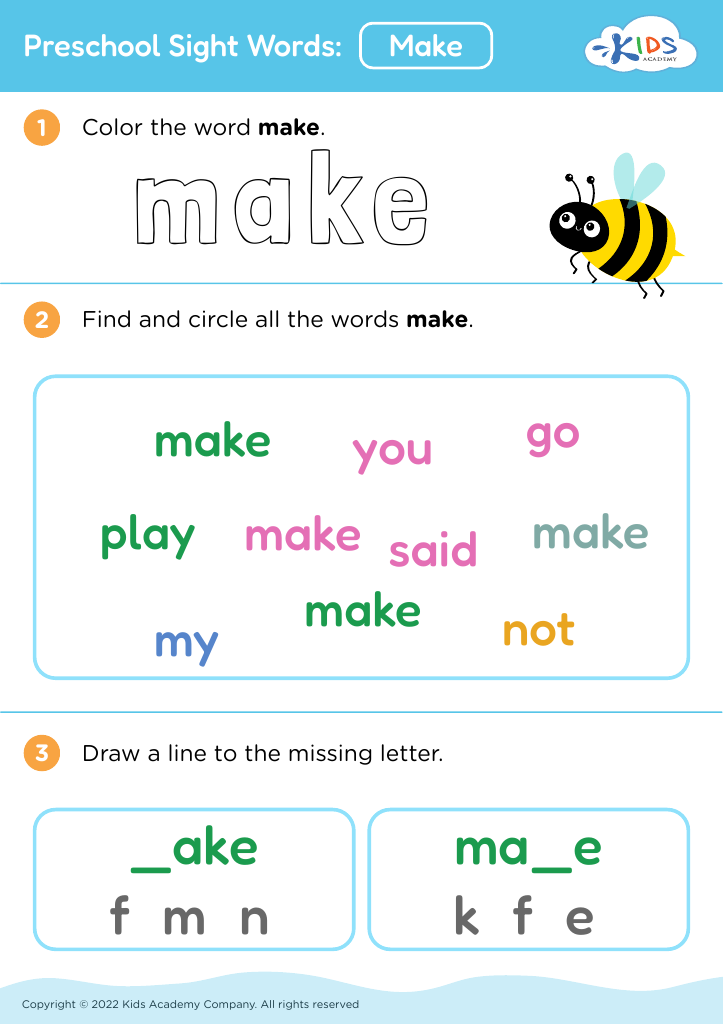
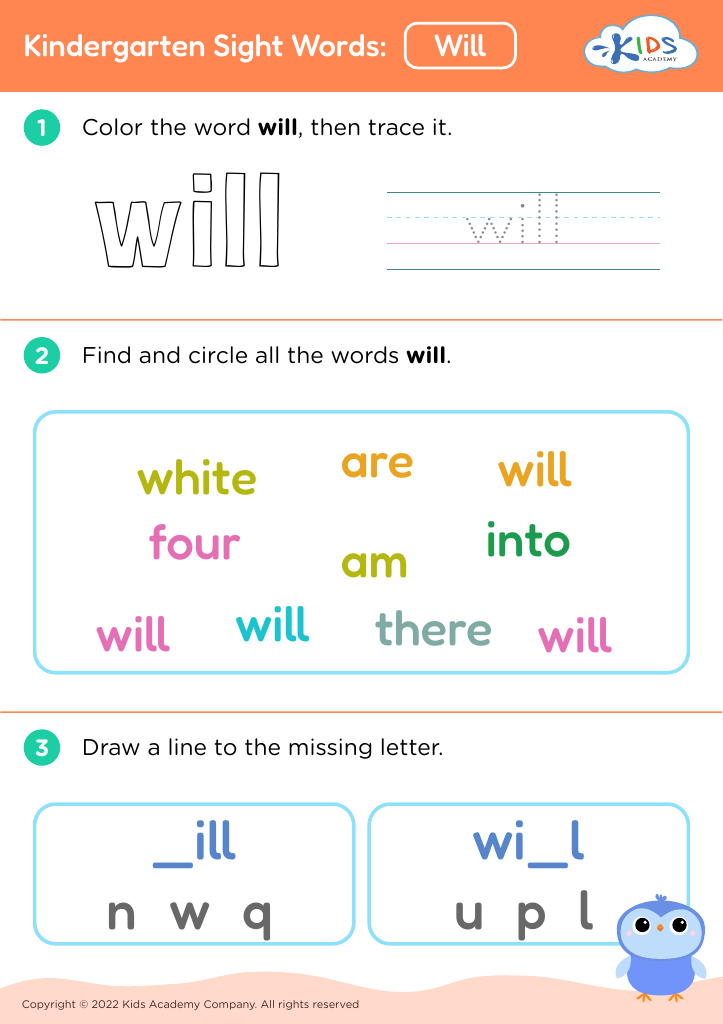
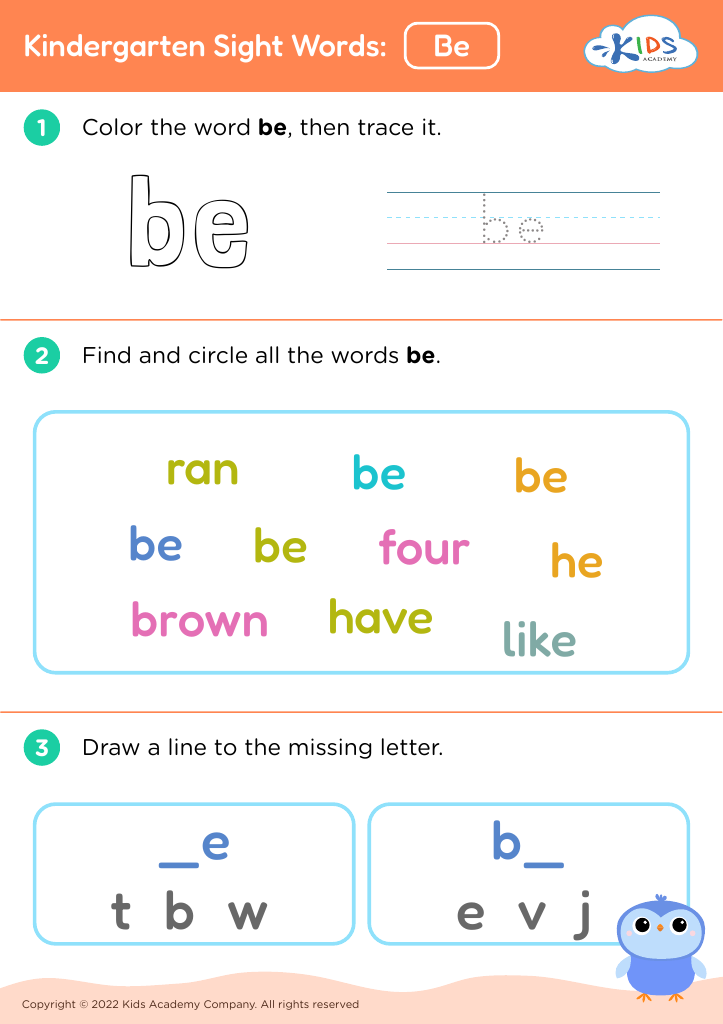
Introduce young learners to the world of fractions with our engaging Simplifying Fractions Reading Worksheets designed for ages 4-6. These colorful, age-appropriate activities combine learning and fun, helping children grasp the basic concept of fractions. Each worksheet features simple exercises to develop critical thinking and problem-solving skills, making early math enjoyable. Parents and teachers will appreciate the clear instructions and step-by-step approach used in these expertly crafted printable resources. Transform your child’s math journey with these essential tools for building foundational fraction knowledge. Visit the link to download our enriching worksheets and support young minds in mastering fractions effortlessly.







Simplifying fractions might seem advanced for young children aged 4-6, but introducing this concept early has significant benefits for their cognitive and numerical development. During these formative years, children are remarkably impressionable and develop foundational skills that will support their future learning. Fractions, often approached as a basic mathematical concept, offer a way to enhance number sense, spatial reasoning, and logical thinking.
First, understanding fractions contributes to a deeper grasp of division and proportionality, which are essential for more complex math topics later on. Simplifying fractions also fosters critical thinking and problem-solving skills as children learn to identify common factors and understand equivalencies in a friendly and tangible manner.
Engaging with fractions through relatable examples like slices of pizza, parts of an apple, or segments of a chocolate bar can make this abstract concept exciting and easier to grasp. This practical experience encourages a positive attitude towards math, turning potentially daunting topics like fractions into fun, interactive learning moments.
For parents and teachers, prioritizing fractions in early education lays a strong arithmetic foundation and ignite a lifelong appreciation for mathematics. By simplifying fractions enjoyable, we not only reinforce essential skills but also instill confidence and curiosity in the young learners, arming them with tools for future academic success.








