Attention to Detail Reading Comprehension Worksheets for Ages 4-6
4 filtered results
-
From - To
Dive into our "Attention to Detail Reading Comprehension Worksheets for Ages 4-6" to help your little learners thrive! Designed specifically for young minds, these engaging activities bolster reading skills while sharpening their ability to notice and remember details. Each worksheet is colorful and interactive, perfect for keeping kids entertained and focused. Our resources are crafted by educational experts to ensure they're suitable for early readers, paving the way for a strong start in literacy. Through stories, exercises, and fun quizzes, these worksheets transform reading time into an adventure of learning and growth. Start nurturing attentive and proficient readers today!
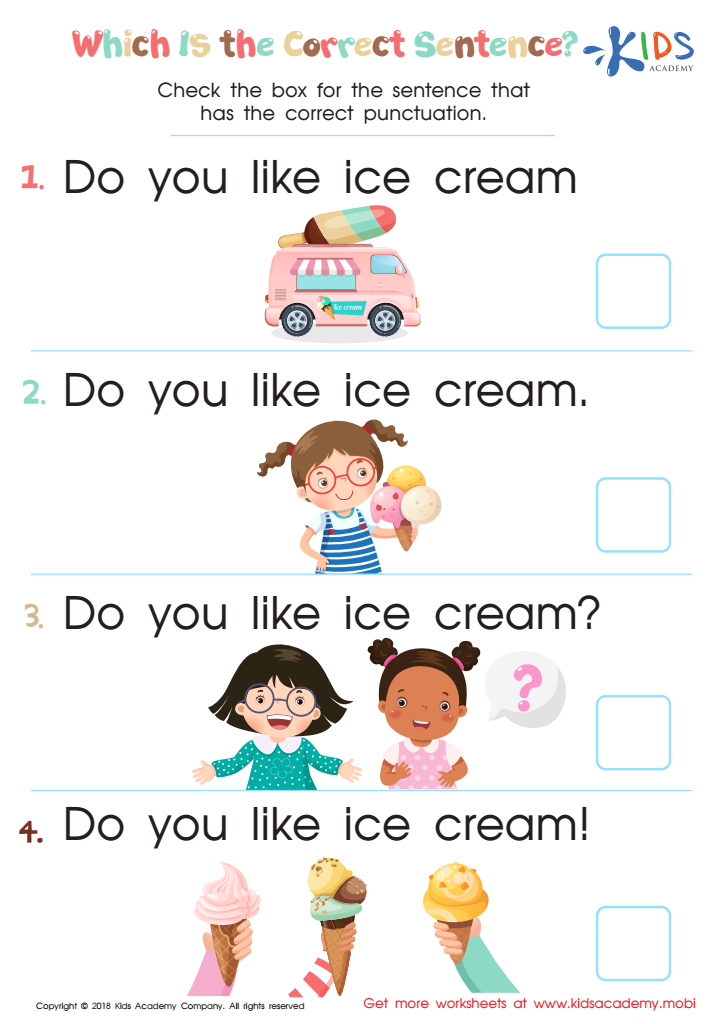
Which is the Correct Sentence? Worksheet
 Assign to My Students
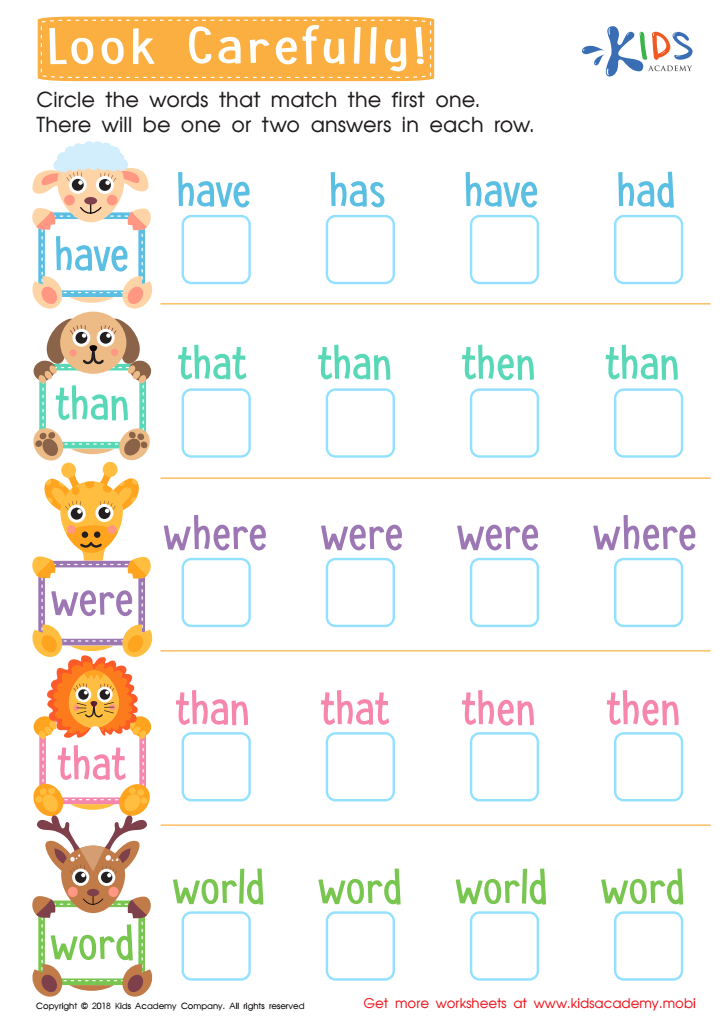
Look Carefully Worksheet
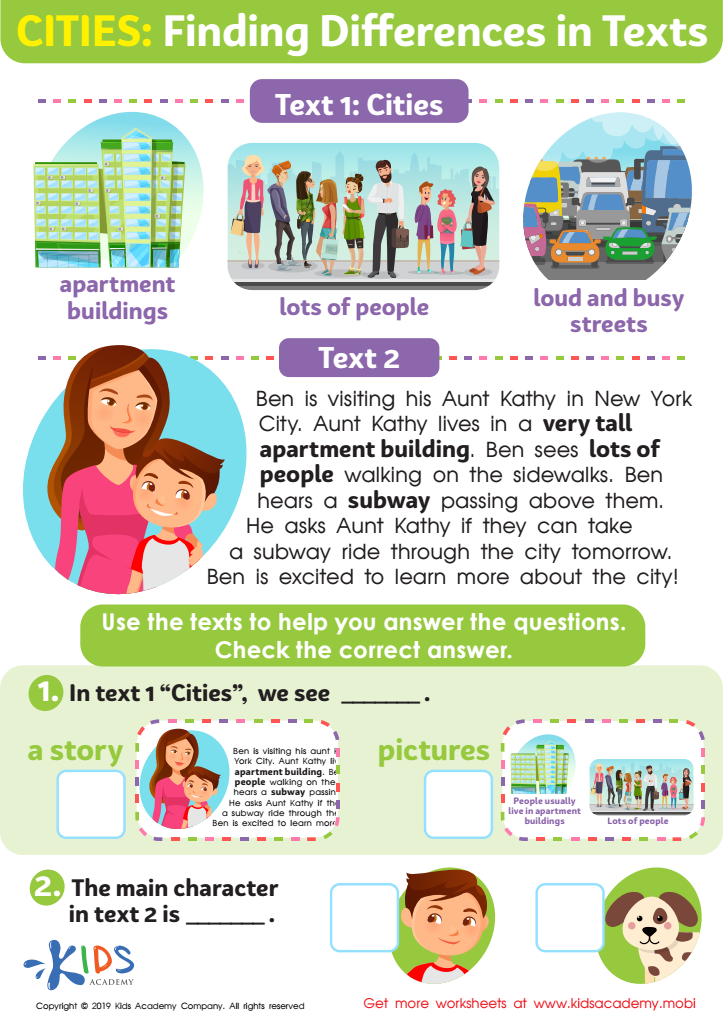
Cities: Finding Differences Worksheet
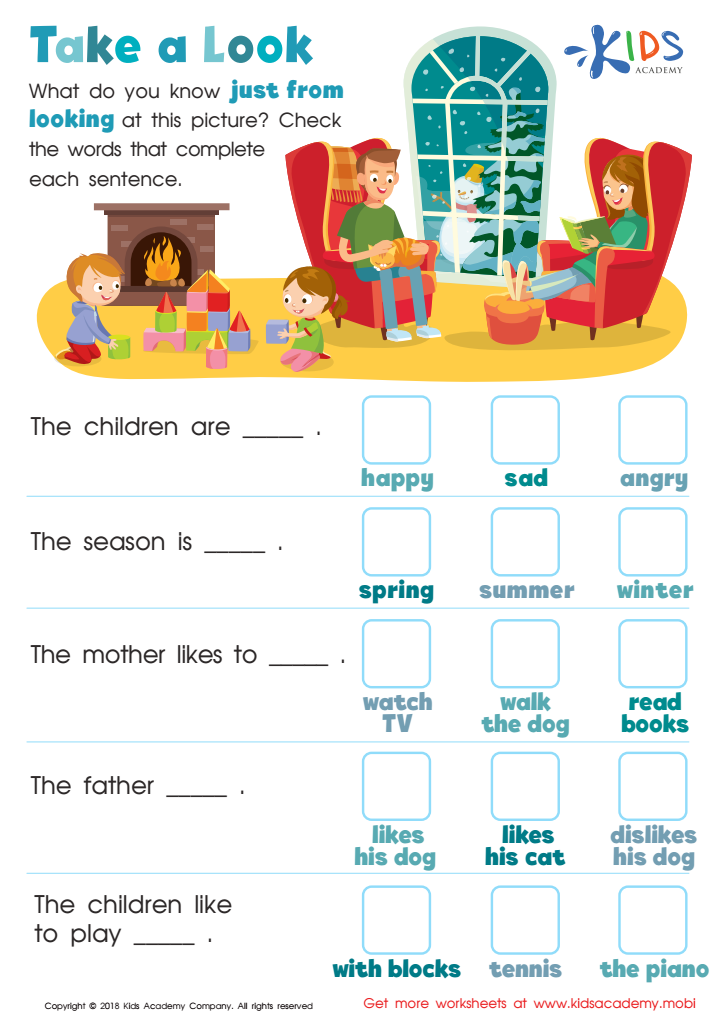
Take a Look - Part 1 Worksheet


.jpg)





Attention to detail in reading comprehension is incredibly important for young children ages 4-6 as it lays the foundation for future academic success. At this developmental stage, children are rapidly acquiring language and cognitive skills. Fostering attention to detail helps children understand and retain information accurately, which is crucial as they start learning to read.
When parents and teachers encourage young children to focus on details, it enhances their ability to recognize letters, understand vocabulary, and grasp basic sentence structures. This improves their reading fluency and comprehension, making it easier for them to follow stories and instructions. Additionally, attention to detail develops critical thinking skills, as children learn to make connections between words and their meanings, and comprehend the context of what they are reading.
Moreover, attention to detail in reading helps nurture a child's curiosity and love for learning. Engaging with texts thoughtfully not only boosts confidence in their reading abilities but also encourages a habit of mindfulness that will be beneficial in all areas of learning. By caring about attention to detail in early reading education, parents and teachers set children on a path to become proficient, enthusiastic, and lifelong readers. This foundational skill will impact their educational journey and overall cognitive development positively.








