Vocabulary expansion Animals Worksheets for Ages 4-6
5 filtered results
-
From - To
Enhance your child’s vocabulary with our engaging Vocabulary Expansion Animals Worksheets designed specifically for ages 4-6. These worksheets will introduce young learners to a variety of animals, helping them explore different names, habitats, and characteristics. Fun activities such as matching, filling in blanks, and word searches keep children motivated while promoting language development and critical thinking skills. Perfect for at-home learning or classroom use, these resources support early literacy and encourage a love for science and the natural world. Give your little one the gift of words and watch them thrive in their vocabulary journey with our Animal-themed worksheets!
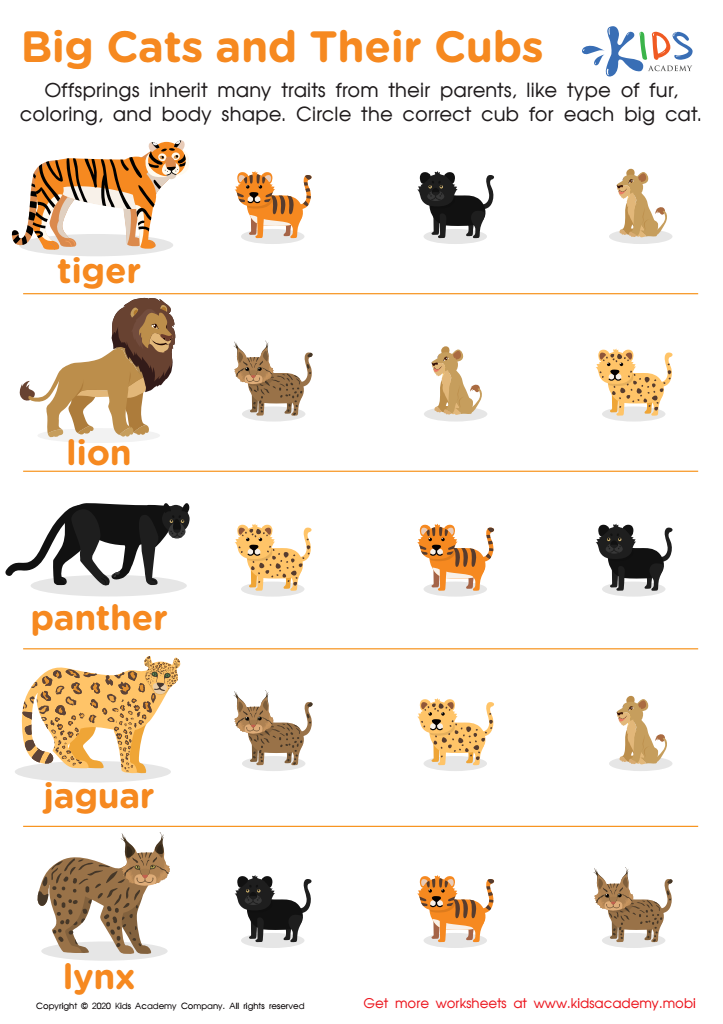
Big Cats and Their Cubs Worksheet
 Assign to My Students
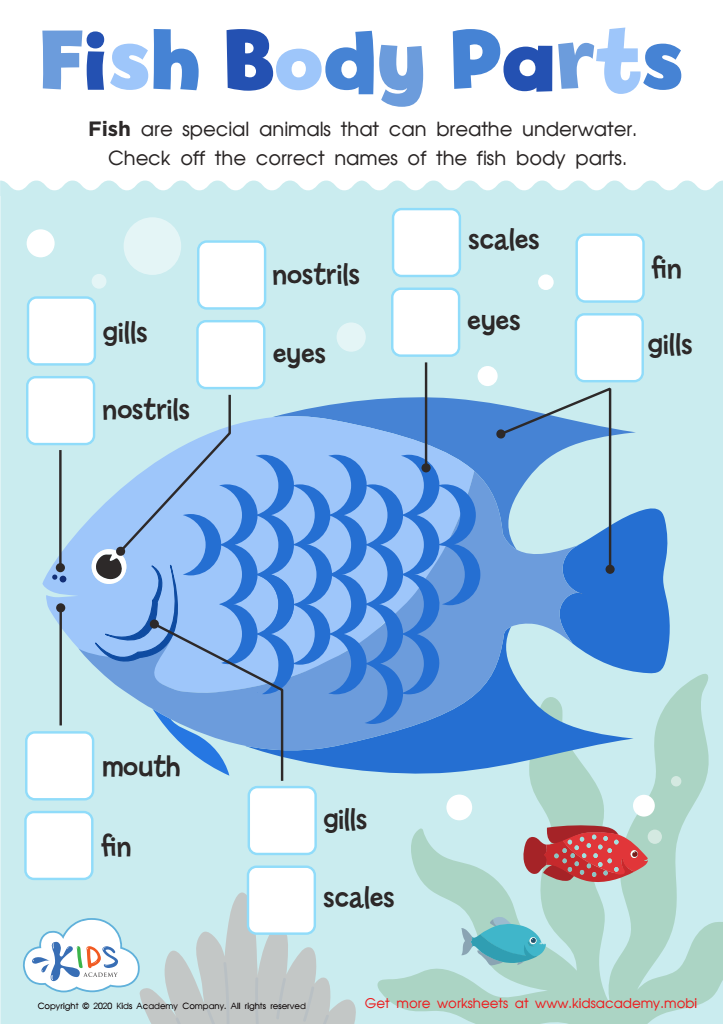
Fish Body Parts Worksheet
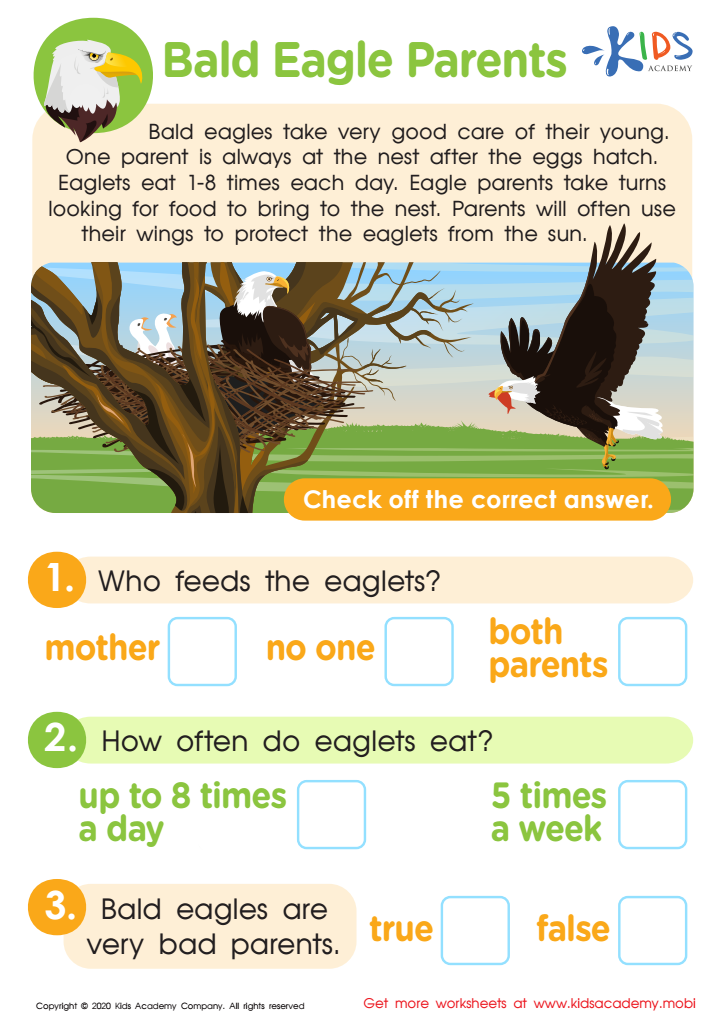
Bald Eagle Parents Worksheet
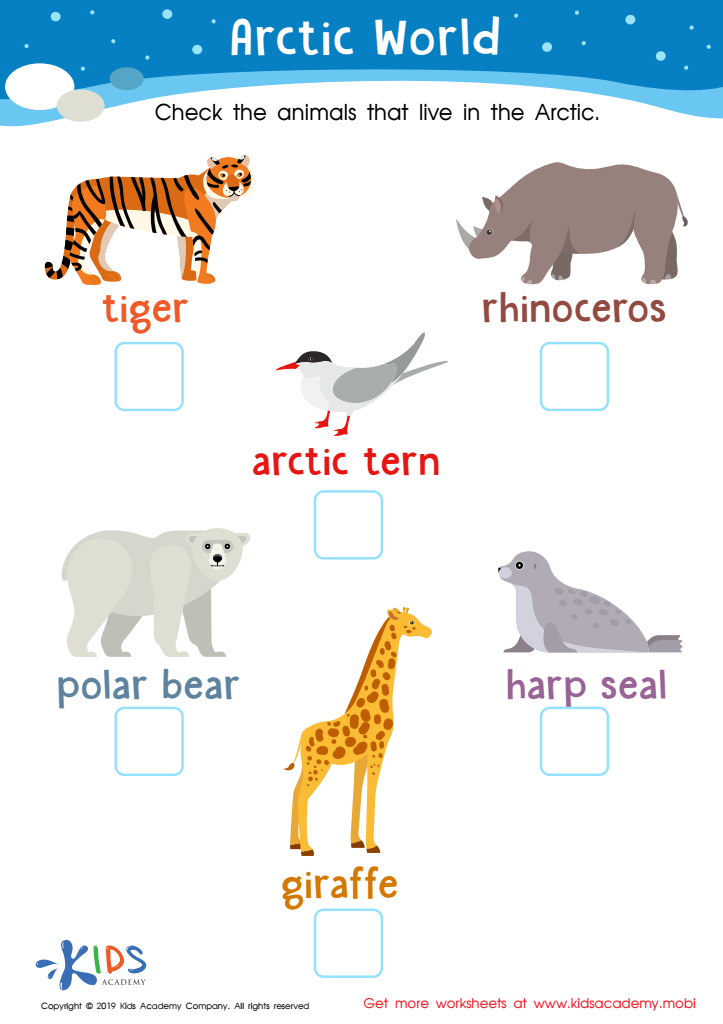
Arctic World Worksheet
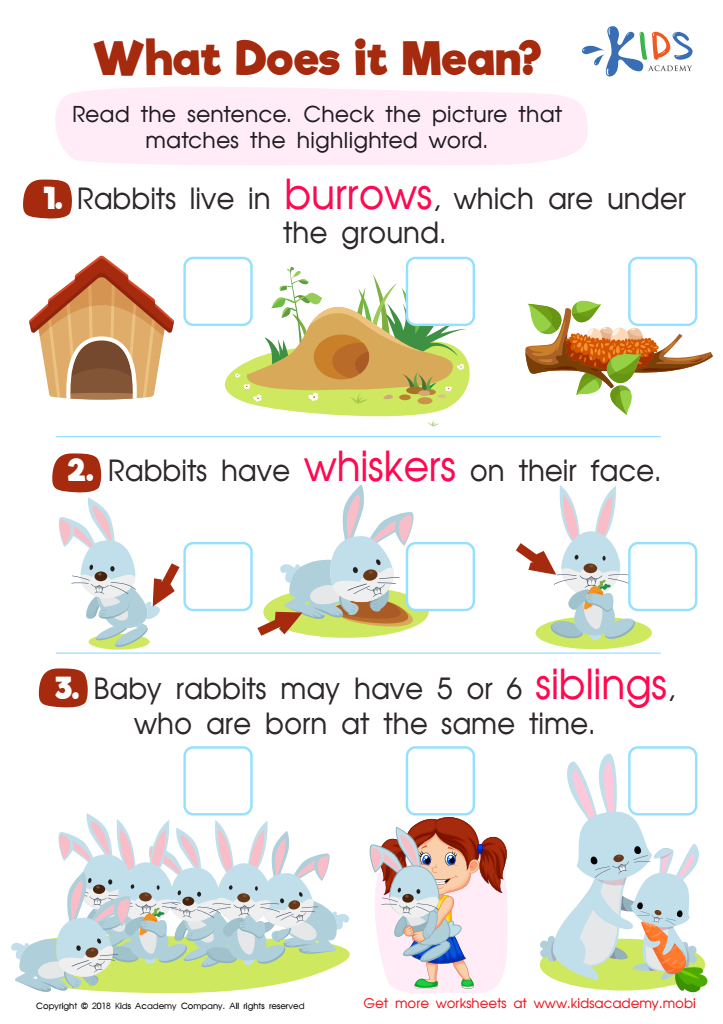
What Does It Mean? Worksheet








Vocabulary expansion, particularly in the context of animals, is crucial for children aged 4-6 for several reasons. First, this developmental stage is marked by significant cognitive growth, making it an ideal time to introduce and enrich vocabulary. Understanding animal names, characteristics, and habitats helps children describe their world, improving language skills and fostering curiosity.
Parents and teachers should care because vocabulary knowledge lays the foundation for literacy and communication skills. A strong vocabulary allows children to express their thoughts, emotions, and ideas more effectively, enhancing social interactions and academic success. Learning about animals sparks interest in science and nature, encouraging children to ask questions and seek answers, which promotes critical thinking.
Moreover, vocabulary expansion engages children through stories, games, and activities, making learning fun and interactive. Mastery of animal-related terms can stimulate imaginative play, helping children develop creativity and problem-solving skills. Encouraging conversations about animals can also foster empathy and understanding of living beings, promoting emotional intelligence.
Ultimately, focusing on vocabulary expansion sets a precedence for lifelong learning, equipping children with the tools they need to thrive both personally and academically.








