Animal recognition Science Worksheets for Ages 4-6
6 filtered results
-
From - To
Discover our engaging "Animal Recognition Science Worksheets" designed specifically for children ages 4-6! These fun and interactive worksheets are perfect for introducing young learners to various animal species while fostering essential cognitive and observational skills. Kids will enjoy sorting, matching, and identifying different animals through colorful visuals and simple activities. Each worksheet is crafted to promote hands-on learning and spark curiosity about the animal kingdom. Ideal for home or classroom use, our resources support early science education and boost fine motor skills. Spark your child’s interest in wildlife today and create a foundation for lifelong learning with our animal recognition activities!
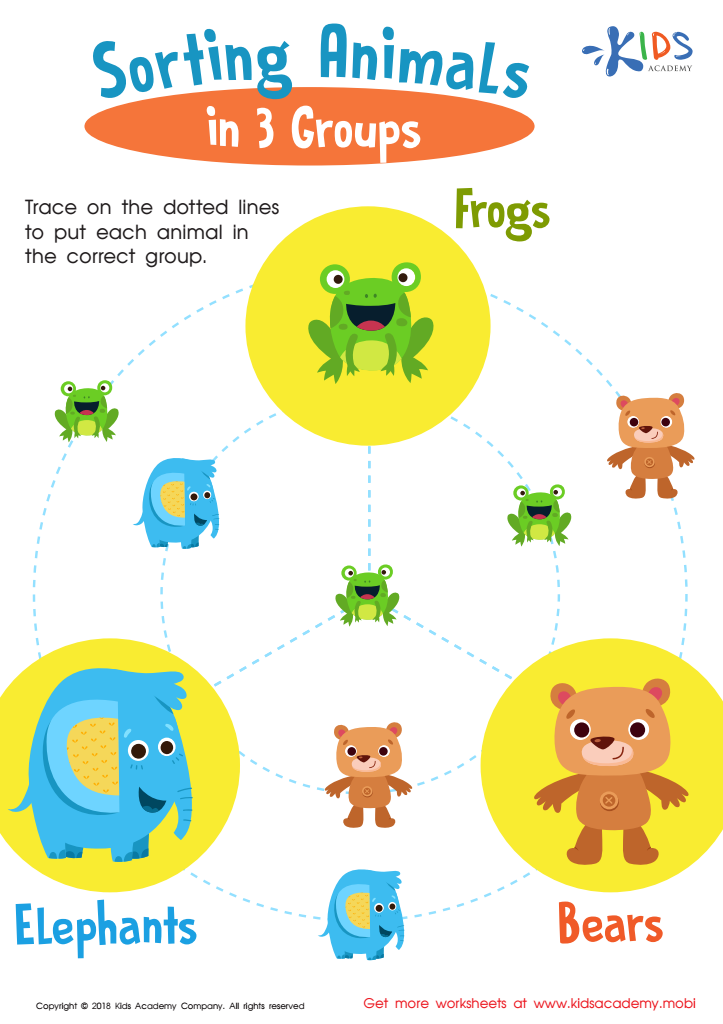
Sorting Animals in 3 Groups Worksheet
 Assign to My Students
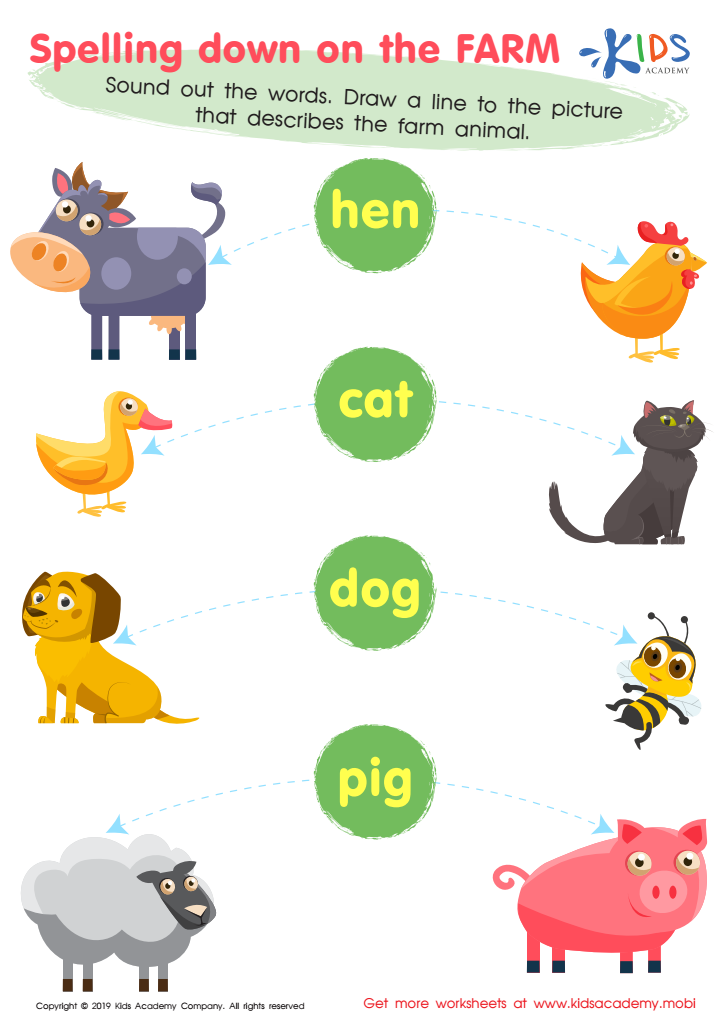
Spelling Down on the Farm Worksheet
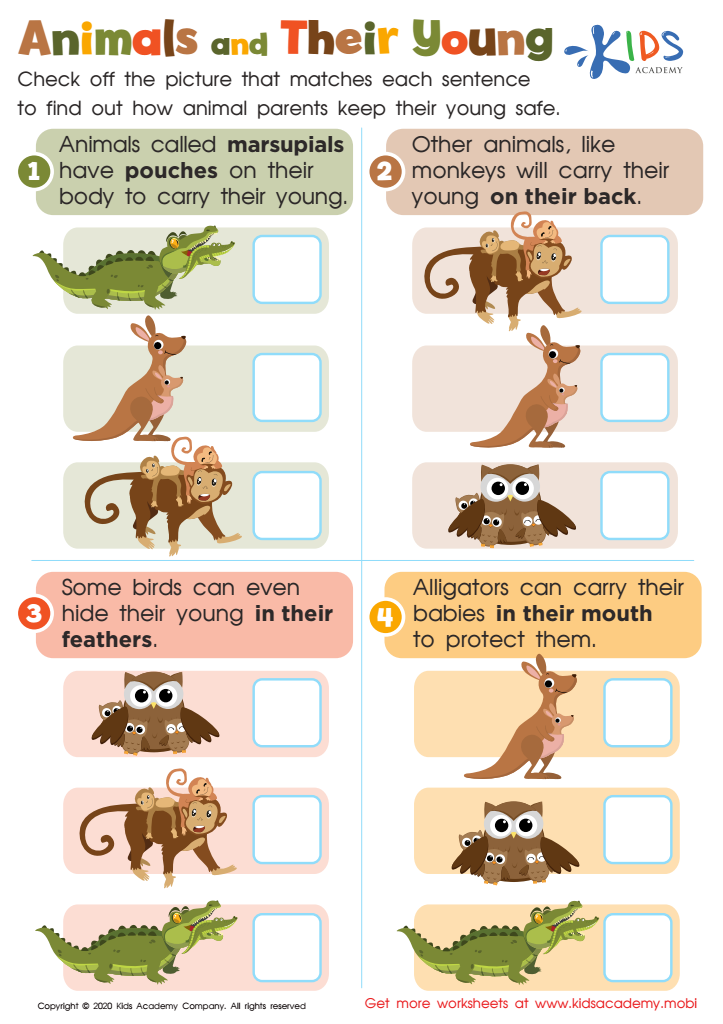
Animals and Their Young Worksheet
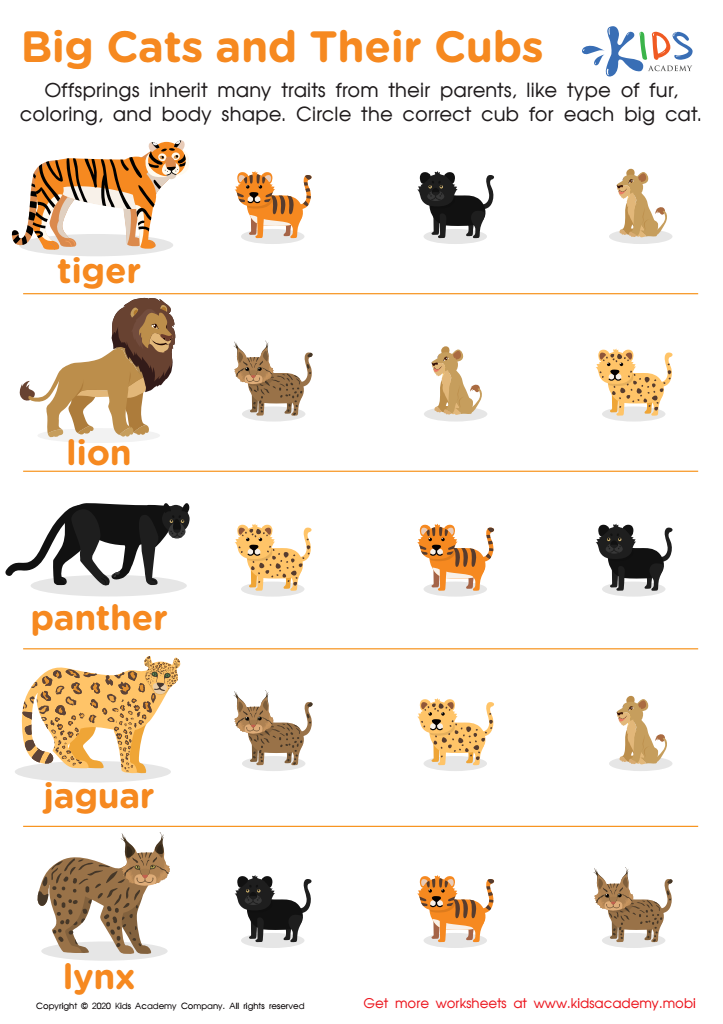
Big Cats and Their Cubs Worksheet
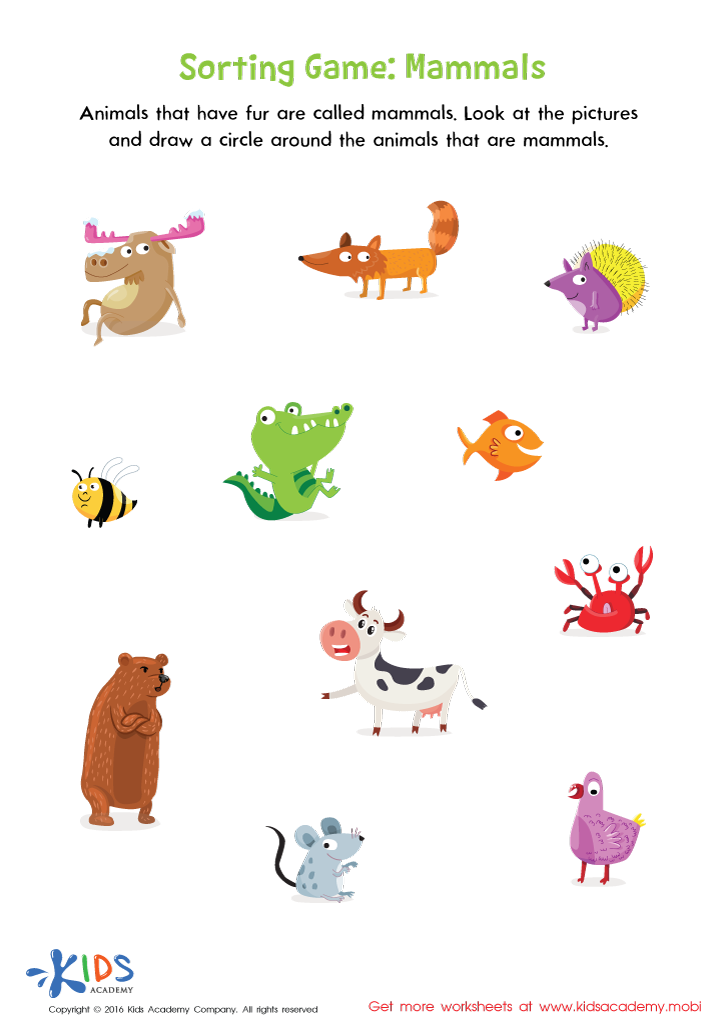
Mammals Sorting Worksheet
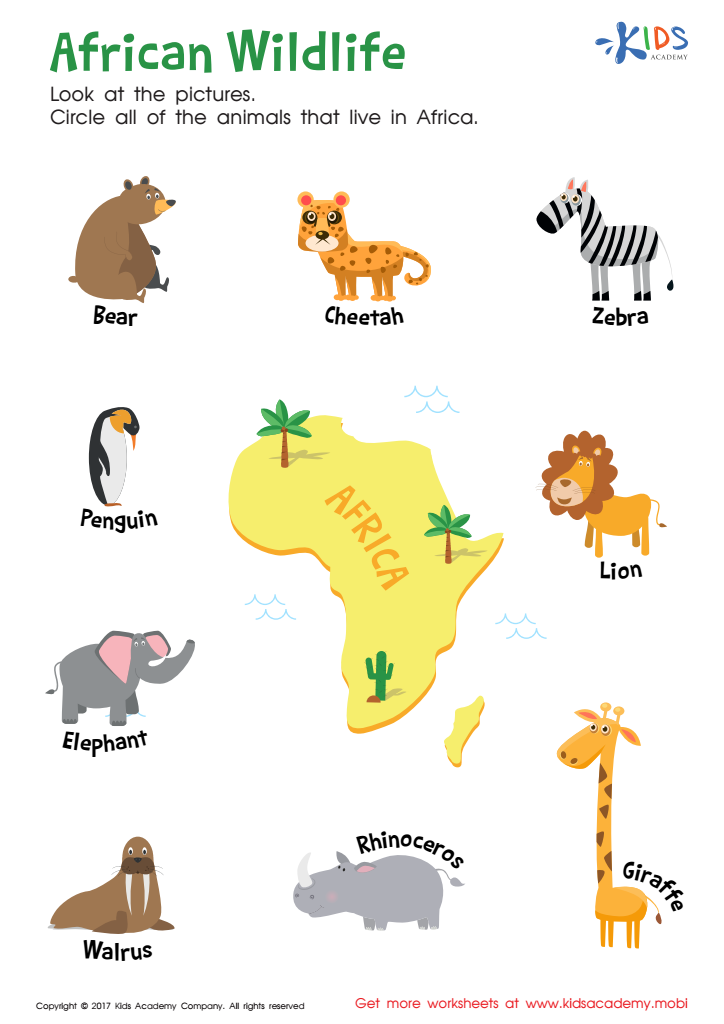




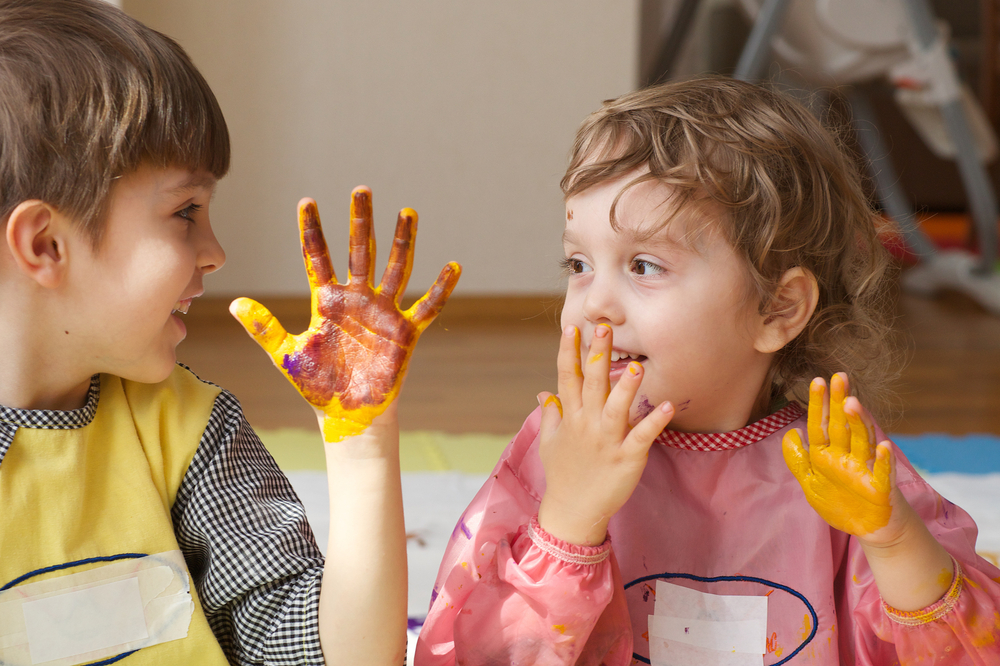



Animal recognition science is crucial for children aged 4-6 for several reasons. First, it fosters curiosity and encourages a connection with the natural world. When children learn about different animals, their traits, habitats, and behaviors, they develop an appreciation for biodiversity and the environment. This understanding is vital as it can lead to a greater sense of responsibility for wildlife conservation and ecological preservation.
Engaging with animal recognition also enhances cognitive development. It integrates various learning domains, such as language skills—through new vocabulary related to animal names and characteristics—and critical thinking—by analyzing similarities and differences among creatures. Additionally, this knowledge promotes social interaction, as children enjoy sharing what they’ve learned with peers, fostering collaboration and communication skills.
Furthermore, animal recognition supports emotional growth. Children learn empathy by exploring how animals are treated and their needs, enhancing their capacity to relate to others, including humans. For parents and teachers, incorporating animal recognition into early education offers an exciting way to create meaningful, interactive learning experiences that boost engagement, creativity, and intellect, laying a strong foundation for lifelong learning and environmental stewardship. In essence, teaching children about animals enriches their knowledge and nurtures holistic development.







